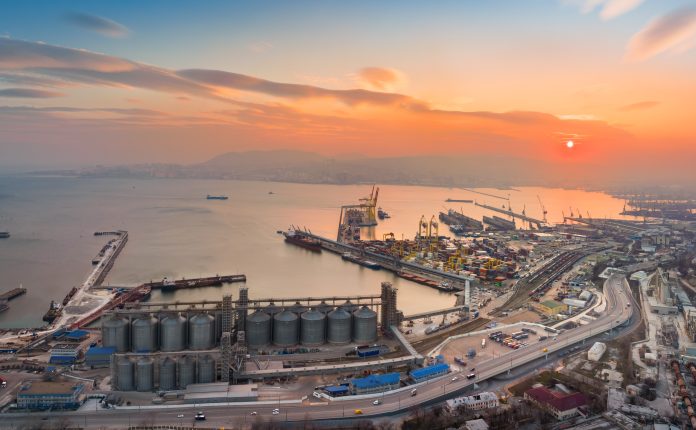
News reports said Russian air defenses struck residential buildings in Novorossiysk while repelling a Ukrainian attack-a stark reminder of chaos and split-second mistakes that can happen in high-intensity warfare. The incident, connected to one of Ukraine’s biggest strikes on Russia’s energy infrastructure this year, has laid bare some weaknesses in Moscow’s military response and the strategic pressure Kyiv is applying to the Russian war economy.
The Novorossiysk operation was not a stand-alone raid but rather an important element in the overarching Ukrainian campaign aimed at crippling Russia’s oil export capacity, degrading its air defenses, and forcing logistical strain on its military. The strike has underlined the role of drones, long-range weapons, and coordinated multi-agency operations in Ukraine’s emerging deep-strike doctrine.
1. Ukraine Targets Russia’s Second-Largest Oil Export Hub
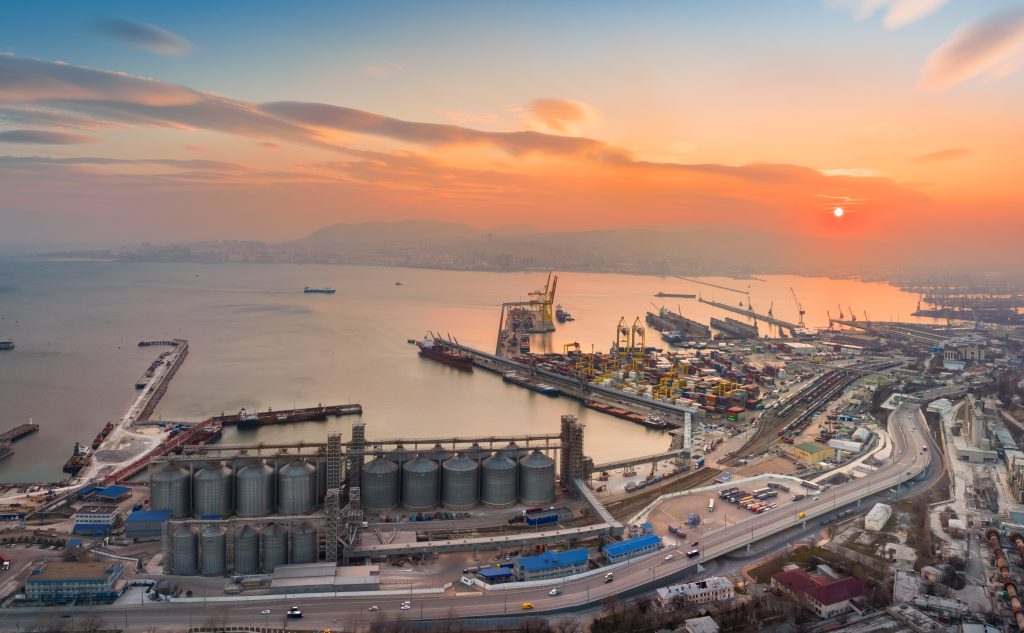
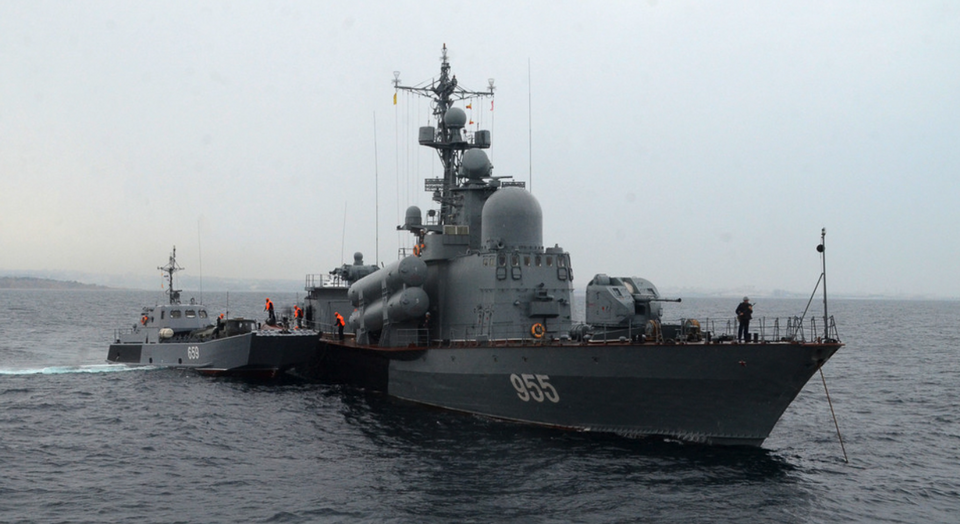
Novorossiysk is the second-largest oil export center in Russia, which, apart from housing the Sheskharis oil terminal, is also one of the biggest bases of the Black Sea Fleet. Ukrainian security sources said the port’s oil-loading arms, pipeline infrastructure, and pumping installations were struck, causing fires and damage to coastal facilities. According to industry data, the facility handles millions of tonnes of crude and oil products every month, making it a key node in Moscow’s export chain.
2. Russian Air Defenses Hit Their Own Buildings
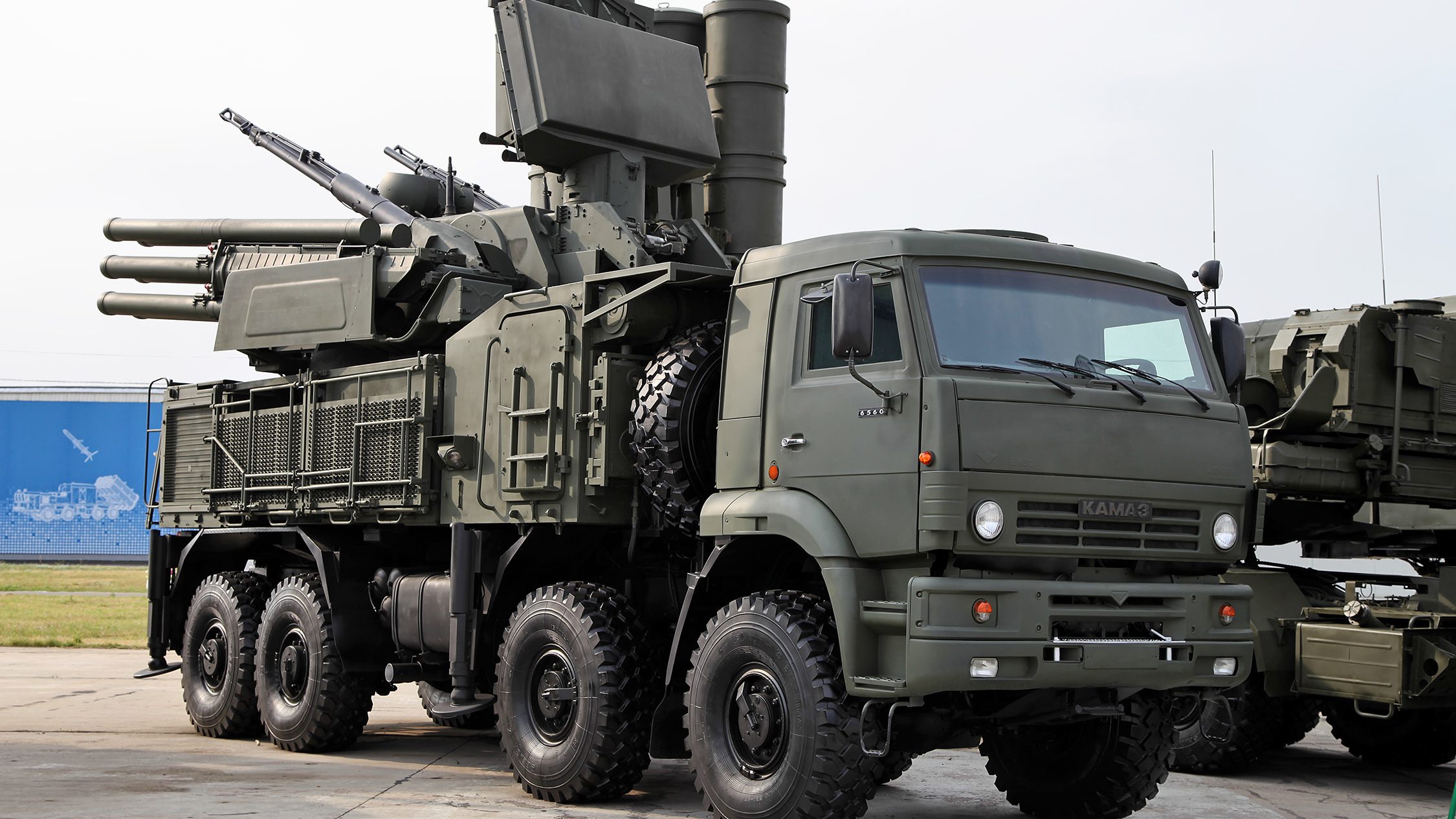
During the night defense, surface-to-air missiles from a Pantsir system were filmed hitting residential high-rises. A source with Ukraine’s Security Service said that amid the confusion, Russian air defenses “actively targeted civilian infrastructure.” This is not the first instance of friendly fire, with Russia having bombed its own territory on several occasions during the war, but this case unfolded in a city hosting key military assets.

3. Coordinated Ukrainian multiagency strike
The Novorossiysk operation has involved the SBU, the GUR military intelligence agency, Special Operations Forces, Unmanned Systems Forces, the State Border Service, and coastal missile and artillery units. It comes as Ukraine increasingly employs an integrated multi-domain strike package that can saturate enemy defenses and hit many war-fighting and economic targets all at once.
4. Long-Range Drones and Precision Strikes
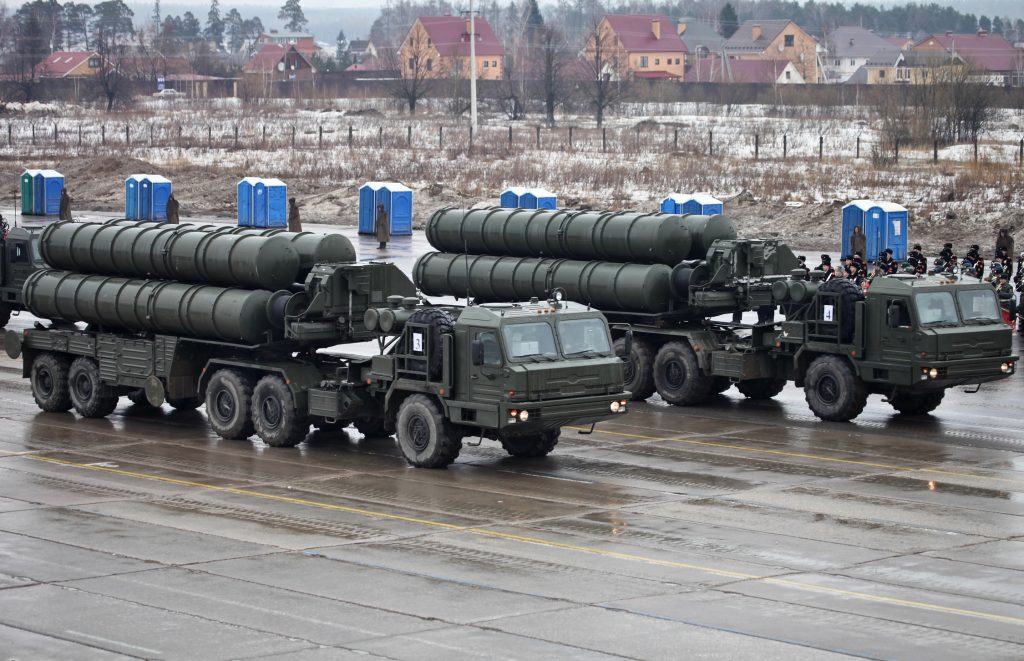
Long-range drones hit the oil terminal infrastructure, while S-300/S-400 positions were also hit, reportedly damaging a Project 1171 landing ship near the naval base. The move also comes in line with Ukraine’s larger deep-strike doctrine, joining ISR with precision munitions to break down layered defenses before follow-on strikes.
5. Economic Shock: Oil exports stopped temporarily.
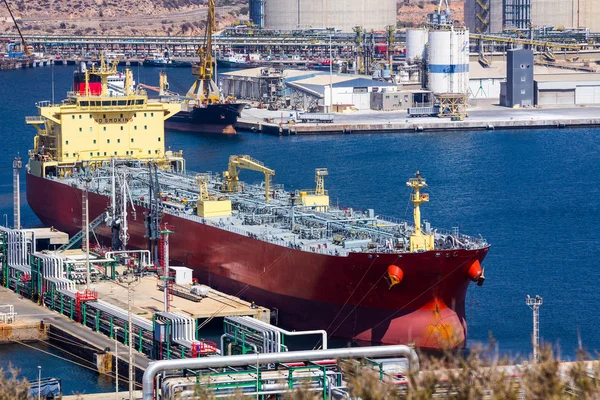
The attack forced a temporary suspension of oil exports from Novorossiysk-or 2.2 mln bpd, about 2% of global supply. Global oil prices gained more than 2% on supply jitters. Damage to two key berths disrupted tanker operations. Besides that, a Sierra Leone-flagged oil tanker was also hit, injuring three crew members.

6. Russian Energy Sector Under Sustained Pressure
Since August, Ukraine increased its attacks on refineries, ports, and pipelines. SBU chief Vasyl Malyuk said the 37% reduction in refinery output had resulted in fuel shortages in 57 Russian regions. The campaign has been forcing Moscow to impose a ban on gasoline exports through the end of the year and created logistical bottlenecks as it rerouted crude from damaged refineries to export terminals.
7. Drone Saturation and Air Defense Strain
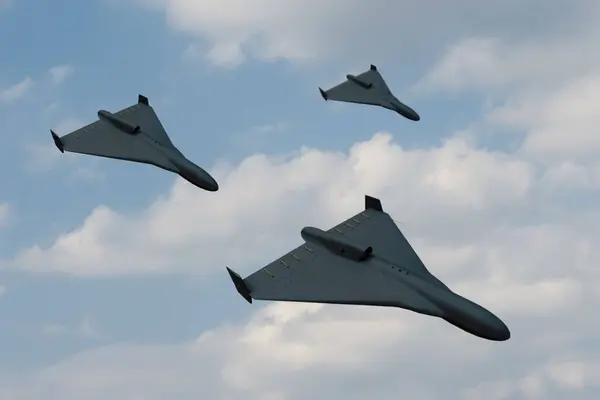
According to the Governor of Krasnodar Krai, the raid on Novorossiysk was “one of the longest and most massive attacks” since the start of the war. Meanwhile, according to local officials, the night saw 76 drones shot down over the region and 116 over the Black Sea. The friendly fire and damage to defended sites revealed, however, how much stress Russian air defense units were under in conditions of massed multi-vector drone incursions.

8. Strategic Objective: Reduce Russia’s ‘Petrodollar’ War Chest
An SBU source said the agency will “methodically reduce Russia’s petrodollar revenues” to weaken both its war financing and the air defense systems that cover critical infrastructure. Ukraine thus hopes to undermine Moscow’s sustainment of long-duration operations by being forced to divert forces toward energy assets.

9. Wider operational context and adaptation
The strike in Novorossiysk fits within a wider strike-counterstrike adaptation spiral that Ukrainian and Western analysts describe. The Russians have been moving air defense units, hardening drone navigation systems, and deploying mixed weapon salvos to complicate Ukrainian targeting. Ukraine, for its part, is integrating domestic reconnaissance tools with AI-assisted targeting, maintaining strike capability even under reduced Western intelligence support.
The Novorossiysk incident captures the evolving character of the war: precision deep strikes, economic targeting, high tempo of adaptation on both sides. It was a demonstration for Ukraine of reach and coordination; for Russia, it served as a costly reminder that even its most guarded assets remain vulnerable, and that its own defenses can inflict damage when the battlespace becomes saturated and chaotic.


