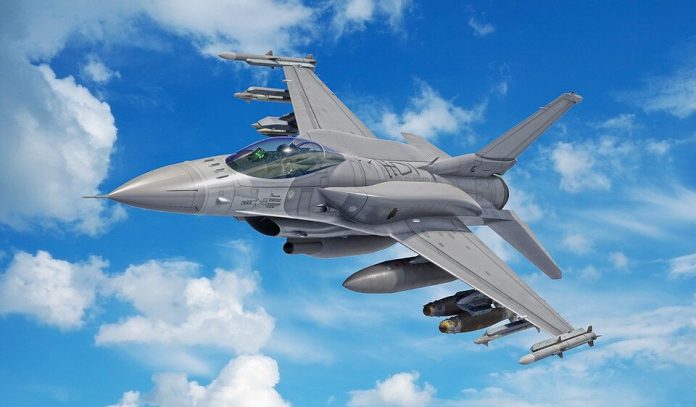
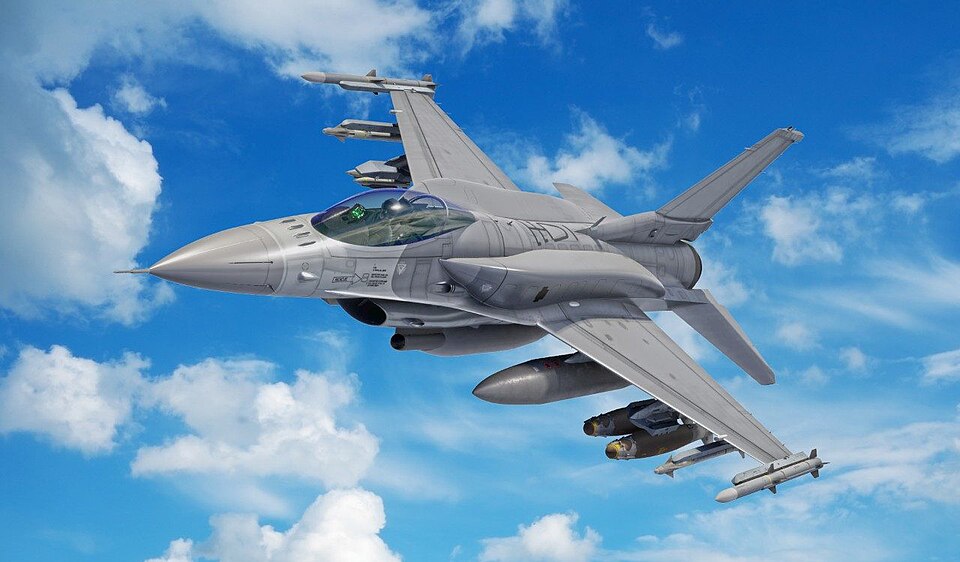
“Air superiority is the key to strategic operations,” John Warden once wrote-but nowhere does that truth resonate more urgently than over the Taiwan Strait. The PLAAF is only going to grow in size and sophistication, and the survival of Taiwan may hinge on how well its upgraded F-16V Vipers can blunt the threat.
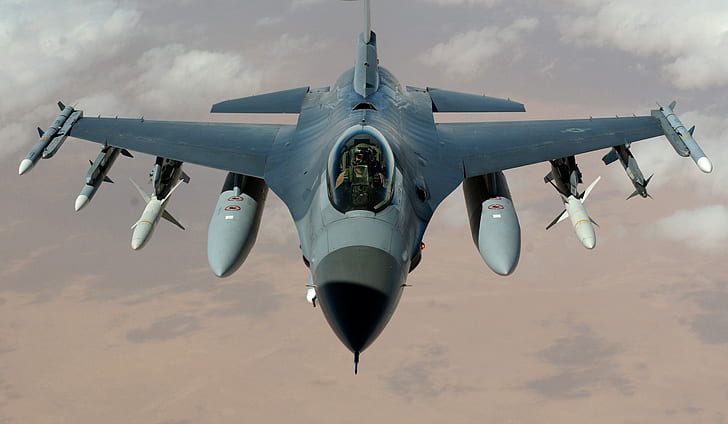
The Viper is no stealth fighter, and it is decidedly not the newest jet in the sky. Yet Taiwan has invested billions in transforming its fleet into a lethal, networked force designed to hold the line against a numerically superior adversary. With advanced sensors, expanded weapons options, and a doctrine built for asymmetric defense, the F-16V remains at the center of Taipei’s air strategy.
From radar breakthroughs to missile reach, from maritime strike potential to geopolitical stakes of a cross-strait clash-the following are nine critical aspects of Taiwan’s F-16V program and its place in the island’s defense.
1. Phoenix Rising: The largest F-16V Upgrade in Asia
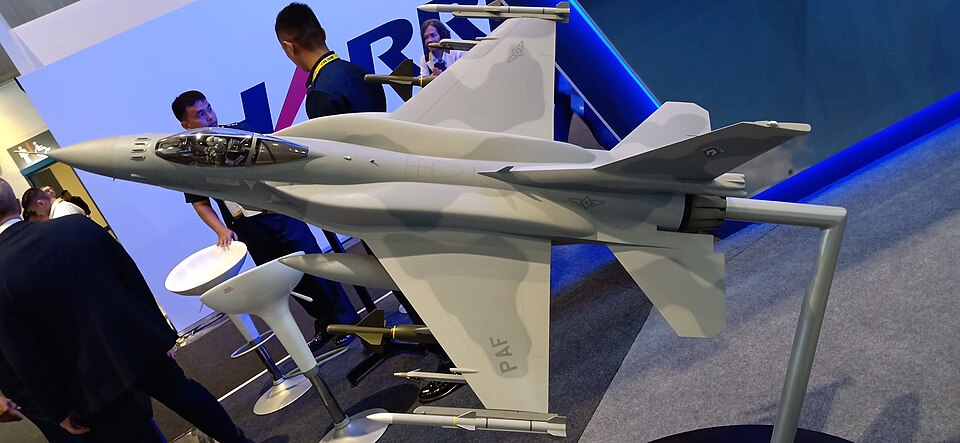
Under the $4.5 billion Phoenix Rising program, Taiwan upgraded 141 surviving F-16A/Bs to the F-16V standard becoming the first operator to field combat-ready Vipers. Work started in 2016 with the initial two aircraft upgraded in the U.S., before Taiwan’s Aerospace Industrial Development Corporation took over. By late 2024, flight testing of the final jet had been completed and a new maintenance hub the largest of its kind in Asia was operational to sustain the fleet.
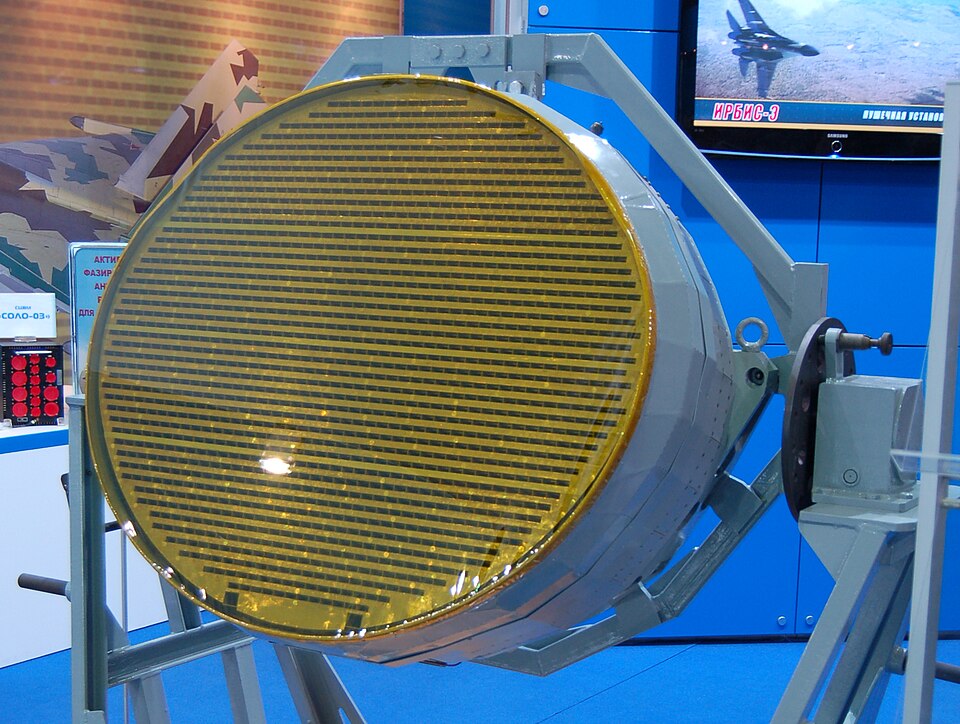
2. AESA Radar: A Sensor Leap to 5th-Gen Levels
The upgrade is centered on the Northrop Grumman AN/APG-83 Scalable Agile Beam Radar, an AESA system sharing technologies with the F-22 and F-35. These provide detection ranges of circa 180 km against fighter-sized targets, can detect low-signature threats such as cruise missiles, and are resistant to jamming. Along with a new mission computer and electronic warfare suite, it provides the F-16V with a sensor advantage over most of the PLAAF’s 4th-generation fleet.
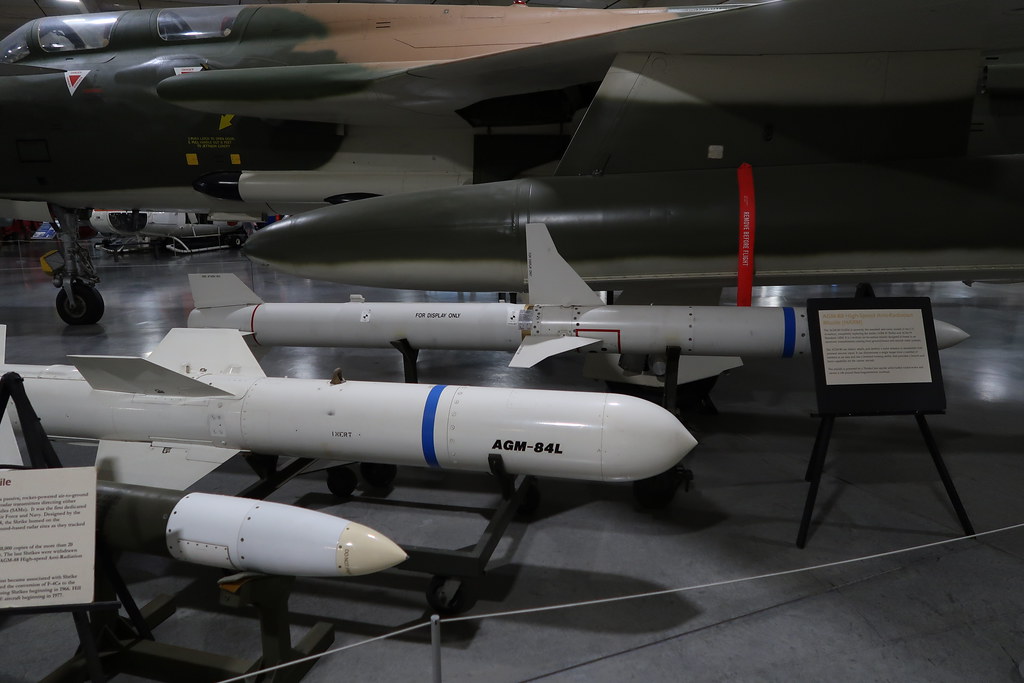
3. Weapons Expansion: From Harpoons to JASSMs
The Viper’s armory now includes AGM-88 HARM for air defense suppression, AGM-154 JSOW, SLAM-ER with a 170-mile reach, and potentially the AGM-158 JASSM with up to 600-mile range and stealth features. These extend Taiwan’s strike reach far well beyond its shores, threatening high-value PLAAF assets and invasion shipping even under dense air defense coverage.
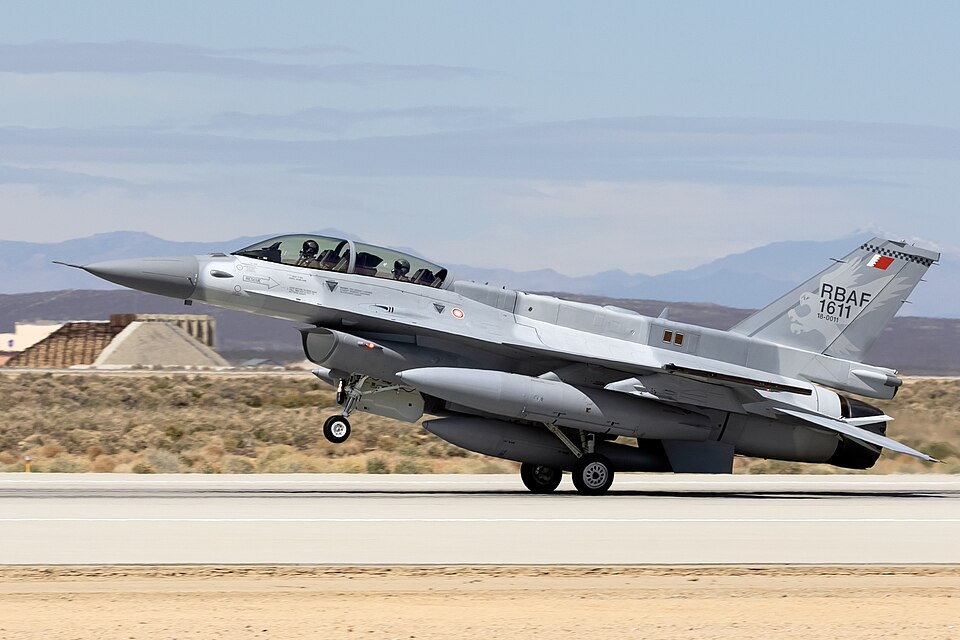
4. Built for Maritime Strike
Indeed, any invasion of Taiwan would have to be an amphibious operation. For its own part, the anti-ship capability of the F-16V, already proven with Harpoon missiles, is further enhanced with long-range standoff weapons, placing it as a potent threat to Chinese landing craft and escorts. It is this capability to deliver precision strikes from well outside the densest missile envelopes that may prove decisive in any contested littoral fight.
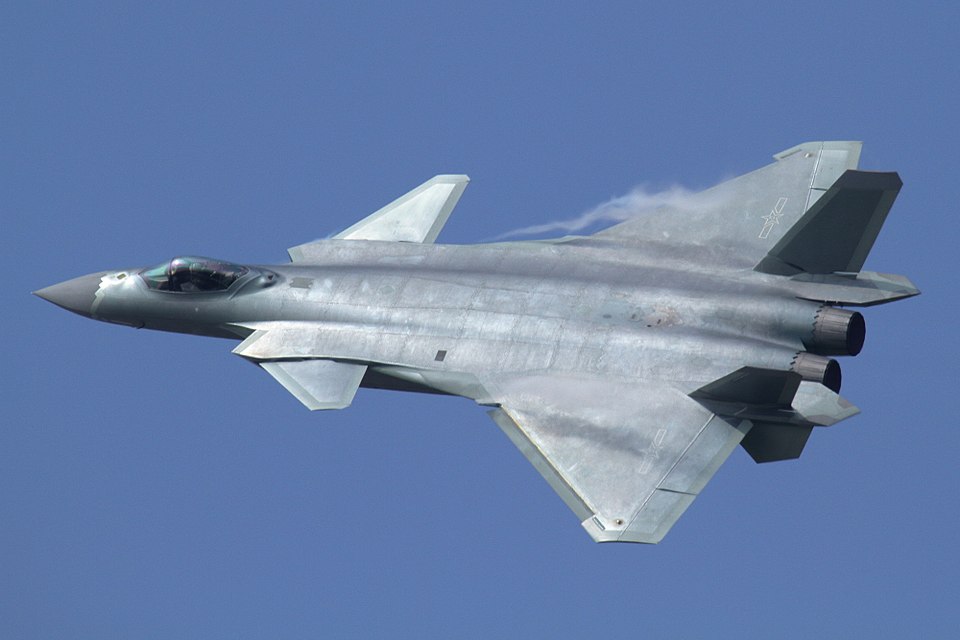
5. Facing the J-20: Stealth vs Agility
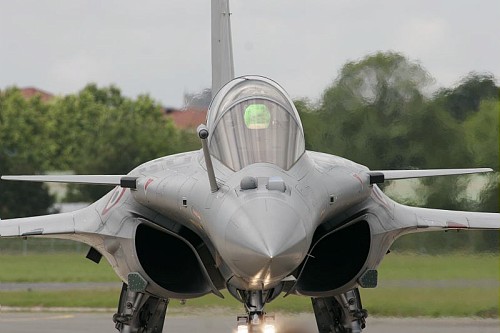
The J-20 Mighty Dragon enjoys advantages in stealth and missile range: its PL-15s at over 200 km against ~120 km for the AIM-120D. Most likely, the first shot in any beyond-visual-range combat would belong to the J-20. But within the visual range, the F-16V closes the gap with agility, high-off-boresight AIM-9X missiles, and helmet-mounted cueing provided that it can survive long enough to merge.
6. IRST to Counter Stealth
In 2023, the U.S. approved the sale of infrared search and track systems to Taiwan against the radar evasion by the J-20s. As China’s own media noted, IRST detects heat signatures that stealth shaping cannot eliminate. Integrated onto the Viper, the passive sensor may provide critical early warning of stealth fighters closing in.
7. The Lessons from Ukraine’s F-16 Use
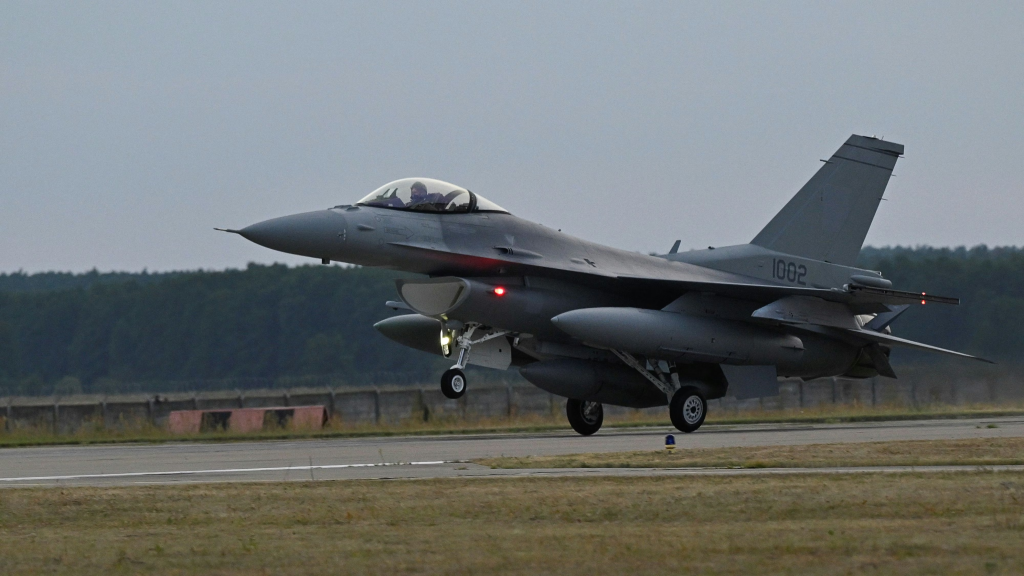
In January 2024, a Ukrainian F-16 downed six Russian cruise missiles in one sortie a first in history, Kyiv has said. Though Russia has yet to risk its Su-57 stealth fighters in air-to-air combat, the Ukrainian experience underlines how even a nonstealth but well-networked fighter can achieve strategic effects against a modern adversary. 8. Networked Defense and Allied Support The F-16V Link-16 datalink, along with compatibility with AWACS and ground-based sensors and perhaps with allied F-35s, would allow it to act as part of a far larger kill web. The U.S. and Japanese basing, aerial refueling support, and intelligence sharing could multiply the effectiveness of the Viper in a high-intensity Taiwan Strait conflict.
8. Not a Silver Bullet, But a Centerpiece
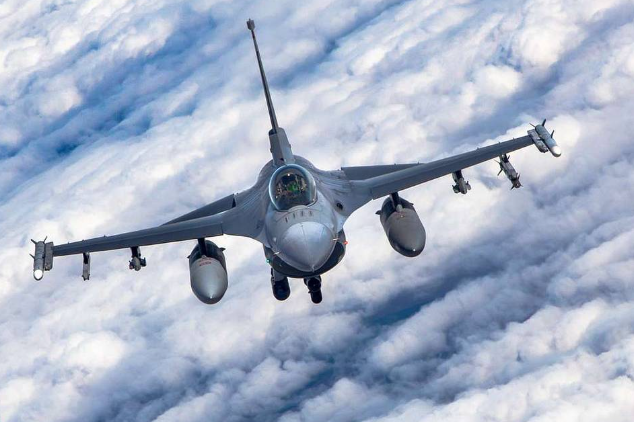
Even upgraded, the F-16V cannot match China’s full spectrum of airpower, which includes more than 200 J-20s and advanced support aircraft. But as part of a layered defense-integrated with surface-to-air missiles, mobile radars, and asymmetric tactics-the Viper is a lethal centerpiece of Taiwan’s strategy to deny Beijing a quick, low-cost victory. Taiwan’s F-16V fleet embodies a calculated balance among capability, cost, and survivability.
The fleet is not designed to dominate China’s most advanced fighters in one-on-one duels but to exploit the vulnerabilities of the PLAAF’s larger, older force elements, strike high-value targets, and buy time for allied intervention. In the unforgiving calculus of cross-strait conflict, that time could be the difference between survival and defeat.


