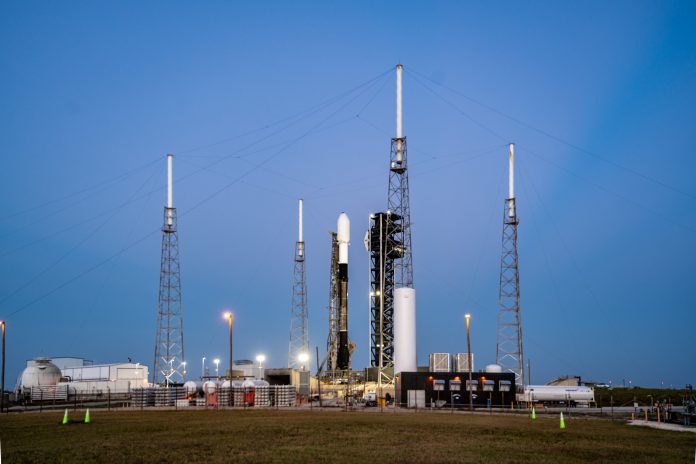
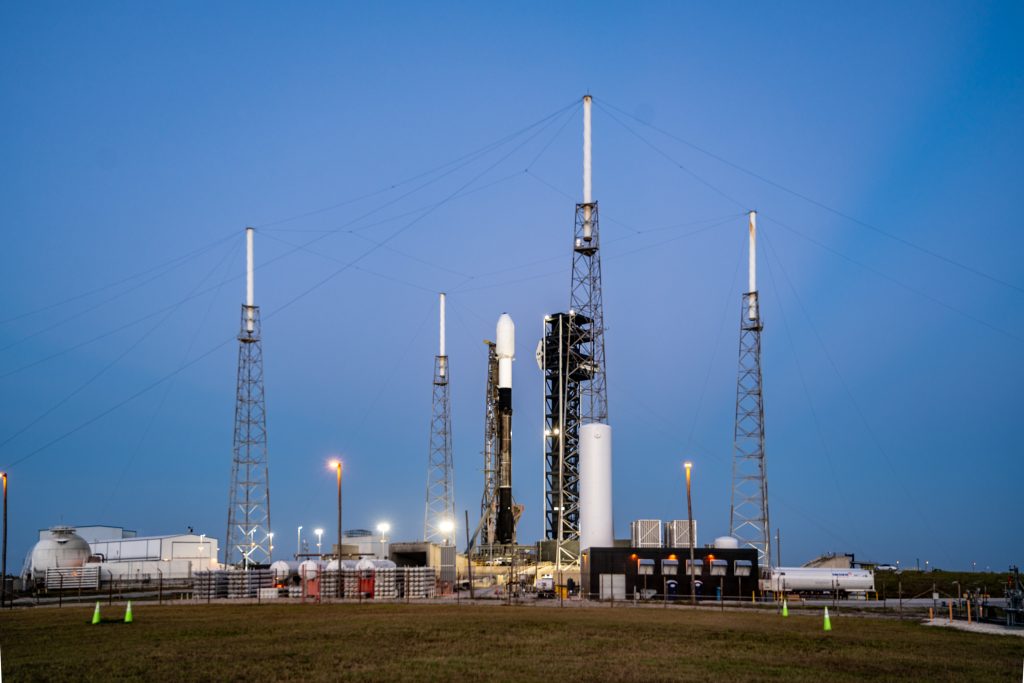
A new operational era has taken hold of the Florida Space Coast. The Starlink mission on Nov. 20 marked the region’s 100th orbital launch in 2025, the first time Cape Canaveral and Kennedy Space Center have crossed into triple-digit territory in a single year. Col. Brian Chatman, commander of Space Launch Delta 45, called it “the new normal,” with forecasts of 100 to 115 launches next year. This rapid cadence is forcing the U.S. Space Force to confront the limits of the Eastern Range’s Apollo-era infrastructure and accelerate modernization under the $1.3 billion Spaceport of the Future program.
1. Cadence Driven by Starlink and Emerging Heavy-Lift Providers
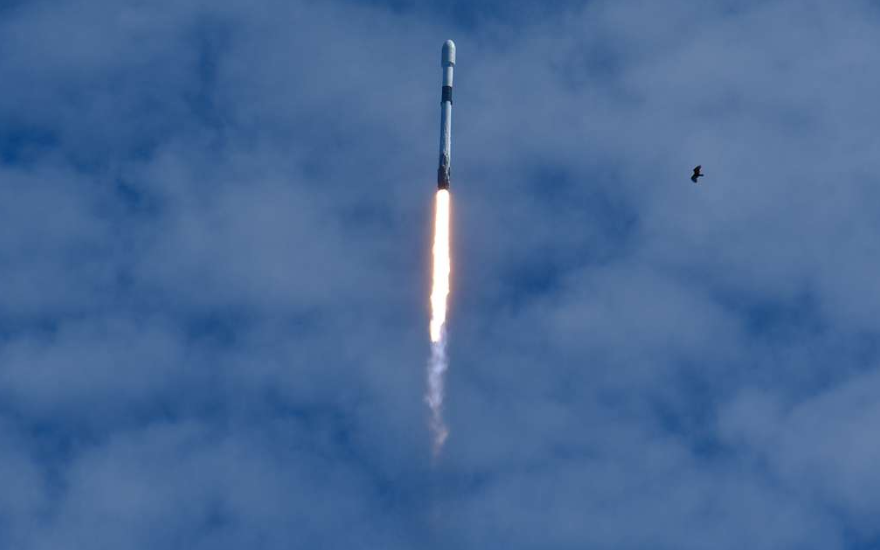
SpaceX’s Falcon 9, fueled by the Starlink constellation build-out, remains the main driver of volume. But United Launch Alliance’s Vulcan and Blue Origin’s New Glenn will continue to ramp up their flight rates while SpaceX’s Starship will join the Florida manifest by early to mid-2026. Heavy-lift vehicles change the calculus: fewer launches can deliver more mass to orbit, but each requires more complex ground operations. The Eastern Range foresees 300 to 350 launches annually by 2035, a figure that will require equal parts infrastructure expansion and operational streamlining.
2. Automated Flight Termination Systems Accelerating Turnaround
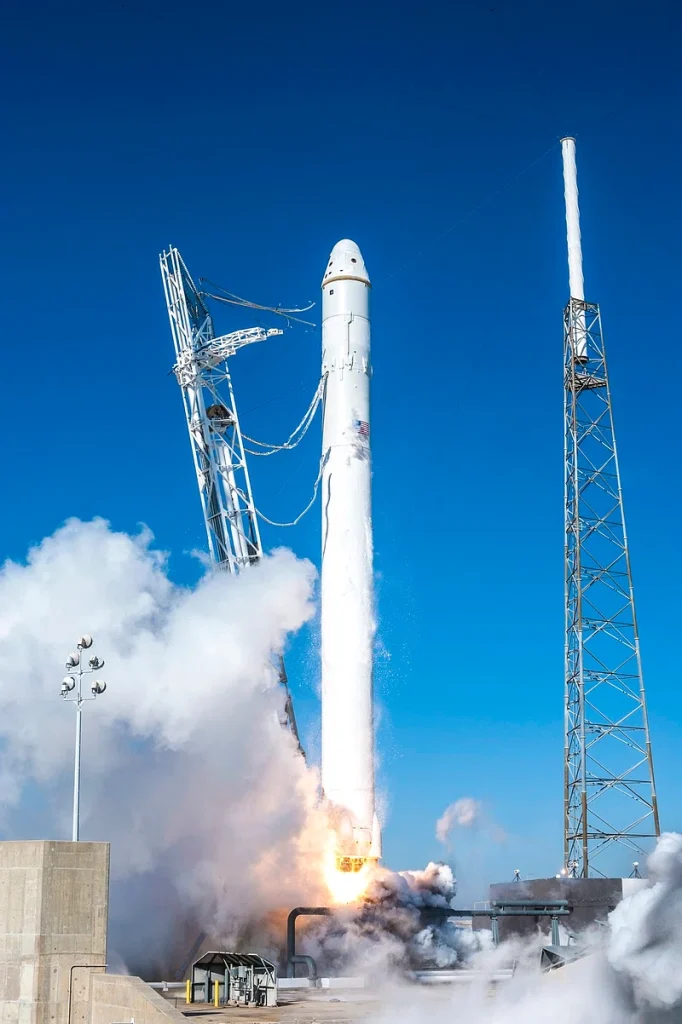
In fact, all major providers except ULA’s retiring Atlas V now fly with AFTS, which automatically detect anomalies and trigger self-destruct without waiting for ground commands. This saves hours of preflight setup for manual systems, reducing “deconfliction” periods between missions. The Space Force required its adoption by October 1, 2025, with waivers only for Atlas V, NASA’s SLS, and the Navy’s ballistic missile fleet. AFTS has also been a key enabler of SpaceX’s ability to launch multiple Falcon 9s within hours.
3. Spectrum and Commodities Management for Multi-Provider Operations
Different rockets use different radio frequencies, requiring careful spectrum deconfliction to prevent interference. Commodities cryogenic propellants, high-pressure gases and specialized hardware also vary by provider. The standardized nature of SpaceX’s Falcon 9 operations enables it to reuse its pads rapidly; the unique infrastructure used by Blue Origin and ULA slows turnaround. Digital checkpoint scanners are being installed to hasten the flow of propellants, cryogenic fluids, and telecom gear into the spaceport.
4. Preparing for Starship’s Methalox Era
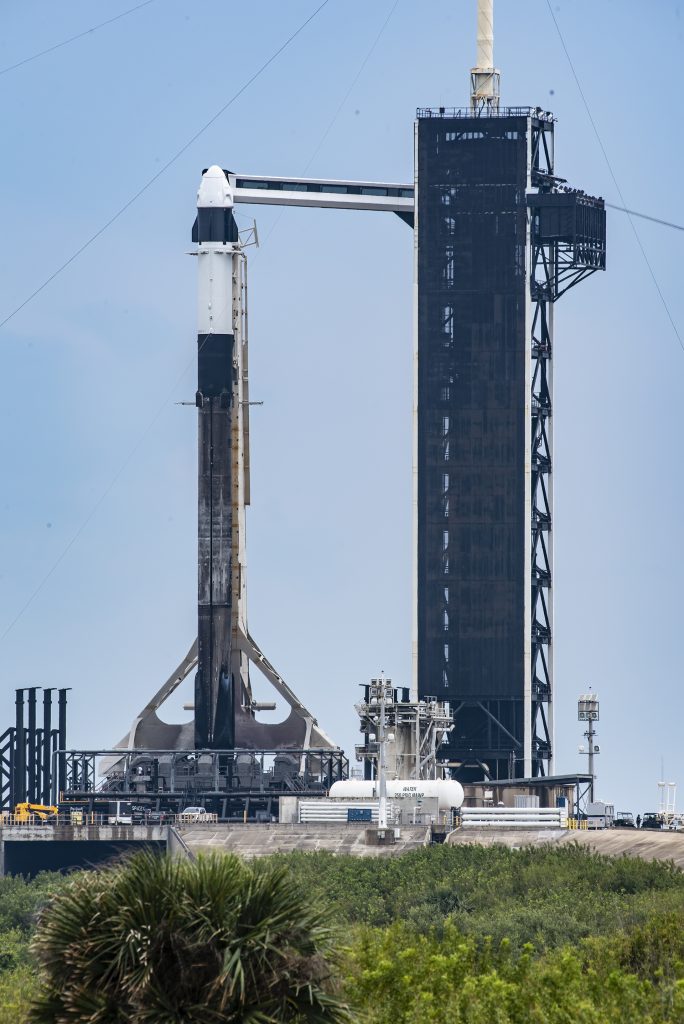
Starship’s methalox propellant mix and unprecedented scale-over 11 million pounds of LOX/methane-require larger BDAs than any rocket currently flying. The Space Force is treating methalox vehicles with 100% TNT blast equivalency until ongoing joint testing with SpaceX and Blue Origin yields refined data. Initial results indicate BDAs can shrink, which will be key to minimizing disruption in neighboring pads. Dedicated commodity lines, flame trenches, and cryogenic systems will be required for Starship’s pad complexes at LC-39A and SLC-37; construction will involve LR13000 crawler cranes and extensive tank farms.
5. Infrastructure Modernization Under the Space Force Range Contract
A new $4 billion Space Force Range Contract makes the commercial launch firms responsible for all maintenance, sustainment, and engineering requirements through direct task orders. This model aligns with Congressional audit requirements and aims to transform the Eastern and Western Ranges into high-capacity, multi-user spaceports. Planned upgrades include widened roads for oversized transporters, redundant power systems, hardened communications, and expanded payload processing facilities to help eliminate bottlenecks.
6. Operational Changes to Remove Choke Points
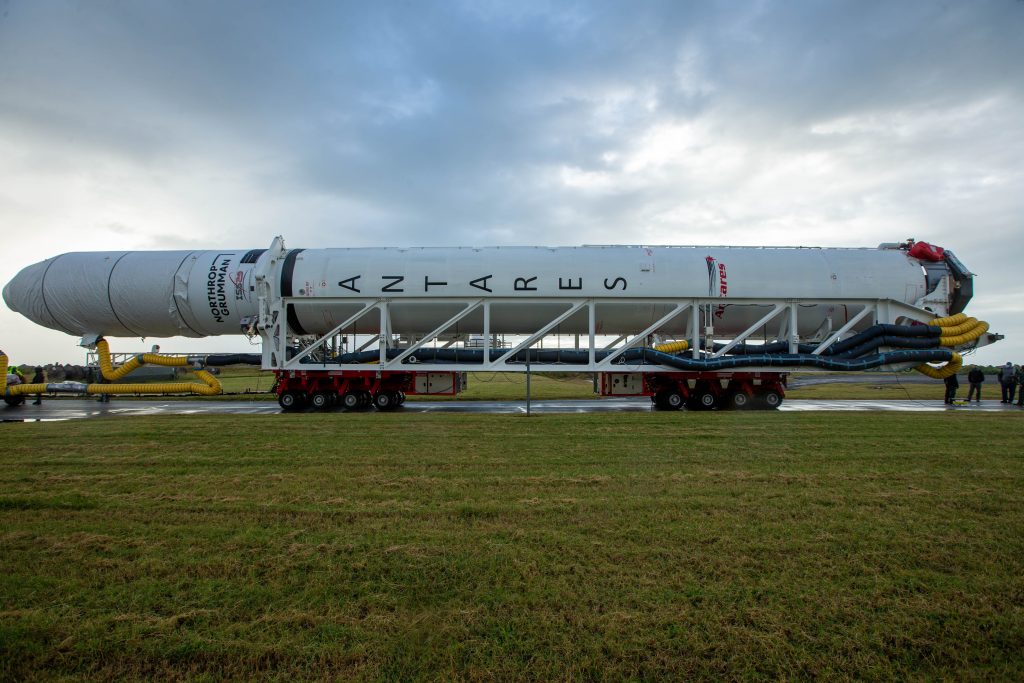
Facilities and work areas are being moved away from active launch complexes to eliminate delays in evacuation. Dedicated lanes for slow-moving rocket transporters are under consideration by the Space Force to ease congestion. The changes are part of a larger effort to operate the ranges like commercial airports, which can process and launch multiple missions in parallel.
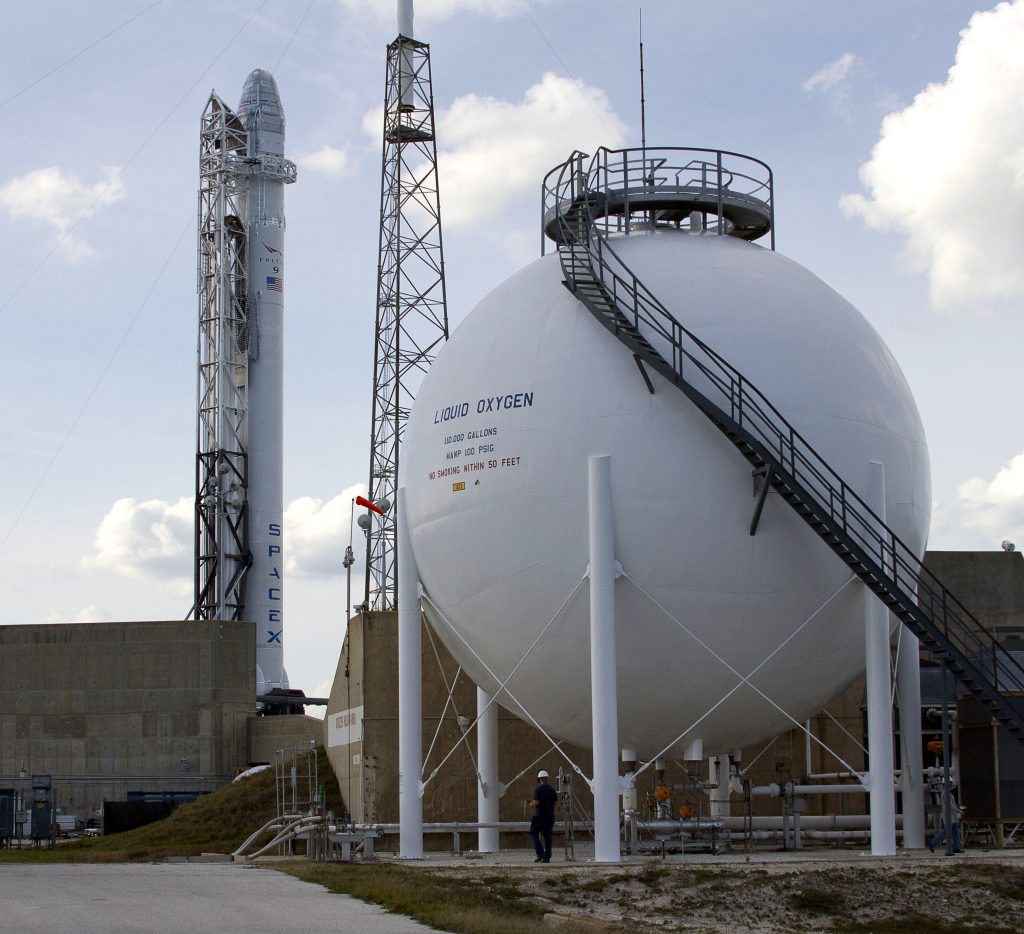
7. Heavy-Lift Logistics and Propellant Handling
Starship, Vulcan, and New Glenn all require high-capacity cryogenic handling systems. Methane burns cleaner than kerosene, which offers better engine reusability, but its miscibility with LOX puts a vehicle at increased detonation risk. The tank farms would have to integrate LOX, LCH4, and LN2 storage with subcoolers, pumps, and water deluge systems. These facilities are being designed with redundancy for rapid turnaround and to mitigate hazards.
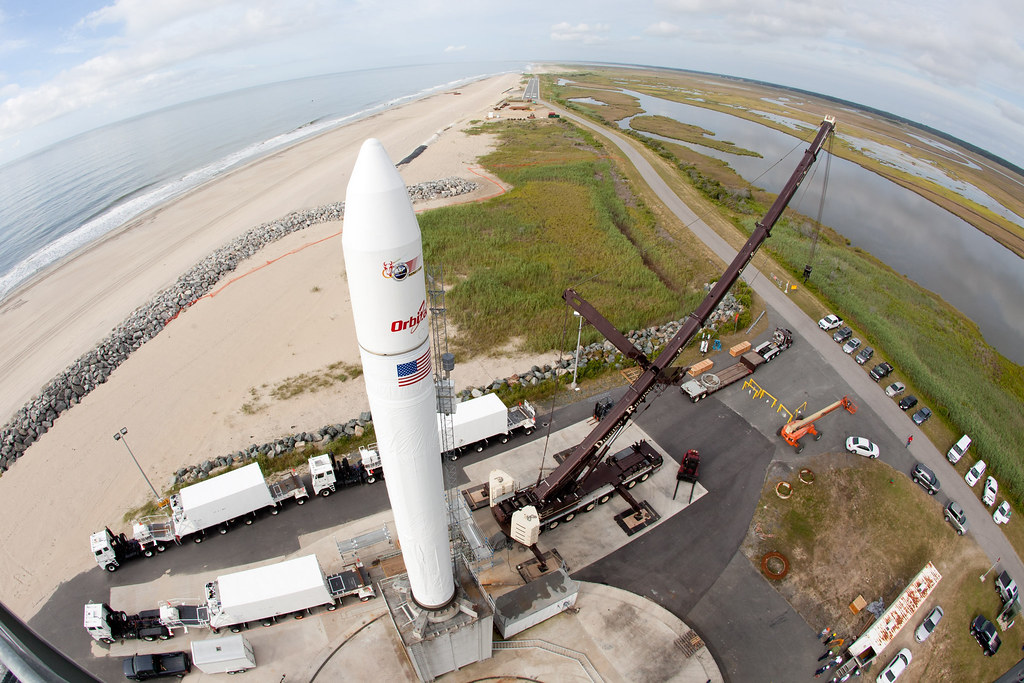
8. Range Resiliency and Multi-Site Strategy
Congress and Space Force leadership are studying alternate launch sites, such as Wallops Island, Va., and Kodiak Island, Alaska, to diversify capacity and reduce geographic vulnerability. Either a natural disaster or an adversary threat could take out Cape Canaveral or Vandenberg, making distributed launch capability a key strategic priority. Resiliency also means maintaining a diverse fleet of launch vehicles to avoid dependence on a single provider.
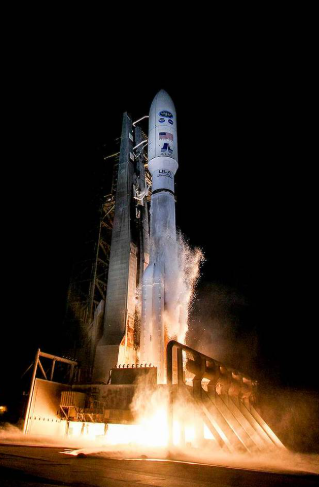
9. Integration of Acquisition and Operations
The modernization effort reflects initiatives undertaken at Vandenberg by the Western Range, which is upgrading Range Management units’ radar, telemetry, and mission networks for remote operations and rapid reconfiguration. Embedding engineers, operators, and acquisition specialists in Integrated Product Teams has the effect of allowing capability gaps to be addressed immediately, with the range able to pivot from hypersonic tests to satellite launches in hours.
The charge is clear for Space Launch Delta 45: continue record-breaking launch rates while preparing for the operational demands of next-generation heavy-lift vehicles. The Eastern Range is positioning itself, with automation, investments in infrastructure, and data-driven safety refinements to answer surging demand without sacrificing flexibility or safety.


