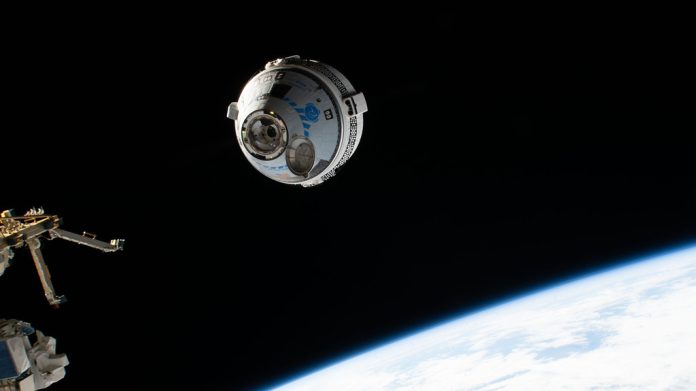
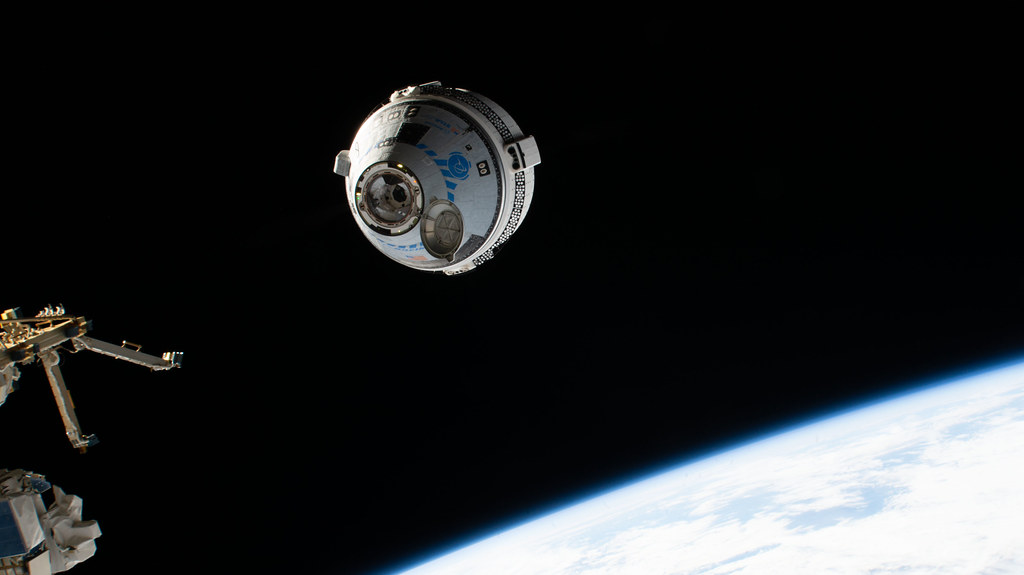
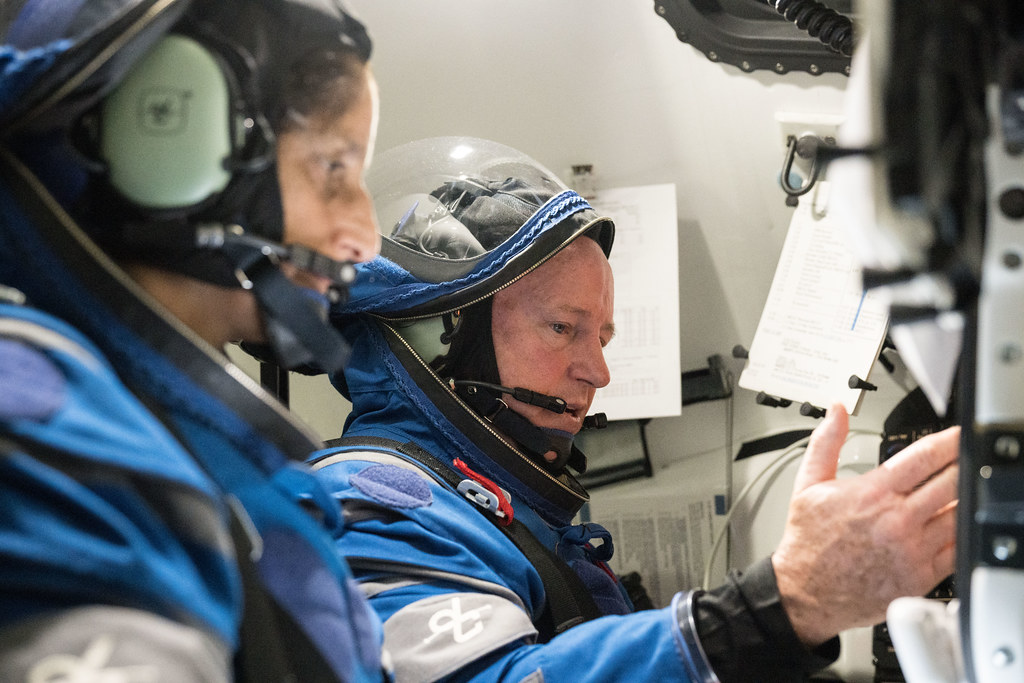
It was a decision that came after a mission that almost ended in disaster: in June 2024, Boeing’s CST‑100 Starliner took NASA astronauts Butch Wilmore and Suni Williams to the International Space Station for what was to have been an eight‑day Crew Flight Test. Instead, the cascading failure of thrusters and multiple helium leaks forced NASA to keep the spacecraft docked for months and ultimately send it back to Earth without its crew. That episode has reshaped the whole Commercial Crew roadmap.
1. Amendment of Contract & Reduction of Mission Scope
NASA confirmed that the next Starliner mission, Starliner‑1, would be uncrewed, and would focus on delivering cargo to the ISS. That April 2026 target date is predicated on the completion of a series of exhaustive test, certification and mission readiness reviews. Under the modified Commercial Crew Transportation Capability contract, Boeing’s definitively ordered missions have been reduced from six to four, with two optional flights still on the books. The value of the contract has also been reduced by $768m to $3.732bn to reflect the scope reduction. “This modification allows NASA and Boeing to focus on safely certifying the system in 2026,” said Steve Stich, manager of NASA’s Commercial Crew Program.
2. Anatomy of Starliner’s Propulsion System
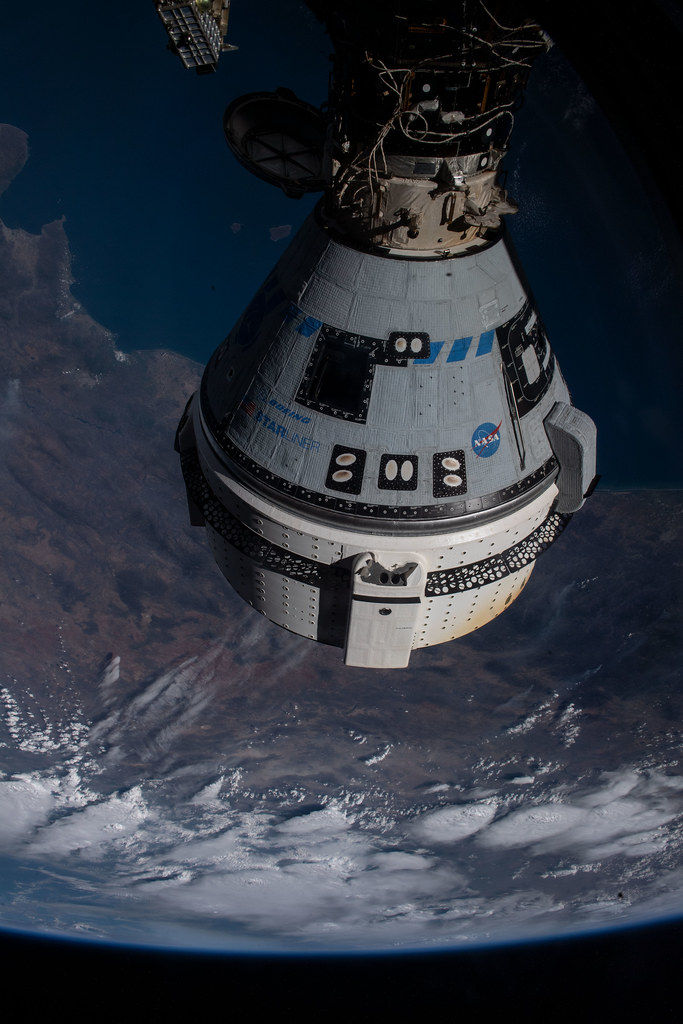
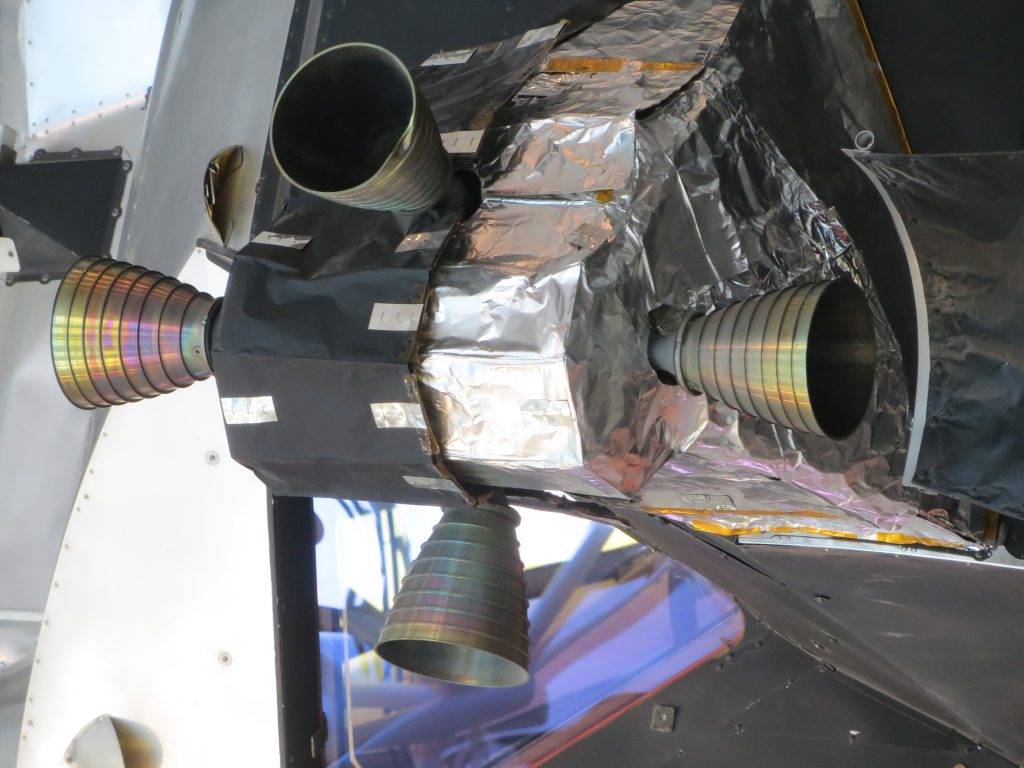
The Starliner service module is equipped with 28 RCS thrusters, 20 OMAC thrusters, and four Rocketdyne RS‑88 launch abort engines. RCS thrusters, which burn hypergolic propellants, are designed for fine orbital maneuvering and docking adjustments. Solar cells from Spectrolab provide 2.9 kW of electric power for the onboard systems. The crew module returning to Earth is also equipped with its own 12 RCS thrusters for orientation during re-entry.
3. Failure Modes and Root Causes
During the CFT approach to the ISS, over time five of the 28 SM RCS thrusters experienced failures; four of those were reset and then restarted. The immediate cause was traced to overheating of small Teflon “poppet” seals inside the thruster valves. Repeated firings under direct sunlight deformed the seals and restricted propellant flow. Ground tests conducted at NASA’s White Sands Test Facility demonstrated that the seals could recover when cooled but that this thermal vulnerability had not been fully mitigated in design.
4. Helium Leak Complications
Aside from the thruster failures, Starliner suffered five helium leaks in the service module RCS system-one detected before launch and four others in orbit. The helium pressurizes the propellant feed system so such leaks can compromise maneuvering capability. Though engineers felt enough helium was present for a return, the combination of leaks and malfunctioning thrusters produced an unacceptable risk for reentry with crew.
5. Engineering and Verification Gaps
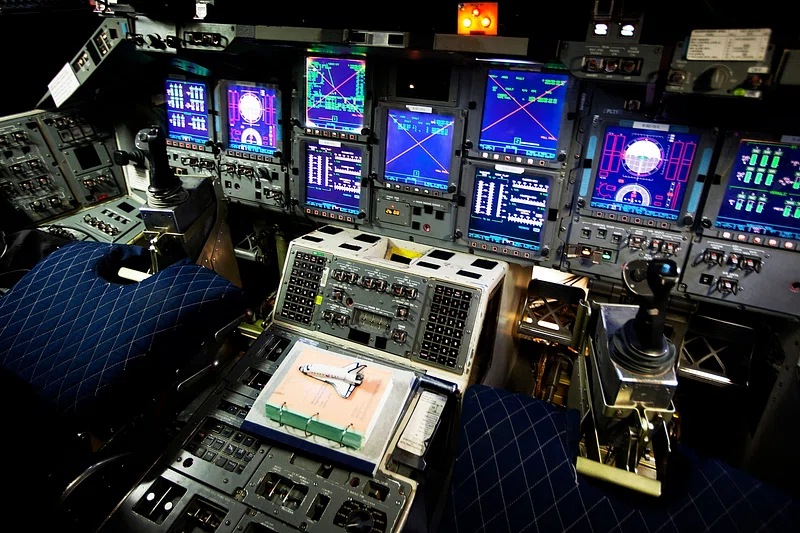
These propulsion anomalies are part of a bigger pattern of verification shortcomings. The 2019 failure of the Orbital Flight Test 1 to reach the ISS due to software errors exposed the fact that Boeing did not have any single facility which could do end‑to‑end integrated avionics and software testing. On OFT‑2, for example, the launch was delayed in 2021 due to corroded oxidizer valves resulting from nitrogen tetroxide reacting with moisture; it undertook a redesign. In 2023, inspections revealed parachute link strength was inadequate and that tape on wiring harnesses was flammable. NASA’s Aerospace Safety Advisory Panel has warned repeatedly about “process escapes” in the test and verification phases for Starliner.
6. Comparative Reliability: Starliner vs. Crew Dragon
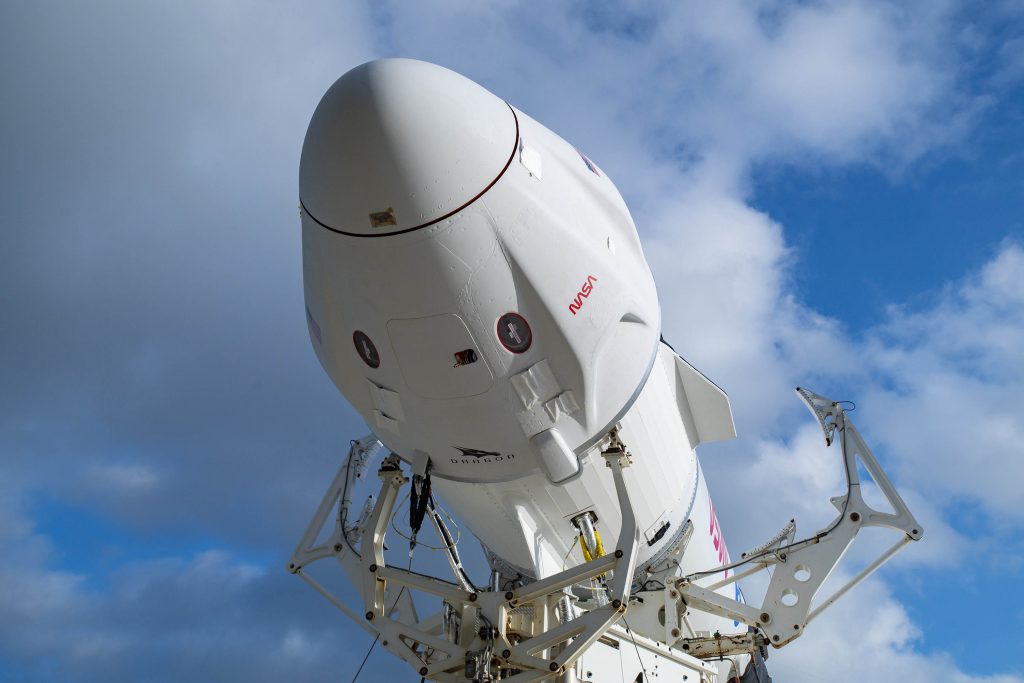
With eight SuperDraco abort engines and up to 5-kW solar panels, to this date, the SpaceX Crew Dragon has flown 11 operational crew flights for NASA since 2020 without any major propulsion anomaly. The integrated trunk and capsule design does away with a jettisoned service module, reducing post‑flight diagnostic loss. By contrast, Starliner will have a service module that is expendable. Any propulsion failure in flight cannot be directly inspected after reentry.
7. Certification Path Forward
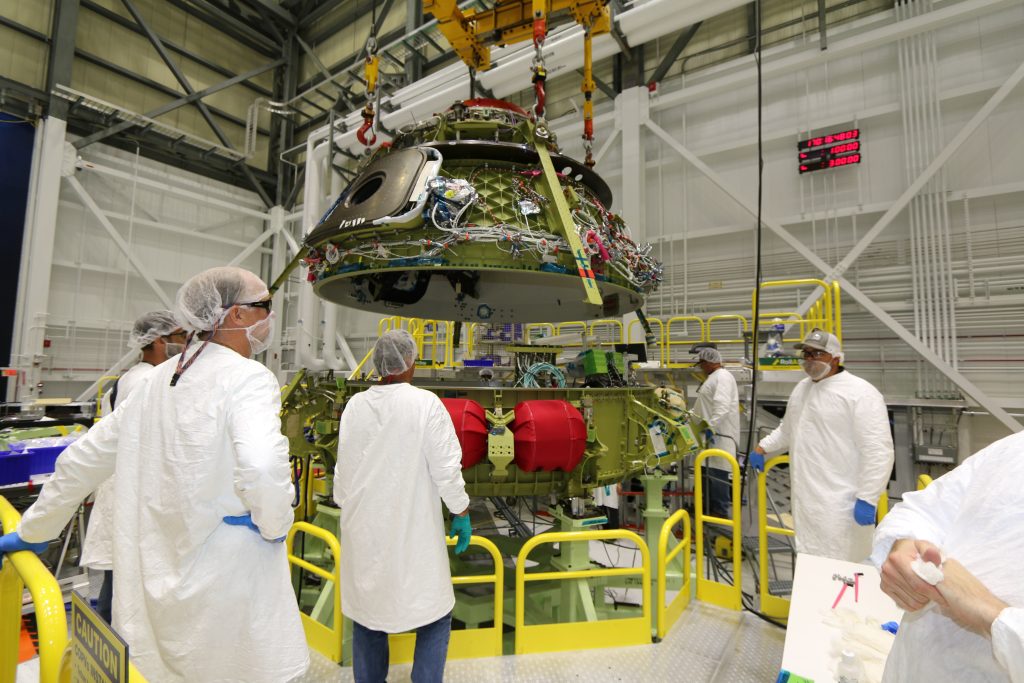
NASA and Boeing are running the thrusters through rigorous ground tests-including thermal cycling and leak rate assessments-to validate changes made to the design. The cargo‑only flight of Starliner‑1 will provide an in‑orbit systems validation of updated thruster “doghouse” assemblies and helium plumbing modifications. Success is needed to progress to any crew rotation flights, with the first possible crewed mission now pushed to late 2026.
8. Strategic Redundancy and ISS Timeline
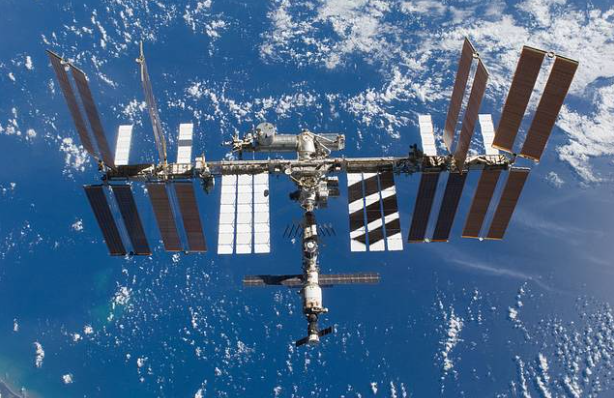
NASA’s goal remains “dissimilar redundancy” in crew transport because it does not wish to be solely dependent on either Crew Dragon or Russian Soyuz. But with the ISS scheduled to retire in 2030 and only two crew launches per year, Starliner’s reduced manifest constrains its operational footprint. Once Starliner is certified, the agency intends to alternate vehicles annually, but any further delays could leave SpaceX as the sole U.S. provider for the remainder of the station’s lifespan.
9. Financial and Programmatic Stakes
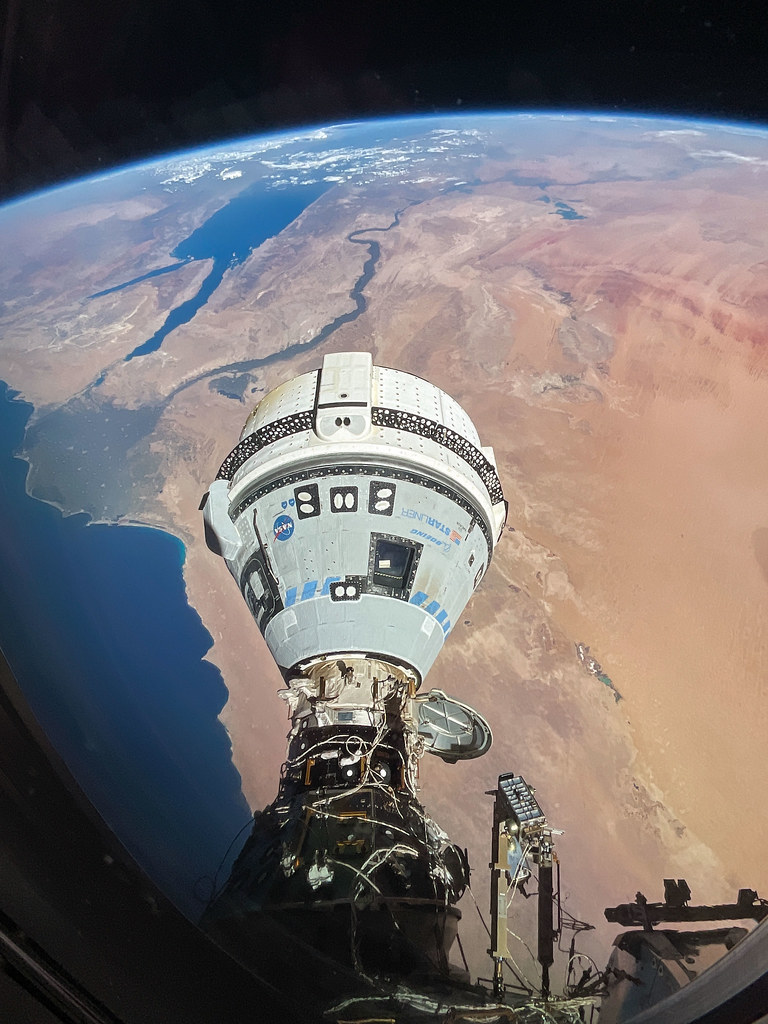
Boeing has absorbed more than $2 billion in losses on the fixed‑price program since 2016. Any additional redesigns or test flights will only deepen the financial hit. To NASA, certification of Starliner is crucial to retaining independent U.S. crew access to low Earth orbit.
Thus, the upcoming cargo mission is more than a logistics run: it is a high‑stakes engineering trial whose outcome will determine whether Starliner becomes a reliable complement to Crew Dragon or remains a cautionary tale in spacecraft development.


