
The implication that Mars might contain the clearest signs of ancient life yet is one that will doubtless inspire some debate. NASA’s Perseverance rover has discovered unusual clay-rich rocks with so-called “leopard spots” in Jezero Crater’s Bright Angel formation-the same texture seen on Earth, where it commonly signals past microbial activity. The reaction fronts displaying dark rims and lighter cores are chemically rich in iron, phosphorus, sulfur, zinc, and nickel, hosting the minerals vivianite and greigite. Both are known on Earth to form through microbially mediated redox reactions but can also arise through purely abiotic processes. The fact that these rocks demonstrate no high-temperature alteration or acidic conditions makes the biological pathway an intriguing possibility.
1. Geological Context of the Bright Angel Formation
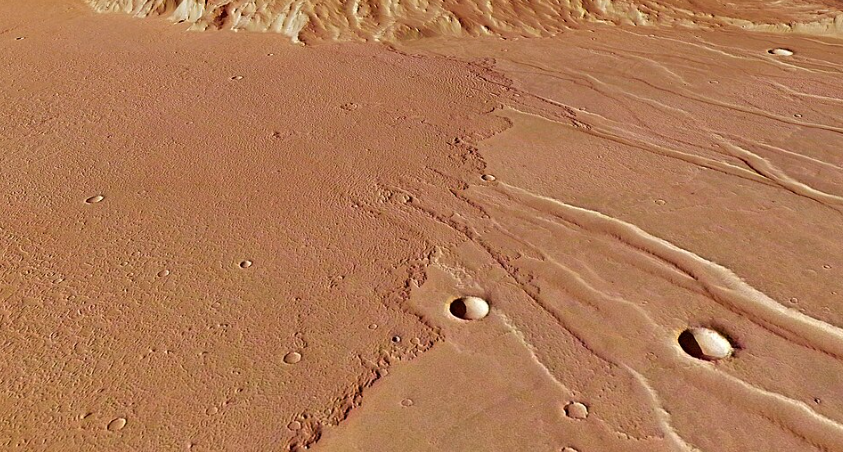
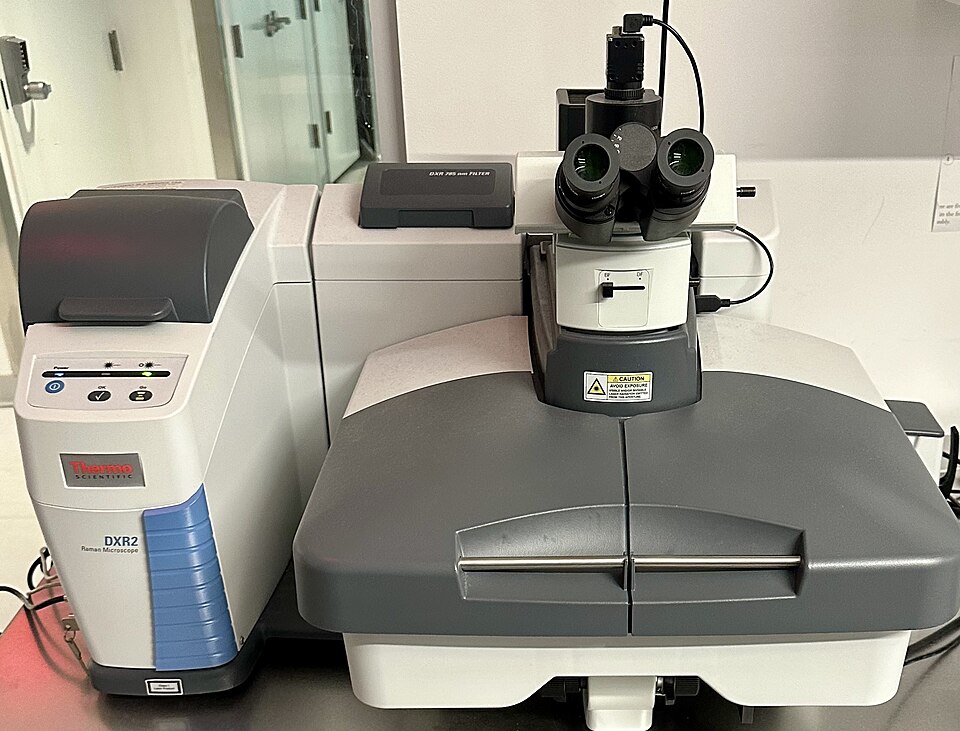
The Bright Angel outcrops are situated along Neretva Vallis, an ancient river channel feeding Jezero Crater. Sedimentological data point to deposition from liquid water under habitable conditions. PIXL micro‑XRF mapping indicates that the mudstone contains very high levels of silica and aluminosilicate clays at grain sizes below 110 μm. An intense ~1,600 cm⁻¹ G band, consistent with organic matter, was detected in some targets by SHERLOC Raman spectroscopy. Importantly, there is no indication of metamorphic recrystallization, ensuring delicate mineral-organic associations are preserved.
2. The Leopard‑Spot Reaction Fronts
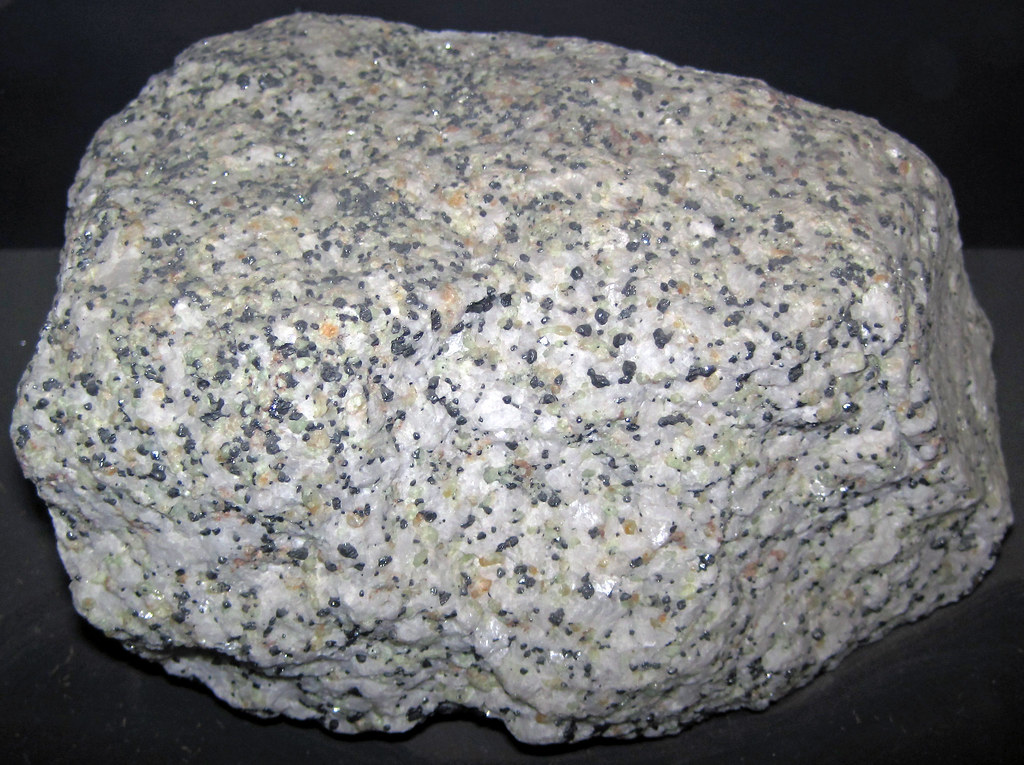
PIXL showed that at Cheyava Falls, the rims of Fe‑phosphate minerals are surrounding cores that were enriched in Fe‑sulfide, Ni, and Zn. The Fe:S ratio (~3:4) matches that for greigite, a mineral that, on Earth, generally co‑occurs with vivianite in microbial habitats. The shapes are irregular, and the distribution is not layered, suggesting in situ chemical precipitation, rather than grains transported by fluids. The inverse relation between vivianite/greigite abundance and the oxidation state parallels terrestrial “reduction halos” associated with microbial metabolism.
3. Instrumentation Behind the Discovery
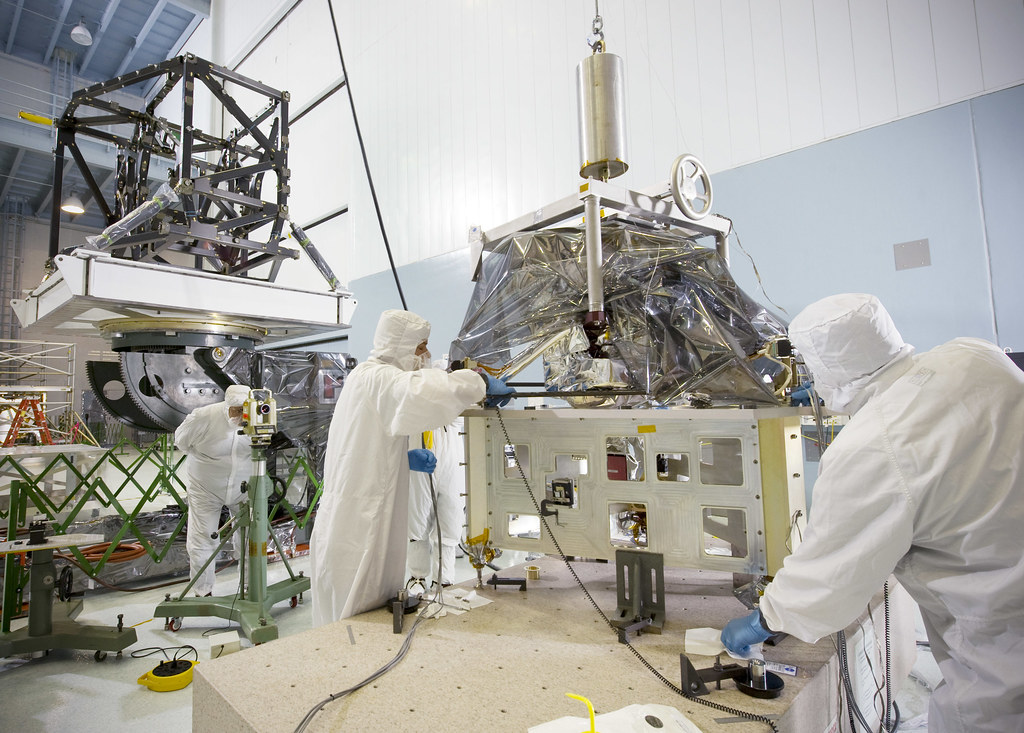
Perseverance searches for biosignatures based on SHERLOC, Scanning Habitable Environments with Raman & Luminescence for Organics and Chemicals, performing organic and mineral detection, abetted by WATSON imaging for microtextures. The Planetary Instrument for X-ray Lithochemistry, PIXL, mapped elemental composition at sub-millimeter resolution, which elucidated subtle chemical gradients across reaction fronts. These combined instruments pinpointed mineralogical and chemical fingerprints that made Bright Angel unique.
4. Abiotic Versus Biological Origins
Abiotic pathways to Fe‑phosphate and Fe‑sulfide minerals may involve low‑temperature sedimentary diagenesis, using organic matter either from abiotic synthesis or exogenic delivery as a reductant however, rates of abiotic sulfate reduction are very low at temperatures < 150 °C, and there is no evidence for nearby hydrothermal systems. In the biological case, microbially driven iron and sulfate reduction utilize organic carbon as an energy source, precipitating vivianite and greigite as metabolic by‑products.

5. Early Mars Habitability Window
Geochemical modeling and detections of carbonates elsewhere on Jezero suggest that post‑3.5 Ga Mars had episodic lakes and oases maintained either by snowmelt or upwelling of groundwater. An environment with such conditions, together with abundant salt and sedimentary basins, could support life in the form of anaerobic chemotrophs similar to those constituting early Earth’s microbial communities. The relatively youthful age of the Bright Angel formation argues that biosignatures are not restricted to the oldest terrains.
6. Lessons from Terrestrial Analogs
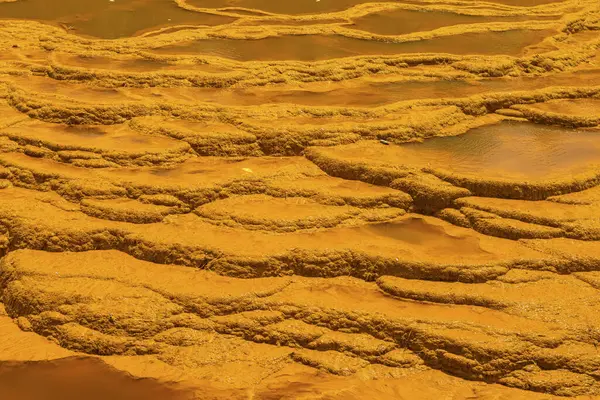
Analogous studies of Chile’s Puquios lakes demonstrate that microbial mats can produce magnesium-rich clays that eventually nucleate carbonates, serving to preserve microbial textures for billions of years. The stepwise mineralization-from organic “goo” through clays to carbonates-recorded on Earth finds its Martian analogs in the Fe-phosphate and Fe-sulfide associations, each providing a different preservation pathway for biosignatures under extreme conditions.
7. Isotopic and Mineralogical Clues
Vivianite nodules form on Earth both in freshwater sediments and marine sediments as a product of microbial iron reduction, often with greigite forming from microbial sulfate reduction. Co-location in Bright Angel, along with organic Raman signals, matches this signature. Isotopic measurements on samples to be returned may uncover diagnostic fractionations akin to biological activity, as machine learning recently did to discriminate biogenic from abiogenic molecular ensembles in Paleoarchean rocks on Earth.
8. Roadmap to Sample Return:
The core from Bright Angel in Sapphire Canyon is one of 27 samples that Perseverance cached for eventual return to Earth. Laboratory analyses will enable nanometer‑scale imaging, isotopic measurements, and organic molecular characterization beyond the capability of the rover. These studies could confirm whether leopard‑spot textures are the product of ancient Martian microbes or rare abiotic chemistry.
The interplay between mineralogy, chemistry, and preserved organic signals makes Jezero’s Bright Angel formation a compelling target in the search for life beyond Earth. Be they relics of microbial metabolism or products of unusual geochemistry, these leopard‑spot rocks expand the bounds of where and when Mars might have been habitable.


