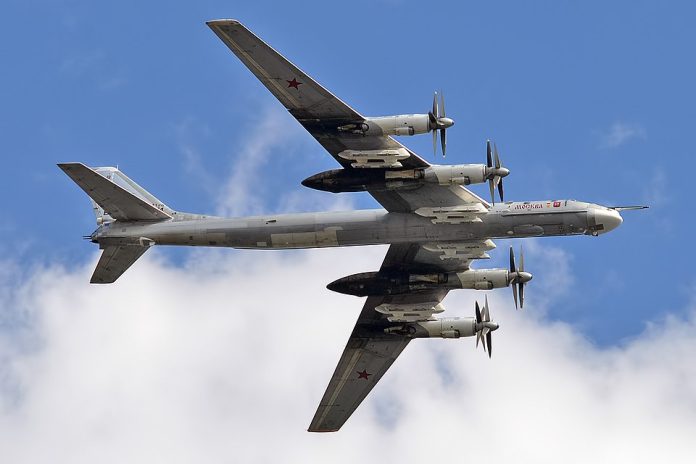
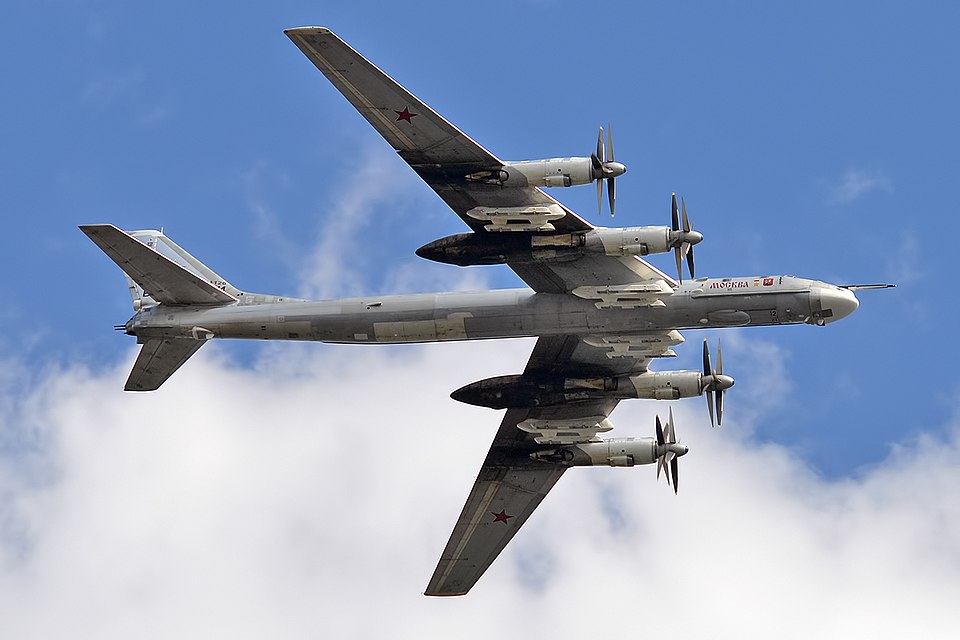
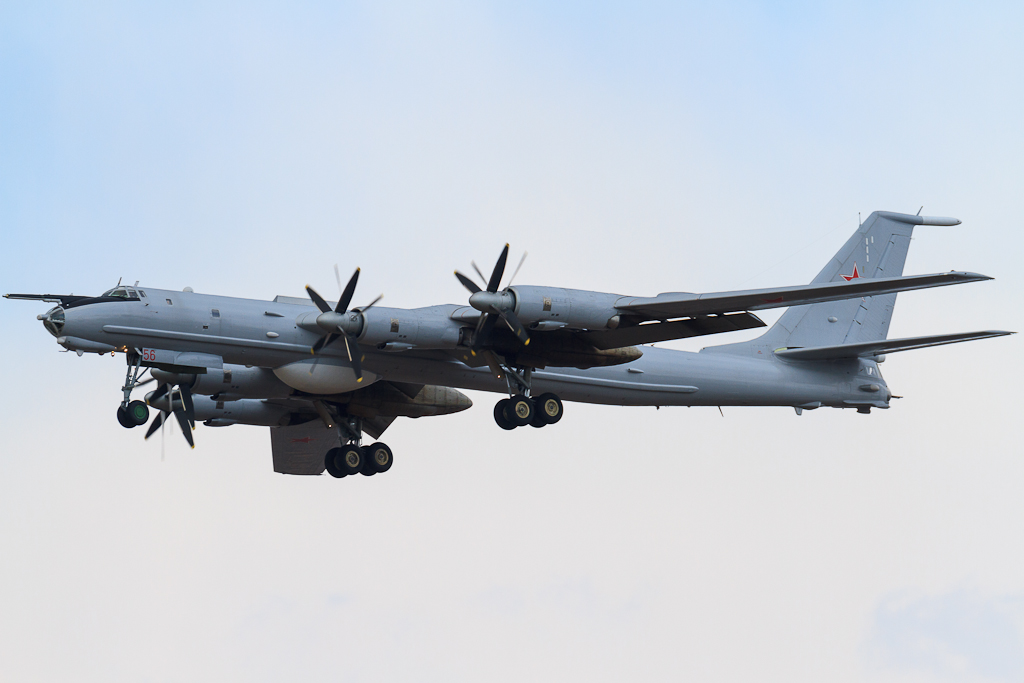
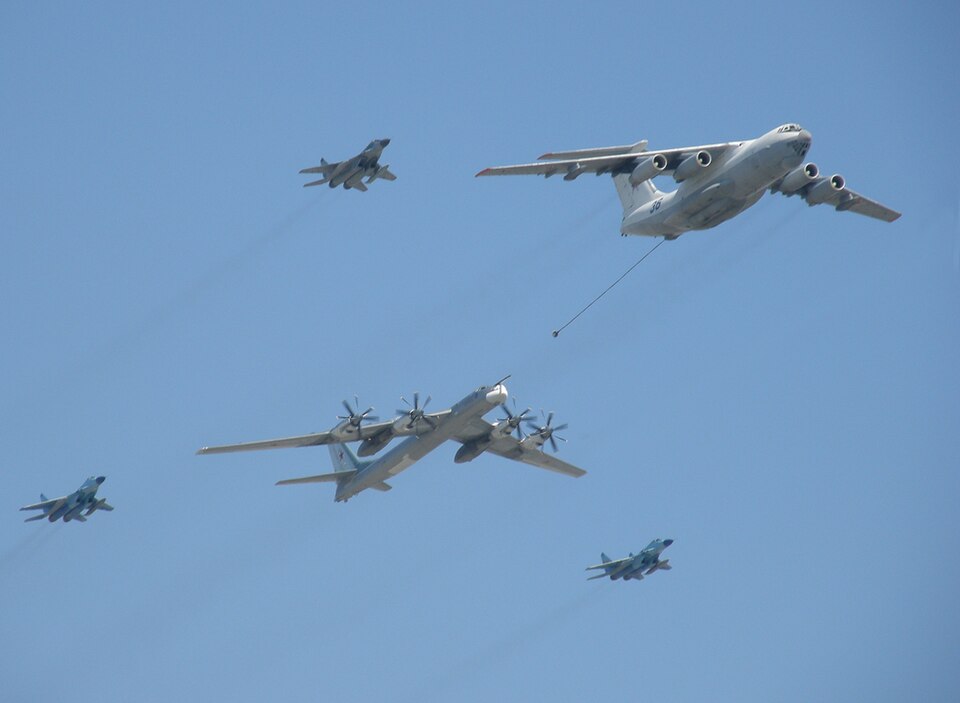
It’s a rare day that a bomber from the 1950s forces a rethink of air warfare for the modern age. And yet, one otherwise unobtrusive Russian decision to shift its Tu-95MS fleet from its longtime launch hub to some undisclosed airfield has done just that. Spotted by open-source analysts, this move isn’t about changing scenery it’s about shaving off crucial minutes in missile flying time toward Ukraine.
This relocation came in the shadow of Ukraine’s audacious Operation Spiderweb, a deep-strike drone campaign that crippled Russian long-range aviation assets across multiple time zones. The strategic calculus has now changed on both sides, with bombers flying from a location closer to Ukrainian airspace. The following nine developments show how that single change fits into a broader transformation of the Russia‑Ukraine air war.
1. The 30-Minute Flight Time Advantage
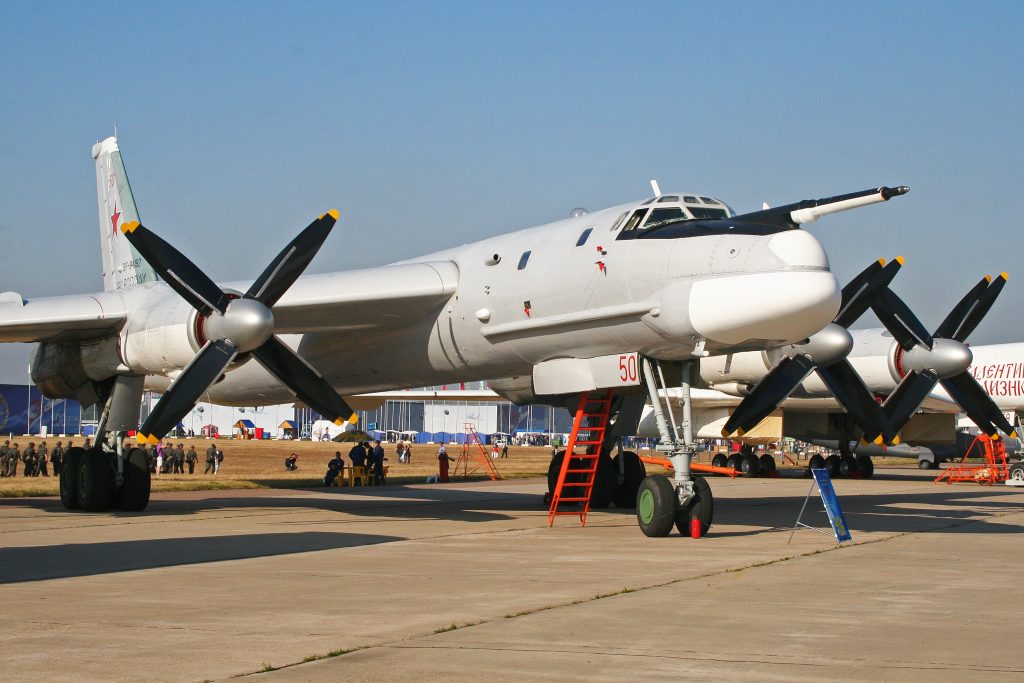
According to the open-source group Tracking, the Tu-95MS bombers that participated in Russia’s missile strikes on October 30 and November 19 took off from an airfield that has not been identified to date, not from Olenya. That reduces the time it takes missiles to reach Ukrainian airspace by about 30 minutes down to about two hours and thirty minutes. That is a major reduction of response windows for Ukraine’s early warning systems, especially for civilians depending on mobile alerts and sirens to take cover before impact.
2. Abandonment of Olenya as a launch site
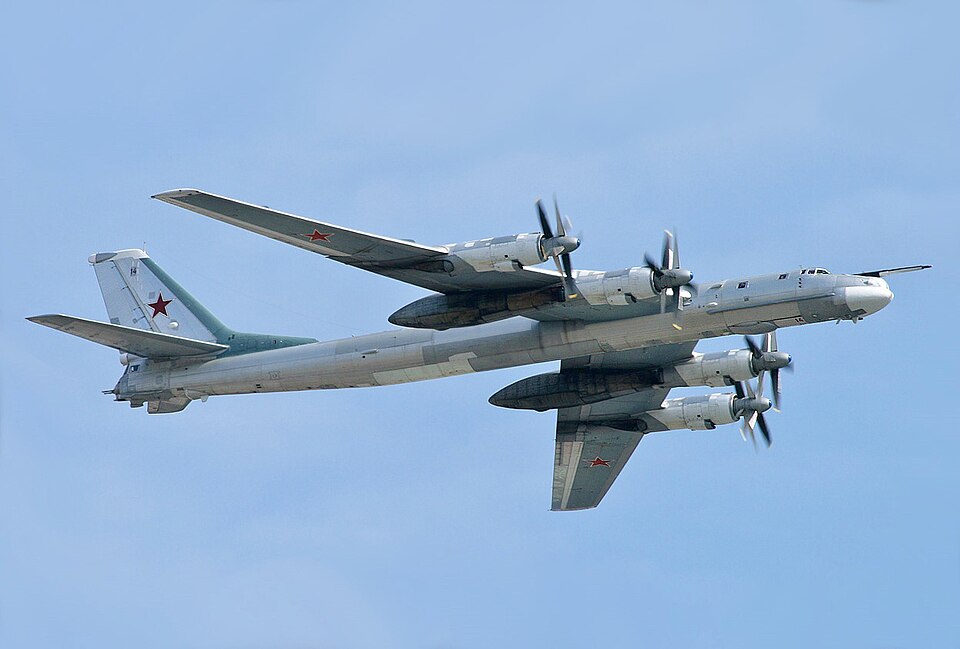
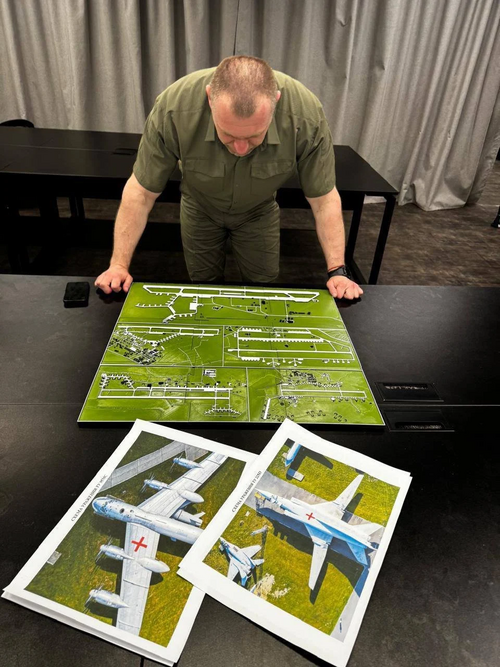
For most of the post-Cold War period, Olenya Air Base in Murmansk Oblast was one of the anchors of Russia’s long-range strike capability its Arctic remoteness was assumed to offer it natural cover from Ukrainian strikes. That illusion came crashing after Operation Spiderweb hit Olenya and other bases, taking a toll on Tu-95s and Tu-22M3s. The shift away from Olenya suggests Moscow is now prioritizing dispersal and camouflage over the traditional reliance on fortified, deep-rear bases.
3. Operation Spiderweb Strategic Shock
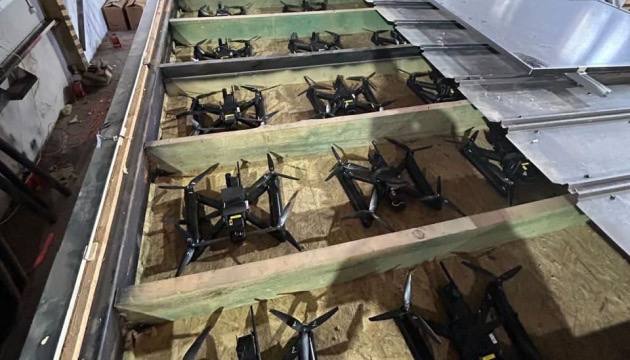
Spiderweb took 18 months to plan, in which the SBU smuggled 117 FPV drones into Russia and flew them from camouflaged civilian trucks. Over 40 aircraft were damaged or destroyed, including nuclear-capable bombers and A-50 AWACS platforms. NATO Admiral Pierre Vandier characterized the mission as a “modern ‘Trojan Horse'”, underlining that such deep-penetration drone tactics can cut through layered defenses and impose disproportionate costs on an adversary.
4. AI-enhanced drone targeting
SBU integrated ArduPilot-based autopilot systems with possible AI-assisted targeting. Structural profile training of the Tu-95, Tu-22M3, and A-50 would let the drones identify weak points themselves, such as underwing pylons or fuel seams. In doing so, precision strikes were made when the operator lost the signal due to Russian electronic warfare or on missions with pre-planned routes.
5. The Dispersal of Russia’s Strategic Aviation
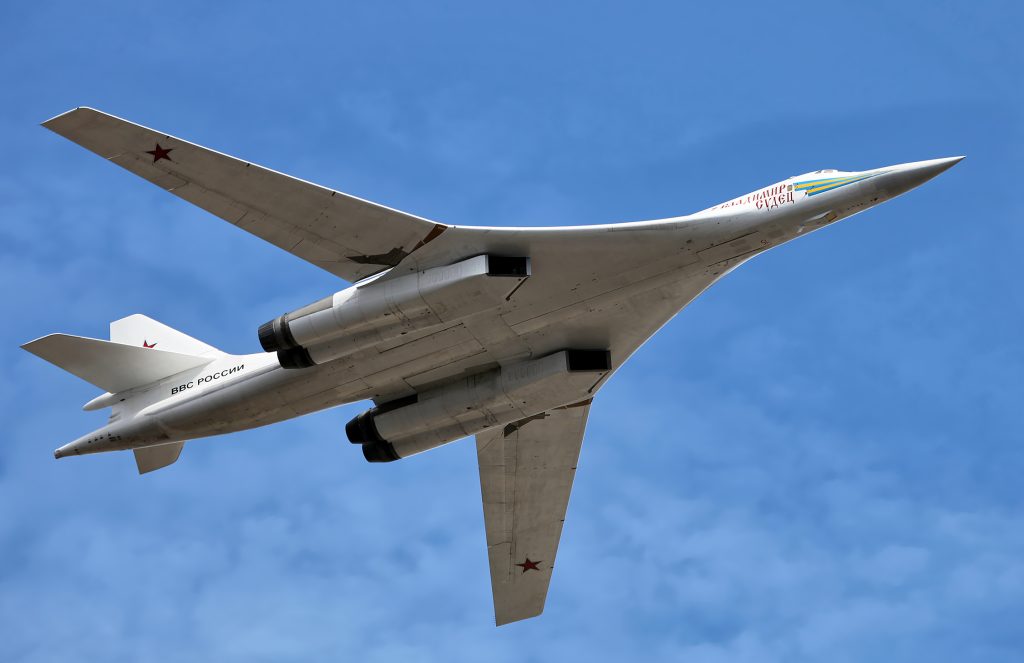
Since Spiderweb, Russian media and OSINT sources continued to report the redeployment of Tu-160s, Tu-22M3s, and Tu-95MS bombers to a range of bases including Anadyr, Yelizovo, Borisoglebskoye, Ukrainka, Engels-2, and Mozdok. Such dispersal reduces their vulnerability while complicating logistics, maintenance, and crew training all at the same time. It also thins out air defense resources since more sites need protection against repeat deep-strike operations.
6. Impact on Early Warning Systems in Ukraine
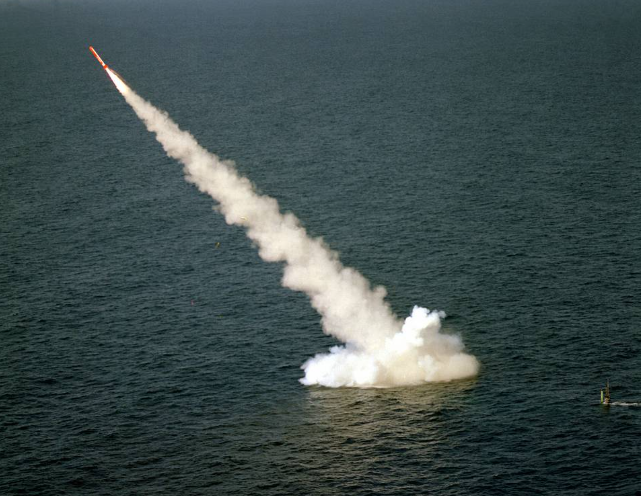
Ukraine’s integrated civilian warning system, including sirens, mobile phone applications, and real-time intelligence, would receive notice 4-6 hours in advance of the approach of cruise missiles launched by bombers. Moving the Tu-95s closer compresses that window and complicates the response for military and civilians alike. All things being equal, Ukrainians get an hour or so warning time when drones like Shaheds are used, a few minutes for ballistic missiles. Closer bomber launch points reduce warning times and increase the prospect for casualties and structural damage.

7. Lessons for Global Airbase Security
Spiderweb laid bare the vulnerability of high-value aircraft on open tarmacs: Russia’s lack of hardened shelters left billion-dollar assets exposed to <$3,000 drones. China’s investment in thousands of hardened aircraft shelters offers a sharp contrast. For the U.S. and NATO, the operation is a warning that forward-deployed and homeland bases face similar risks from low-cost, low-altitude threats.
8. Nuclear Signaling Risks
Operation Spiderweb crossed thresholds under the Russian nuclear doctrine that could justify escalation given the damage to a substantial portion of Russia’s nuclear-capable bomber fleet. Public Kremlin responses have been muted, but Deputy Foreign Minister Sergei Ryabkov warned of “asymmetrical” measures when strategic infrastructure is hit. Relocation of bombers may in part be aimed at preserving nuclear deterrent credibility.
9. The Air Littoral as a New Battleground
Military analysts refer to the “air littoral” as the zone of low altitude where drones operate beyond infantry reach yet beneath the coverage of traditional radar. Spiderweb took advantage of that zone, launching drones from within 20 km of runways, bypassing most defenses. The relocation of the Tu-95 reflects a Russian recognition that the air littoral is now a contested space and counter-drone measures must be taken along with traditional air defense.
The quiet repositioning of Tu-95MS bombers by Russia to an unspecified airfield is more than a logistical footnote rather, it is a response taken with regard to those vulnerabilities identified within Ukraine’s deep-strike drone campaign. Reduced flight time for the missiles compresses Ukraine’s defensive timeline, whereas the dispersal of strategic aviation reshapes the operational map. To military planners around the world, the episode served to reinforce one thing: in the age of AI-guided drones and contested air littorals, no base is really beyond reach.


