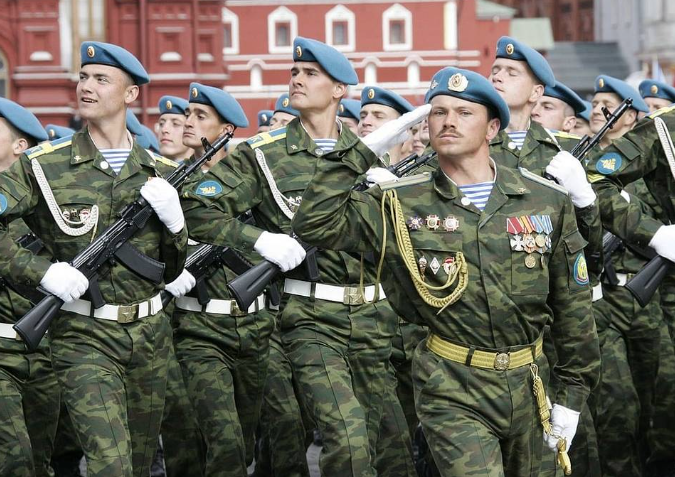
What happens when a war economy runs out of cash to pay for its own soldiers? That question has just moved from theory into reality in Russia’s Far East. On local television, the finance minister of Yakutia-a region thousands of miles from Moscow-confessed that bonuses for contract soldiers had been suspended because the regional budget couldn’t cope. The pledge that “funds have been found” did little to mask the deeper fiscal fault lines now visible across the Russian Federation.
It’s not an isolated hiccup; it’s one symptom of the broader squeeze in which regional treasuries, federal coffers, and the Kremlin’s grand promises to its troops collide with the hard limits of revenue and debt. From slashed enlistment bonuses to collapsing oil receipts, everything suggests that the financial underpinning for Russia’s war in Ukraine is fraying. The nine developments below outline how those pressures are converging and why they matter for the trajectory of the conflict.
1. Yakutia Halts Troop Bonuses Over Budget Shortage
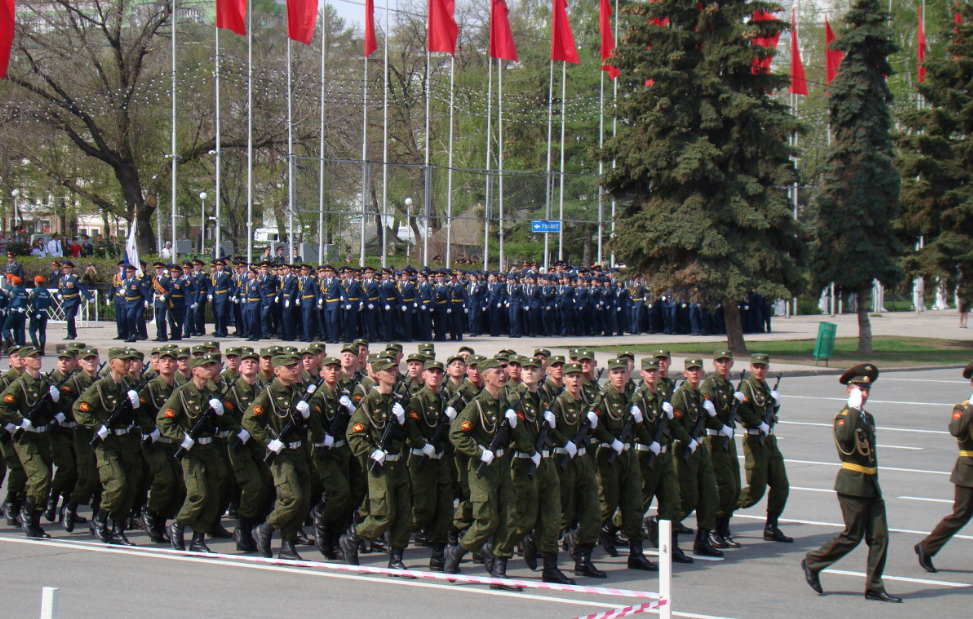
In an unusually candid public admission, Yakutia’s Finance Minister Ivan Alekseev told the local broadcaster Yakutsk Online that it had to stop paying the contract soldiers because it could not forecast demand or cover its liabilities. The previous pledge by Yakutia was up to 2.6 million rubles per recruit, with the lion’s share of 1.8 million coming from its own budget. That generosity is now unaffordable. Alekseev insisted all payments would be made eventually, but the pause underlines how even resource-rich regions are straining under war costs.
2. Regional Cuts to Recruitment Incentives Spread
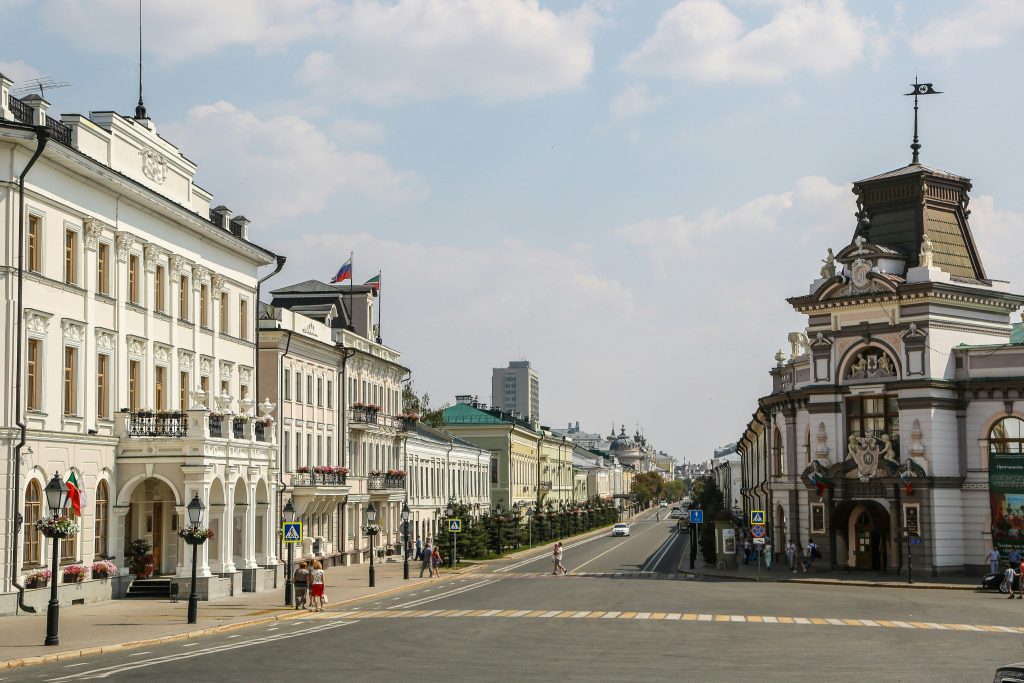
It is not the only one: Since October, at least four federal subjects have cut bonuses from more than two million to the federal minimum of 400,000 rubles. These include Tatarstan, Chuvashia, Mari El, and Samara. Similar reports have come in from Belgorod and Yamal-Nenets. In Tatarstan, it was a reduction of more than sixfold. As researcher Maria Vyushkova noted, “regional budgets aren’t bottomless.” The cuts suggest the local treasuries can no longer sustain the bidding war for manpower.

3. Poorer regions bear the brunt of casualties
Heavy losses increase that financial squeeze. High casualty rates among the indigenous peoples, including the Yakuts, Evenki and Evens, mean that recruiting centres in Yakutia are failing to fill 40% of their quotas, according to Ukrainian intelligence. More than 3,500 deaths have been independently confirmed in Buryatia, a region with less than one million residents. The casualty rate there-20.48 per 10,000 working-age men-is nearly double the rate of the next highest region, Tyva. These losses erode both the labour force and the will to enlist.
4. Coercion Replaces Cash in Recruitment Tactics
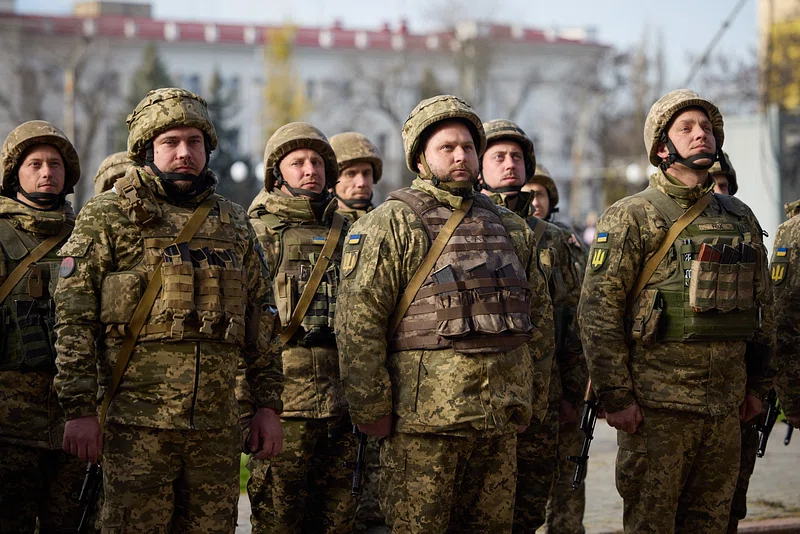
Some of these methods have started to become frankly coercive now that the bonuses are dwindling. Vyushkova reported several documented cases where men have been charged with some minor legal infractions, then being made to sign contracts under threats of the maximum penalty; judges and state-appointed lawyers allegedly collude in extrajudicial arrangements. Alternatively, lowering the advertised payment could be a ploy to get them through the door after which they would be made to sign inside enlistment offices.

5. Federal Finances Under Sanctions Pressure
Fiscal stress isn’t confined to the regions, either: Russia’s federal budget deficit came in at around 4.879 trillion rubles for January–July 2025-a figure equivalent to 2.2% of GDP and significantly higher than preliminary estimates. Oil tax revenues, meantime, were 34% lower in July than a year earlier, the weakest since the early parts of 2023 when tighter price caps went into effect. For the first half, the consolidated deficit of regional and state funds topped 4.95 trillion rubles, or a level that undermines resilience and requires painful choices in terms of expenditure.

6. Persistent Gaps with Limited Borrowing Opportunities
With a seventh consecutive year of large federal deficits, Russia is on course for its longest such stretch since the 1990s. Unlike many deficit-running economies, Moscow cannot freely borrow abroad; even China will not lend to the government. Domestic borrowing at high interest rates is expensive: debt-servicing costs now match market takings. Financial reserves are dwindling, and the budget-planning oil price of $58 a barrel in 2025 seems optimistic, given that Urals crude has traded below $47.60.
7. Rising Military Spending With No Lasting Asset
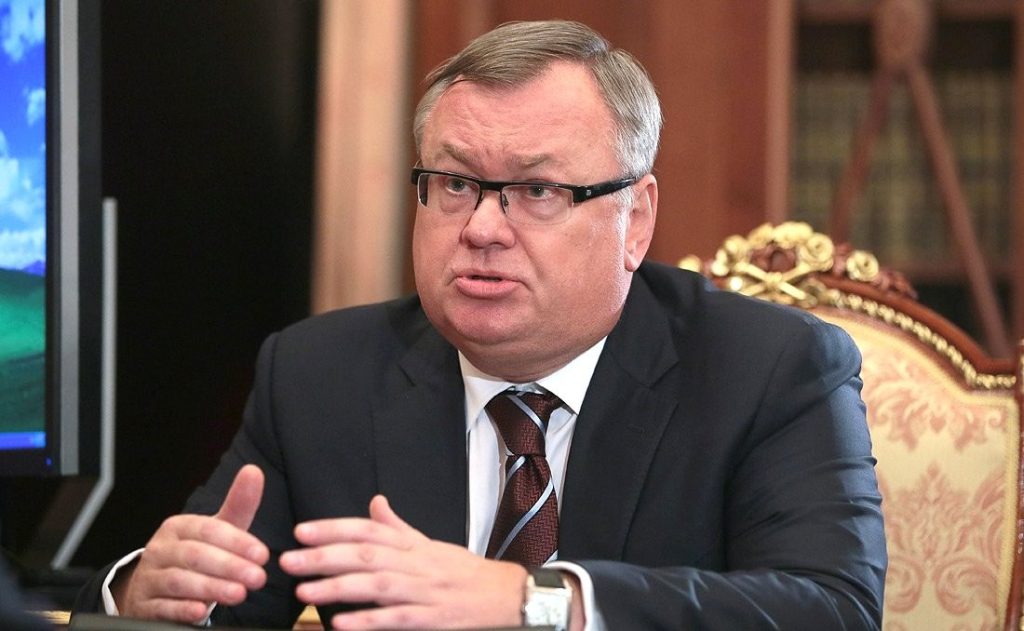
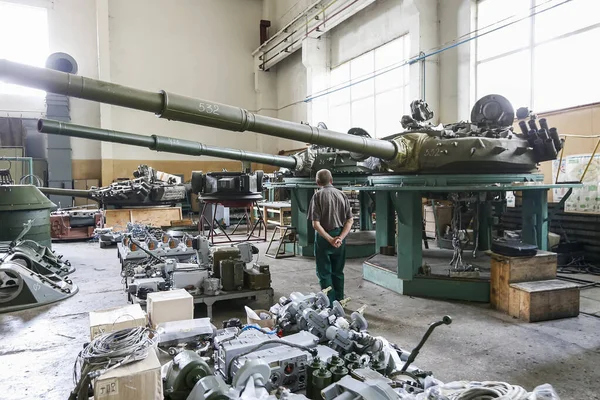
Military outlays now consume nearly 40 percent of the federal budget, or about 8 percent of GDP when domestic security is included. Factories run around the clock refurbishing Soviet-era equipment and producing drones, but defence-industrial capacity plateaued by 2024. As one banker, Andrey Kostin of VTB, summed it up: “high military expenditures don’t generate products that reach the market they are just flying off somewhere.” Production is designed to be destroyed, keeping activity going but creating no lasting assets.
8. Labour Shortages and Demographic Strain
By the end of 2024, Russian companies were short 2.2 million workers, and 70% of businesses reported labor shortages. Defense production draws workers away from , and strict migration policy limits relief. Battlefield casualties have taken hundreds of thousands of working-age men out of the workforce, and demographic aging will exacerbate the squeeze. Contract soldiers are about 0.5% of the workforce, and many will require retraining and medical care after the war.

9. Sanctions and Oil Price Caps Bite Deeper
Western measures are eroding revenue streams. The possible application of secondary sanctions on intermediaries, insurers, and banks working with Russian oil might further complicate logistics and financing. The price cap on Urals crude has already cut foreign currency inflows, forcing the use of the National Wealth Fund. Liquid assets in that fund declined from $113.5 billion prewar to $36 billion in June 2025 and could be depleted by 2026, narrowing Moscow’s fiscal options. The freezing of troop bonuses in Yakutia is more than a local embarrassment; it is an indicator that from both ends, the Kremlin’s model for financing the war is reaching a breaking point.
Regional budgets are faltering, federal deficits are entrenched, and the economic machinery sustaining the war runs at or near its limits. For Russia’s leadership, the decision between military momentum and domestic stability is growing increasingly difficult to dodge. To those keeping a scorecard on how this conflict is trending, these fiscal stress points will prove as decisive as events on the battlefield.


