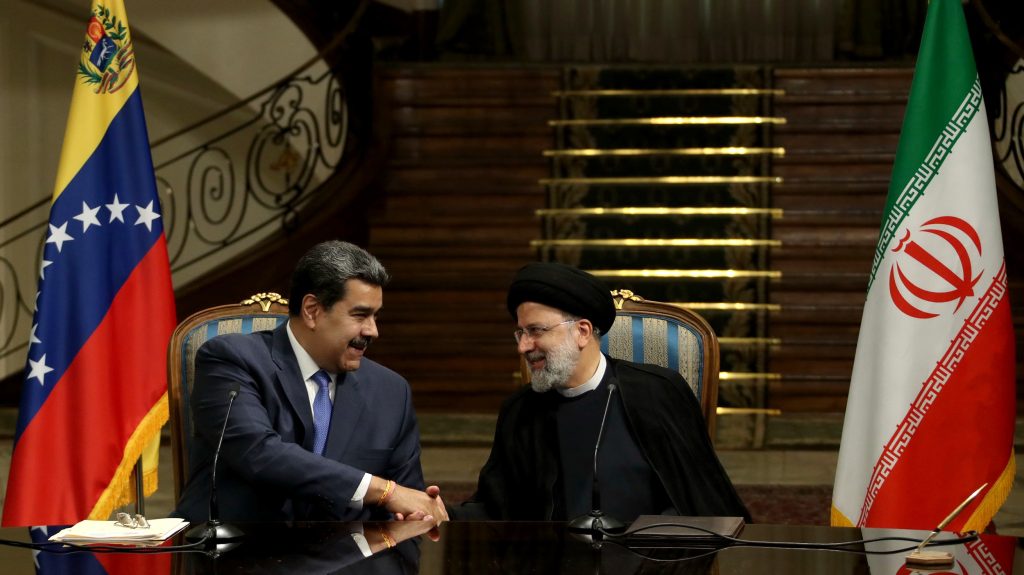
What happens when the world’s leading state sponsor of terrorism embeds itself deep in the Western Hemisphere? That question is no longer theoretical. Iran’s expanding partnership with Venezuela has moved beyond rhetoric into a network of military, criminal, and intelligence ties that challenge U.S. national security in ways unseen since the Cold War. This is not a distant problem; it is unfolding within striking distance of American shores.
Over the last two years, Tehran and Caracas have cemented their axis through arms transfers, covert operations, and mutual hostility toward Washington. The product is a dangerous nexus: Venezuela’s entrenched criminal networks now tie into Iran’s global militant apparatus, extending both regimes’ reach. Analysts warn the nexus could become a launchpad for destabilizing activity throughout Latin America and into the US homeland. To put the volatile axis in context, here are ten key developments that have taken shape.
1. Iranian Military Digging In in Venezuela
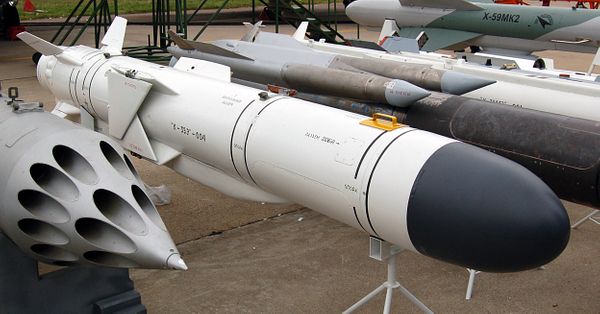
The IRGC has taken more concrete steps to establish a presence in Venezuela, marked by the presence of Quds Force operatives and military advisers. Tehran outsourced the production of the Mohajer-6 drone to Venezuelan facilities and equipped the security apparatus there with Peykaap speedboats armed with anti-ship missiles. These assets, positioned near contested maritime zones, are an immediate threat to Caribbean security. The June 2022 detention in Argentina of a Venezuelan cargo plane transporting ex-IRGC personnel underlined the depth of operational cooperation.
2. Venezuelan Requests for Advanced Iranian Weaponry
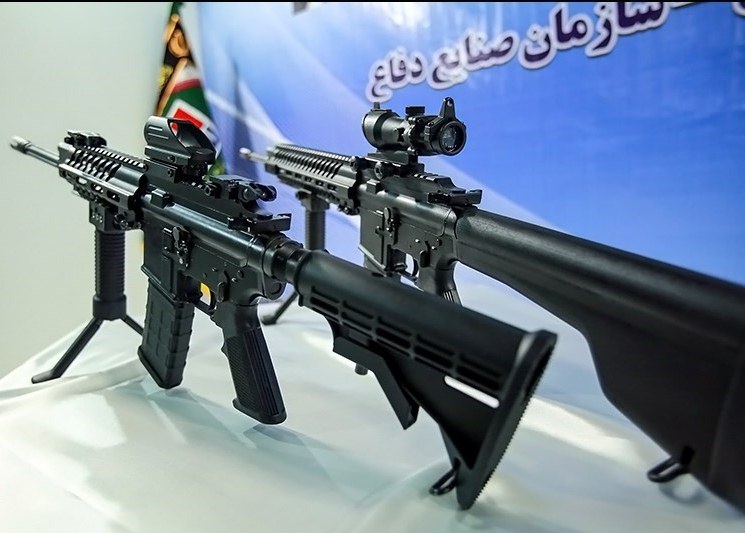
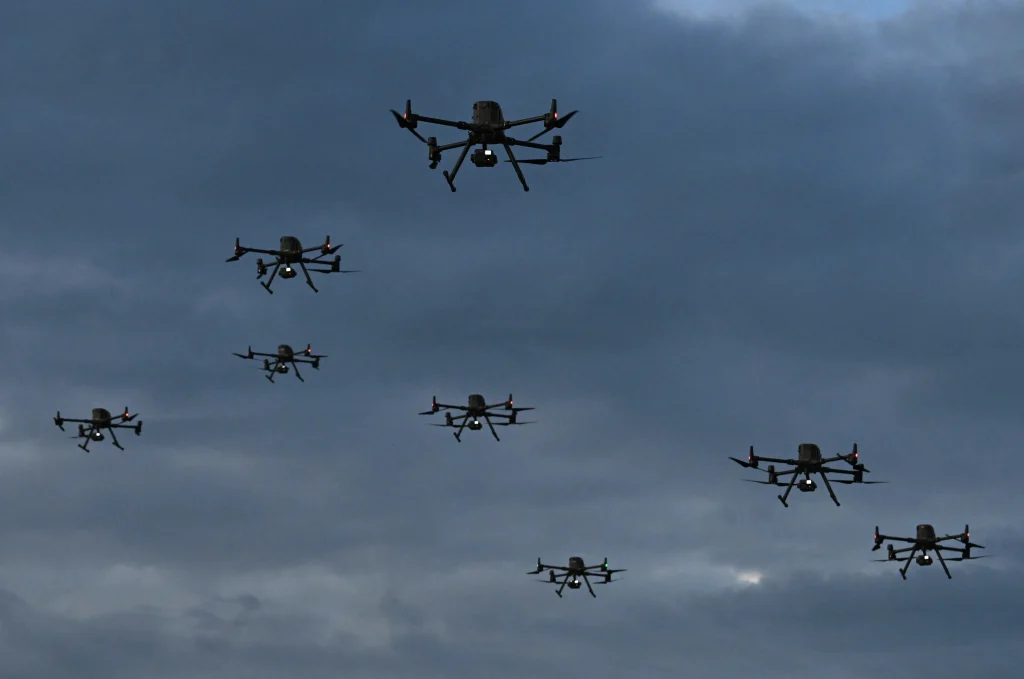
These included internal U.S. documents revealing that Caracas has recently requested from Tehran drones with a 1,000 km range, GPS jamming devices, and passive detection systems. The request was coordinated by Venezuelan Transport Minister Ramon Velasquez, who met Iranian defense officials in late 2024. With Iran having lost at least 950 drones during the Israel Iran War, its capacity for delivery is uncertain but its readiness to continue military cooperation was reaffirmed by Foreign Ministry spokesperson Esmail Baghaei as of 3rd November.
3. The Cartel de los Soles Terrorist Designation
Labeling the Cartel de los Soles a Foreign Terrorist Organization is a strategic escalation on the part of Washington. “It brings a whole bunch of new options to the United States,” said U.S. Defense Secretary Pete Hegseth. Not a cartel in the classic sense, the term describes networks of Venezuelan military and officials who traffic in drugs, illegal mining, and smuggling. This designation provides legal cover for targeting Maduro’s assets and infrastructure.
4. Covert Operations and Military Buildup
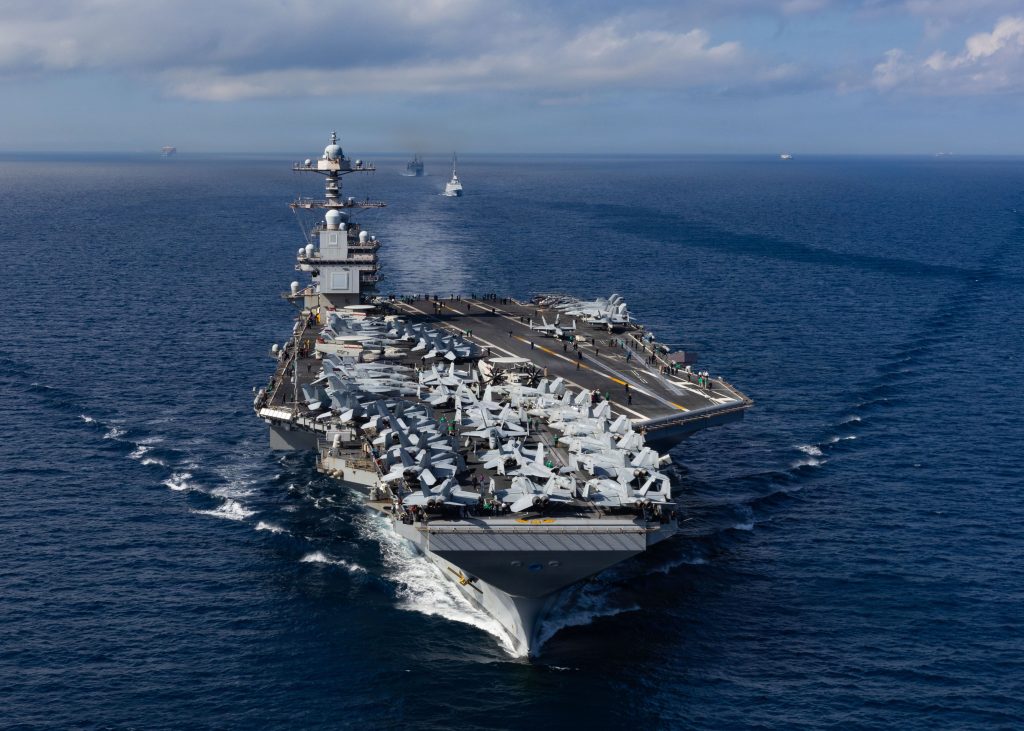
US officials announced the initiation of a “new phase” of operations against Venezuela, which almost certainly would be preceded by covert action. The deployment of the USS Gerald R. Ford carrier strike group, amphibious assault ships, and advanced fighter jets has created the largest U.S. military presence in the Caribbean since 1989. While officially framed as counter-narcotics, the assembled firepower far exceeds that mission’s requirements, signaling readiness for broader intervention.

5. Hezbollah’s Growing Reach
Embedded within the Venezuelan security apparatus, Hezbollah operatives utilize the lawless environment to launder money and facilitate narcotics trafficking. That network extends directly into Hezbollah’s tri-border operations in Brazil, Paraguay, and Argentina, which produces extraordinary revenue for militant activities. History-the 1992 Israeli embassy bombing and 1994 AMIA attack in Buenos Aires-serves as a reminder of the lethal potential of Iranian-backed terrorism in Latin America.
6. Alliances with Colombian Rebel Groups
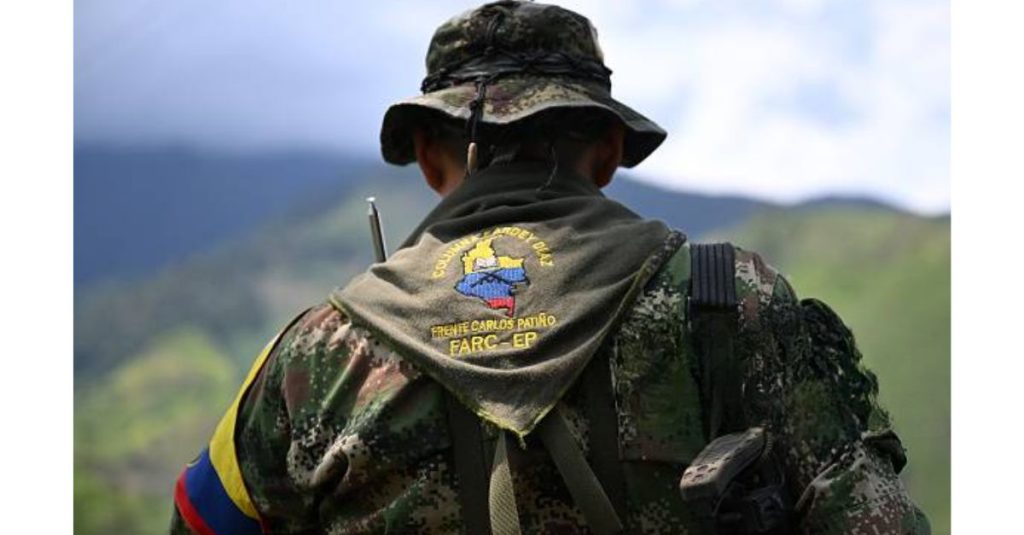
The Maduro regime supports strategic alliances with FARC dissidents and the National Liberation Army, both U.S.-designated terrorist organizations. These alliances entail safe havens, corridors of drug transit, and combined military operations. Having doubled in size since 2016, ELN now serves Maduro as a sort of Praetorian guard: it provides him with experts in guerrilla warfare and secures illicit mining operations that underpin regime finances.
7. Iran-Venezuela Economic Lifeline
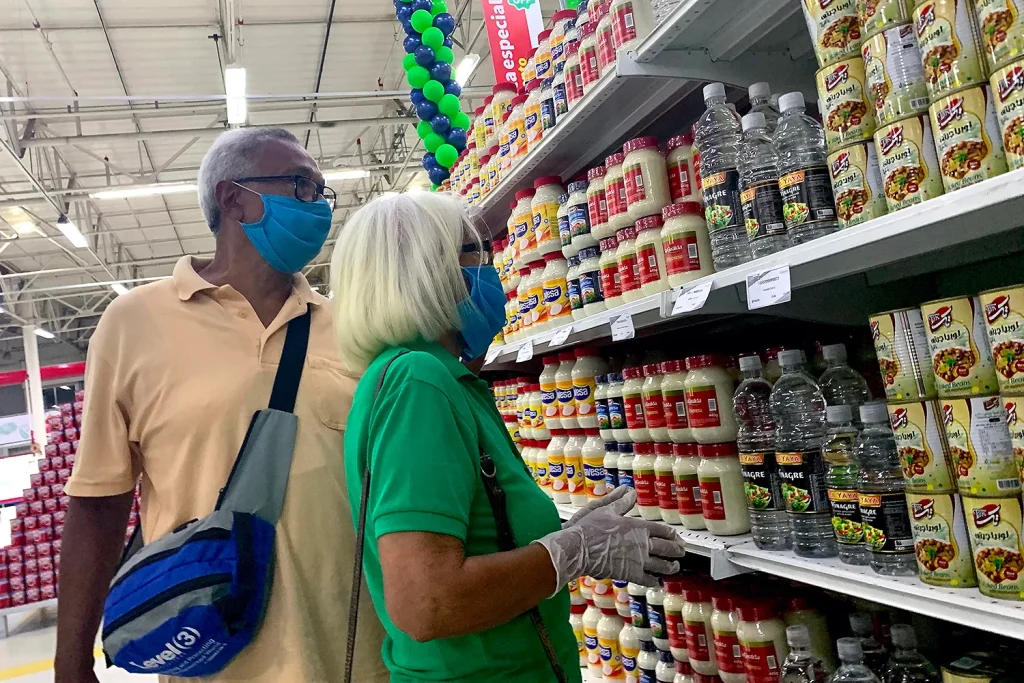
Aside from military ties, Tehran has gone all out to repair refineries and supply Venezuela with fuel when the latter is experiencing shortages. Both regimes will gain from these projects to keep their economies afloat in isolation and circumvent the US sanctions. The planned flights between Tehran, Damascus, and Caracas have raised suspicions of secretive arms and personnel transfers, possibly even uranium-a suspicion as old as the Hugo Chávez era.

8. Maritime and Border Security Risks
The proximity of U.S. Cooperative Security Locations in Aruba and Curaçao to Venezuelan shores places American assets within the reach of Iranian-supplied systems. Most Venezuelans live along the northern coast, and any military engagement is likely to affect dense civilian areas and have implications for operational planning. Iranian anti-ship missiles create increasing risks for both commercial and naval traffic in the region.
9. Human Rights Concerns Over U.S. Strikes
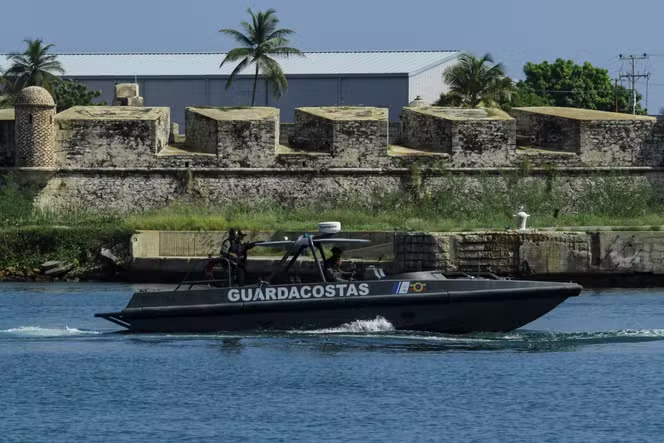
The U.S. military has carried out at least 21 strikes against suspected drug-smuggling vessels since September, killing 83 people. Human rights groups and some allies have denounced the killings as extrajudicial because no evidence has been made public. Survivors who returned to Ecuador and Colombia have not been charged, in a further critique of the legality of the campaign.
10. Strategic Implications for U.S. Homeland Security
The Tehran Caracas axis offers Iran and its proxies easier access to U.S. territory than any Middle Eastern base. Still, to this day, analysts warn of dormant cells possibly being activated to commit acts of sabotage or targeted attacks. Venezuelan criminal infrastructure mixed with Iranian military assets and a Hezbollah operational history presents a multidimensional threat that blurs the line separating state-sponsored terrorism from transnational organized crime.
The melding of Iranian military ambition and Venezuelan criminal governance continues to reshape the strategic landscape in the Americas. This blend of ideological convergence, illicit economies, and militant capability that this partnership embodies poses a multidimensional problem for U.S. policymakers. To confront it, there is a need for coordinated diplomatic, intelligence, and military strategies-and a recognition that the threat is not emerging but already here.


