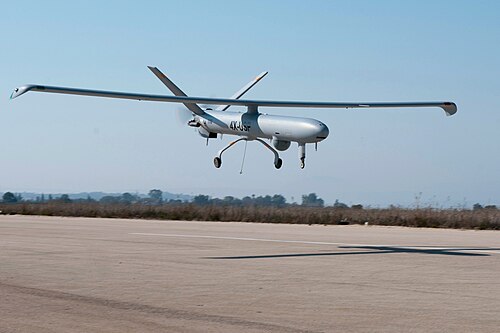
For decades, helicopters had been principally vulnerable to surface‑to‑air missiles, artillery, or adversary aircraft. Now, a relatively inexpensive, expendable drone had been shown capable of intercepting and destroying a rotary-wing platform in a manner far beyond any battlefield. The capability did more than challenge Russia’s operational assumptions; it signaled a broader doctrinal shift in Ukraine’s use of unmanned systems.
What follows is a breakdown of the most compelling aspects of this incident: the technology, tactics, and strategic context that make this incident significant for military observers tracking the Ukraine‑Russia War.
1. First Mid‑Air Kill by a Deep‑Strike Drone
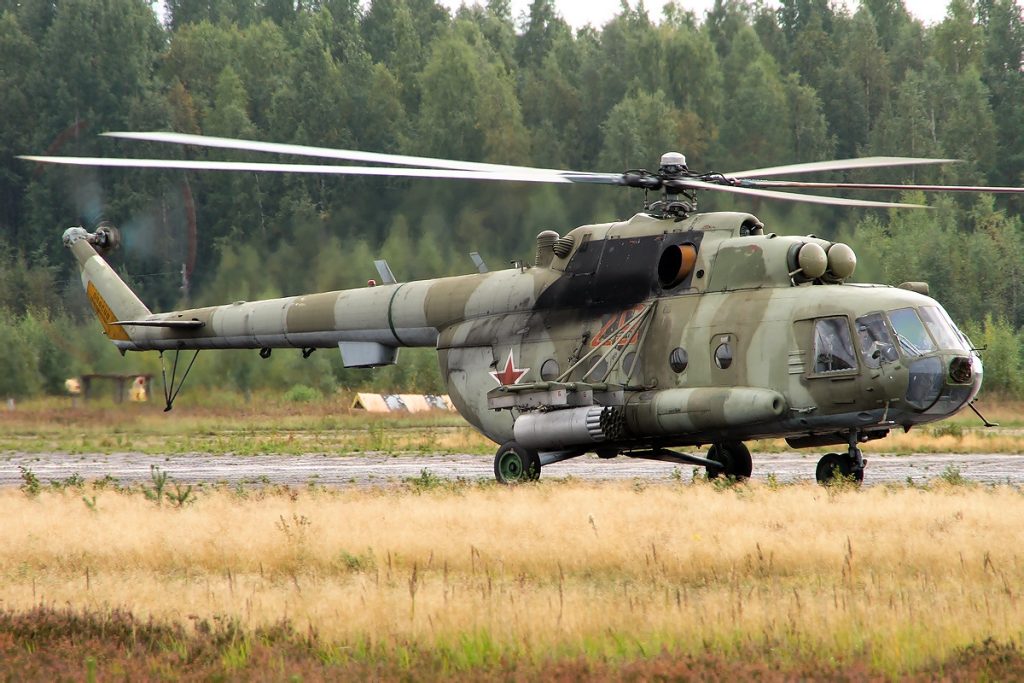
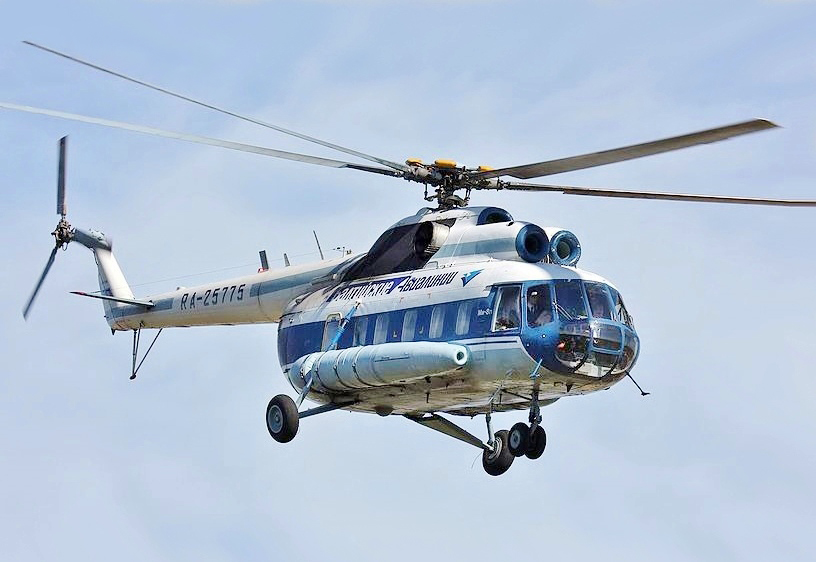
Special Operations Forces of Ukraine report the FP‑1 long‑range drone intercepted and destroyed a Russian Mi‑8 helicopter over Kuteynikovo in Rostov Oblast. The mission was said to be monitored by a second FP‑1, providing confirmation of the kill. The Mi‑8 was believed to be on an air‑defense sortie, tasked with intercepting Ukrainian drones a role Russian helicopters have increasingly taken in recent months. While UAVs have damaged helicopters before, this is the first documented case of a long‑range strike drone being used to hunt and kill a helicopter in flight.
2. Design and Capabilities of FP‑1
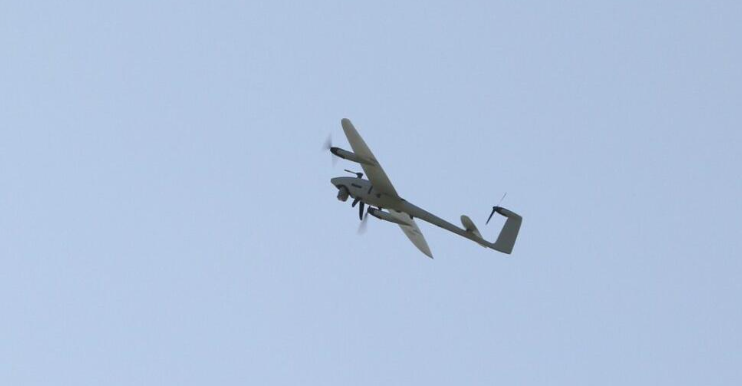
The FP‑1 is designed by the Ukrainian company Fire Point to conduct deep‑rear strikes at ranges approaching 1,600 kilometres, carrying a modular warhead of 60–120 kg, using guidance resistant to jamming, launching from a ramp with a solid‑fuel booster. It flies for very long distances with high precision, therefore it can hit moving targets-a very unusual feature for long-range drones. It is reportedly produced at a rate exceeding a hundred units per day, which should enable Ukraine to use FP‑1s in sustained campaigns rather than as individual strikes.
3. Tactical Evolution Beyond Static Targets
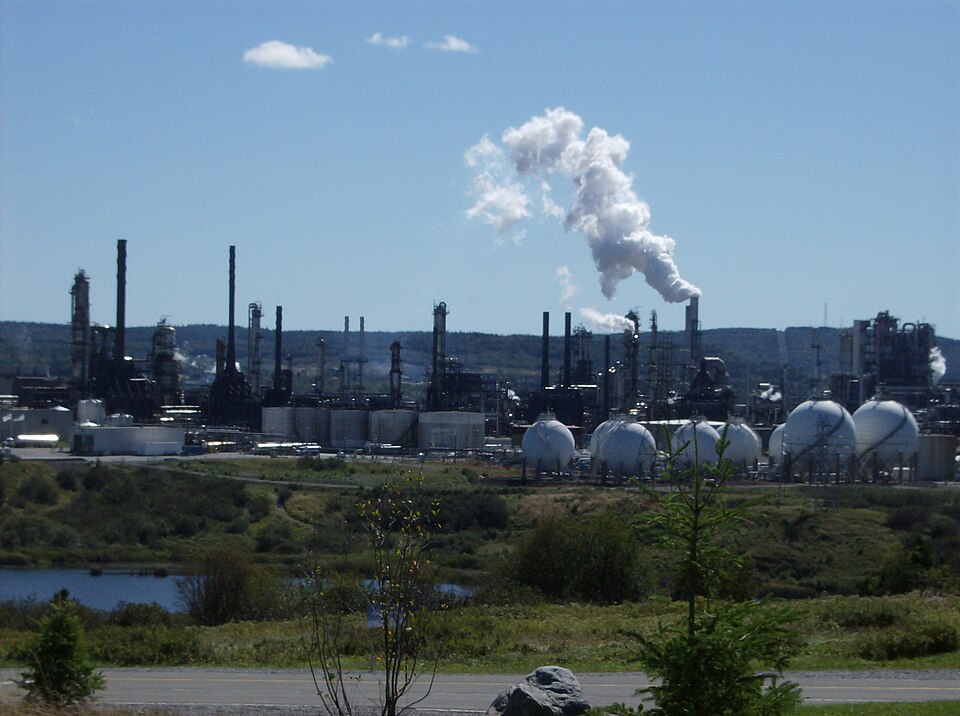
First used against oil refineries, depots, and command centers, the FP‑1 drones are currently being modified for dynamic targets. The Rostov strike is exemplary for the turn from a strategy based on just attempting to avoid air defenses toward one that actively pursues airborne threats. Ukrainian planners there set up and profiled the mission of the drone to reflect the trend in multi-domain integration of unmanned systems with special operations, artillery, and electronic warfare.
4. Russian Helicopters Under Pressure
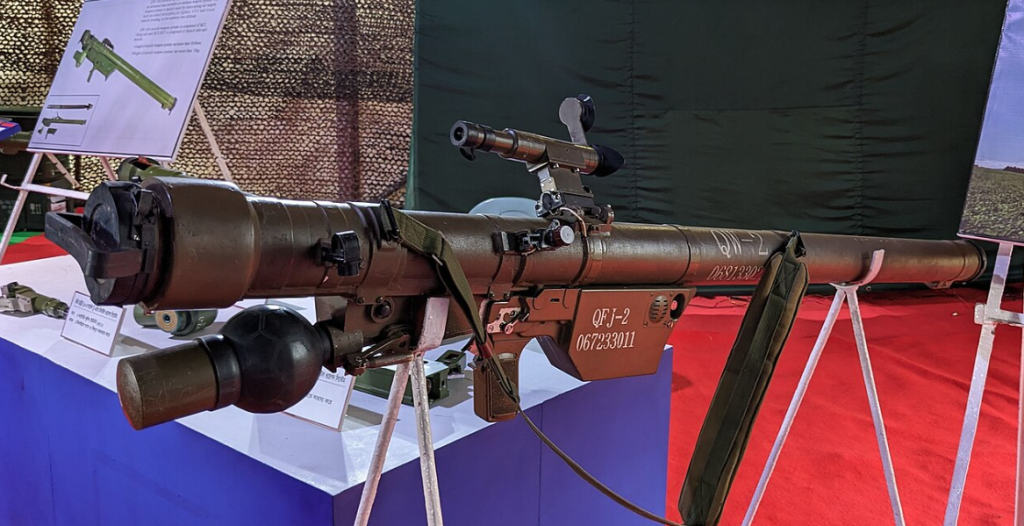
Russia’s fleet of Mi‑8s, developed during the 1960s, has become a workhorse for transport, combat support, and humanitarian missions. In this war they have been employed to engage Ukrainian drones, often escorted by attack helicopters. But attrition is increasing Ukraine claims Russia has lost 347 helicopters since February 2022. The new threat posed by long‑range drones adds to existing dangers from MANPADS, artillery, and air‑to‑air engagements, which force Russian crews to reassess flight patterns even in rear areas.
5. Lessons from Hostomel to Rostov
The failure of the 2022 Russian air assault to seize Hostomel Airport was a sobering demonstration of serious weaknesses in the operation of helicopters against integrated air defenses. As analysts such as Sash Tusa argue, modern sensor and missile technology is making air‑assault missions increasingly untenable. The Rostov incident extends that lesson: even helicopters operating far from front‑line MANPADS can now be reached by unmanned systems, eroding the concept of a safe operational depth.
6. Survivability Challenges for Rotary‑Wing Assets
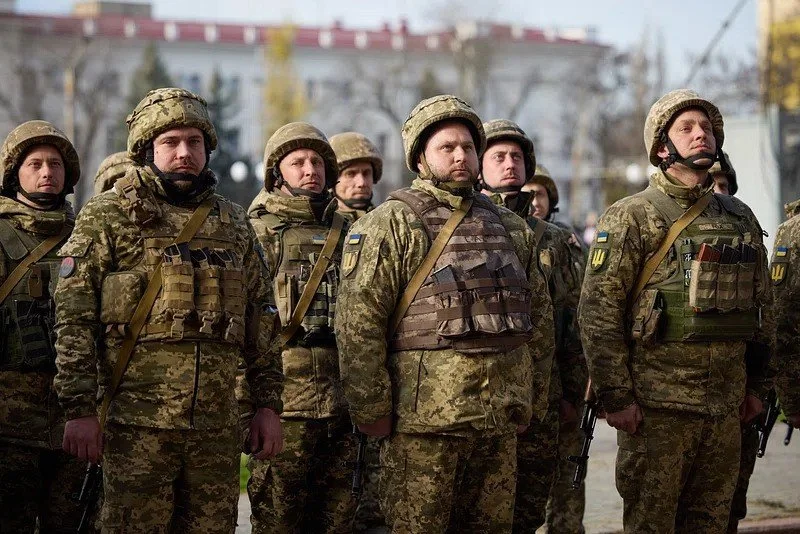
Neither the Russian nor the Ukrainian military currently possesses night-flying capabilities or advanced survivability suites comparable to those of the U.S. Retired AH-6 pilot Greg Coker says they lack “up-to-date aircraft survivability equipment or electronic-warfare technology and countermeasures.” Without such systems, helicopters must rely on terrain masking, speed, and unpredictable flight paths-tactics far less effective against drones with persistent tracking ability and long endurance.
7. FP‑1 Development Timeline
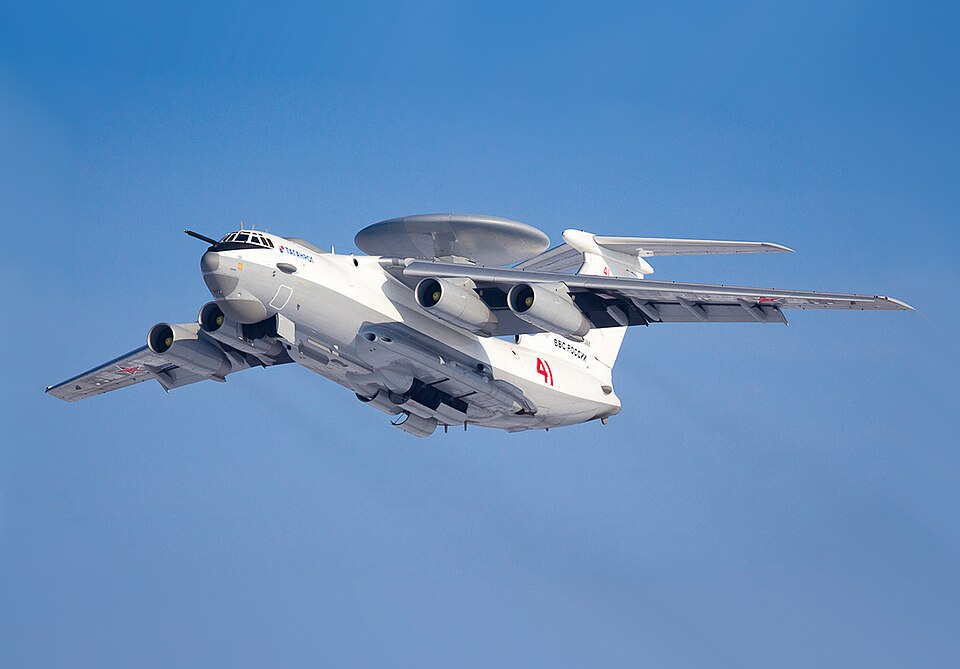
Fire Point started FP‑1 prototypes in late 2022, with flight trials completed by May 2023. Contracts followed in October, with the system already in mass use by 2024. Cooperation with Special Operations Forces further refined the navigation algorithms and employment concepts. High‑profile hits-including reported strikes on an A‑50 radar aircraft-boosted demand. Continuous daily test flights ensure that iterative improvements in navigation, anti-spoofing, and engine systems are made.
8. Russian Counter‑Drone Efforts and Risks
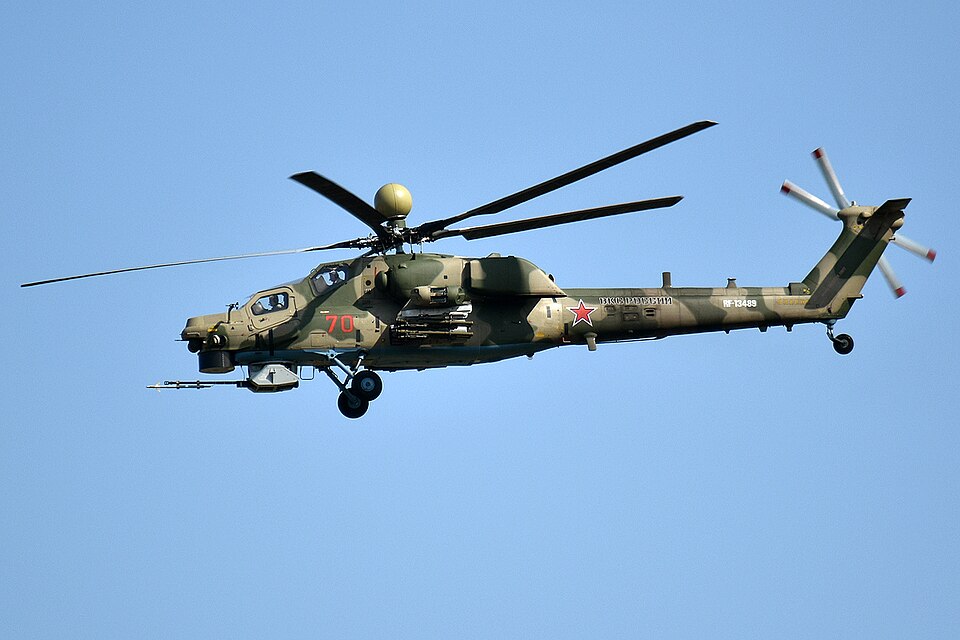
Russian attack helicopters, such as the Mi‑28, have sought to intercept Ukrainian UAVs, with occasional successes but also taking losses due to collisions, technical failures, and hostile fire. The Rostov strike does point to a situation in which interception missions themselves now carry heightened risk, potentially reducing Russia’s willingness to deploy helicopters for drone defense and force shifts toward ground‑based counter‑UAS measures deeper inside its territory.
9. Strategic Implications
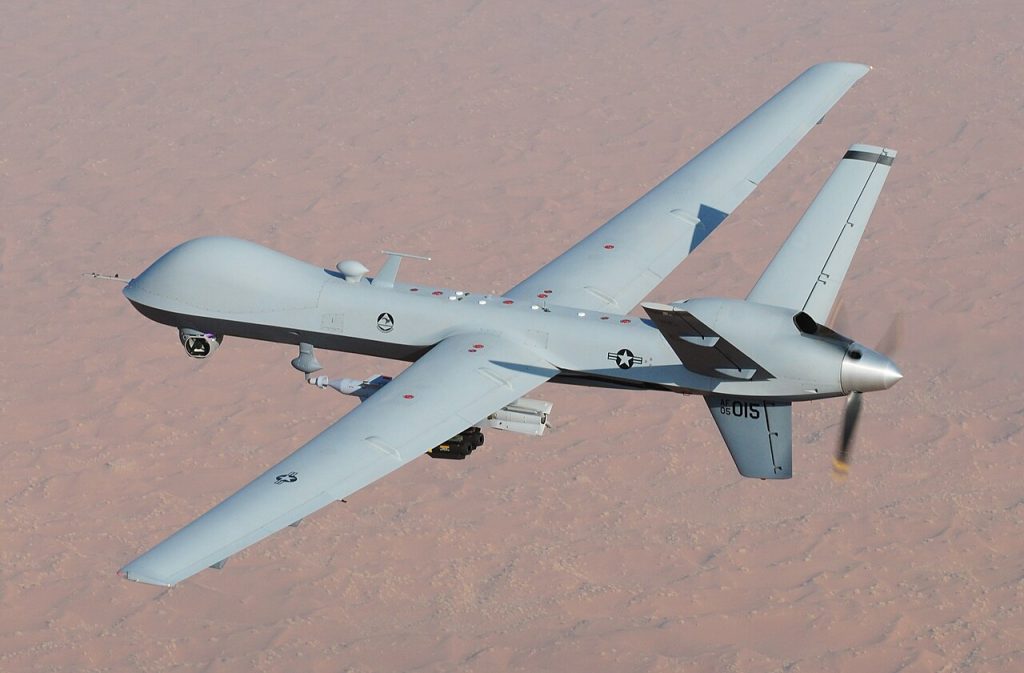
If long-range drones can reliably threaten helicopters at operational depth, then Russia must either extend air-defense coverage inland or limit rotary-wing deployments. Both options come with resource and flexibility costs. For Ukraine, however, the FP-1’s demonstrated versatility underlines arguments for continued investment in indigenous unmanned systems, perhaps upending the balance between manned and unmanned platforms in contested airspace.
The reported downing of a Mi-8 over Rostov by an FP-1 drone says more than what the headline suggests-it speaks to how modern warfare has changed, with unmanned systems not ancillary but main actors in such scenarios. As Ukraine refines its deep-strike capabilities and integrates them across military branches, the operational depth once assumed safe for high-value assets like helicopters shrinks. For both sides, the contest now extends across hundreds of kilometers, with drones increasingly setting the terms of engagement.


