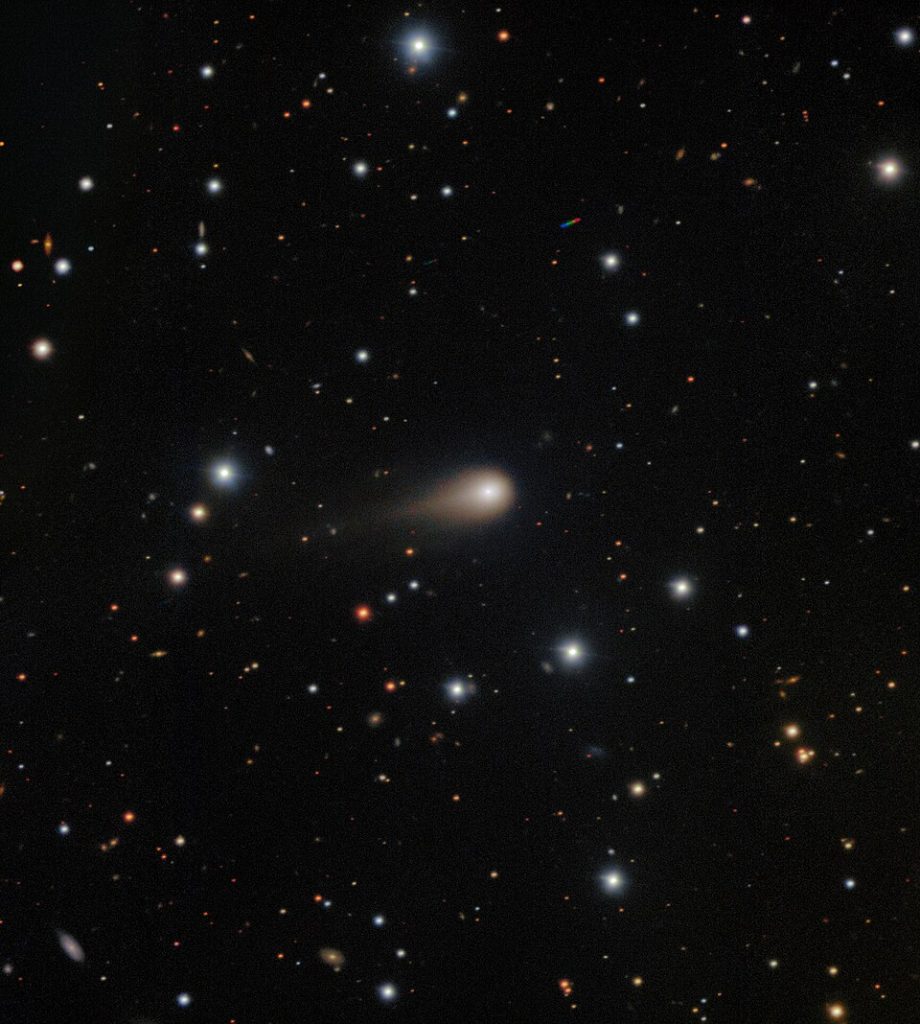
“Coincidence is not evidence unless it happens nine times in a row.” The interstellar object 3I/ATLAS, discovered in July 2025, has compiled a dossier of peculiarities that stretch the limits of conventional cometary science. Some are subtle deviations from the norm; others are so statistically improbable they invite speculation about deliberate design. With 1I/ʻOumuamua and 2I/Borisov, 3I/ATLAS is the third confirmed interstellar visitor subjected to the scrutiny of the most powerful telescopes in the world. Its trajectory, chemistry, and physical behavior have yielded a list of anomalies that researchers have begun to rank by their likelihood of natural explanation.
The following sections examine the most compelling of these anomalies, ordered from the rarest coincidences to the more common but still puzzling traits. The resulting portrait is that of an object that could be a chemical outlier from a far-flung planetary system-or engineered. In either case, it reshapes how scientists think about the diversity and possible purposes of interstellar bodies.
1. Distance of Jupiter Encounter Matches Hill Radius
On 16 March 2026, 3I/ATLAS will pass Jupiter at a predicted distance of 53.445 million kilometres-a figure that matches Jupiter’s Hill radius of 53.502 million kilometres to within measurement uncertainty. That match was only possible because of a measured non‑gravitational acceleration near perihelion, a factor that bent its course. Such an alignment is vanishingly rare, with a probability previously estimated as 0.00004. In more speculative scenarios, this would allow the object to deploy payloads into stable positions at Jupiter’s Lagrange points. From a naturalistic perspective, it can still be seen as a rather remarkable coincidence but one unparalleled by prior knowledge of cometary dynamics.
2. Refining Planetary Flybys and Solar Hiding
Its arrival timing put 3I/ATLAS within tens of millions of kilometres of Mars, Venus and Jupiter, while making sure it was unobservable from Earth at perihelion. There is no ready natural explanation for this choreography and its probability is 0.00005. In the case of artificial-origin hypotheses, such timing could serve either observational or operational purposes. To comet scientists, it is a statistical outlier that is perhaps still the product of chance but certainly raises some questions regarding its inbound trajectory from interstellar space.
3. Unprecedented Mass and Speed for an Interstellar Comet
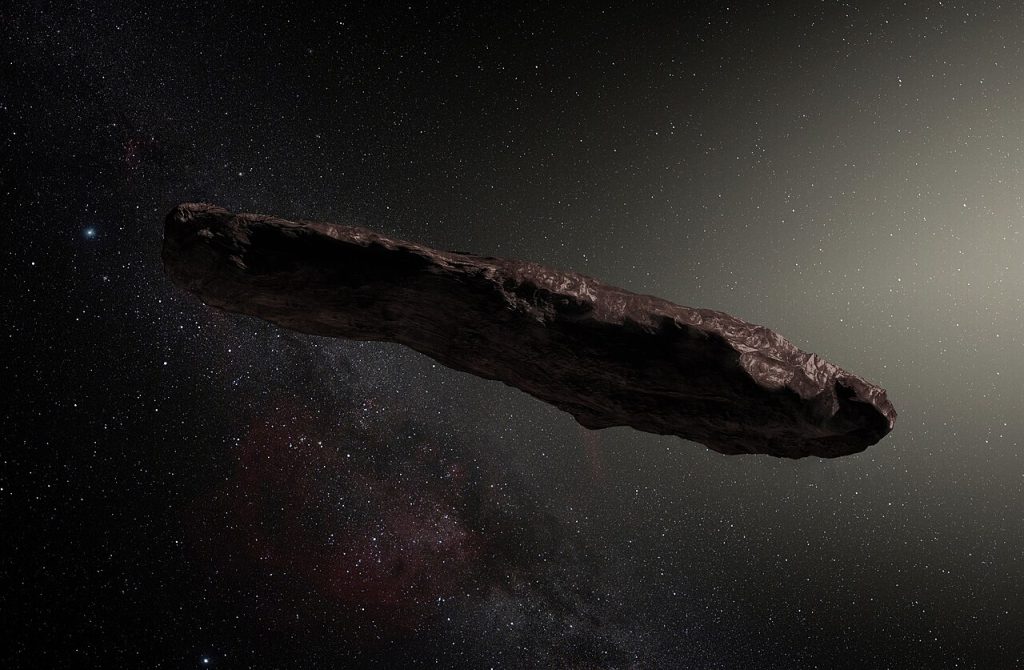
Estimates put the nucleus mass of 3I/ATLAS to be roughly a million times that of 1I/’Oumuamua, a thousand times that of 2I/Borisov, and it is moving even faster. The probability is ultra-low that such a large rock could make it to the inner solar system once a decade, given the paucity of such material in interstellar space. This combination of mass and velocity has led some researchers to suggest that 3I/ATLAS may have been directed toward the inner solar system, rather than being drawn at random from a background population.

4. Persistent Sunward Jet Defies Cometary Norms
From July to November 2025, 3I/ATLAS exhibited a sunward jet-an anti‑tail‑confirmed in high‑resolution imagery during its flyby of Mars. Unlike anti‑tails induced by perspective in thousands of comets, this was a physically real feature A forward‑facing beam for such a technological object could serve to protect against micrometeoroids at closing velocities of ~60 km/s. In natural models, it is difficult to reconcile with the known geometries of sublimation and constitutes one of the most striking visual anomalies.
5. Industrial‑Like Nickel Enrichment
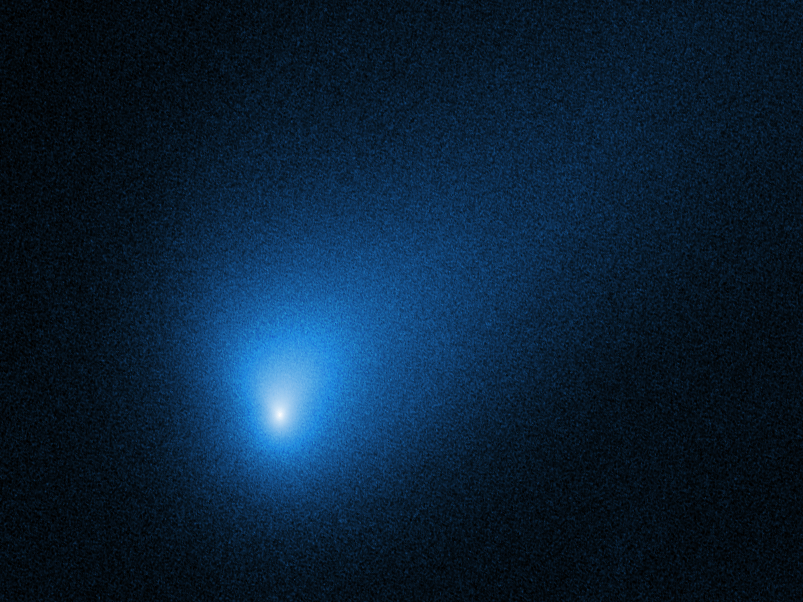
Spectroscopy revealed a composition of the gas plume with far more nickel than iron-a ratio orders of magnitude above that in thousands of known comets, including 2I/Borisov. Keck Observatory spectra hinted at possible nickel‑carbonyl chemistry – a process familiar from industrial nickel refining on Earth.This chemical imbalance, along with the high nickel‑to‑cyanide ratio, is very difficult to explain by standard cometary formation. It constitutes a rare window into the metal chemistry of extrasolar materials-or, in more speculative frameworks, into engineered alloys.
6. Retrograde Orbit Aligned with the Planetary Plane
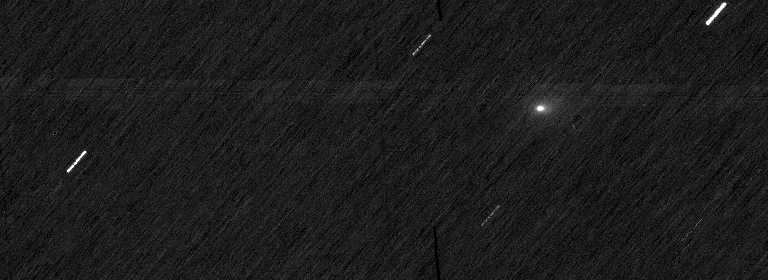
3I/ATLAS moves in a retrograde orbit, inclined to the ecliptic plane by about 5 degrees. Such an alignment is rather atypical for interstellar bodies, which usually arrive from random orientations. The alignment could be informed by a designed trajectory, whereas any natural explanation requires a fortuitous match between the object’s inbound vector and the orbital geometry of the solar system.
7. Arrival Direction Near the ‘Wow! Signal’.
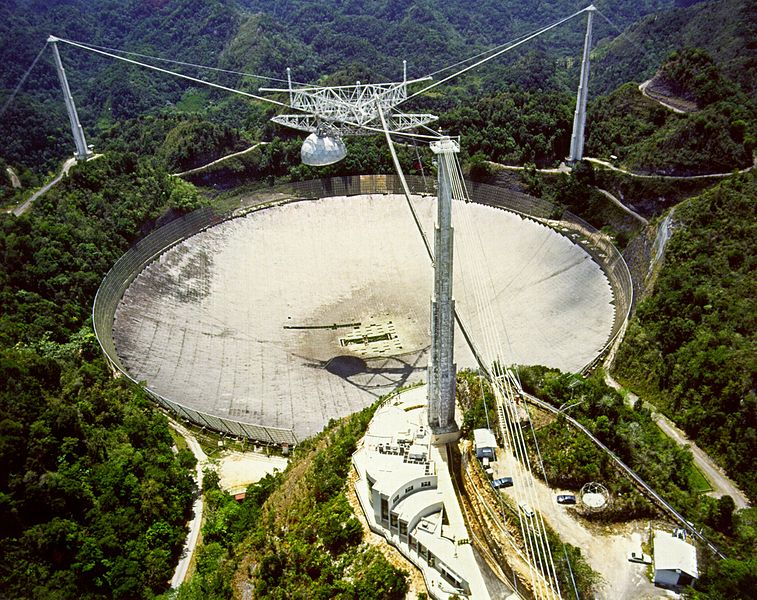
The inbound path of 3I/ATLAS lies within 9° of the direction of the 1977 ‘Wow! Signal’ radio source. This, at a probability of about 0.006, is not statistically compelling by itself but adds to the cluster of coincidences. For the most part, astronomers treat this as an incidental overlap, but its inclusion in the anomaly list reflects the lasting cultural resonance of the ‘Wow! Signal’ in SETI discussions.
8. Extreme Negative Polarization
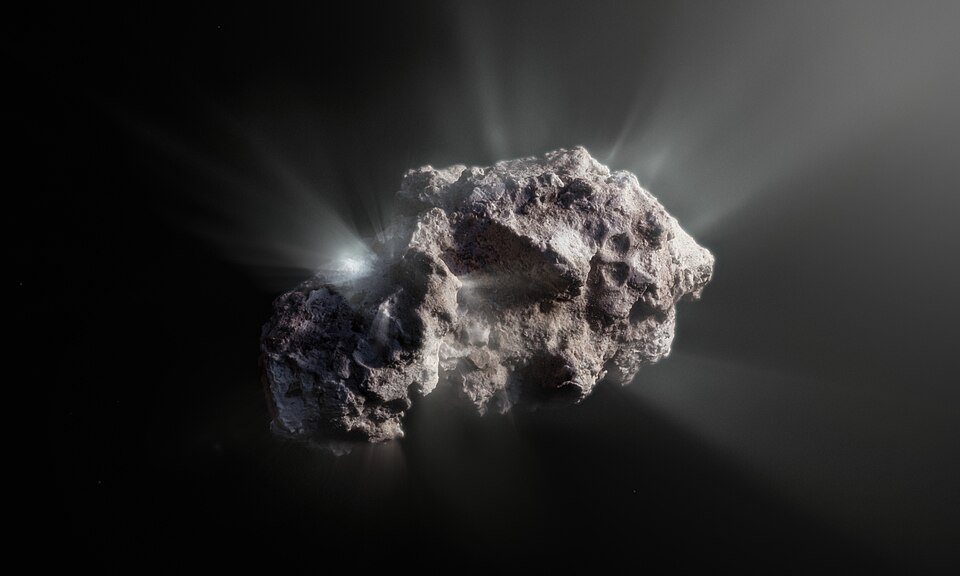
Polarimetric measurements show that 3I/ATLAS exhibits extreme negative polarization-a property that has not yet been recorded for any known comet, including 2I/Borisov. This sort of optical behavior may be related to its unusual anti‑tail. Negative polarization at that level implies unusual properties or arrangements of dust grains that may be related to the environment of its formation, or to nonnatural surface processing.
9. Minimum Water Content in the Gas Plume
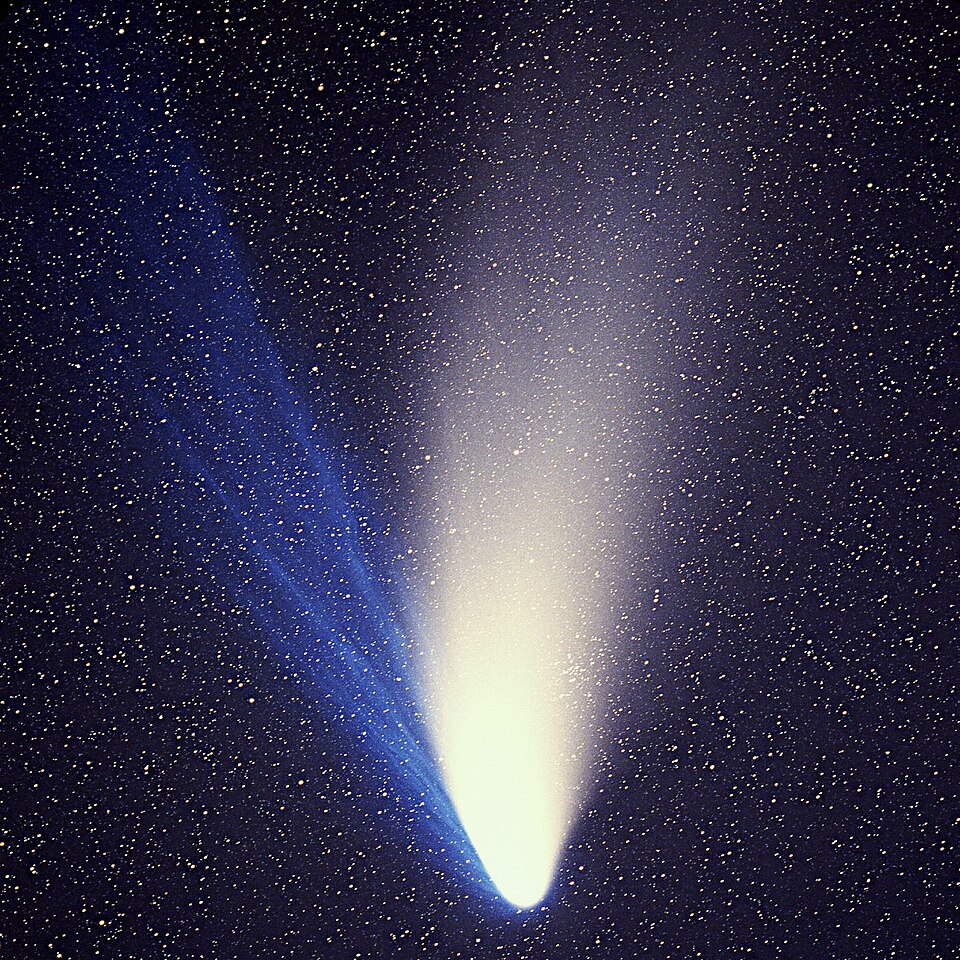
Analyses indicate that only about 4% of the mass of the gas plume is water, much less than in typical solar‑system comets. The plume is dominated by CO₂ and CO, consistent with early detections by the James Webb Space Telescope. The implication is that any water release was suppressed by evaporative cooling from CO₂ sublimation. On the other hand, if 3I/ATLAS were a technological craft, the water might be surface frost accumulated on interstellar travel and released as it approached the Sun.
Whether 3I/ATLAS is an exotic natural fragment or a constructed emissary, its suite of anomalies ensures that it will forever be a benchmark case in the study of interstellar objects. The combination of rare orbital coincidences, chemical peculiarities, and physical behaviors defied previous cometary models and emphasized the necessity for swift and coordinated observation campaigns. As new data arrive, the scientific community will update-or maybe radically revise-its understanding of this remarkable visitor.


