How far will Russia push its naval presence before NATO recalibrates its deterrence posture yet again? At the heart of Europe’s seas sits a provocative question. The tension in the United Kingdom over the last fortnight has revived that question with fresh urgency.
The British have faced an increase in Russian naval activity surface ships, submarines, and a spy vessel accused of aggressive behavior at a moment when NATO is already reinforcing surveillance across key maritime chokepoints. Senior officials warn that these incidents expose gaps in the alliance’s undersea resilience, even as new technologies begin to reshape how critical seabed infrastructure can be defended.
What follows discusses the biggest developments behind this new friction, using recent encounters, allied responses, and the rapidly changing tools that shape the next phase of maritime security.
1. A Spike in Russian Traffic Close to UK Waters
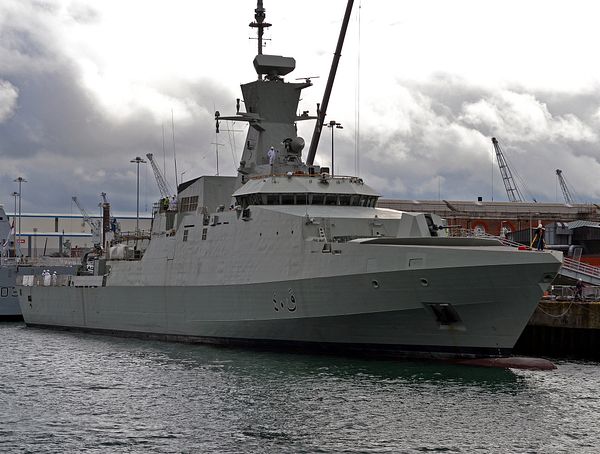
British authorities report a 30 percent rise in Russian vessels near UK waters within two years a trend that reshaped naval patrol rhythms across the Channel and the North Atlantic. HMS Severn’s recent interception of the Stoikiy corvette and Yelnya tanker came against this background of increased vigilance.
These movements extend beyond routine transits. They now include intelligence‑gathering ships, destroyers, and Kilo‑class submarines whose activity has triggered frequent shadowing missions. The increased tempo, officials argue, underscores changing Russian risk tolerance and the strategic importance Moscow continues to place on Europe’s maritime chokepoints.

2. The Yantar’s Laser Incident Marks a Sharp Escalation
Defense Secretary John Healey called the act “deeply dangerous” and said the Yantar had directed lasers at RAF pilots. BBC reporting quoted Healey as saying, “We see you. We know what you’re doing. And if the Yantar travels south this week, we are ready.” The episode came as the vessel was being tracked by a Royal Navy frigate and P‑8 Poseidon aircraft.
The same period also saw civilian ships and HMS Somerset reporting GPS interference, furthering UK concerns about deliberate electronic harassment. Russia’s embassy dismissed the claims as “whipping up militaristic hysteria,” but analysts view the laser use as a clear departure from prior patterns of intelligence collection.
3. Mapping Undersea Cables Becomes a Strategic Flashpoint
Officials say the Yantar is affiliated with Russia’s Main Directorate for Deep Sea Research and is thought to be mapping European seabed cables—those systems that carry roughly 98 percent of global data. These networks form the backbone of military communications, power flows, and commercial connectivity, officials say, making them a prime vulnerability.
NATO allies have sought to increase protection for this infrastructure, but the scale is enormous. The suspected damage to several Baltic cables by a single ship’s anchor in 2024 served as a reminder that sabotage, miscalculation, and hybrid tactics may yield just as disruptive outcomes.
4. NATO Turns to Uncrewed Systems for Undersea Surveillance
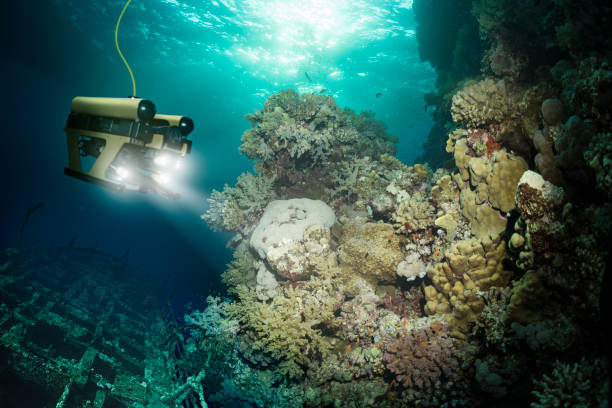
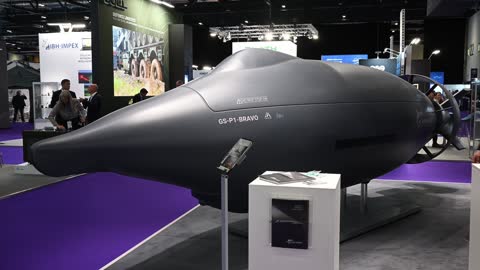
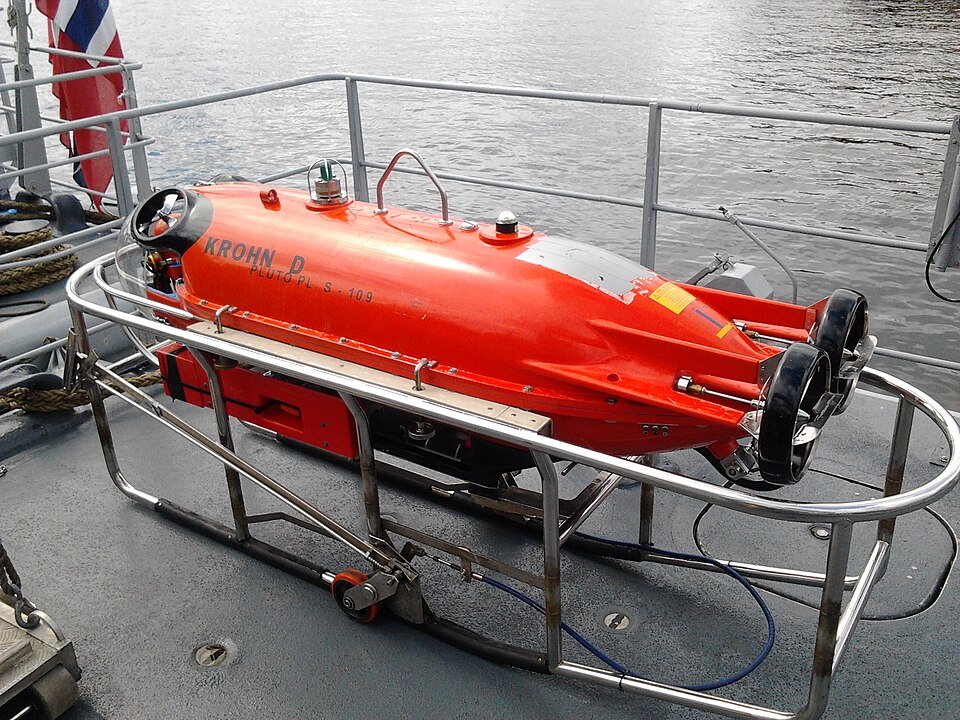
New long‑endurance underwater drones are now emerging as a key tool in the protection of critical pipelines and cables. The European navies are looking at the GreyShark autonomous underwater vehicles, which carry out reconnaissance and anti‑submarine missions. The Foxtrot model of the drone can operate for as long as 16 weeks and automatically switch from cable monitoring to submarine hunting.
These were capabilities highlighted in demonstrations reported by Newsweek, in which the system’s developers emphasized the speed of development amid allied urgency. As explained in that same reporting, “Now we have a lot of money, but no time,” reflective of the pressure driving rapid adoption of uncrewed platforms.
5. Swarm Technology Expands Monitoring Options
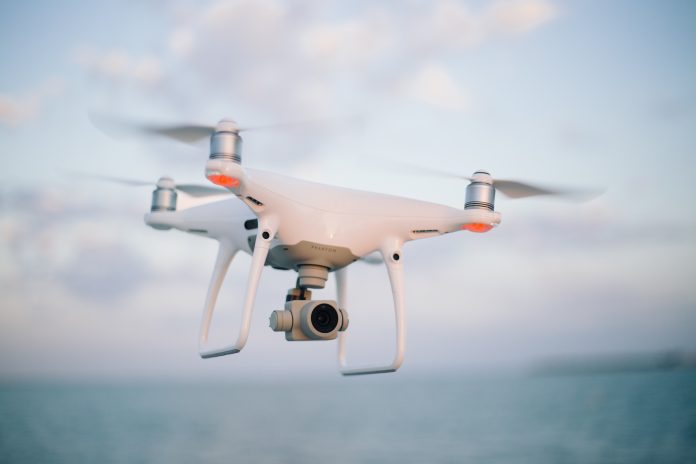
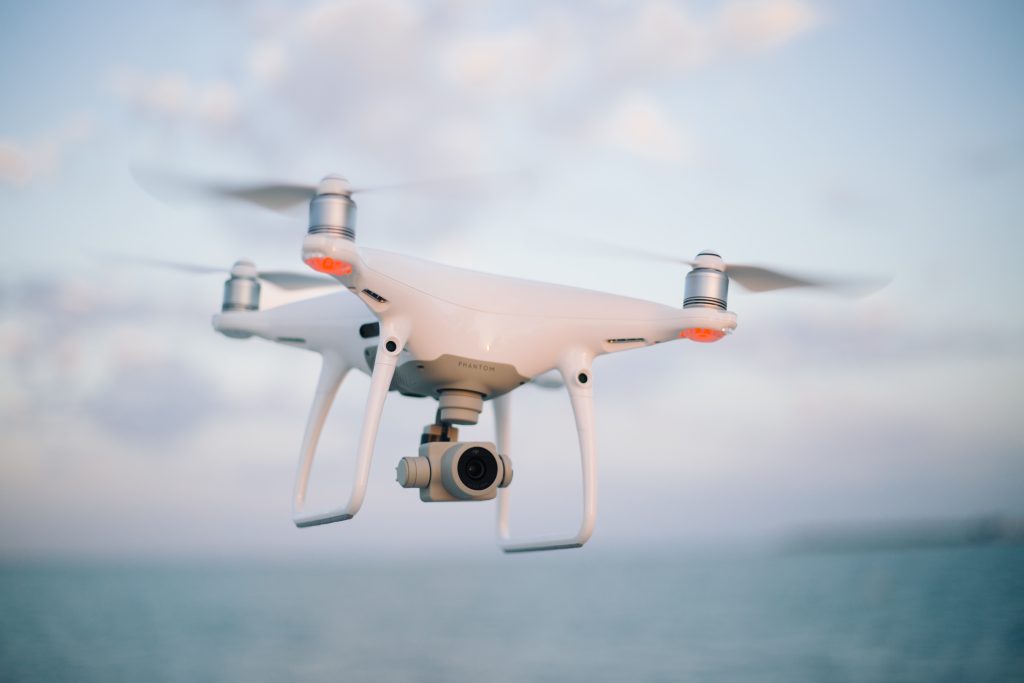
Besides large AUVs, NATO researchers are working on smaller, distributed systems that can self‑synchronize over large seabed areas. Concepts that include solar‑powered quad‑copters, deploying submerged sensors, as described in the JAPCC analysis, illustrate how a network of lightweight devices could keep continuous watch over submarine transit routes.
Drones of this type-if deployed in swarms-could rapidly surround unknown contacts, report anomalies, and maintain tracking geometry without relying on manned aircraft. The potential for early detection is substantial as Russian submarine activity increases across the High North and North Atlantic.

6. A Reinforced Patrol Line Across the GIUK Gap
The UK has just deployed three P‑8 Poseidon aircraft to Iceland, in its largest ever overseas Poseidon detachment. According to MoD statements, this deployment will support NATO surveillance missions across the Greenland Iceland UK gap, a region critical to transatlantic reinforcement. These patrols complement increased surface activity, including Royal Navy frigates trailing Russian destroyers and submarines. The combined air‑sea presence forms a multilayered barrier designed to detect, track, and deter Russian undersea forces.
7. Hybrid Warfare Threats Drive NATO Policy Shifts
Recent incidents of sabotage in the Baltic have accelerated NATO’s institutional response. The alliance has established a Critical Undersea Infrastructure Coordination Cell and a Maritime Centre for the Security of Critical Underwater Infrastructure whose aim is to coordinate civilian agencies, private operators, and military commands.
Analysts continue to warn that hybrid threats denied, ambiguous, and often cloaked as an accident represent the most persistent dangers. Russia’s employment of specialized vessels and seabed capable platforms makes this challenge even more daunting, as it requires continuous surveillance rather than episodic response.
8. Defense Build‑Up in Europe Gathers
Pace With increasing political pressure, the calls are getting louder for faster procurement and more spending. NATO members have pledged more core defense spending, and the UK government says it is accelerating acquisition and industrial expansion in response to Russian activity. In the EU, parallel efforts include new infrastructure resilience directives and joint task forces. To the countries experiencing routine incursions, the message is increasingly the same: the threat environment evolves more quickly than current capabilities.
As one German official told Newsweek of AUV procurement, “They need something now. They need something yesterday.” The recent confrontations around the UK illustrate a broader shift in Europe’s maritime security environment one defined by hybrid pressure, rising undersea competition, and accelerated technological adaptation. NATO’s challenge will be to match this pace with sustained investment, tighter coordination, and tools capable of operating across the increasingly contested seabed.


