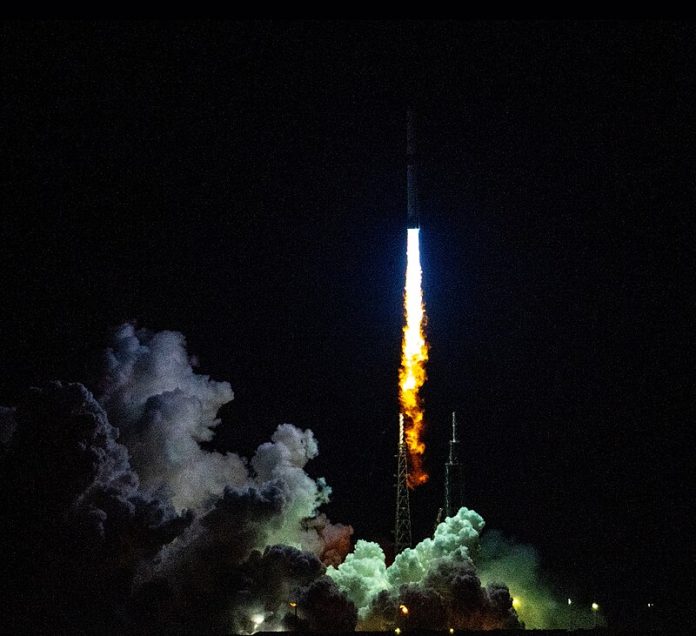
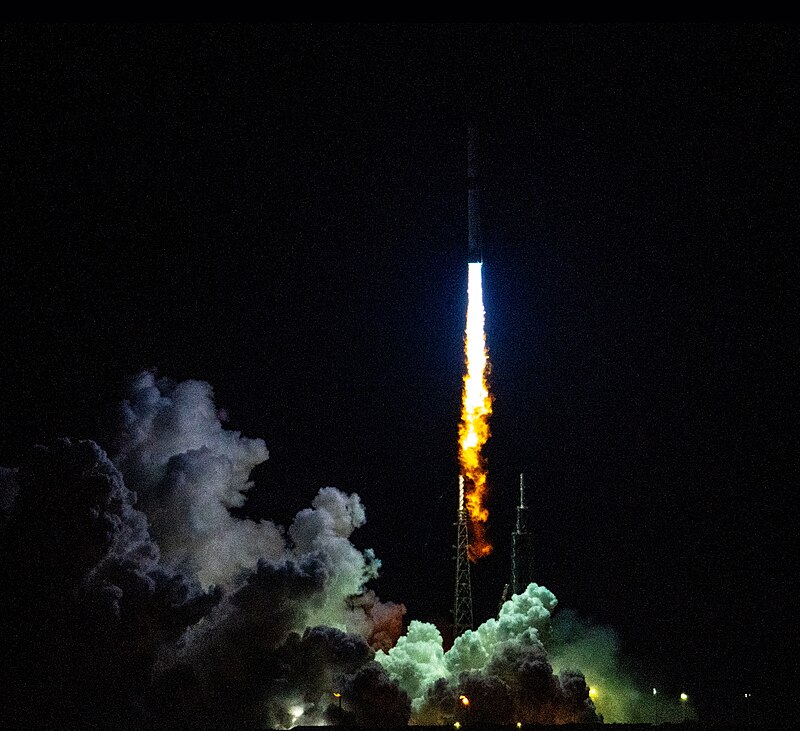
Four days of weather delays and a solar storm strong enough to paint Florida’s skies with auroras could not stop Blue Origin’s most ambitious mission yet. On November 13, the towering New Glenn rocket roared off Cape Canaveral Space Force Station, carrying NASA’s twin ESCAPADE orbiters on a complex, years-long journey to Mars and then nailed its first-ever booster recovery at sea.
1. Heavy-Lift Debut with Precision Recovery
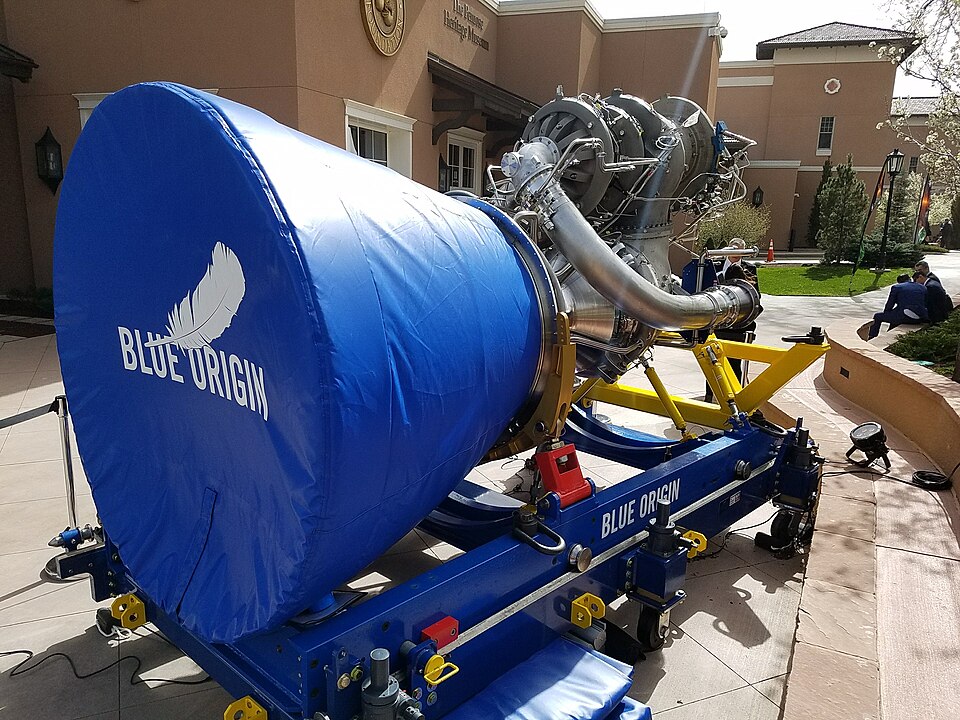
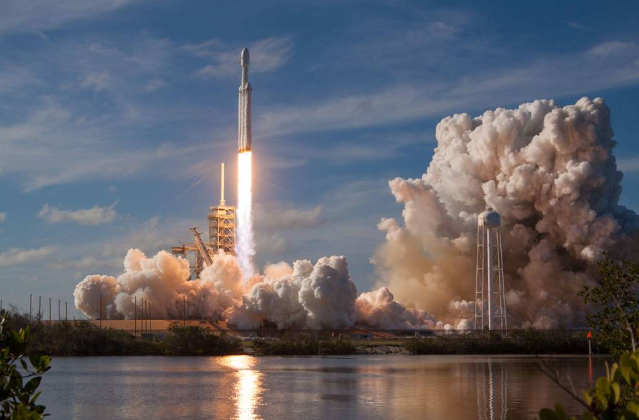
Standing 321 feet tall, New Glenn is Blue Origin’s contender for the reusable heavy-lift market, going head-to-head with NASA’s SLS and SpaceX’s Falcon Heavy. Seven BE-4 methane-fueled engines produced 3.8 million pounds of thrust at liftoff. The 188-foot first stage, nicknamed “Never Tell Me The Odds,” performed a three-burn reentry profile before landing upright on the recovery ship Jacklyn positioned 600 kilometers offshore. This places Blue Origin in league with the cost-saving reusability model pioneered by SpaceX, in which retrieved stages are refurbished and prepared for launch again.
2. Engineering the New Glenn for Deep Space Payloads
The New Glenn two-stage configuration is optimized for missions beyond Earth orbit, with a large enough payload fairing to carry Department of Defense satellites, lunar landers, and interplanetary probes. Its reusable first stage stands significantly taller than a Falcon 9 booster, while its payload capacity targets the heavy-lift class needed for Mars cargo and Artemis lunar missions. Modularity and speed of turnover are priorities for the design of the rocket, critical to sustaining a high flight rate in competitive markets.
3. ESCAPADE : Stereo Science at Mars
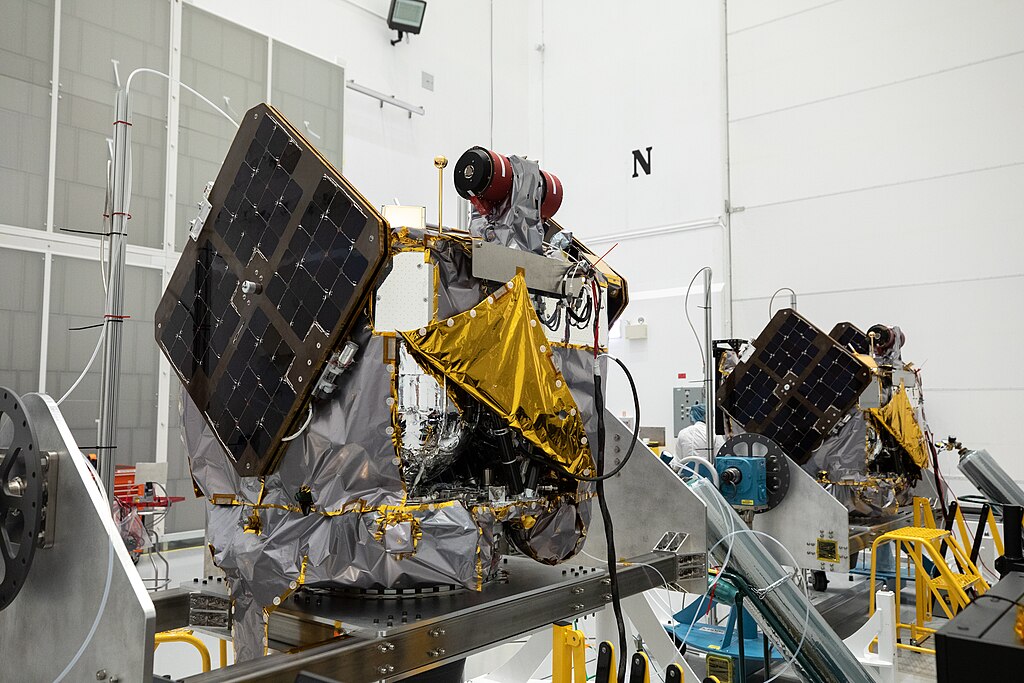
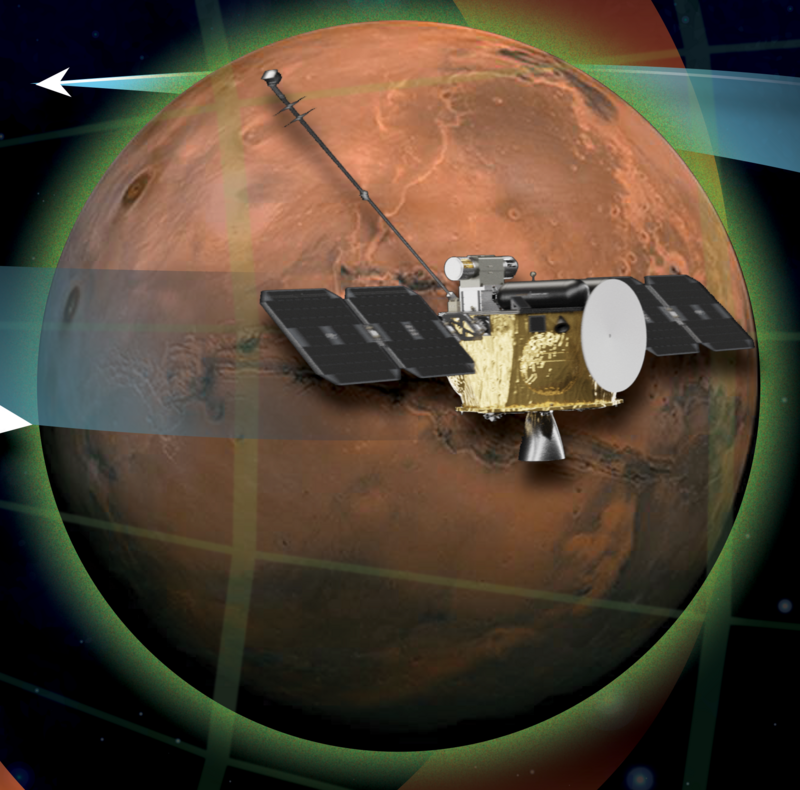
NASA’s ESCAPADE mission – Escape and Plasma Acceleration and Dynamics Explorers – comprises two identical orbiters, Blue and Gold, each the size of a household refrigerator and weighing about 535 kilograms in their fully fueled state. Built by Rocket Lab, they carry magnetometers, electrostatic analyzers, Langmuir probes, and imaging systems that will map Mars’ upper atmosphere and magnetic fields in stereo. By flying in coordinated orbits, it will capture short-timescale changes in the Martian space environment that single-spacecraft missions like MAVEN could sample only hours apart.
4. A Loiter-and-Slingshot Trajectory
Instead of performing a direct transfer to Mars, ESCAPADE will first cruise to the Sun–Earth Lagrange Point 2 1.5 million kilometers away and “loiter” there for almost a year. Late in 2026, the probes will swing back toward Earth for a gravity assist, harnessing the pull of the planet to boost their velocity toward Mars. This method cuts down on propellant needs the propellant mass fraction of ESCAPADE is about 65%, as compared with 80–85% for traditional Mars transfers and offers flexibility to launch outside the narrow 26-month planetary alignment windows.
5. Atmospheric Loss on Mars
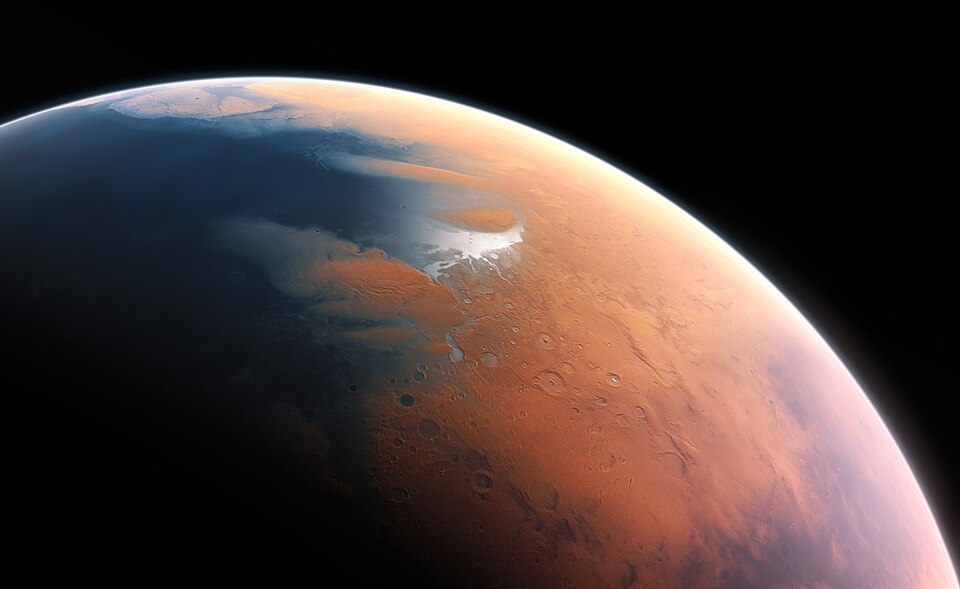
Mars once had a thick atmosphere and a global magnetic field, but over billions of years, the solar wind-a million-mile-per-hour stream of charged particles-has stripped it away. ESCAPADE will investigate how the solar wind interacts with Mars’ patchy crustal magnetic fields and ionosphere, and how energy and momentum are transferred into the atmosphere. This research builds on MAVEN’s findings and recent hybrid plasma simulations showing that under certain solar wind alignments, Mars’ induced magnetosphere can “degenerate,” allowing direct particle precipitation deep into the atmosphere and enhancing atmospheric escape.

6. Space Weather and Astronaut Safety
Understanding the response of Mars to solar storms is essential for planning and executing future crewed missions. Astronauts on Mars, without a global magnetic shield, would be exposed to high-energy protons and electrons from both steady solar wind and coronal mass ejections. ESCAPADE’s dual vantage points will allow real-time correlation between upstream space weather and atmospheric effects to inform strategies for habitat and spacecraft radiation shielding.
7. Commercial Partnerships and Cost Efficiency
Priced at less than $80 million, ESCAPADE is part of NASA’s SIMPLEx program for low-cost planetary science. The mission is managed by UC Berkeley, while Advanced Space LLC is responsible for trajectory design and Rocket Lab supplies the spacecraft hardware. Flying on New Glenn’s second flight allowed NASA to get favorable pricing while giving Blue Origin a high-profile science payload to demonstrate its reliability.
8. Implications for Future Mars Logistics
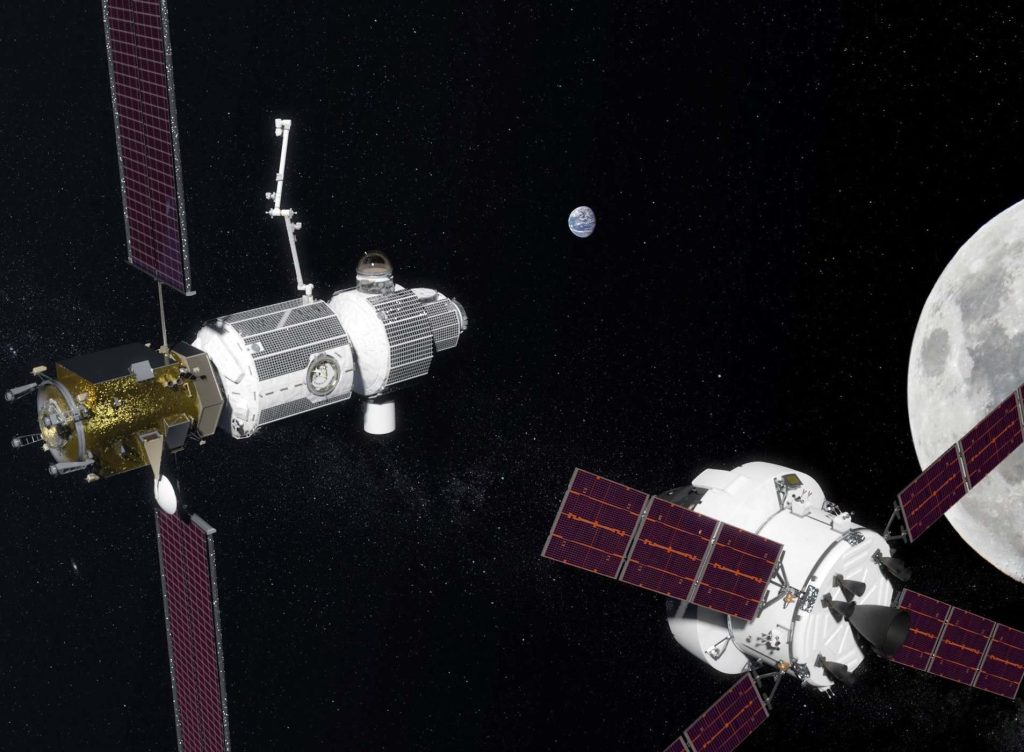
The loiter-and-slingshot profile pioneered here could enable “queueing” in deep space of Mars-bound spacecraft, ready to depart when planetary geometry aligns. This flexibility could be a game-changer for cargo delivery in advance of crewed missions, enabling more frequent resupply and deployment of infrastructure without waiting for the next launch window.
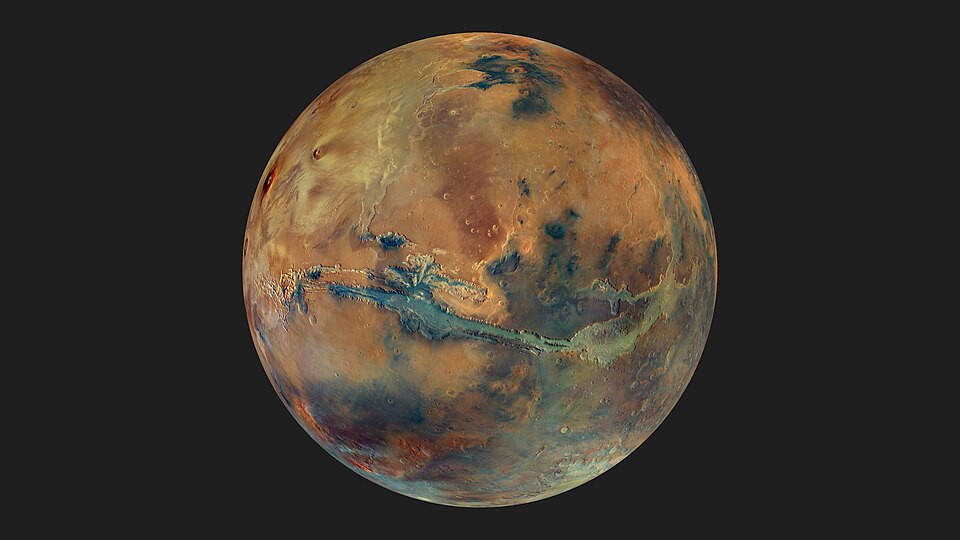
The twin orbiters will arrive at Mars in September 2027, spend months adjusting into science formation, and then begin a campaign to map the planet’s upper atmosphere and magnetic environment with unprecedented detail. What they find will not only deepen understanding of Mars’ climate history but also shape the engineering of future human exploration systems.


