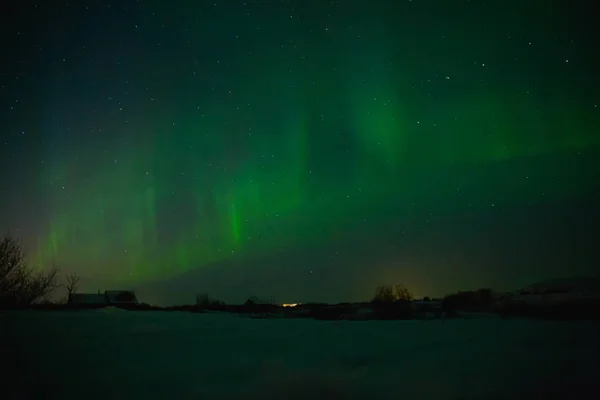
Skies as far south as Florida glowed with surprise auroras on consecutive nights in an atmospheric spectacle caused by a rare sequence of solar eruptions. Propelled by what scientists labeled a “cannibal” coronal mass ejection, the event unfolded with ferocity enough to test satellites, power grids, even the schedules of Mars-bound spacecraft.
1. Anatomy of a Cannibal CME
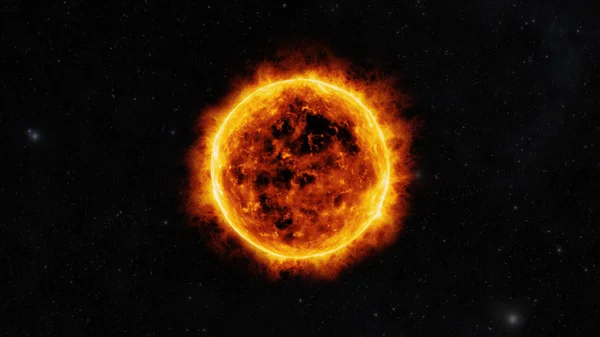
On Monday, two CMEs erupted from the Sun within hours of each other. The first traveled slower, only to be overtaken by a second, faster ejection. By the time they arrived at Earth, the two plasma clouds had merged, amplifying their combined magnetic and energetic effect. “Hence the term ‘cannibalised’,” said the geomagnetism team at the British Geological Survey, “as the second one gobbled up the first one.” These CMEs – vast clouds of ionized gas threaded with magnetic fields – came from active sunspot region AR 14274, which has produced multiple X-class flares in recent days.
2. Measuring the Solar Onslaught
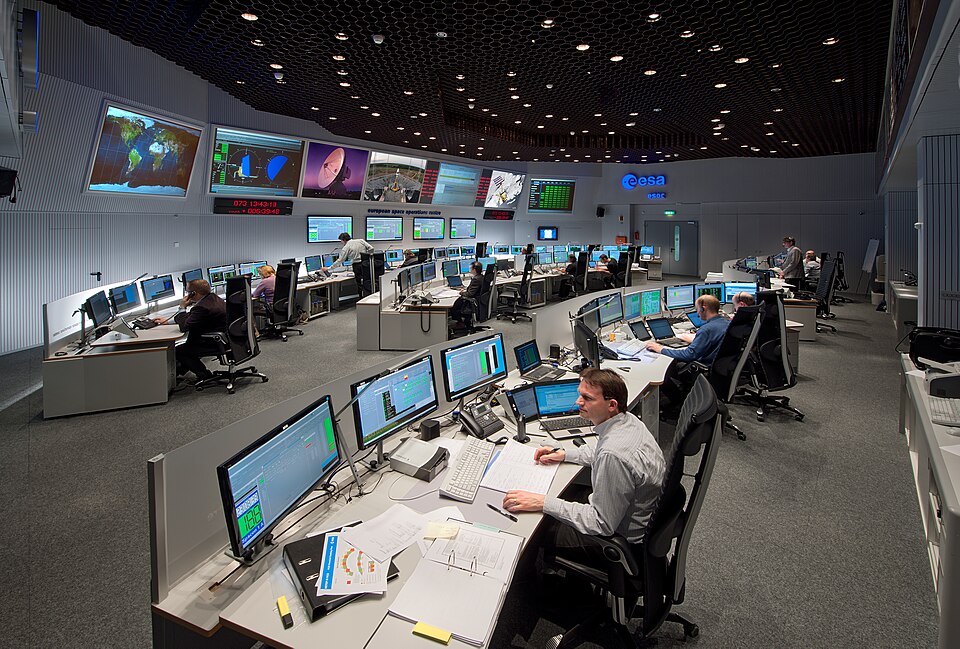
Forecasters at the National Weather Service’s Space Weather Prediction Center tracked the storms from satellites stationed 1 million miles sunward at the L1 Lagrange point. These instruments measured solar wind speeds above 2.1 million miles per hour and evaluated the interplanetary magnetic field orientation-a key determinant for geomagnetic storm intensity. As forecaster Shawn Dahl explained, “If it turns opposite Earth, then activity really quickly ramps up, and those storm levels can dramatically increase very quickly. That’s what happened last night.”
3. Engineering Safeguards on the Ground
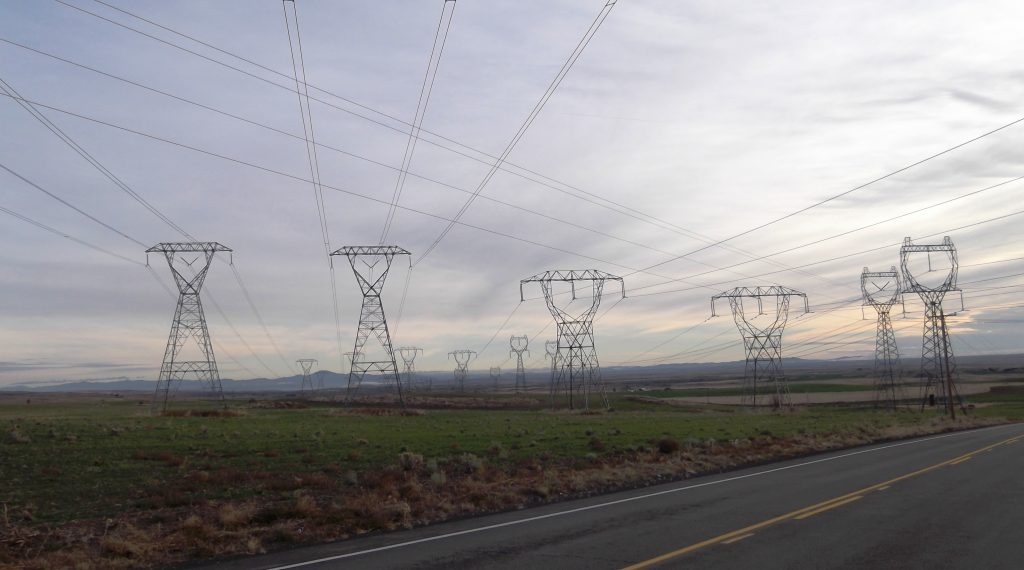
These large magnetic storms drive electric currents into long conductors, such as transmission lines, and can thus damage transformers. On Tuesday, the geoelectric field, measured by ground-based monitoring on the Shetland Islands, attained 3.5 volts per kilometer-the highest since records began in 2012. Systems such as the UK’s INTERMAGNET observatories use low-noise telluric electrodes with integral lightning protection to monitor increases of this type. Amplification circuits and filtering stages help discriminate the true geomagnetic signal against anthropogenic noise, feeding accurate forecasts to grid operators.
4. Spacecraft and Launch Operations Impact
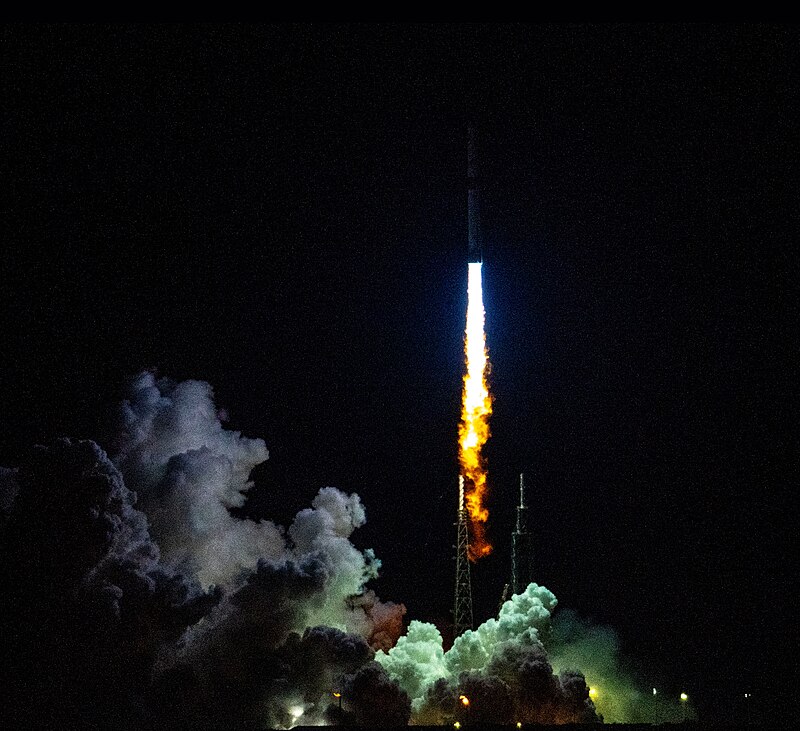
Intensified solar activity disrupted satellite communications and GPS accuracy, which led NASA to scrub plans for a ESCAPADE mission to Mars. Blue Origin’s New Glenn rocket, tasked with launching the twin orbiters, remained on the ground as well, as the engineering team studied whether charged particles could damage onboard electronics. “Due to highly elevated solar activity and its potential effects on the ESCAPADE spacecraft, NASA is postponing launch until space weather improves,” the company said.
5. Auroras Far Beyond the Poles
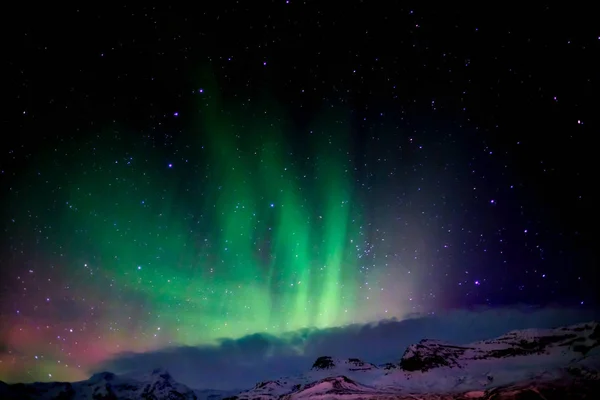
The planetary K index is used to quantify the visibility of an aurora this index runs on a scale from 0 to 9. Tuesday’s storm kicked activity into the extreme range, pushing the auroral oval far toward the equator. Displays were reported in Alabama, New Mexico, and Florida in vivid reds from high-altitude oxygen and greens from lower-altitude emissions. Cameras with long-exposure settings captured colors not visible to the naked eye, revealing the full scope of the geomagnetic light show.
6. Solar Cycle Context
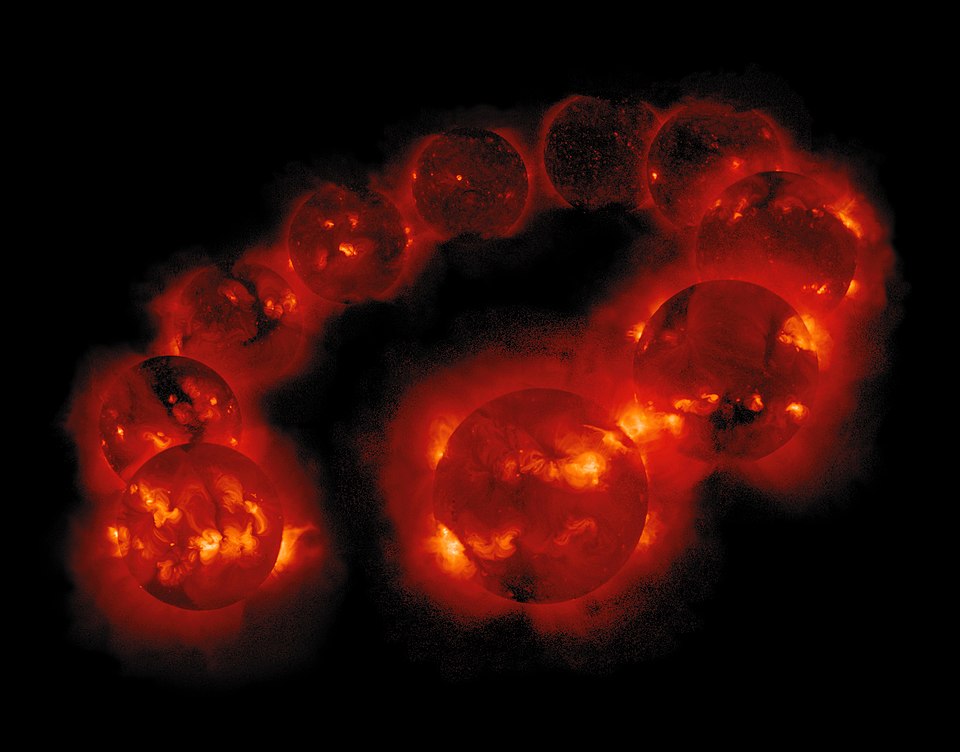
Heliophysicists believe the Sun reached its Solar Cycle 25 maximum in October 2024. While activity will now gradually decline, the strongest flares often occur during this phase. Statistical analyses of flare occurrence reveal that X-class events, while less frequent, cluster during periods of high sunspot count, and their waiting times decrease substantially. The current cycle has already produced flares as large as X9.0, underlining the potential for further severe storms.

7. Lessons from Past Storms
The May 2024 G5 Storm interfered with the GPS-dependent farming equipment but spared most of the infrastructure because of preparations made beforehand. Historical experiences, such as the 1989 Quebec blackout and the Carrington Event in 1859, show the capacity of geomagnetic storms to cause destruction if their mitigations fail. Modern monitoring networks thus play a very important role in averting such disasters, while their satellite-based warnings provide operators with much-needed lead times.
8. Science at the Source
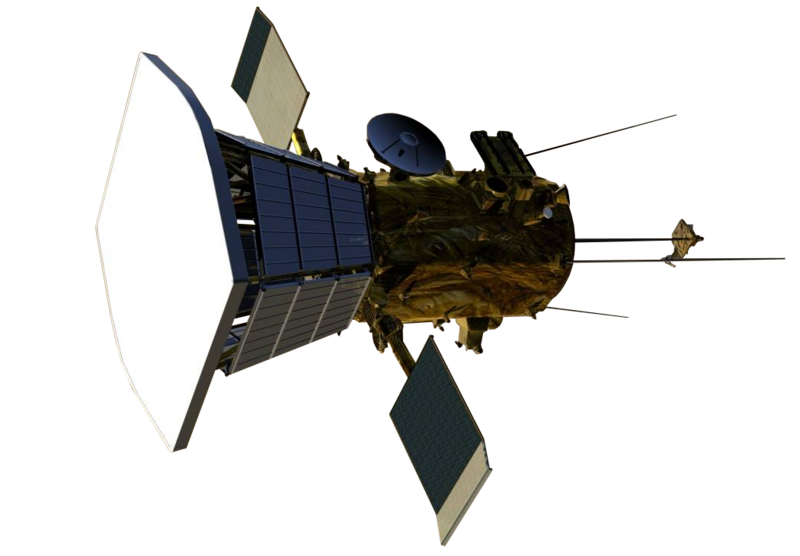
NASA’s Parker Solar Probe will achieve the closest-ever approach to the Sun at the end of 2024, collecting data on CME formation and solar wind acceleration. These will further advance space-weather modeling for better protection of satellites, astronauts, and ground systems.
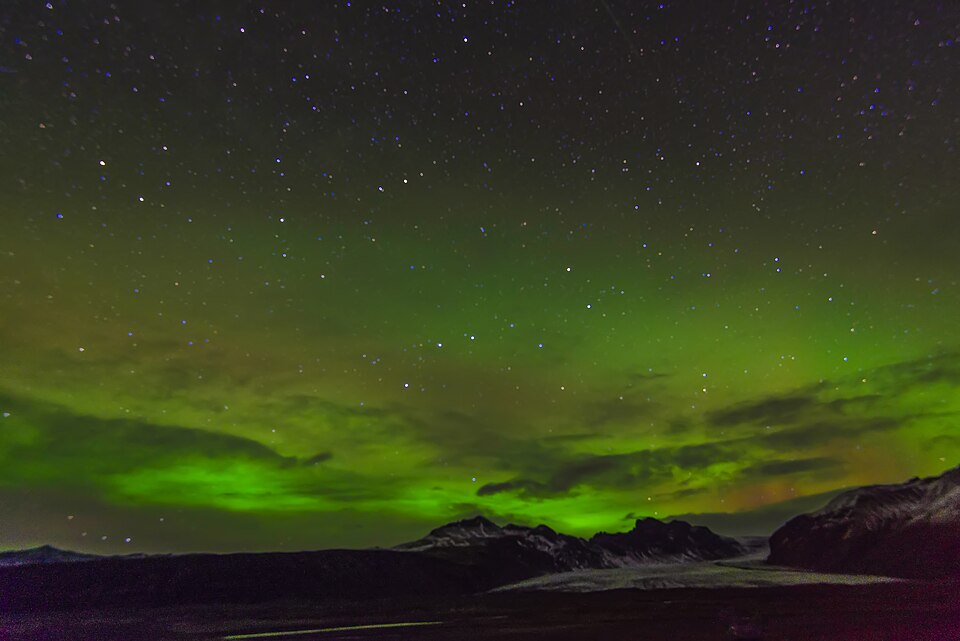
Ultimately, understanding the magnetic complexity of active regions such as AR 14274 is crucial for predicting cannibal CME events before they come together and strengthen en route to Earth. The November auroras were more than a spectacle they were a striking reminder that the Sun has the capacity to reach 150 million kilometers across space and stir both beauty and disruption on our planet.


