

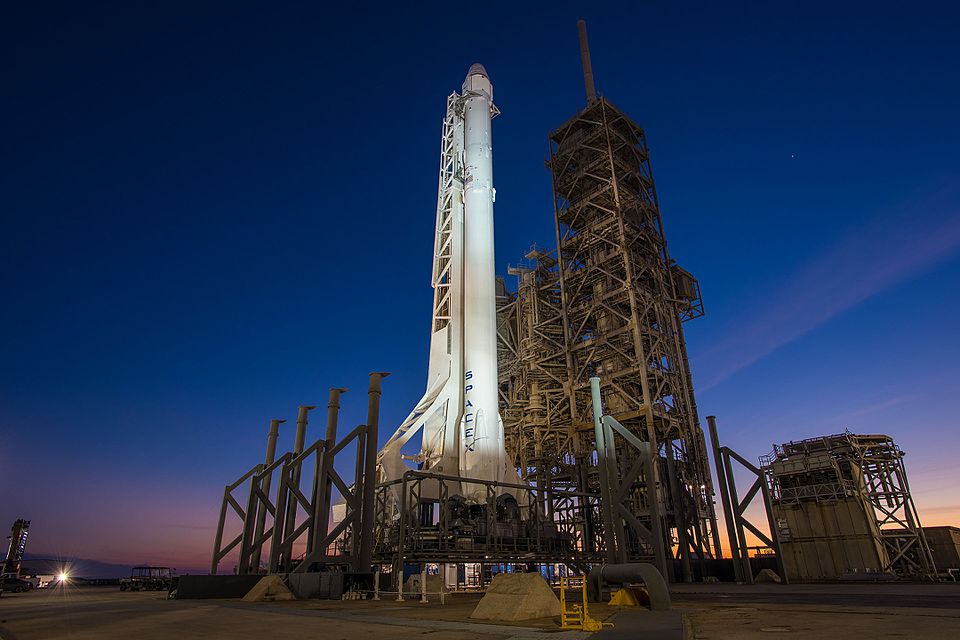
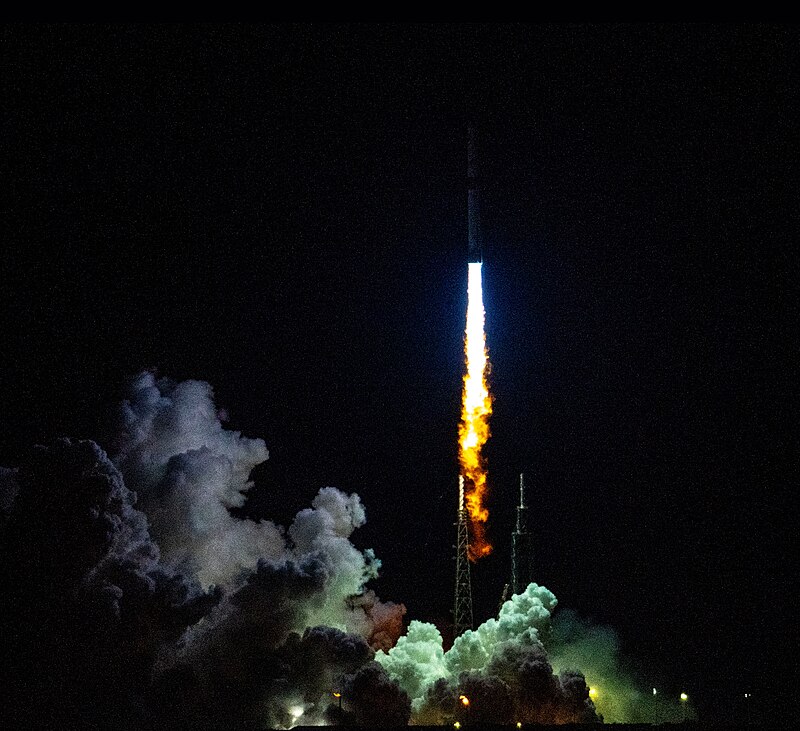
It was a launch that combined firsts, risks, and engineering milestones. On November 13, 2025, Blue Origin’s towering 321-foot-tall New Glenn rocket roared off Cape Canaveral’s Launch Complex 36, carrying NASA’s twin ESCAPADE spacecraft on a trajectory unlike any Mars mission before-and then nailed a precision booster landing at sea. It was both a technological proving ground and a high-profile customer mission for Jeff Bezos’ space company, one that could redefine interplanetary launch flexibility.
1. A Heavy-Lift Debut with Stakes
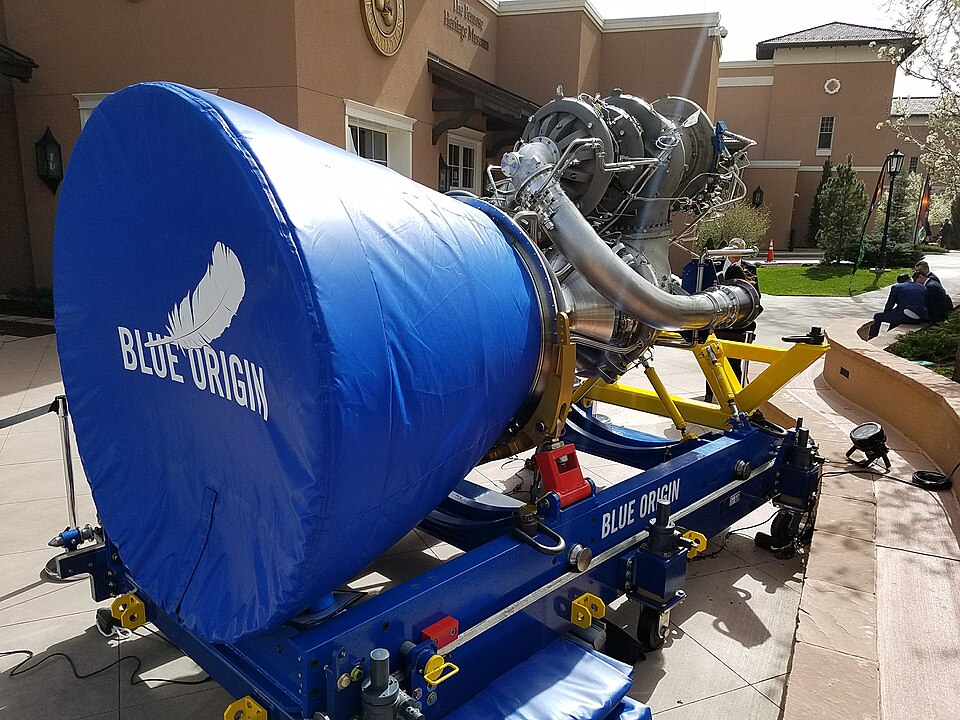
This was New Glenn’s first flight with a paying payload and only its second launch overall. The vehicle’s seven BE-4 methane-fueled engines generated 3.8 million pounds of thrust, pushing the rocket through the sound barrier in just over a minute. Blue Origin’s primary objective was to deliver ESCAPADE short for Escape and Plasma Acceleration and Dynamics Explorers onto a deep-space trajectory. But a secondary goal loomed large recover the massive first-stage booster on the landing ship “Jacklyn,” a feat the company had failed to achieve in January.
2. Engineering for Reusability
The booster, nicknamed “Never Tell Me The Odds,” featured propellant management upgrades as well as minor hardware changes to fix the reignition failure it experienced on its maiden flight. After staging, the booster conducted a three-engine reentry burn and a single-engine landing burn, touching down vertically 375 miles downrange. “A landed orbital rocket!” exclaimed Blue Origin’s Ariane Cornell on the webcast. Designed to have a life of at least 25 flights per booster, New Glenn should prove competitive in the reusable heavy-lift market, along with SpaceX’s Falcon 9 and Falcon Heavy.
3. ESCAPADE’s Unconventional Route
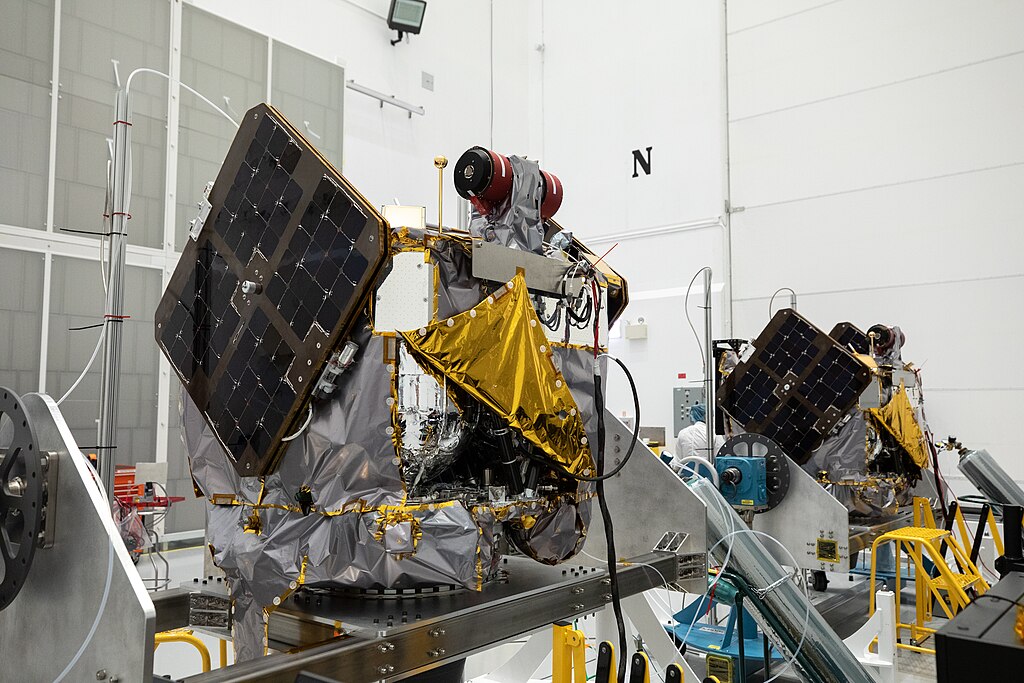
Instead of a direct Hohmann transfer, ESCAPADE will follow a “launch-and-loiter” profile. The twin spacecraft are bound first for the Earth-Sun Lagrange Point 2 (L2), 1.5 million kilometers from Earth, where gravitational forces balance to allow long-duration, low-fuel orbits. This staging orbit, shaped like a kidney bean in relative motion, enables departure to Mars in late 2026 when planetary alignment is optimal. The approach, pioneered by mission designer Advanced Space LLC, could allow future Mars-bound fleets to launch over many months rather than within a narrow 26-month window.
4. Using the Oberth Effect
In November 2026, ESCAPADE will loop back toward Earth for a gravity assist, firing its propulsion system at high velocity to exploit the Oberth Effect. This enhances energy efficiency and cuts the propellant needs down to about 65% of spacecraft mass a significant improvement over the 80–85% typical for Mars orbit insertions. The 10-month cruise will culminate in Mars orbit capture in September 2027.
5. Small Spacecraft, Big Science
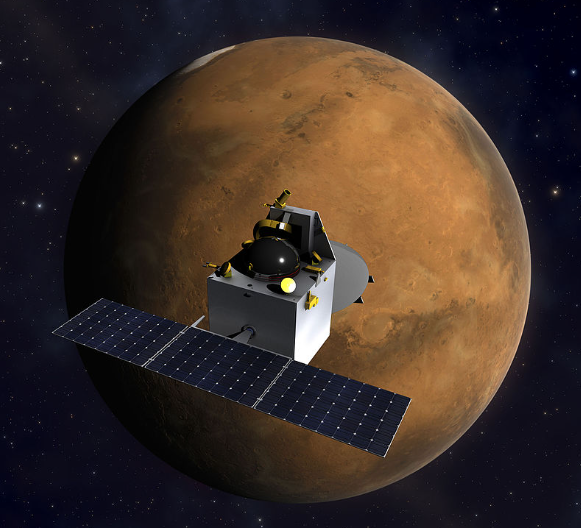
Built by Rocket Lab, each orbiter is the size of a copy machine and yet carries a full suite of instruments electrostatic analyzers for ion and electron flux, a magnetometer from NASA Goddard, a plasma detector from Embry-Riddle Aeronautical University, and an aurora/dust imager from Northern Arizona University. Operating in coordinated orbits ranging from 160 to 10,000 kilometres above Mars, the probes will provide the first stereo mapping of the planet’s magnetosphere and upper atmosphere.
6. Probing Mars’ Atmospheric Loss
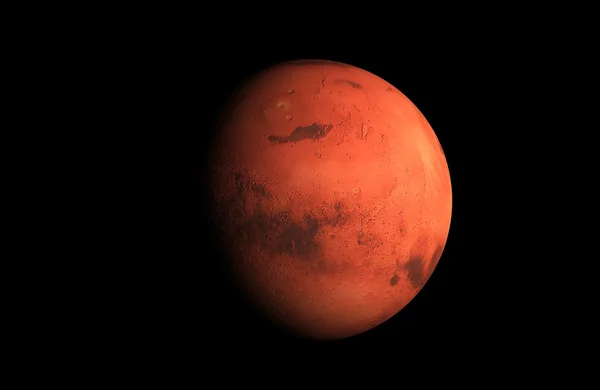
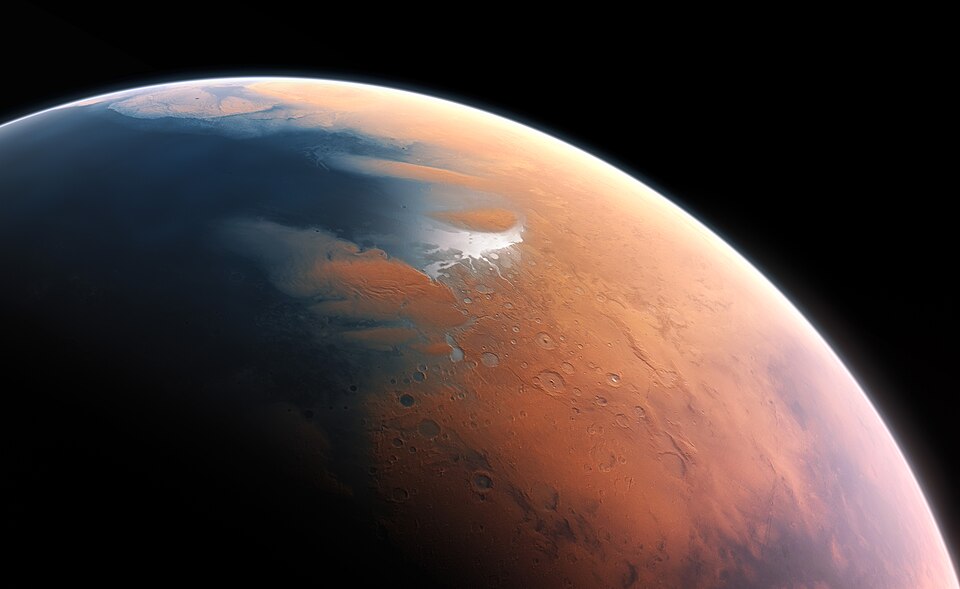
Mars once had a thick atmosphere and a global magnetic field, both vital for maintaining surface water. Geological evidence indicates that rivers and lakes lasted until about 2 billion years ago. Without a global field, the planet’s atmosphere is stripped away by the solar wind and coronal mass ejections. “We can really get that cause-and-effect at the same time,” said principal investigator Robert Lillis. “We’ve never had that before.” The data will clarify how atmospheric escape shaped Mars’ climate and gauge radiation hazards for future human explorers.
7. A SIMPLEx Model for Cost Efficiency
Funded under NASA’s Small Innovative Missions for Planetary Exploration program, ESCAPADE’s total mission cost is under $100 million an order of magnitude less than flagship Mars orbiters. It achieved that low budget by leveraging commercial spacecraft platforms, accepting higher launch risk on New Glenn’s second flight, and using dual spacecraft for redundancy. “We don’t use the word ‘cheap.’ We say, ‘high value,’” said Jeff Parker of Advanced Space.

8. Space Weather and Operational Challenges
The launch was postponed due to severe geomagnetic storms rated G4 on NOAA’s scale, which were a danger to both the commissioning and communications of spacecraft. Ironically, ESCAPADE will later study similar solar events at Mars to help forecast radiation hazards there. Its year-long loiter at L2 will allow for continuous monitoring of the Sun’s activity from a stable vantage point.
9. Implications for Future Mars Logistics
If successful, ESCAPADE’s trajectory would revolutionize Mars mission planning. Allowing launch to be decoupled from the tight planetary alignment window, it offers a method to “queue” spacecraft in deep space for synchronized departures. In human settlement scenarios requiring hundreds of launches per window, this flexibility could prove to be critical.
From the reusable booster landing to the groundbreaking interplanetary flight plan, New Glenn’s second mission showcased not only capability but also adaptability traits that will be required when Mars exploration transitions from one-off science missions to sustained human and robotic presence.


