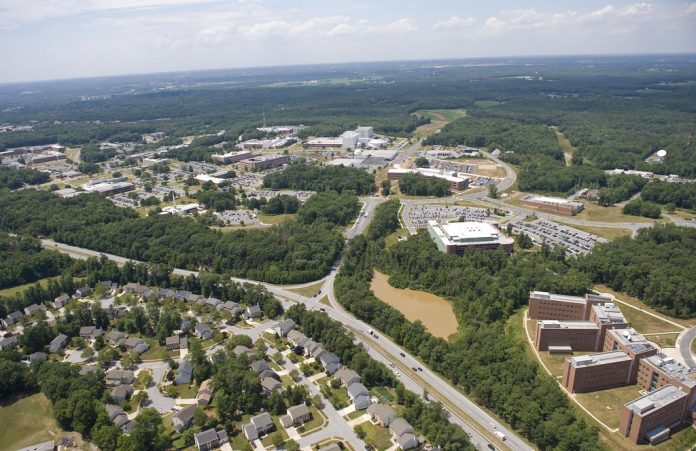
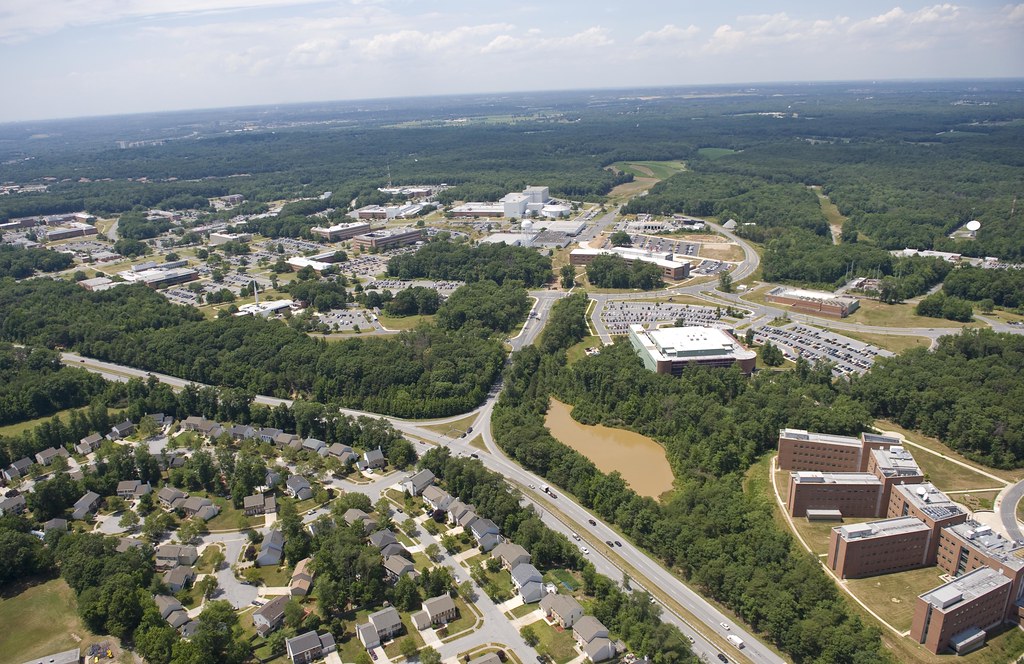
Rarely does a single letter from one member of Congress set off a chain reaction in debate about the future of space science in America, but an urgent appeal by Congresswoman Zoe Lofgren for action by NASA leadership has done just that. She called for a halt to the accelerated closure of facilities at the NASA Goddard Space Flight Center in Greenbelt, Maryland, putting the technological heart of the center under the microscope, along with questions of legality, mission readiness, and national leadership in space.

1. Congressional Intervention
Lofgren, the ranking member of the House Committee on Science, Space and Technology, wrote to Acting NASA Administrator Sean Duffy on Nov. 10 to say “disturbing reports” of the impending closures “put essential hardware and capabilities at great risk.” She called on the agency to “immediately halt all building, laboratory, facility, and technical capability closure and relocation activities” and submit to oversight by Congress and the NASA Office of Inspector General. The letter gave NASA 24 hours to confirm compliance and seven days to provide “a full accounting of the damage inflicted on Goddard thus far.”
2. Goddard’s Unique Capabilities
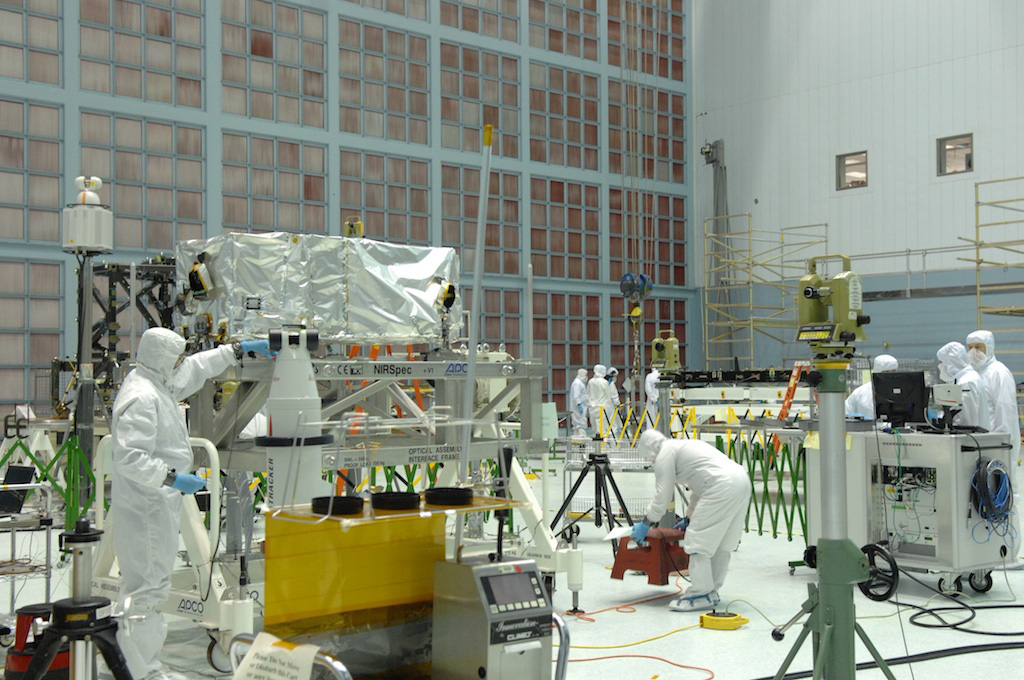
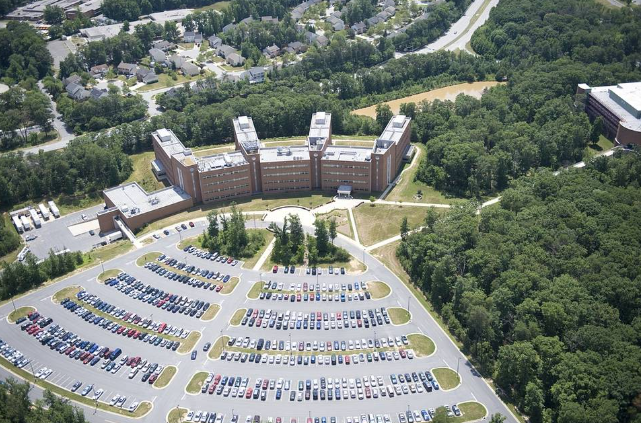
The Greenbelt campus is the largest collection of NASA scientists and engineers, housing major components such as the Science Mission Directorate and the Engineering and Technology Directorate it thus formed the nerve center for missions like the Hubble, James Webb, OSIRIS-REx, and scores of probes. It is also home to one-of-a-kind facilities like the ElectroMagnetic Anechoic Chamber, GEMAC, for testing spacecraft antennas under radio-free conditions. Closing GEMAC would eliminate the only facility with an expansive doorway large enough for big communications hardware-a capability so crucial for missions like the study of Venus by Davinci.

3. Impact on the Nancy Grace Roman Space Telescope
The Nancy Grace Roman Space Telescope is to be a wide-field survey mission to probe dark energy, exoplanets, and cosmic structure launching in 2027. Roman requires highly specialized propulsion subsystem labs and clean rooms, which are being vacated. Engineers are being given as few as four days to disassemble mission-critical workspaces, putting fragile hardware at risk of being damaged-possibly delaying a multibillion-dollar flagship mission.
4. Other Flagship Missions at Risk Besides
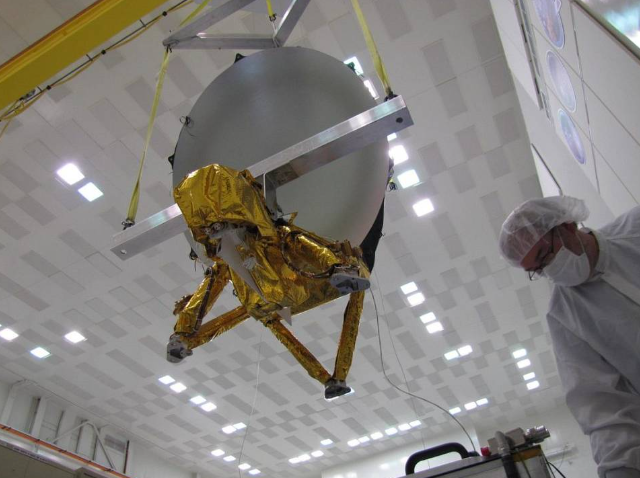
Roman, the shutdowns put at risk the Dragonfly mission-a car-sized rotorcraft set to launch to Saturn’s moon Titan in 2028 to study prebiotic chemistry and habitability. Surprise lab closures could delay subsystem integration and environmental testing schedules. While NASA had said those programs would remain intact, the engineers said eliminating in-house capability would involve using outside facilities, which could raise cost and technical risk.
5. Master Plan vs Accelerated Timelines
Leadership there claims a long-term “Master Plan” to modernize Goddard through 2037 with phased demolition, renovation and new construction. But documents show buildings slated for closure in the early 2030s are being cleared out now-with all moves to be completed by March 2026. In a letter, the Goddard Engineers, Scientists and Technicians Association called that “extreme haste and no transparent strategy,” saying valuable equipment is being discarded without replacement facilities identified.

6. Antideficiency Act Violations
The Antideficiency Act prohibits federal employees from working on a non-excepted status in the case of a government shutdown without pay. There are reports that furloughed staff were called in at times to pack up laboratories without formal approval from NASA’s Shutdown Executive Committee. Violators can face fines and imprisonment. Sen. Chris Van Hollen has said he is “looking closely into whether these actions violate the Antideficiency Act” in order to hold the administration accountable.
7. Issues with Engineering and Safety Culture
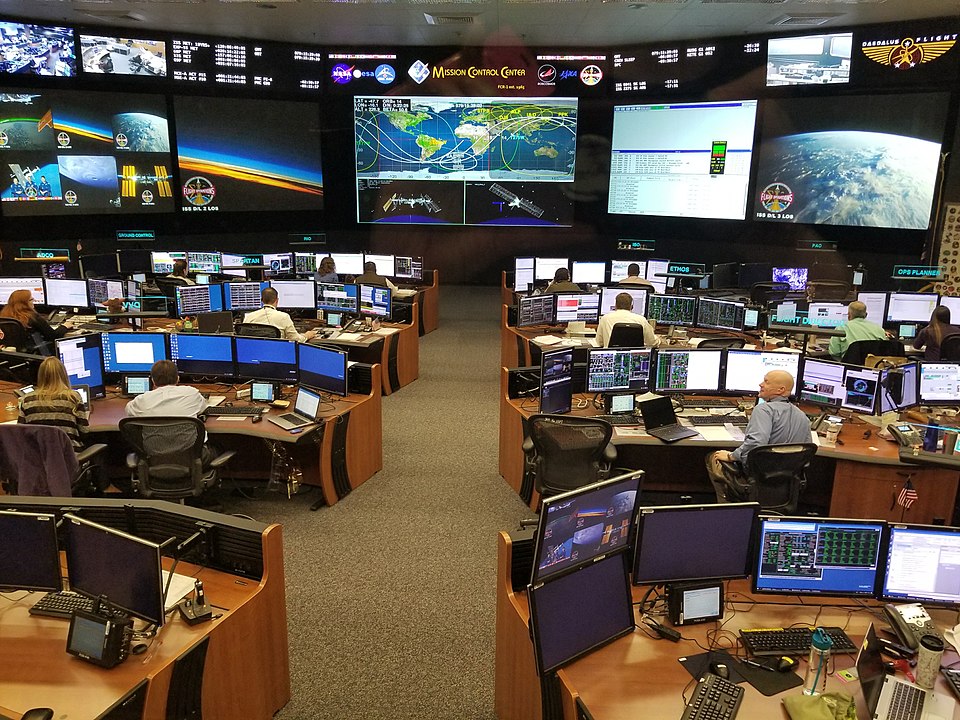
The closures come in the wake of a shift toward more rigid rules of chain-of-command authority, raising concerns that dissent in technical decision-making is being suppressed. NASA is reorganizing its Technical Authority system, which allowed engineers to raise safety concerns without consideration for schedule or budget. The Voyager Declaration, signed by 287 scientists and staff, warns this “represents a dangerous turn away from the lessons learned following the Columbia disaster,” where too rigid hierarchy contributed to fatal oversights.

8. Broader Political and Budgetary Context
A 47% cut appeared in the White House’s FY2026 budget proposal, which would cut Goddard’s science staff by 42%. The Planetary Society and other critics have called such cuts “an extinction-level event for space science and exploration in the United States.” Lofgren characterizes the closures as an “end-run” around congressional appropriations, an “effectively immediate adoption of the proposal” that jeopardizes U.S. leadership in the field of space research.
9. Morale and Workforce Attrition
The morale at Goddard has plummeted. Over 800 employees have taken the offer of deferred resignations this year, and senior leadership has turned over at a rapid pace. The campus lost its visitor center, exercise facilities, and even cafeterias. It is “an existential crisis” for the center’s role in planetary and astrophysics missions, with engineers warning private industry will not fill the gap in non-commercial science like the exploration of Jupiter.
The mix of accelerated facility closures, possible legal violations, and the impact on flagship missions has positioned Goddard’s modernization plan as a flashpoint for space policy. Now, with Congressional oversight engaged, the next few weeks will determine whether these singular engineering and scientific capabilities are preserved or if the U.S. space program will be set back a generation.


