Could a burst of charged particles from the Sun bring a billion-dollar Mars mission to a standstill? That’s just what has happened to NASA’s ESCAPADE mission, destined to ride the Blue Origin New Glenn rocket to the Red Planet. Already delayed from launch by terrestrial weather, it’s now facing an indefinite hold as a period of extreme solar activity sweeps across Earth’s magnetic field, triggering auroras visible far south of their usual latitudes and posing risks to spacecraft electronics and communications.

1. The Solar Storm Behind the Delay
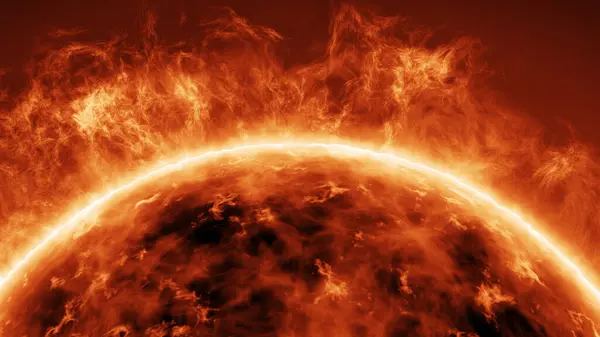
NOAA reported geomagnetic storm conditions at G3 (strong) on November 12, following an earlier peak of G4 (severe) that morning. The European Space Agency confirmed an intense solar flare at 10:04 UTC and a subsequent coronal mass ejection traveling toward Earth at approximately 1,500 km/s. Such high-speed plasma clouds can inject large amounts of energy into the magnetosphere, potentially overloading its capacity to shield satellites from radiation and generating operational hazards.
2. Risks to the ESCAPADE Spacecraft
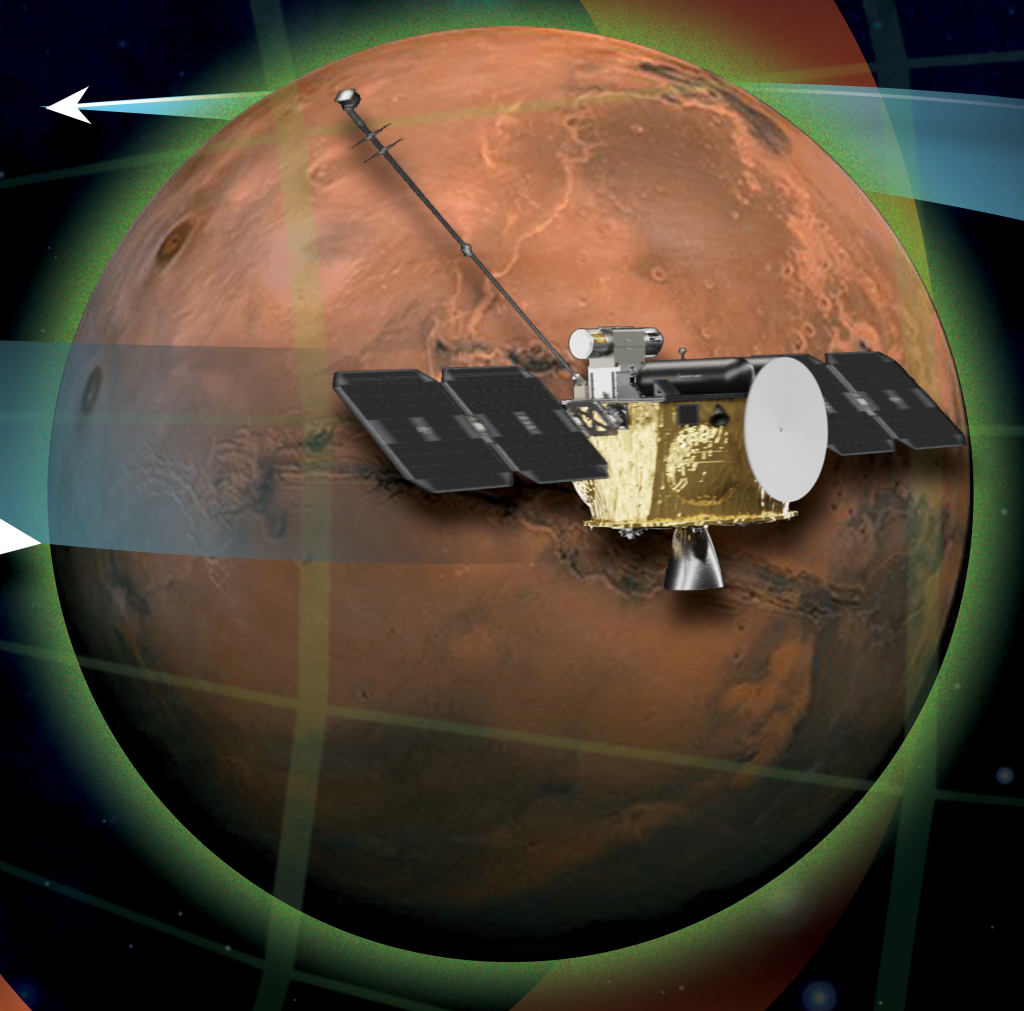
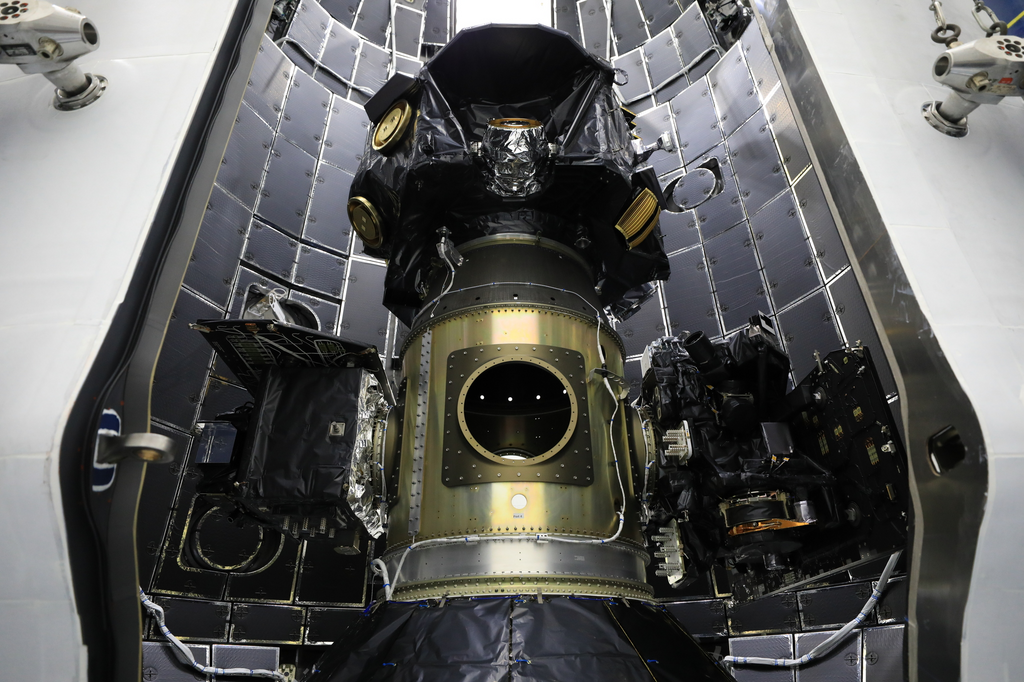
NASA’s decision came in anticipation of high-energy electrons penetrating spacecraft shielding, which can result in electrical discharges inside on-board systems. These discharges may result in damage to sensitive instruments or corruption of mission-critical data. The twin ESCAPADE orbiters, built by Rocket Lab, will study exactly how solar wind strips away the atmosphere of Mars, but ironically, it is the same kind of space weather they are going to investigate that is keeping them grounded.
3. Engineering Challenges of Space Weather
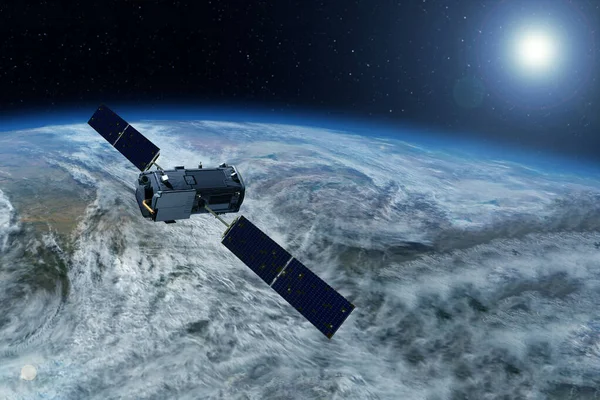
Strong geomagnetic storms can also cause atmospheric expansion in the thermosphere, increasing drag on spacecraft in low-Earth orbit. While ESCAPADE will travel beyond Earth’s immediate atmospheric influence, the launch phase exposes it to heightened radiation and potential communication disruptions. Engineers mitigate such risks with radiation-hardened components and shielding, but extreme events like this storm can exceed design tolerances, making launch during peak activity a gamble.
4. The New Glenn Heavy-Lift Rocket
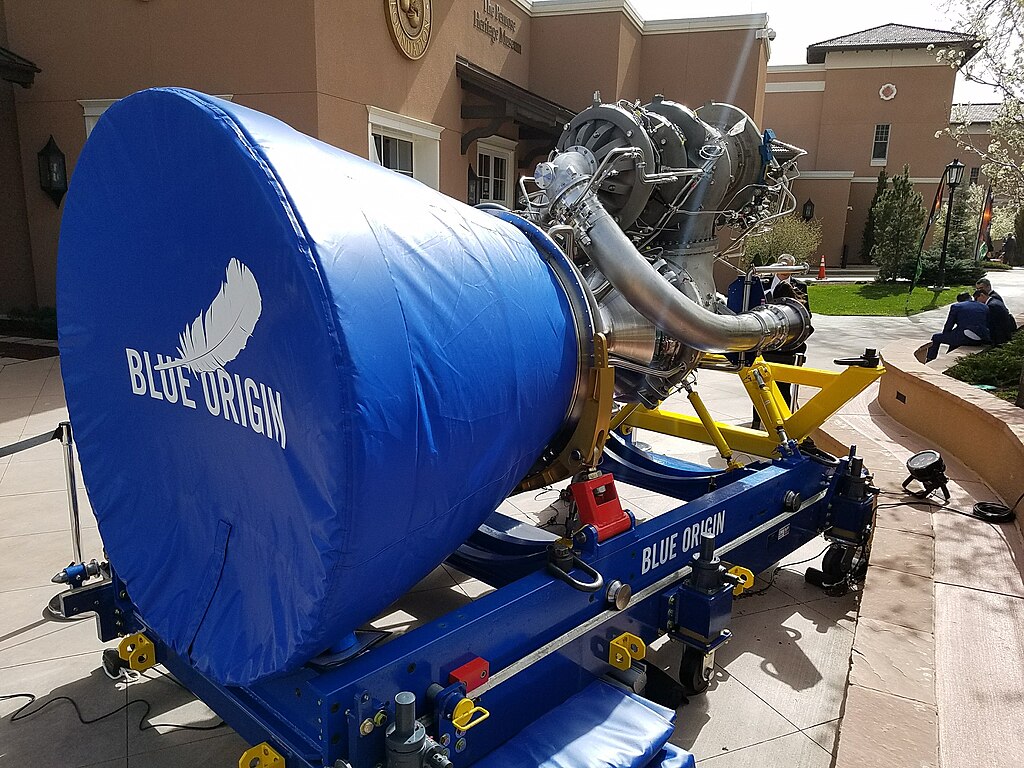
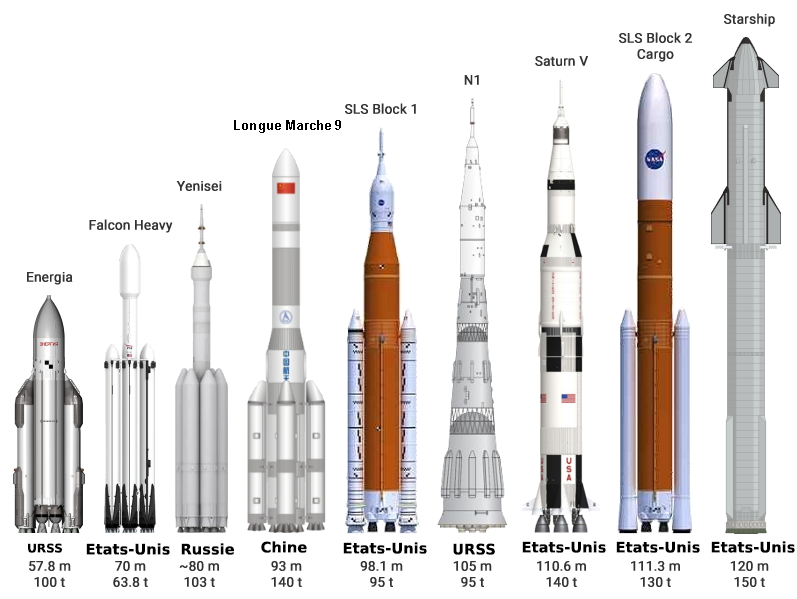
New Glenn, built by Blue Origin, is a 322-foot-tall, reusable, two-stage heavy-lift vehicle, able to take payloads into orbit and beyond. The first stage of the New Glenn rocket, nicknamed “Never Tell Me the Odds,” is designed for up to 25 flights, coming down onto the drone ship Jacklyn after staging. On its maiden launch in January 2025, it reached orbit but lost its booster during recovery. The ESCAPADE mission will fly not just the Mars probes aboard New Glenn, but also the Viasat HaloNet Technology Demonstrator for enhanced space communications.

5. Mission Objectives at Mars
ESCAPADE short for Escape and Plasma Acceleration and Dynamics Explorers will arrive at Mars orbit in September 2027, commencing a science campaign from June 2028 to May 2029. The two orbiters, named Blue and Gold, will measure plasma, radiation, and magnetic fields in both the solar wind and within Mars’ upper atmosphere. Quantifying the rates of atmospheric escape should help to elucidate how Mars shifted from a wetter, warmer world to the arid planet that exists today.

6. FAA Launch Restrictions Compounding Delays
The Federal Aviation Administration has ordered a curfew on commercial launches for the period between 10 p.m. and 6 a.m. local time due to strained air traffic control staffing during the ongoing U.S. government shutdown. The daytime ban is thus forcing operators like Blue Origin to request exemptions for rescheduling. The restriction comes at one of the most intense launch cadences in history, further complicating the selection of a new launch window.
7. Space Weather Monitoring and Forecasting
Today, modern space weather forecast centers like NOAA’s Space Weather Prediction Center and ESA expert service networks monitor solar activity in real time. Missions like NASA’s IMAP and SWFO-L1, launched in September, provide upstream solar wind measurements that help make better forecasts. However, as history has shown-including the 2022 Starlink satellite loss-even the most advanced models can sometimes underestimate the actual impact a geomagnetic storm will have, highlighting the need for conservative launch decisions during such intense events.
8. Radiation Shielding Technologies
Spacecraft designers use multilayer shielding, conductive enclosures, and fault-tolerant electronics to harden against radiation. In deep space missions, such as ESCAPADE, shielding involves a delicate balance between mass constraints and protection levels. While these might mitigate moderate storms, extreme events can still produce anomalies. Launch during quieter solar conditions offers the best opportunities for mission safety and longevity.
The volatility of the Sun is a reminder that the success of interplanetary exploration depends not just on rocket readiness and engineering precision but also on the unpredictable rhythms of our star. For Blue Origin and NASA, patience in the face of space weather may be the most critical step toward ensuring the success of ESCAPADE.


