Could a shard of some other star system have just broken apart right near the Sun? In late October 2025, astronomers saw 3I/ATLAS-the only third confirmed interstellar object-undergo a spectacular brightening as it swung past perihelion. What followed was a flurry of data indicating fragmentation, unusual acceleration, and chemical signatures unlike any comet seen before. This rare event offers a front-row seat to the physics of ancient extrasolar debris under extreme solar stress.
Interstellar visitors are few and far between, each carrying material forged around a distant star billions of years ago. 3I/ATLAS, discovered in July of 2025, has challenged assumptions about comet composition, dynamics, and survival. As Earth- and space-based telescopes continue to track its evolving state, scientists are piecing together a complex story of orbital mechanics and astrochemistry and the tantalizing possibility of recorded phenomena never before seen.
1. Sudden and Unprecedented Brightening
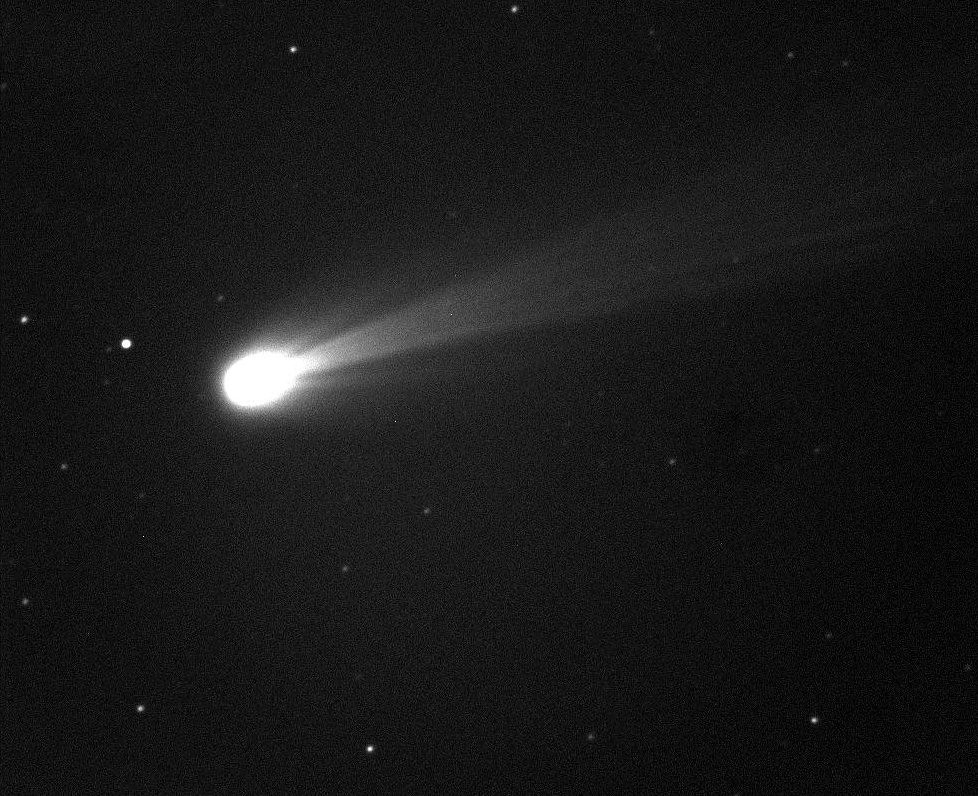
As 3I/ATLAS approached the Sun at close proximity, its brightness increased considerably beyond the usual characteristics exhibited by comets. Solar observatories reported a brightness scaling inversely with distance to the power of −7.5, an extremely steep relation indicative of rapid physical change. The object’s coma developed peculiar tail structures, such as an anti-tail pointing sunward, suggesting intense outgassing or structural failure. Such rapid brightening often precedes fragmentation and raises immediate questions about the integrity of the comet.
2. Signs of Fragmentation
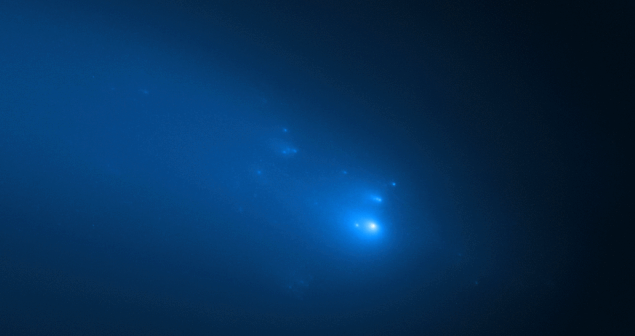
Imagery post-perihelion showed diffuse structures consistent with multiple fragments. Some analyses indicate that the body may have fractured into more than a dozen pieces, losing a huge percentage of its mass in that process. This could account for changes both in trajectory and acceleration which were found in tracking data. If confirmed, it would be the first observed disintegration of an interstellar object inside our solar system, offering a rare chance to study breakup mechanics in alien material.

3. Non-Gravitational Acceleration
Precise orbital measurements revealed a velocity change unattainable by solar gravity. For example, NASA’s Jet Propulsion Laboratory derived radial and transverse accelerations of 135 and 60 km/day² when 1I/‘Oumuamua was at 1.36 AU from the Sun. Such forces are consistent with large‑scale mass loss, possibly from jets or explosive fragmentation. The anomaly mirrors the unexplained acceleration seen in 1I/‘Oumuamua, underscoring how interstellar bodies can defy conventional models.
4. Exotic Chemical Composition
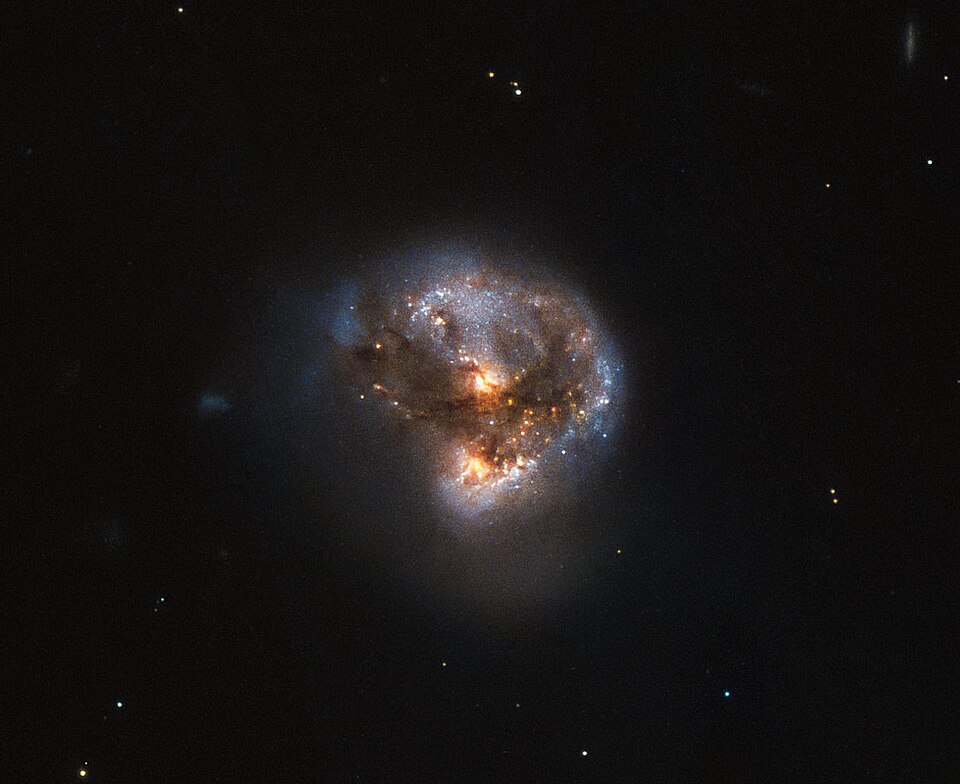
Spectroscopy revealed a coma dominated by CO₂-87% by mass-with a very small amount of water vapor, supplemented by a nickel‑to‑iron ratio far from chondritic norms. These characteristics are suggestive of formation in a cold, volatile‑rich environment different from our protoplanetary disk. Adding to the anomalies is the blue color evidencing at perihelion, arguably due to ionized carbon monoxide. This kind of chemistry challenges cometary classification and could reflect billions of years of interstellar radiation processing.
5. Solar Heating and Structural Failure
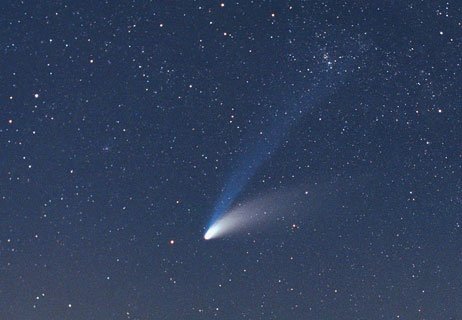
Approaching perihelion, 3I/ATLAS endured solar flux of 700 J/m²/s. Sublimation of CO₂ and internal pressure buildup might have cracked or shattered the nucleus. Jets extending millions of kilometers imply months of sustained activity. For an object possibly as small as 320 meters across, such mass loss rates ramping up from hundreds of pounds per second in August to over 4 million pounds per second in October point to catastrophic weakening.
6. A Dormant Return
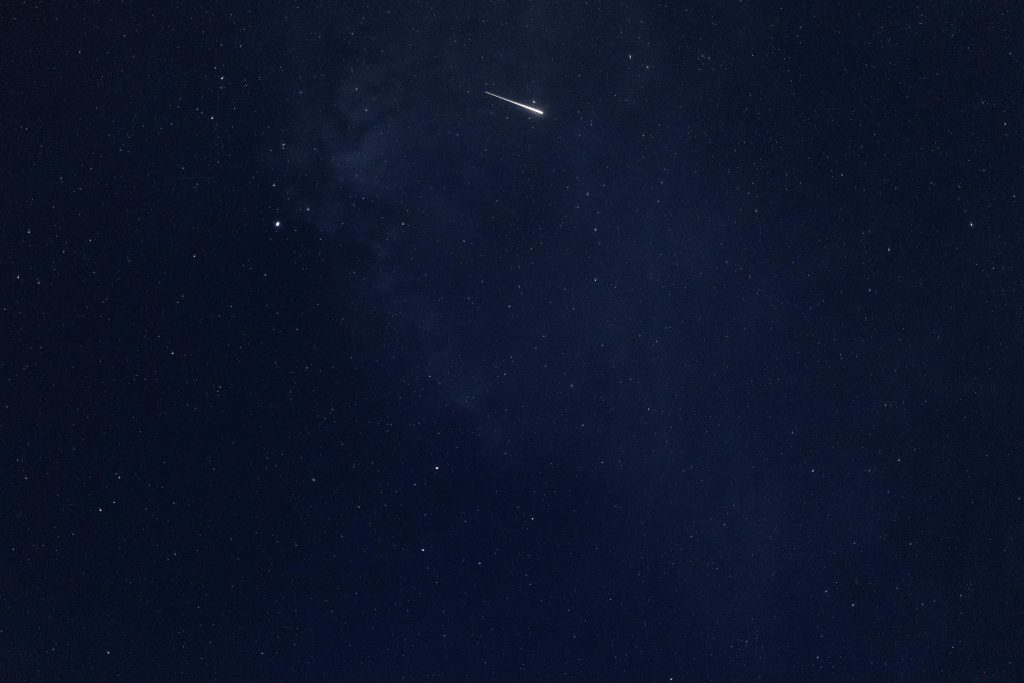
The images obtained in early November from Spain’s R. Naves Observatory showed the object as a compact, tailless nucleus. Contrary to all expectations, no sign of any dust or gas emissions after perihelion, when recent solar storms were rounding off, may imply depletions of the volatile layer, or change in the composition that would blur the borderline between comets and asteroids. Transformation in weeks from active jets to an inert body is unprecedented in cometary science.
7. Tracing Its Galactic Origins
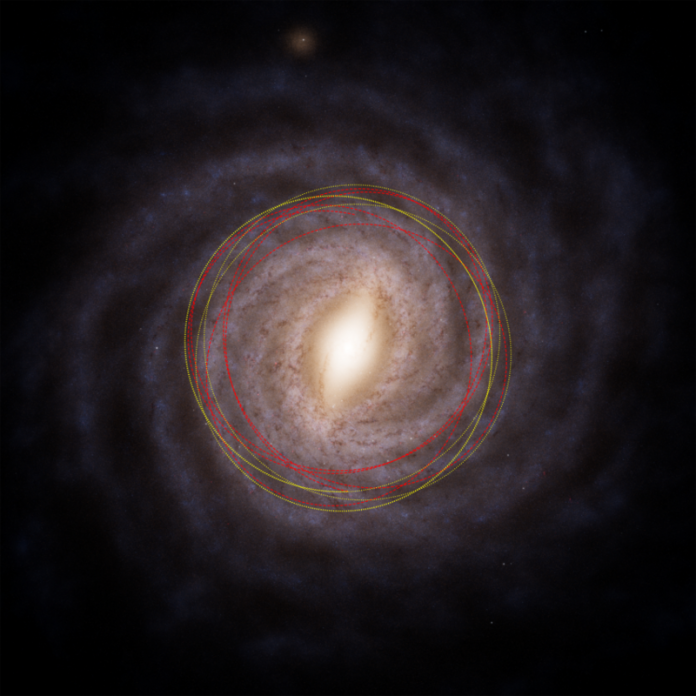
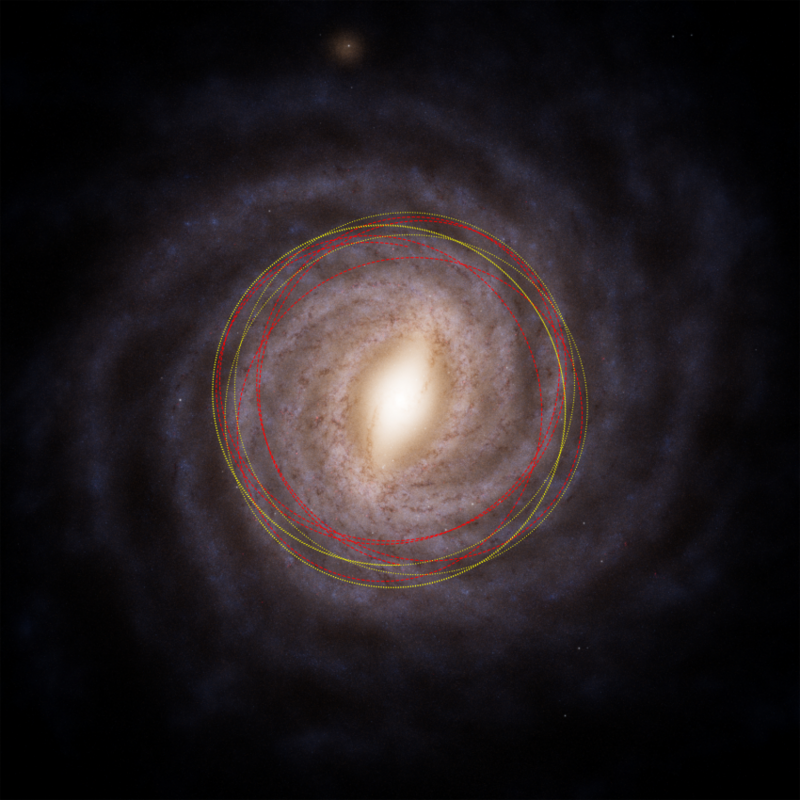
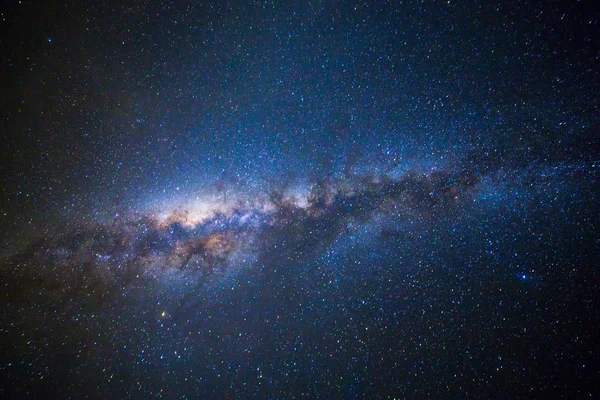
Trajectory analysis shows 3I/ATLAS came from the direction of Sagittarius, near the center of the Milky Way. Backtracking over 10 million years revealed no stellar encounters that significantly changed its course-the implication of this being that it has been drifting unperturbed for eons. The probable location of its origin in the galaxy’s thin disk implies formation in a younger stellar environment, although its estimated age-more than 7 billion years-predates our solar system.
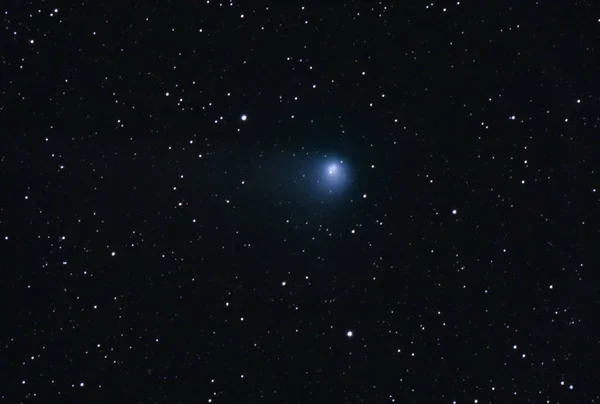
8. High‑Velocity Passage
Traveling at roughly 130,000 mph, 3I/ATLAS holds the record for the fastest visitor to the solar system. This reflects the cumulative gravitational boosts from its innumerable stellar flybys, and with this velocity, it follows a hyperbolic orbit such that it will never return. The very brief window of observation requires rapid and coordinated study in hopes of capturing its unusual properties before it’s lost in interstellar space.
9. Implications for Interstellar Object Science
The extreme brightening, possible fragmentation, and sudden dormancy of 3I/ATLAS all force a reevaluation of how alien bodies respond to stellar encounters. If interstellar comets are inherently more volatile or simply fragile compared to native ones, survival rates around stars may be very low. This has implications for predictions of detectability and planning future interception missions, such as ESA’s Comet Interceptor.
10. The Next Observation Milestones
The moment of closest approach to Earth on December 19, 2025, at about 269 million km, will be key. Searches for fragments, the measurement of jet composition, and refining size estimates from ground‑based arrays, Hubble, and Webb will be conducted. Follow‑up during its Jupiter flyby in March 2026 may yield whether any nucleus survived intact. These campaigns will determine whether the perihelion passage of 3I/ATLAS was a terminal event or a dramatic transformation.
The 3I/ATLAS encounter is more than a fleeting astronomical curiosity it’s a stress test of our understanding of small bodies from beyond the solar system. Each anomaly-chemical, dynamical, or morphological-adds to the growing recognition that interstellar visitors may operate according to rules unfamiliar to solar system science. When the data from forthcoming observations finally arrive, they will either confirm a spectacular disintegration or reveal a new mode of cometary evolution, deepening the mystery of what drifts between the stars.


