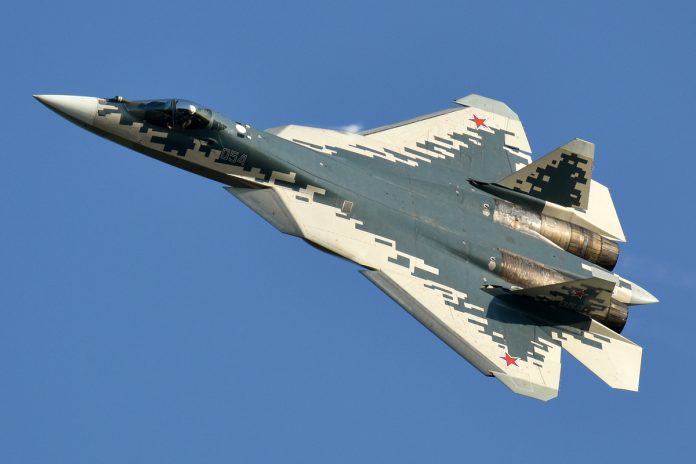
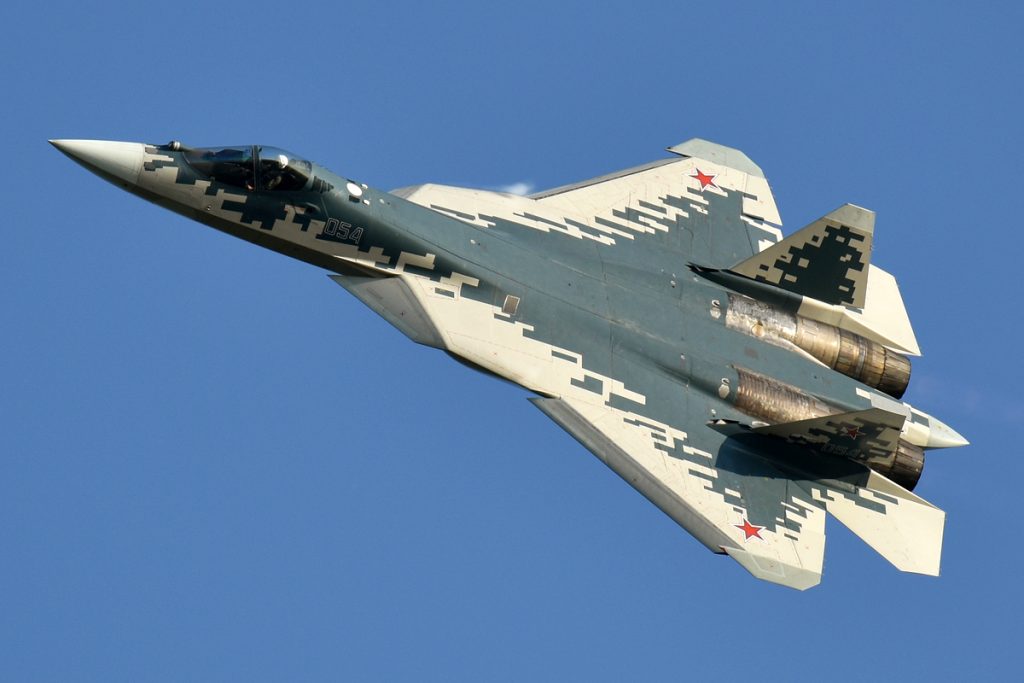
“Quantity has a quality all its own” goes the old maxim, often attributed to Soviet military thinking. But in the case of Russia’s Su‑57 Felon, even quantity has been hard to come by. As Moscow readies a high-profile pitch at the Dubai Airshow 2025, the aircraft’s story is one of an ambitious design, constrained production, and a widening gap with its Western and Chinese rivals. Conceived as Russia’s answer to the F‑22 Raptor and F‑35 Lightning II, the Su‑57 was supposed to be a stealthy, super‑maneuverable multirole fighter that would restore parity in the age of fifth‑generation air combat.
A decade after its first flight, however, it remains a rare sight in service, with only a handful delivered each year. Sanctions, technical hurdles, and a thin export pipeline have kept the Felon from becoming the force multiplier its designers envisioned. The list below looks at the nine critical aspects of the Su-57 program-from stealth compromises to the engine saga, from export struggles to industrial bottlenecks-all combining to explain why, for this jet, visibility rises but viability is in question.
1. Algeria Becomes the First and Only Export Buyer
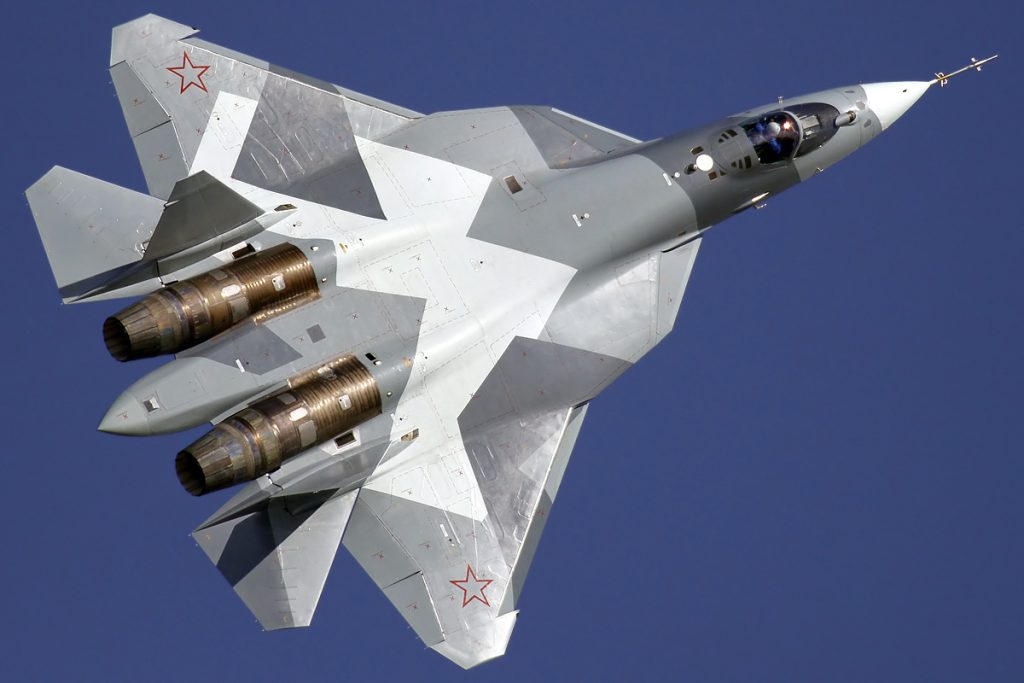
After years of rumors and speculations, Algeria firmed up the purchase of six Su‑57E fighters, which are slated for delivery in 2025. This makes it the first foreign operator of the Felon a milestone Russia has pursued since creation of the aircraft with already Algerian pilots training in Russia and rumors of a follow on order for eight more airframes.
The deal comes amidst a regional arms race with Morocco, which has acquired F‑16 Block 72s and is eyeing F‑35s. Yet beyond Algeria, the Su‑57 has failed to secure firm commitments: Iran and Ethiopia have been floated as prospects, but no contracts have materialized, underscoring the program’s limited export traction.
2. Stealth Claims Undermined by Radar Cross‑Section Reality
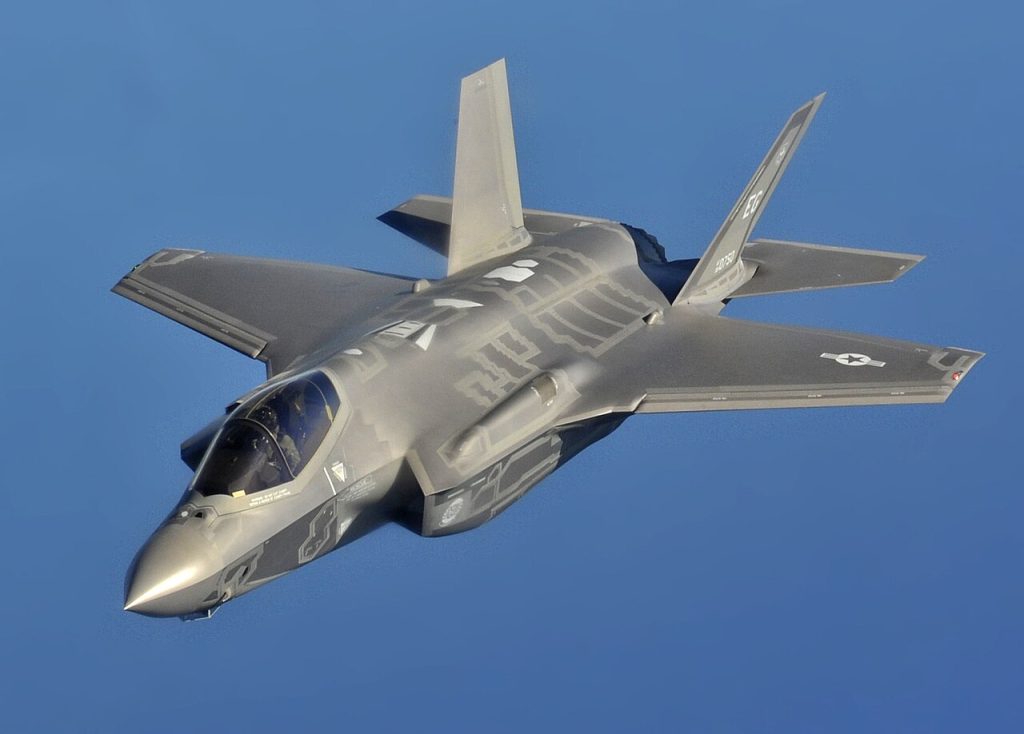
While Russian sources tout the Felon’s low‑observable design, independent assessments tell a different story: Sukhoi’s own RCS goal of 0.1–1 m² is far larger than the F‑35’s ~0.0001 m²; analysis cited by aviation expert Abhirup Sengupta suggests systems such as the S‑400’s 91N6E radar could detect a Su‑57 from 155 km six to ten times farther than an F‑22 or F‑35.
This is the consequence of the design focus on super‑maneuverability over all‑aspect stealth, visible engine faces, and absence of serpentine intakes. The Felon thus features a radar signature more akin to that of a clean F/A‑18 Super Hornet than its American fifth‑generation brethren.
3. Internal Weapons Bays: A Selling Point with Limits
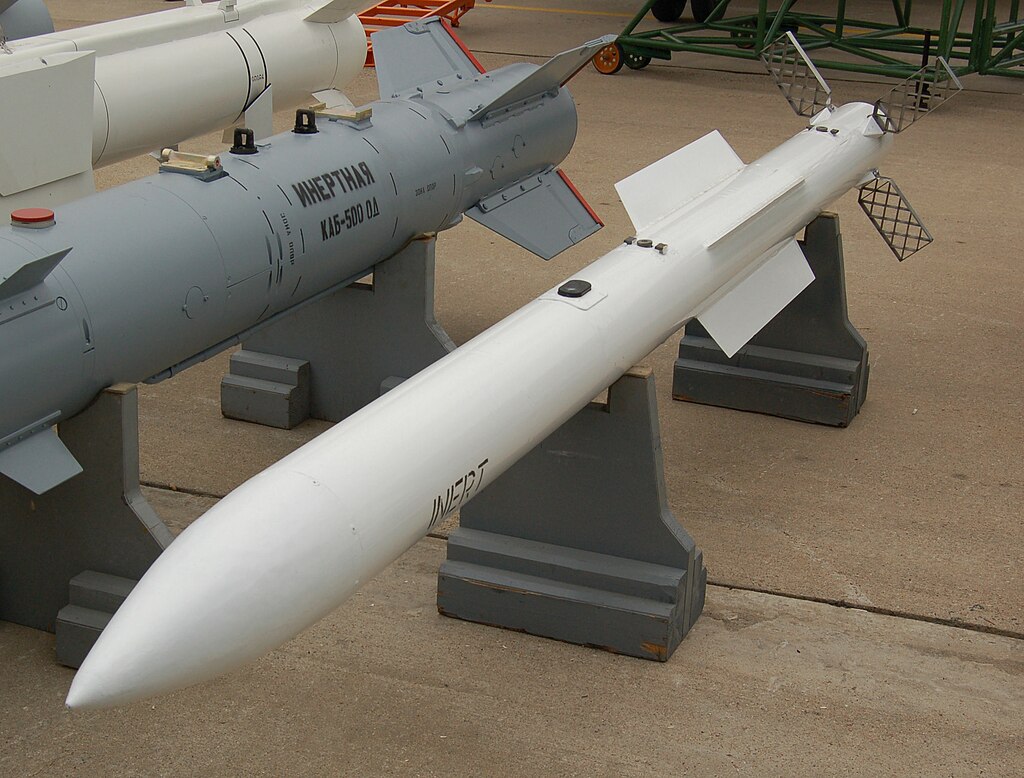
Ahead of Dubai, United Aircraft Corporation published rare footage of the Su‑57’s tandem main bays loaded with Kh‑58UShK anti‑radiation missiles. These bays can accommodate weapons up to 14 feet long, including R‑77M and izdeliye 810 air‑to‑air missiles, Kh‑69 strike missiles and precision-guided bombs.
Internal carriage preserves whatever stealth the Felon offers but trials did not start until 2016, six years after first flight. Where low observability is not critical, the jet can carry more ordnance on six external pylons, but with a much larger radar signature.
4. The Long Road to a True Fifth‑Generation Engine
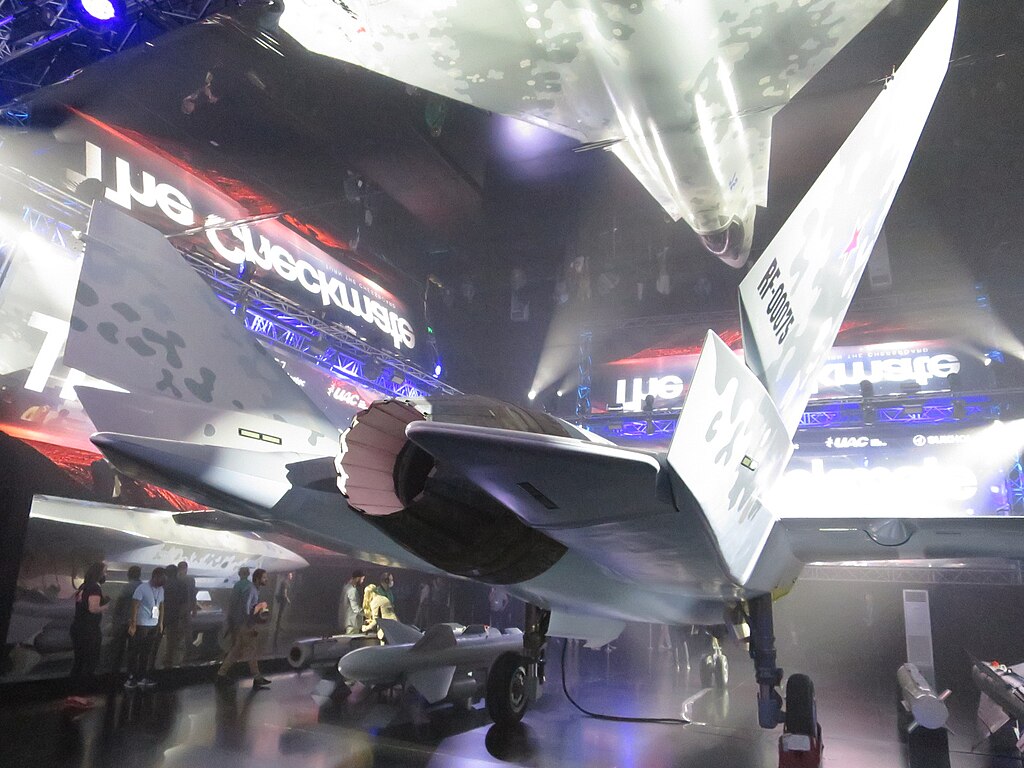
Most Su‑57s still fly with AL‑41F1 engines, derivatives of Su‑35 powerplants. A planned second‑stage engine, the AL‑51F1 (Izdeliye 30), promises 17–18 tons of thrust, supercruise capability, and improved fuel efficiency. Its first test flight was in December 2017 but integration has been slow.
Delays in fielding Izdeliye 30 have kept the Felon from meeting a core fifth‑generation benchmark. Widespread installation is now expected only from the mid‑2020s, with current production jets limited to interim performance.
5. Questionable Quality of Manufacturing
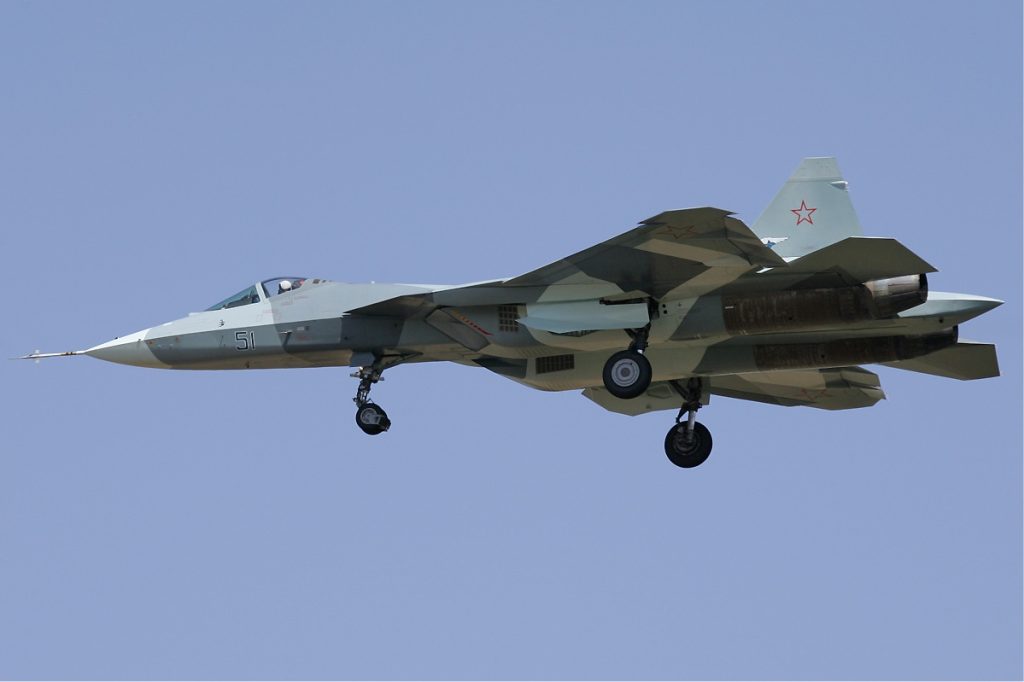
Close-up imagery from production aircraft has revealed visible panel gaps, mismatched fasteners, and general poor assembly. In addition to showing poor workmanship, these defects also degrade stealth performance because they present radar-reflective edges.
Sanctions have choked off access to advanced composites, precision tooling, and microelectronics, forcing reliance on dual‑use civilian substitutes. The resulting production process struggles to match the tolerances called for by low‑observable designs.
6. Production Bottlenecks and Sanctions Pressure
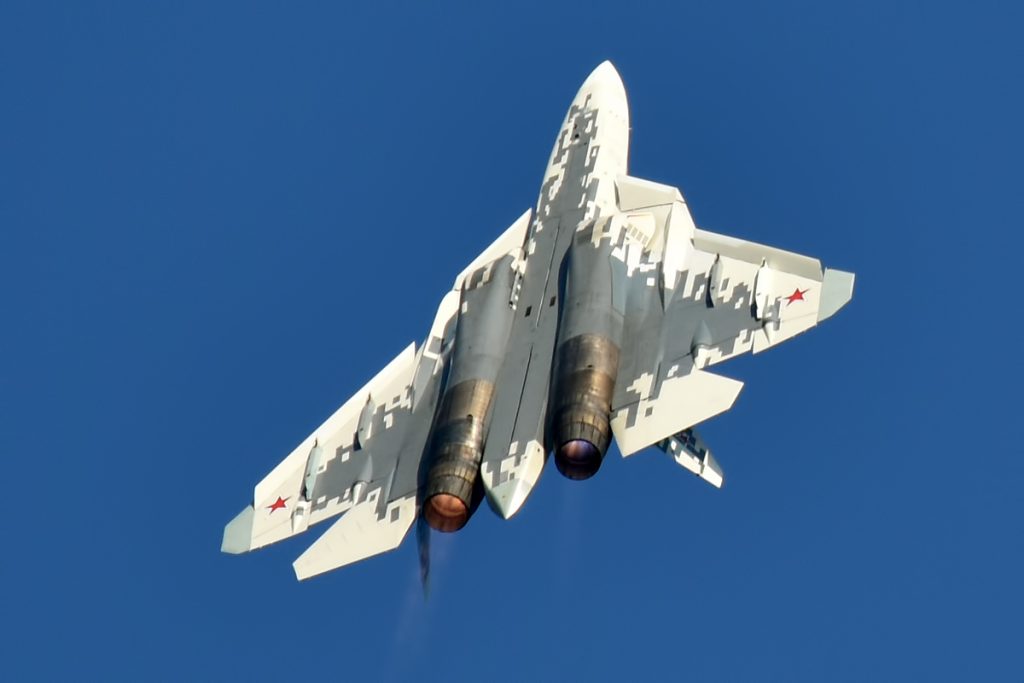
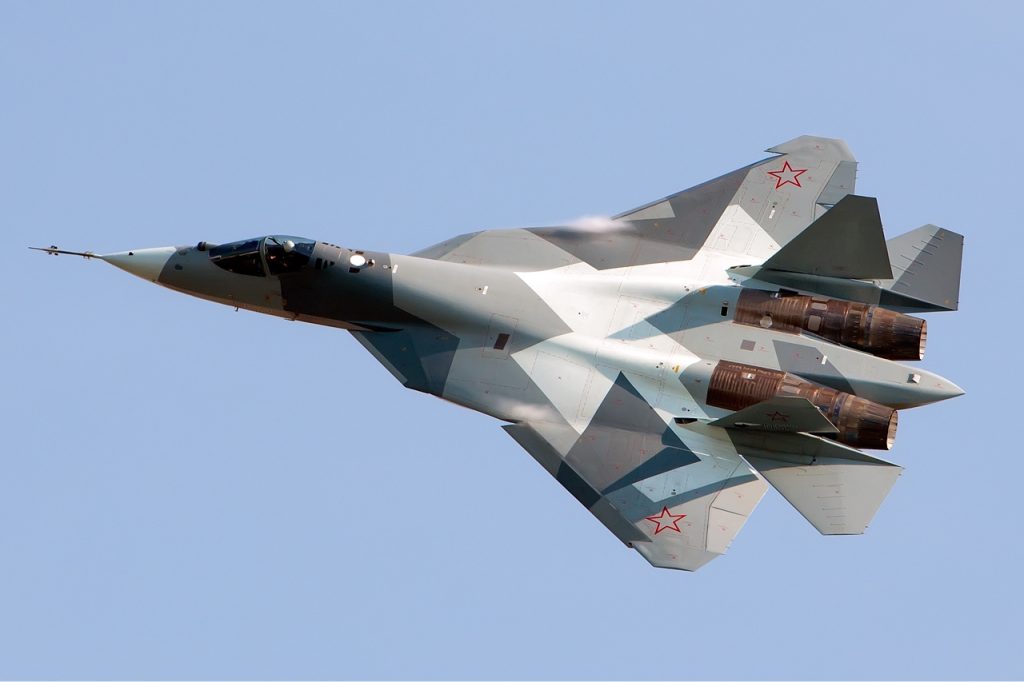
Deliveries from the Komsomolsk‑on‑Amur plant have been a trickle, with only five delivered by September 2025 against a target of 22, reflecting supply chain problems, shortages of skilled labor, and competition from other programs. US and EU sanctions ban the importation of avionics, radar components, and high‑precision machinery. Limited domestic production capacity has constrained localization attempts so far, with industrial throughput emerging as the decisive constraint on the future of the program.
7. Combat Record: Sparse and Ambiguous
The Su‑57 has had limited operational use. Deployments to Syria were short and likely related to sensor and weapons testing. In Ukraine, there are reports that some Su‑57 aircraft occasionally attack with long‑range missiles, although hard evidence remains limited. Questions about the survivability and effectiveness of the Felon against peer adversaries in contested airspace remain unanswered without such combat employment.
8. Price Advantage But at What Cost?
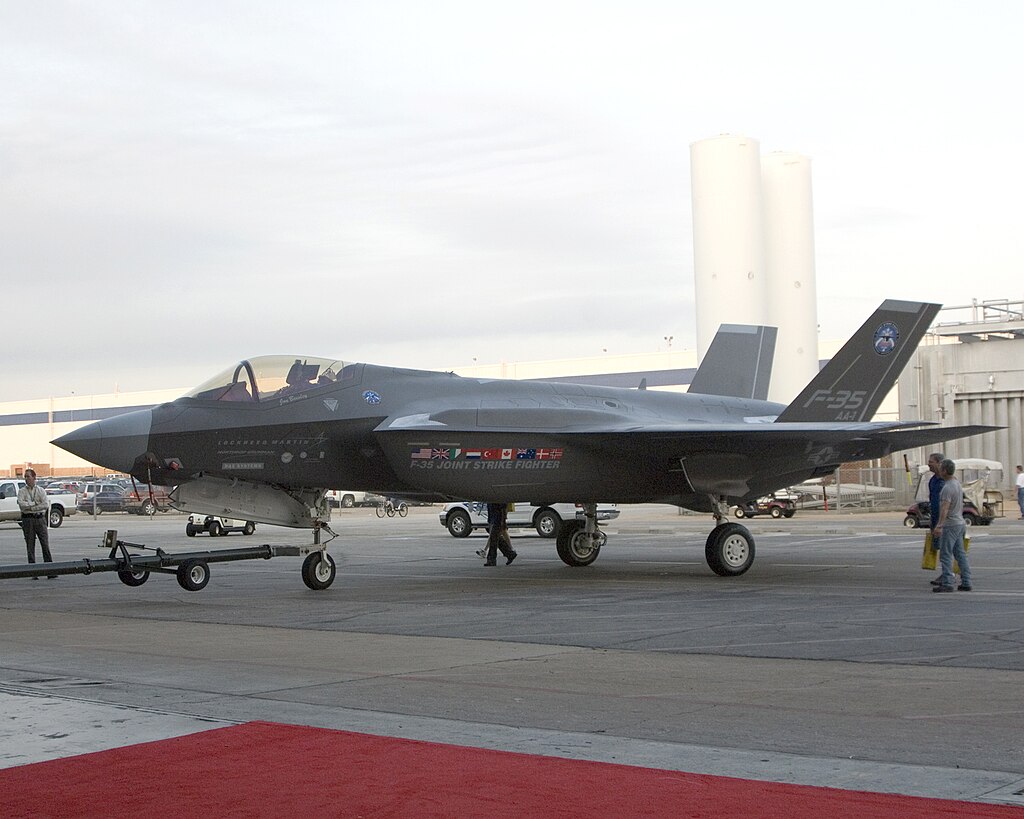
At an estimated $54 million per unit, the Su‑57 is somewhat competitively priced compared to the F‑35 or China’s J‑20. Proponents argue this could allow Russia-or export customers-to buy more airframes for a given budget. Still, its lower cost reflects compromises in stealth, avionics integration, and production scale. The trade may be too steep for a buyer wanting a true fifth‑generation capability.
9. Strategic Position: Between Generations
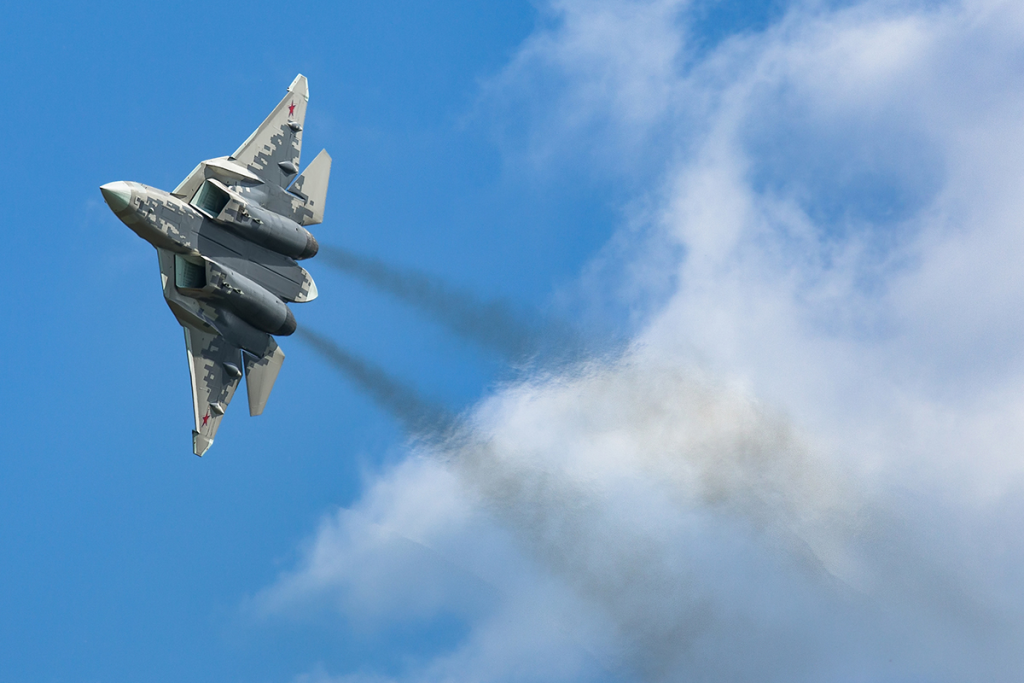
The Felon brings together modern sensors, thrust‑vector agility, and partial stealth, placing it in a category somewhere between advanced fourth‑generation fighters and full‑spectrum fifth‑generation jets. This philosophy reflects Russia’s industrial realities and the doctrinal reliance on maneuverability. But in a world where networked, low‑observable platforms define high‑end air combat, that middle‑ground approach risks rendering the Su‑57 outclassed in the very missions it was designed to win.
From prototype to limited service, the journey of the Su-57 shows it to be a fighter caught between ambition and restraint. Its designers have produced a fast, agile, and versatile aircraft-but one whose stealth, production rate, and systems maturity lag behind its peers. Algeria’s order will be the first time the Felon goes into foreign hands, offering a real-world test of export appeal. Whether that sparks broader adoption-or confirms its niche status-will depend on how quickly Russia can overcome the industrial, technological, and geopolitical headwinds now defining the program.


