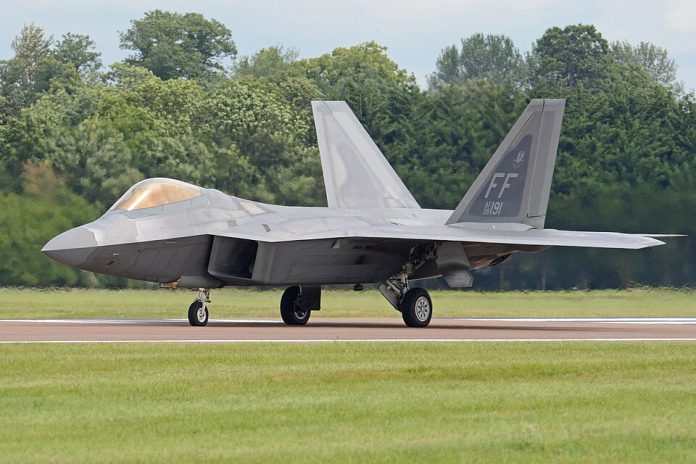
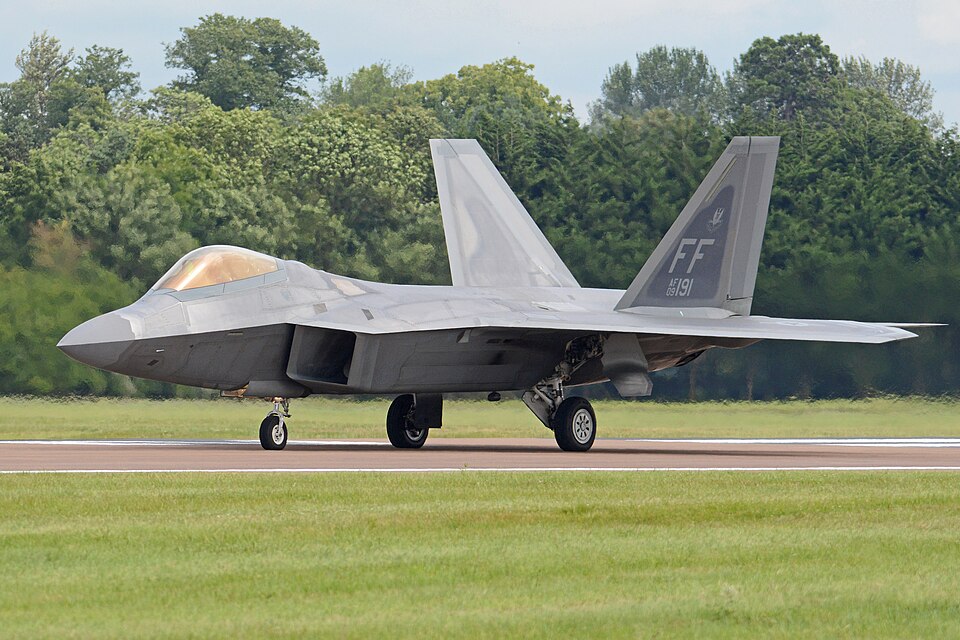
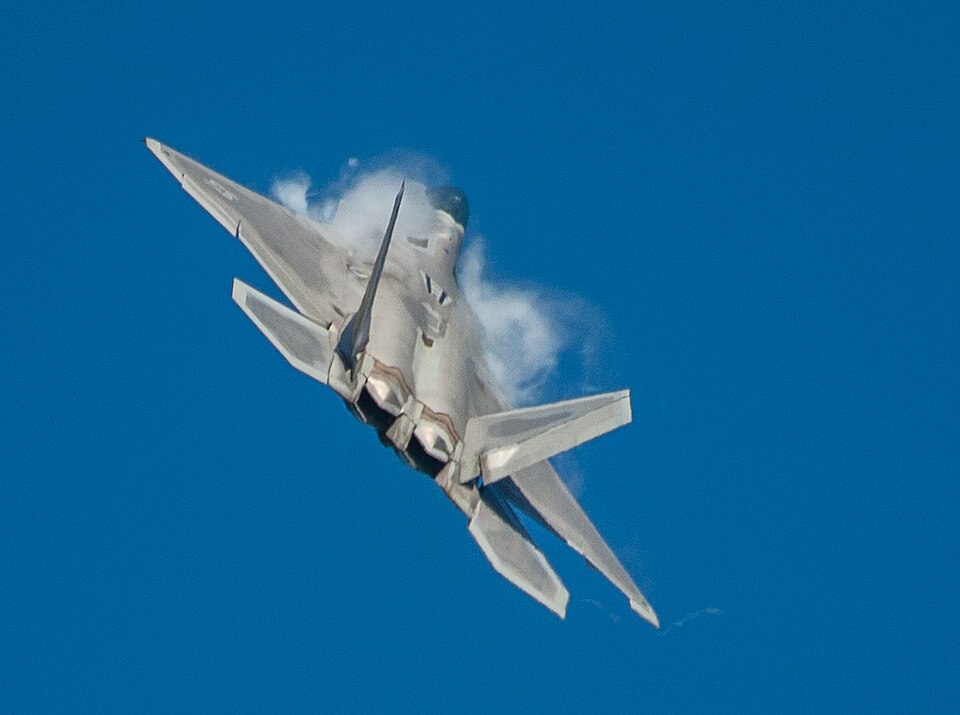
For many years, the F‑22 Raptor had been presented as an untouchable apex predator in the skies-a so-super-advanced aircraft that foes could only dream of matching. Behind the polished image, however, lay a series of vulnerabilities, maintenance headaches, and strategic limitations the U.S. Air Force has quietly managed oftentimes outside of public gaze.
While the Raptor remains a fearsome air‑to‑air fighter, the operational reality is complex. From the fragility of its stealth skin to the constraints of its range, these issues expose how even the most vaunted aircraft can be constrained by design trade-offs, logistical dependencies, and emerging threats. Here are ten critical shortcomings that temper the legend of the F‑22.
1. Maintenance Missteps with Million‑Dollar Consequences
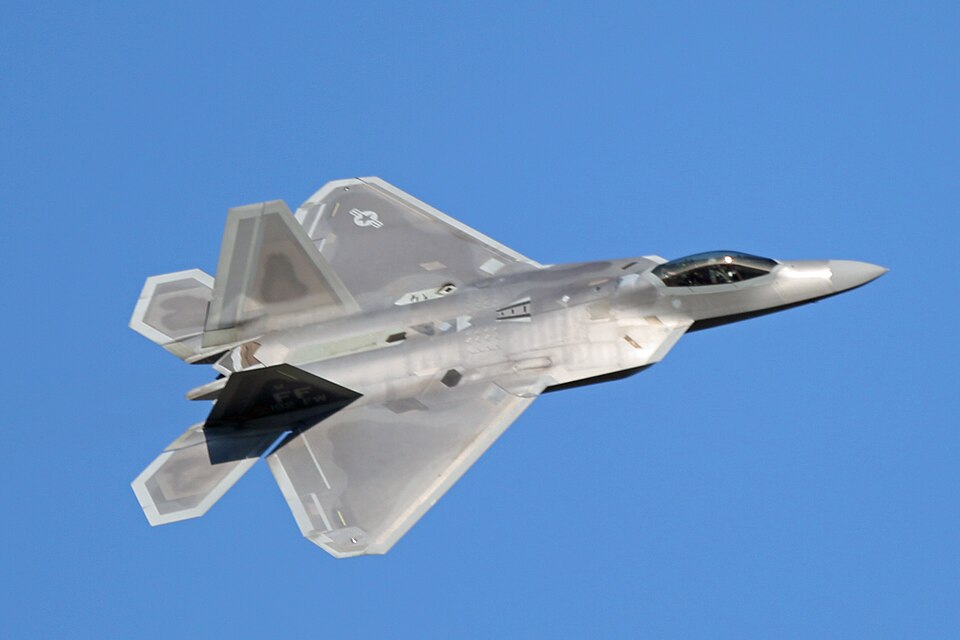
In October 2020, an F‑22 at Nellis Air Force Base was badly damaged when its auxiliary power unit overheated due to a series of procedural mistakes. Investigations cataloged a series of oversights missing safety tags, incorrectly set switches, and the absence of an exhaust duct that might have prevented hot gases from scorching cables and structural components. The repair bill reached nearly $2.7 million. The Air Force Accident Investigation Board faulted distractions associated with a visiting VIP for compounding the unit’s lax safety culture. The incident underlined how little room for error there is in the Raptor’s complexity, and how human factors can be just as damaging as hostile fire.
2. Fragile Stealth Skin and High Upkeep Costs
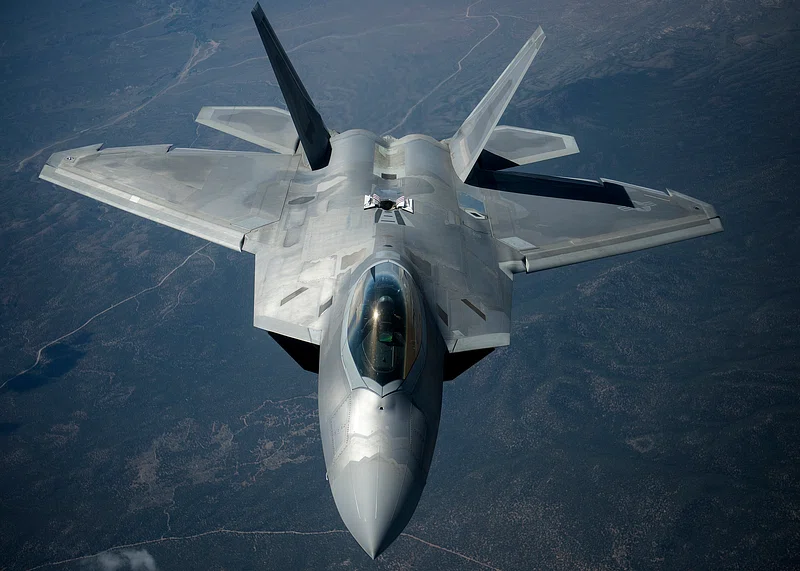
The RAM coating on the F‑22 is crucial to its low observability, but it deteriorates quickly under high‑G maneuvering, weather, and environmental exposure. During airshows like EAA AirVenture, aircraft have showcased corrosion and missing RAM sections, giving glimpses of the complex composite structures underneath. Skin restoration is labor-intensive, including sanding, chemical treatments, and layered reapplication within climate-controlled bays. The process contributes to an estimated $60,000 per flight hour cost and a mission-capable rate hovering near 50 percent. As Senior Airman Joshua Moon noted during Red Flag, even minor tears can make the jet easier to detect, forcing maintainers to keep damage “to a minimum to where you can’t see it on radar.”
3. Limited Internal Payload
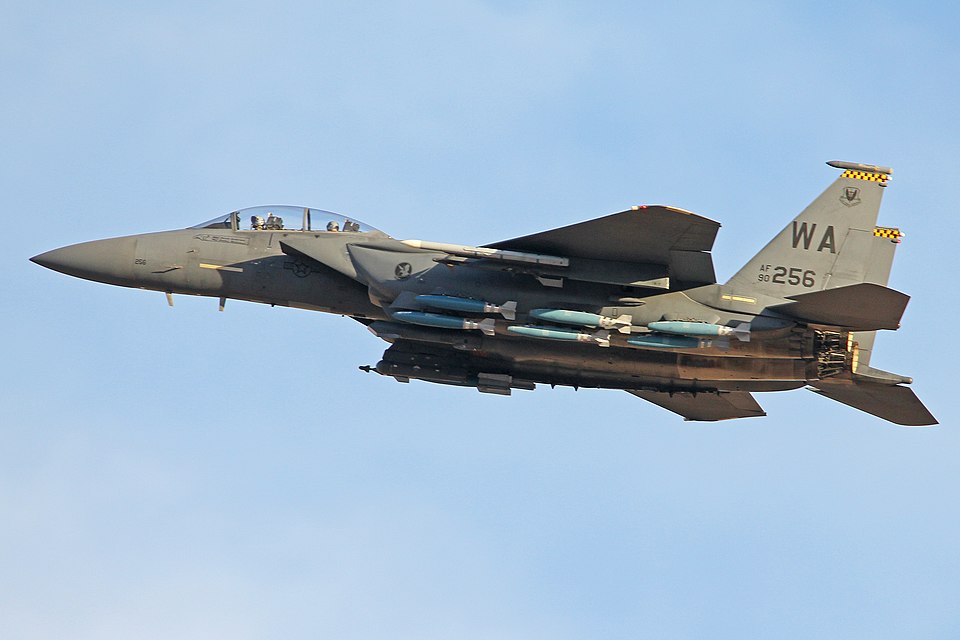
Designed for stealth, the Raptor carries its weapons internally six munitions in the main bay and one missile in each of two side bays. This preserves low observability but limits payload relative to fourth‑generation fighters such as the F‑15E or F/A‑18. External hardpoints can add fuel or weapons but at the cost of radar signature. The resultant trade‑off constrains mission flexibility, especially in scenarios that require diverse ordnance loads or extended endurance without compromising stealth.
4. The Short Combat Radius in a Vast Theater
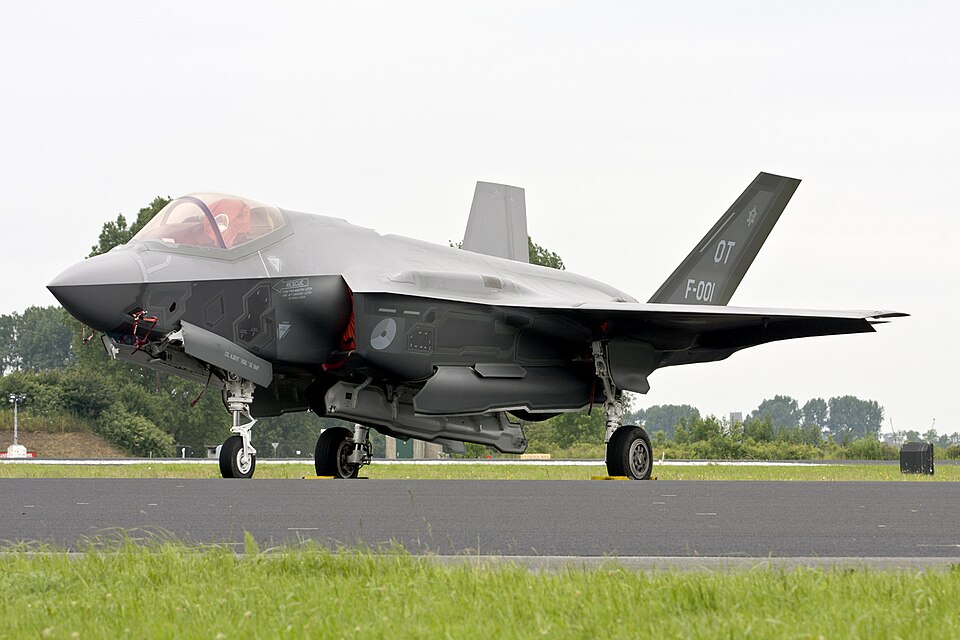
With an approximate 590-nautical-mile combat radius, the F‑22 is at a disadvantage in the Indo‑Pacific, with great distances between bases and potential conflict zones. Indeed, even the F‑35A and F‑15EX outclass it in terms of range. Its reliance upon aerial refueling renders tankers a critical vulnerability to be targeted, as demonstrated in adversary strategies like those of China. The coming F‑47 NGAD promises more than 1,000 nautical miles of combat radius, reducing dependence on tankers a capability well beyond the Raptor’s.

5. Closed Production Line and Shrinking Fleet
Production ended in 2011 after just 186 units were built, based on post‑Cold War priorities and budgetary pressures. Former Defense Secretary Robert Gates diverted funding to counterinsurgency, saying, “The wars we were fighting at the time didn’t require air superiority fighters.” Today fewer than 100 Raptors are combat‑ready at any given time due to maintenance cycles and attrition. Restarting production would involve rebuilding the entire supply chain, a costly and long process.
6. Vulnerability of Forward Bases
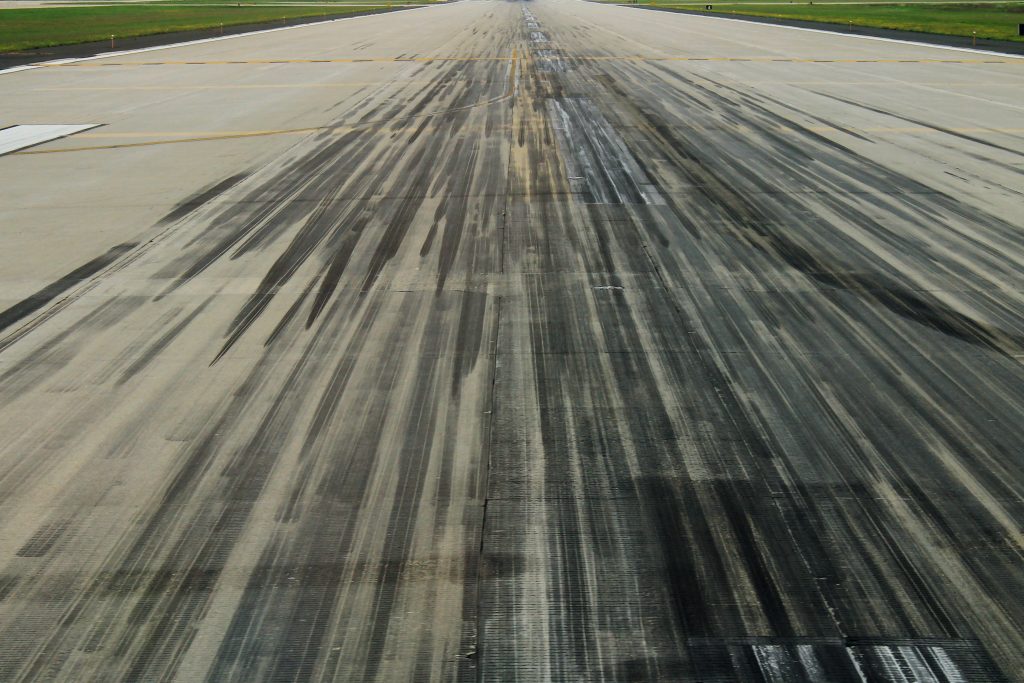
Range limitations render the Raptor reliant on the use of forward bases, such as those in Japan and Guam, which are becoming increasingly vulnerable to the PLA Rocket Force’s missiles. Research shows that such strikes could keep aircraft off runways for days or weeks at a time even hardened shelters cannot protect the surfaces themselves, making dispersed basing and rapid repair important-but not foolproof.
7. Absence of Early Design Integration
When conceived, the F‑22 focused on tactical dominance over networked warfare. It has no satellite communications it can only receive, not transmit, some datalink signal and limited capability to share sensor intelligence in real time. All of these shortcomings reduce integration with joint and allied forces, perhaps the most important ingredient in modern multi‑domain operations. Retrofitting such systems is possible but adds to the complexity and cost.
8. Small Fleet Impact on Strategic Deterrence
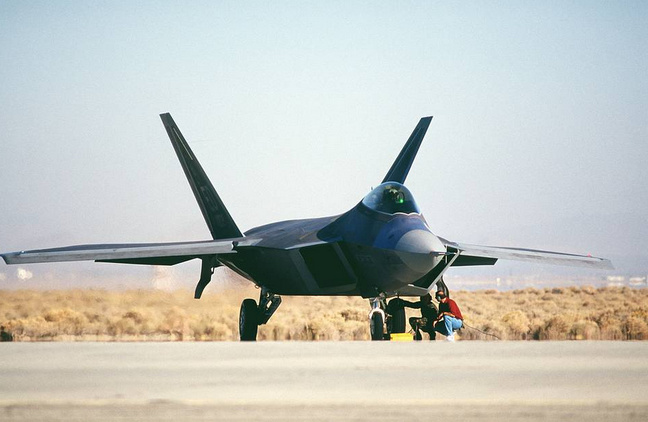
The Raptor fleet cannot sustain high‑intensity operations in multiple theaters with fewer than 200 aircraft. Attrition, training demands, and maintenance downtime reduce available numbers further. This scarcity will have major implications for the Air Force in a near-peer conflict to project overwhelming air superiority, especially at a time when adversaries such as China are producing fifth‑generation fighters at a higher rate.
9. Steep-Slope Erosion under Extreme Conditions
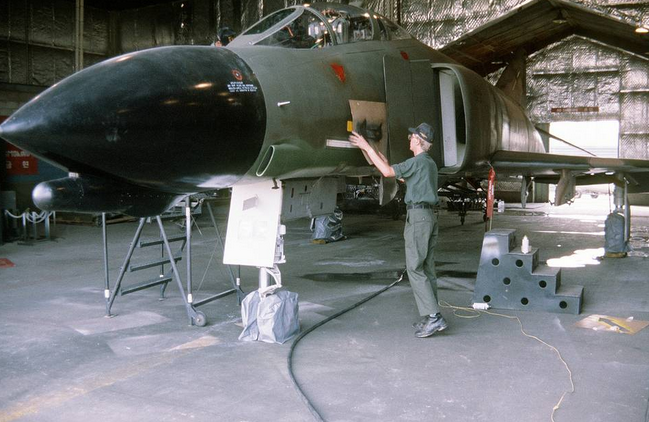
Aircraft stationed in humid, salty, or sandy climates-such as Langley AFB near the Atlantic or deployments to the Middle East-see RAM degrade more quickly. Environmental conditions make maintenance even harder relative humidity and temperature affect coating adhesion. According to Sergeant Stovall, this includes “a disbond in the material just because environmental controls aren’t where they need to be,” forcing reliance on limited climate‑controlled bays.
10. Successor Platforms Outpacing Capabilities
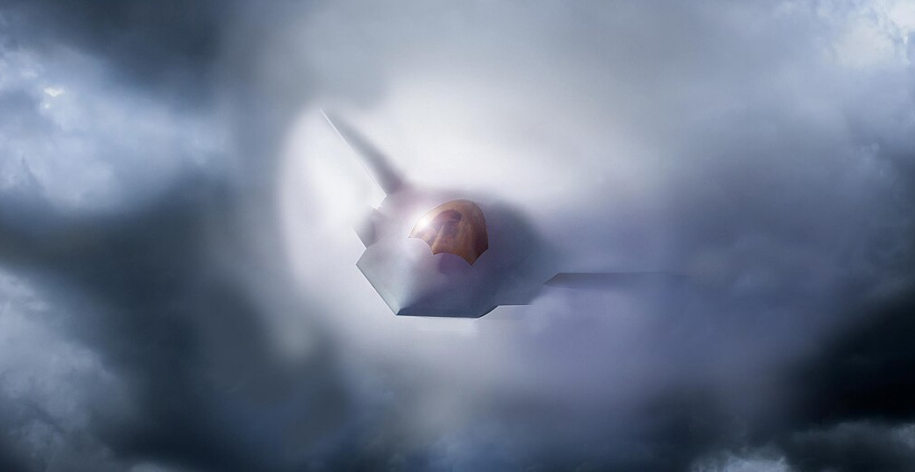
The F‑47 NGAD features next‑generation stealth, sensor fusion, and modular adaptability, plus higher availability and sustainability. Longer ranges, possible unmanned teaming, and more robust low‑observable surfaces reflect a philosophical change in air dominance. While the Raptor remains elite today, its successor’s design directly addresses many of its weaknesses, thus marking the beginning of the end of its reign. Much of the F‑22 Raptor’s reputation as an unrivaled stealth fighter is well-deserved, but the limitations are not trivial and not easily overcome.
It suffers from mechanical complexity, high maintenance demands, a constrained payload capacity, and strategic vulnerabilities. In an environment where adversaries are closing the gap in technology, and operational environments are increasingly contested, the Air Force’s transition to platforms like the F‑47 NGAD represents a recognition that even icons must evolve or be replaced.


