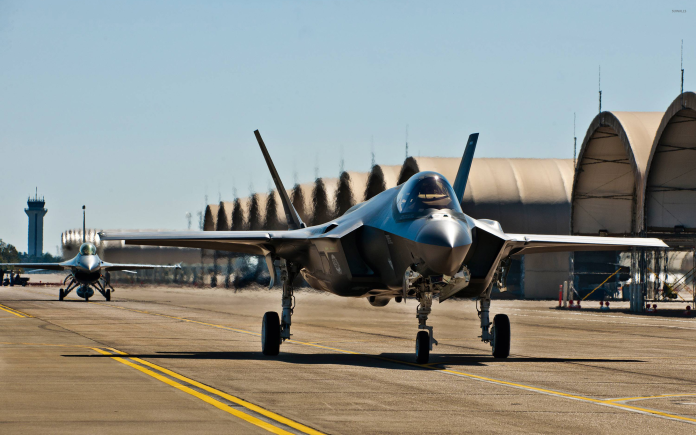
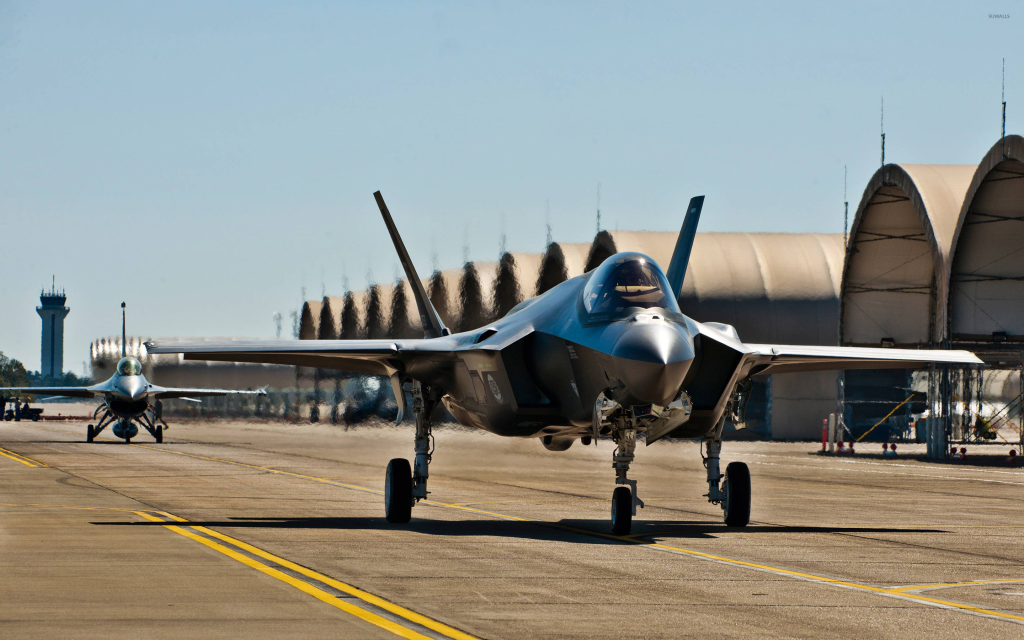
“It’s the quarterback of the whole battle,” U.S. Air Force Maj. Gen. Gina Sabric once described the F‑35 Lightning II. That’s no exaggeration. During the span of fewer than twenty years, the fifth‑generation jet went from ambitious multinational undertaking to keystone of allied airpower, redefining the way countries prepare for high‑end conflict. Developed from Lockheed Martin with key inputs from BAE Systems and Northrop Grumman, the F‑35 blends stealth, supersonic speed without afterburner, and sensor fusion.
Adoption in the F‑35 is not purchasing an airframe but joining an international defense network. Today, some 20 allied nations fly or have committed the Lightning II, but some have fleeted the size of others’ totals. This list takes into account the nine largest operating F‑35 arsenals in the year 2025 based on fleet size, variant selection, and the strategic imperative governing the purchases. From the Pacific through Europe, these military operator members are redefining combat air and broadcasting their role in the new security order.
1. United States – The Unmatched Arsenal
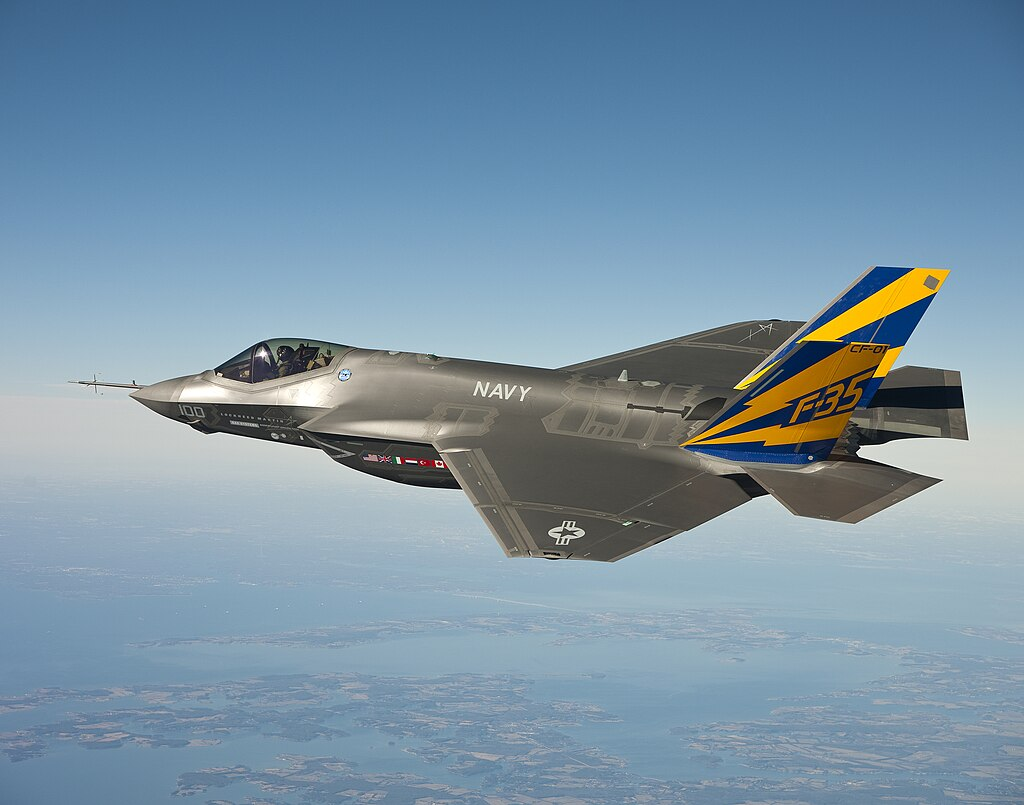
With 601 operational F‑35s and orders for over 1,700 more planes, the United States flies well over two‑thirds of the world’s fleet. Both the air force’s F‑35A, the marine corps’s F‑35B, and the navy’s F‑35C are operational, in turn replacing Cold War fixtures such as the F‑16, AV‑8B, and F/A‑18C/D. The scale is unmatched: 1,763 F‑35As are contracted for the Air Force alone, in addition to 353 F‑35Bs and 340 F‑35Cs. U.S. aircraft are forward‑deployed from Alaska to Japan, included in carrier air wings, and paired with future systems such as adaptive cycle engines and advanced command‑and‑control systems. The Pentagon’s spending $895 billion annual defense budget provdes ongoing modernization, including delayed Block 4 upgrade and Engine Core Upgrade to address future threats.
2. Australia – Indo‑Pacific Scope
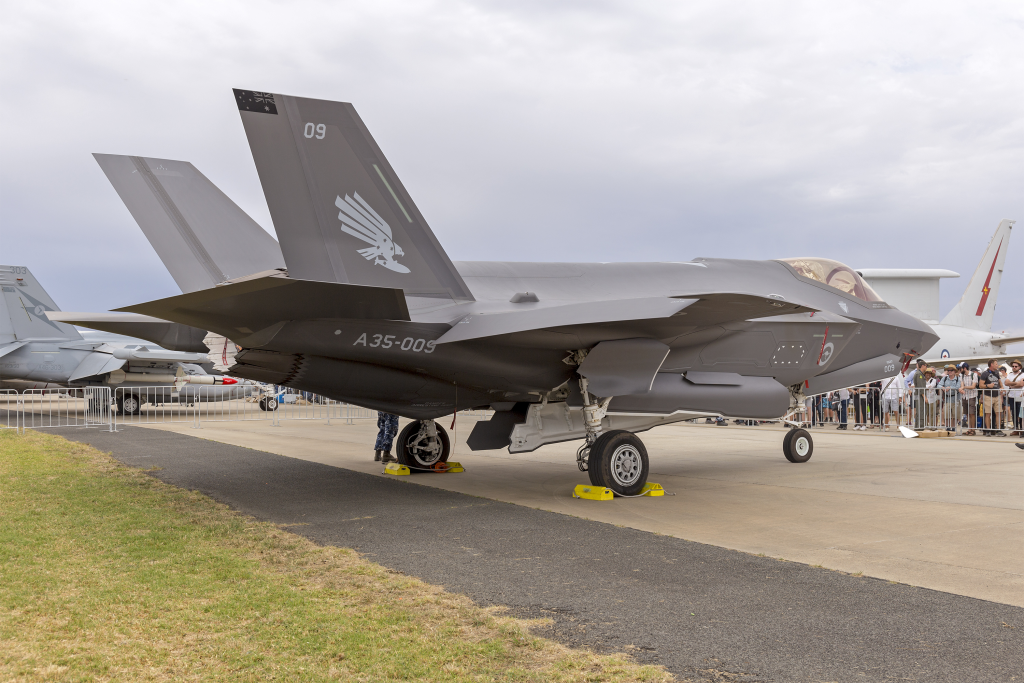
The Royal Australian Air Force flies 63 operational F‑35As with a further 37 in order. The choice of the conventional‑takeoff variant in the Canberra was due to its need for deep marine approaches and long‑range ISR and strike. Squadrons from the RAAF base at Williamtown and Tindal are involved in combined exercises with American and Japanese armies, with Lightning IIs flying in tandem with Wedgetail AWACS and future Ghost Bat loyal-wingman drones. Industrial interest is strong: over 50 Australian industry partners deliver parts, and BAE Systems Australia is building a $107 million stealth coating factory which will serve as a regional repair base.
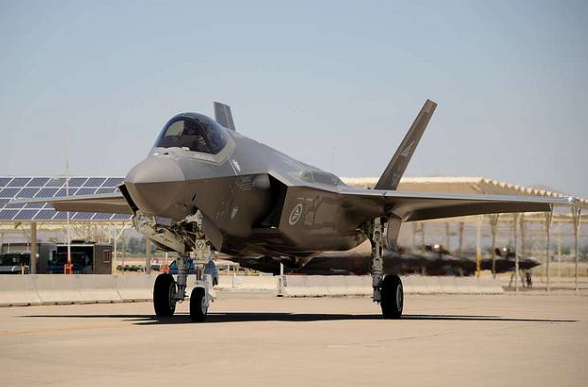
3. Norway – Arctic Sentinel
Norway operates 40 F‑35As with a further 12 contracted and its Lightning II forms the backbone of its Royal Norwegian Air Force. The aircraft replace F‑16s and were designed with Arctic operations in mind, where stealth and capable sensors are required in maintainingtabs on Russian activity. Norway also takes part in sustainment, and there’s an F135 engine maintenance depot at Kongsberg for European customers. Inclusion in the NATO air policing exercise with the fleet also supports its defense mission in the alliance’s northern wing.
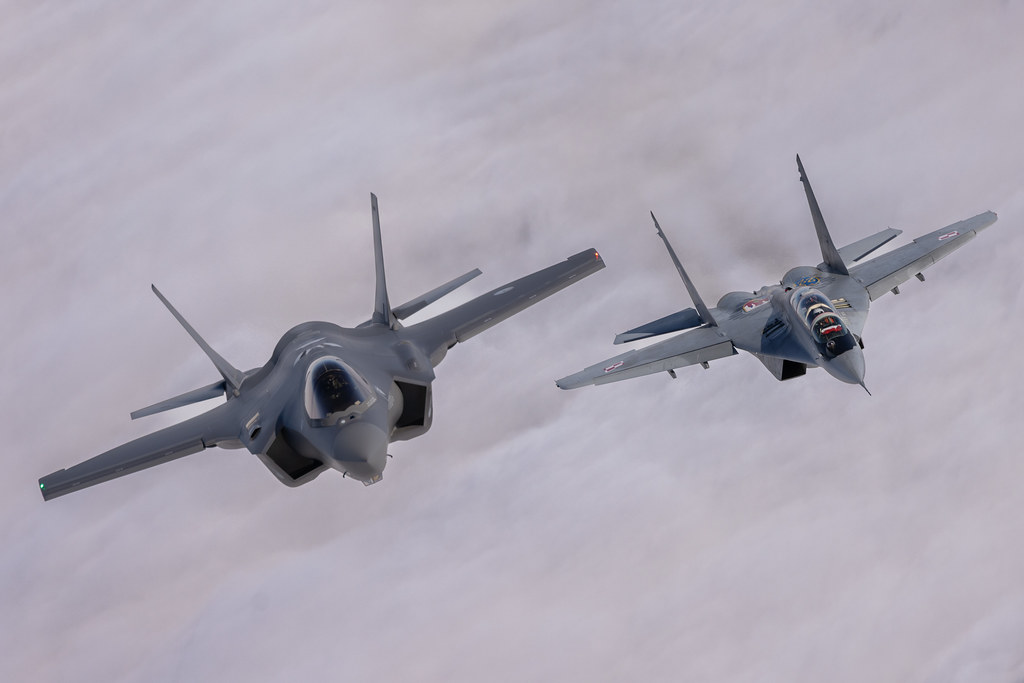
4. Netherlands – Compact but Powerful
The Royal Netherlands Air Force flies 40 active F‑35As with 12 more procured in replacements for its F‑16s. Despite its small size, the Dutch fleet participates fully in the planning of NATO’s integrated air defense and strike. Adding to sustainment are a StandardAero engine test facility and rotational involvement in Baltic Air Policing. Some are also set up for training, sustaining a regular rotation of pilots for alliance and nation missions.
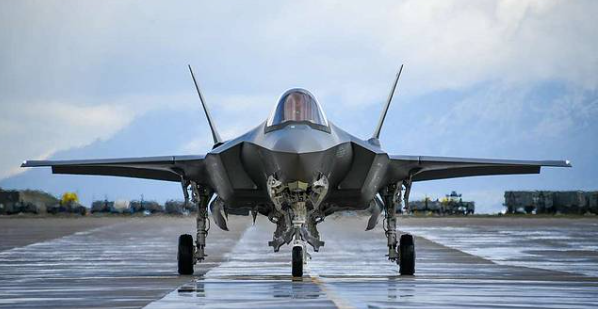
5. South Korea – Peninsula Power
The Republic of Korea Air Force flies 40 F‑35As with 19 additional ones on order. The planes are at the heart of Seoul’s “Kill Chain” preemptive attack plan against North Korean missile threats. Based at bases in close proximity to the DMZ, the fleet’s precision punch and stealth are combined with local command networks. South Korea’s $46.3 billion budget for defense enables incorporation of the Lightning II in joint operations with U.S. Forces Korea.
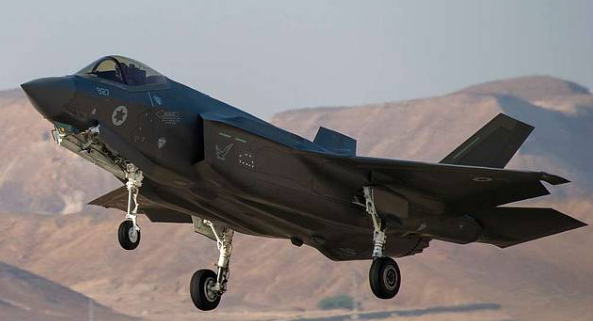
6. Israel – Regional Edge
Israel’s Air and Space Force has 38 F‑35Is in service an F‑35 derivative tailor-made for it 36 more are contracted for. Locally manufactured modifications include electronic warfare and integration with domestically manufactured weaponry. The fleet reportedly has fought, using stealth tactics to attack targets in disputed air space. Israel’s recent accord expanding its fleet to 75 planes indicates its perception that the Lightning II represents the key to qualitative military advantage in the Middle East.
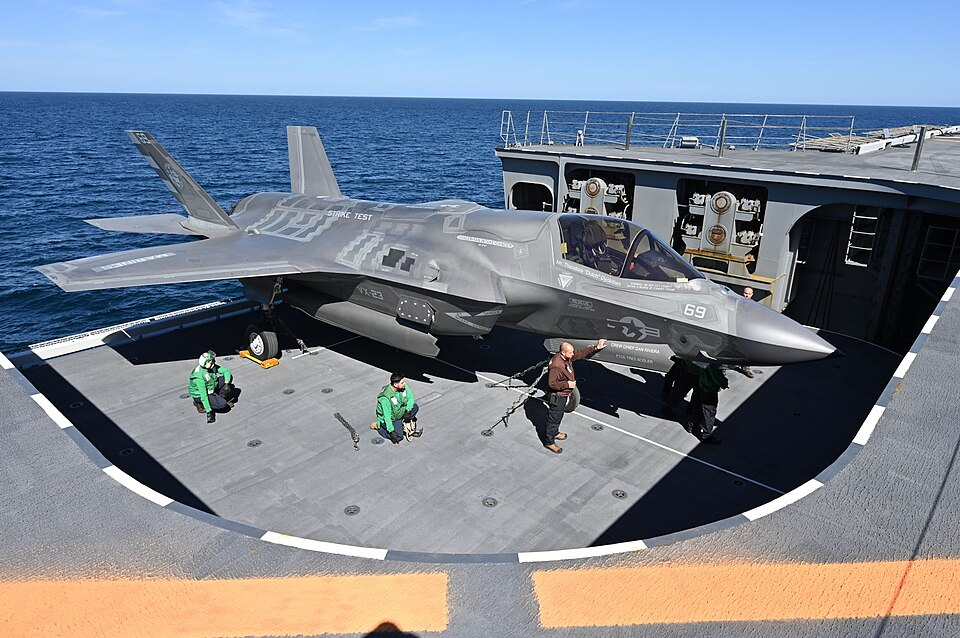
7. Japan – Maritime and Homeland Defense
Japan’s Air Self‑Defense Force operates 38 F‑35As and has a contracted total order for a further 108, including 42 F‑35Bs for its converted Izumo‑class carriers. Most are assembled at the Mitsubishi Heavy Industries’ FACO at Nagoya, increasing domestic aerospace capabilities. The purpose of the fleet also involves intercepts in the East China Sea and inclusion in a multi‑layered defense approach. Tokyo’s investment includes its future F‑X sixth‑generation fighter too, with the Lightning II also serving the purpose of a technology bridge.
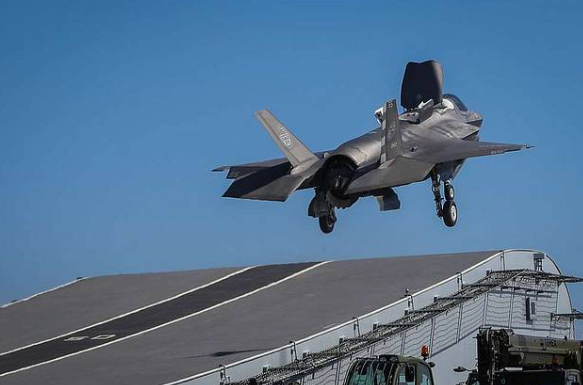
8. United Kingdom – Carrier Strike Backbone
The UK flies 31 F‑35Bs with a total of 103 also ordered. Both Royal Navy and Royal Air Force joint-operated, they are the Queen Elizabeth-class carriers’ primary fixed-wing component. Operated in Indo‑Pacific and NATO missions, UK Lightnings are integrated entirely with U.S. Marine Corps squadrons. BAE Systems manufactures 15% of each F‑35 airframe and supports European fleets from RAF Marham, tying the program with Britain’s future Tempest fighter production.
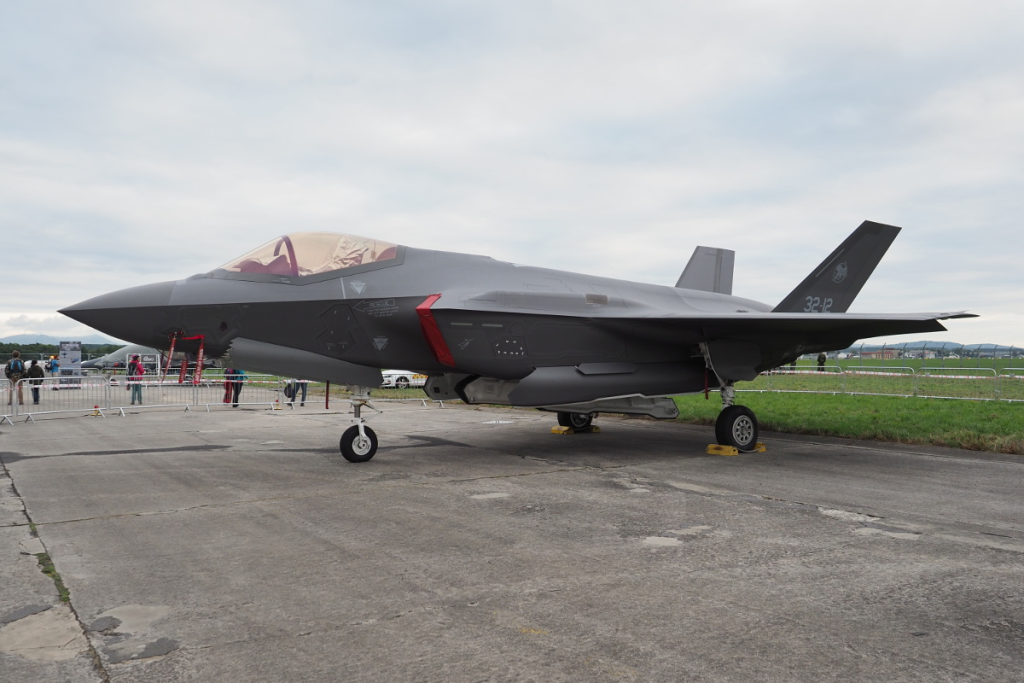
9. Italy – Dual‑Service Operator
Italy flies 30 F‑35s both the A and B models with a further 60 ordered for the Air Force and the Navy. Final assembly is done at Cameri Air Base, which also produces wings for the worldwide fleet and supports European jets. Sea trials aboard the carrier Cavour have validated the F‑35B in the naval configuration. Italian Lightning Force participates in Baltic Air Policing and the Red Flag exercises, and stealth coating and sensor fusion experience are used in the tri‑national Global Combat Air Programme. The allocation of F‑35 fleets tells more than procurements it charts the shape of a common defense network.
Countries which are investing heavily in the Lightning II are not simply purchasing airframes; they are purchasing into interoperability, common logistics, and a common technological baseline for the air combat of the 21st century. With production scaling up and upgrades such as Block 4 and the Engine Core Upgrade coming of age, only these fleets will become ever more capable, and the F‑35’s status as the definitive allied fighter of its generation more secure.


