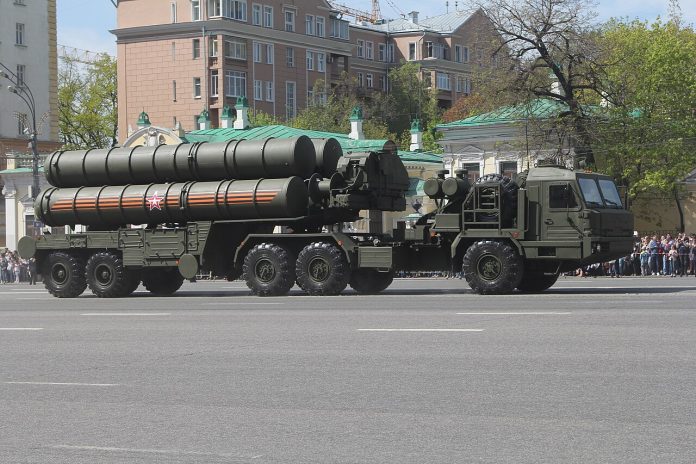
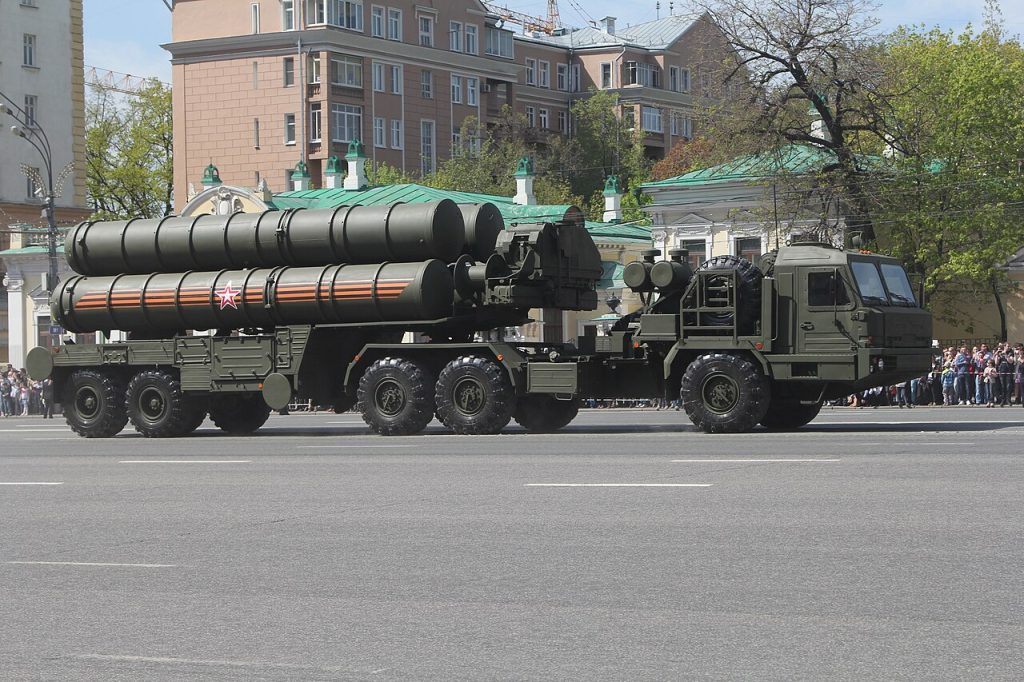
Turkey’s decision to complete the purchase of the S‑400 missile systems from Russia has caused one of the deepest fissures in probably the most powerful Western military alliance in recent history-a fact hailed by Moscow as a geopolitical victory that threatens to fracture alliance cohesion and compromise advanced Western military technology. Ankara’s insistence on going ahead after repeated warnings from Washington sets up a potentially high‑stakes confrontation with Washington.
The dispute has its roots in more than just hardware: deeper shifts in the strategic orientation of Turkey, the balancing between East and West, and the evolving security architecture along NATO’s southern flank-all are reflected here. Confident in his rapport with the U.S. president, willing to threaten reciprocal sanctions, Erdogan has turned the crisis into a test of alliance resilience against Russian influence. Here are ten pivotal dimensions shaping this standoff.
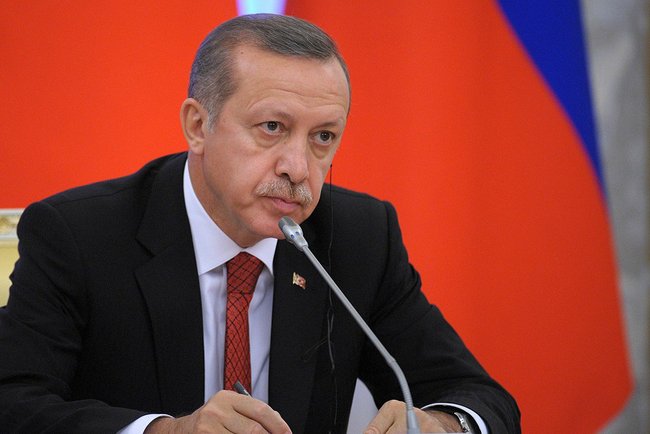
1. Erdogan’s Calculated Defiance
In his first remarks to foreign media in several years, the president said that relations with Trump were “at a place that I can call really good,” underlining his conviction that personal relationships could insulate Turkey from US sanctions. He has said flat out that punitive measures would be met with Turkish counter-sanctions-a posture designed to project strength both domestically and at large in the world. This partly reflects confidence in Erdogan’s strategy of brinkmanship to secure concessions. Couching Turkey as a strategic partner too valuable to punish, he is trying to make Washington believe that any sanctions against his country would defeat their own purposes. If anything, this move was well-timed, with a G‑20 summit looming, signaling his intentions to use high‑level diplomacy to reinforce the indispensability of Turkey in NATO’s regional calculus.
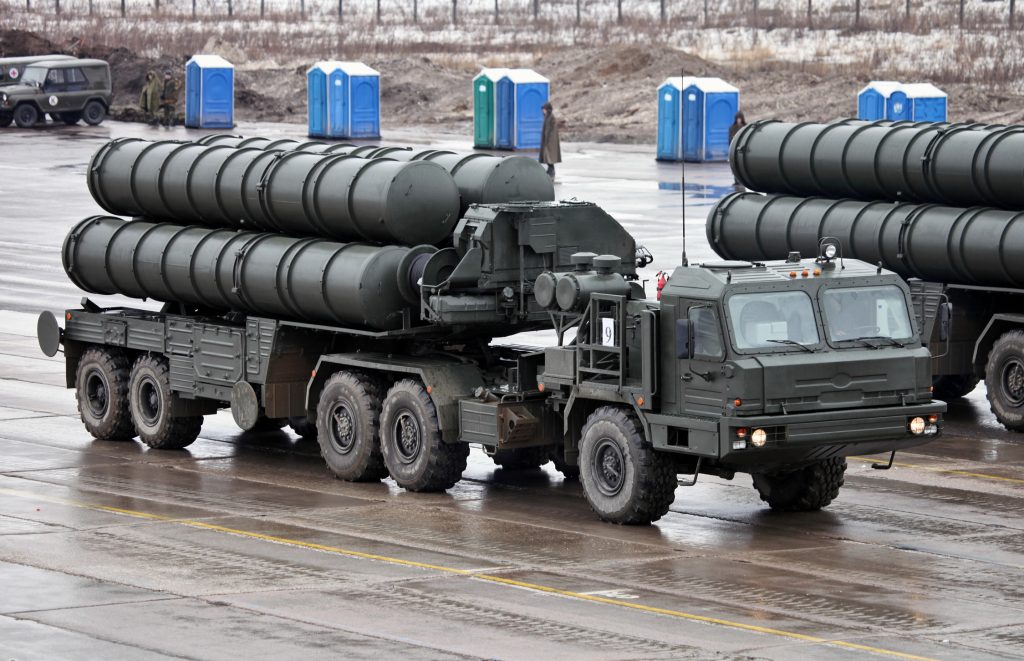
2. The S‑400’s Strategic and Technical Risks
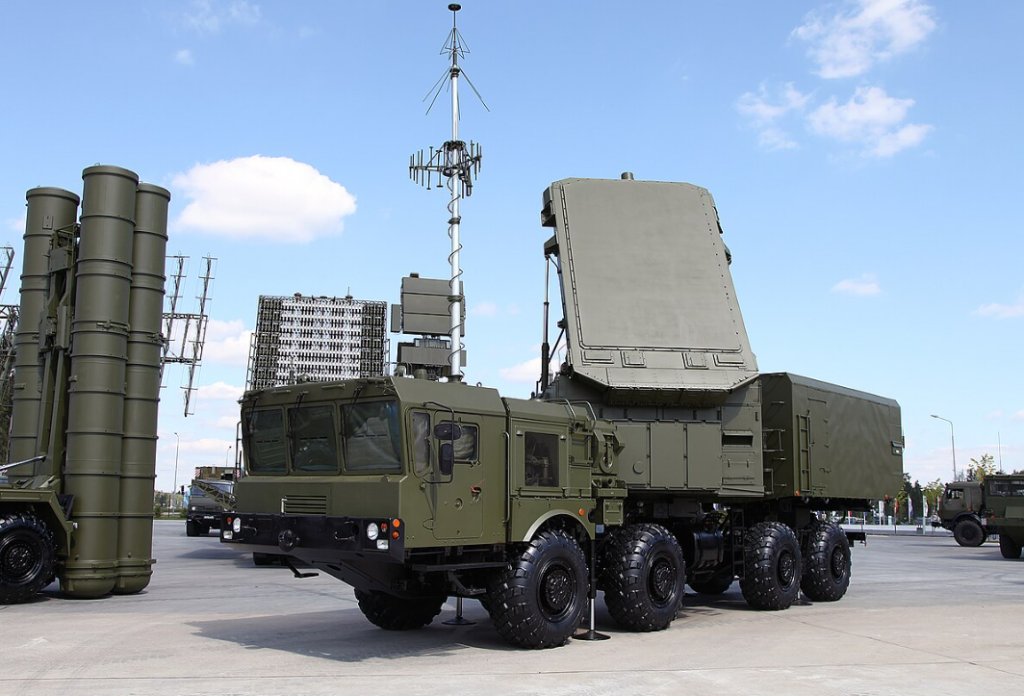
The S-400 Triumf is one of the most advanced mobile surface-to-air missile systems built by Russia, capable of targeting multiple targets at long range. U.S. officials have warned its radar could compromise the stealth technology of F-35 fighters, especially if the S-400s are integrated into Turkey’s overall air defense network. NATO’s interoperability doctrine rests on secure, standardized systems. Introducing a stand‑alone Russian platform into a member’s arsenal introduces vulnerabilities Russian technicians who may be involved in installation could gain insight into alliance tactics and capabilities. As Gen. Curtis Scaparrotti told the U.S. Senate Armed Services Committee, “an ally that is working with Russian systems… is a problem for our most advanced technological capabilities.”

3. Washington’s Sanctions Playbook
Under the Countering America’s Adversaries Through Sanctions Act, or CAATSA, the U.S. is required to impose sanctions on allies that purchase significant amounts of Russian defense equipment. Previous delays in issuing sanctions against Ankara reflected diplomatic restraint, but the State Department said the process was “very serious” and “deliberative.” To date, these have involved the freezing of U.S. export licenses to the Turkish Presidency of Defence Industries, asset freezes, and restricted visas for high-ranking officials. Many analysts, including Thomas Karako from CSIS, have urged that “strong, well‑tailored sanctions are painfully overdue,” which means there has also been pressure on Washington to act decisively.

4. NATO Interoperability Under Strain
The Alliance’s Connected Forces Initiative was intended to make certain communications, training, and operations were seamless throughout its membership. A system acquired by Turkey that does not comply defeats the very objective and undermines collective air defense. Already, technical disparities-incompatible radar standards and battle tracking systems-challenge cohesion within NATO, and the integration of the S‑400 threatens to widen such divides by forcing reliance on procedural workarounds that may erode operational efficiency in high‑threat environments.

5. Fallout from the F‑35 Program
This means that Turkey was producing hundreds of components, and it was due to receive 100 aircraft; actually, its commitment to the F‑35 program was huge. US concerns over espionage led to Ankara’s suspension from the programme, with production shifted elsewhere. Exclusion from the F‑35 program has major industrial and strategic implications for Turkey. Without F‑35s, its planned aircraft carrier program has capability gaps since the vessel was designed to operate short‑takeoff variants of the jet; the loss also reduces Turkey’s leverage in NATO’s future airpower planning.
6. Geopolitical Win for Russia
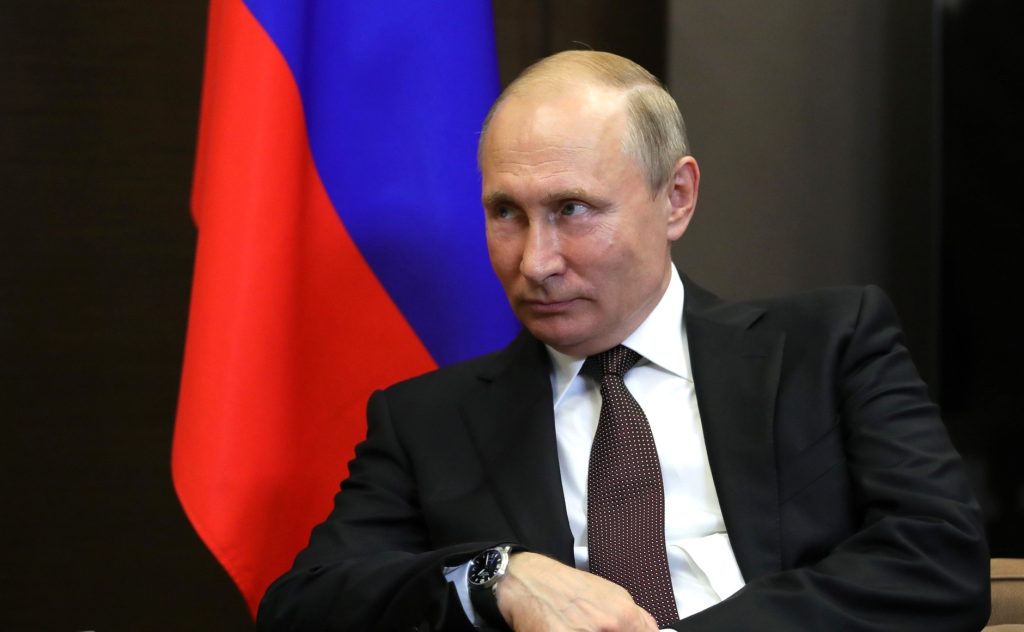
The completion of S‑400 delivery is both symbolic and strategic; it epitomizes a capacity and reach to pierce alliance defenses and create divisions among its ranks. The sale bolsters Putin’s narrative of Russia as a legitimate alternative arms supplier to the West. This is in spite of recent battlefield setbacks that have tarnished the reputations of the Russian systems. The destruction by Ukraine of S‑400 batteries using decades‑old US missiles has raised questions about the system’s invincibility, but the political utility for Moscow remains undiminished.
7. Turkey’s Balancing Act in Syria
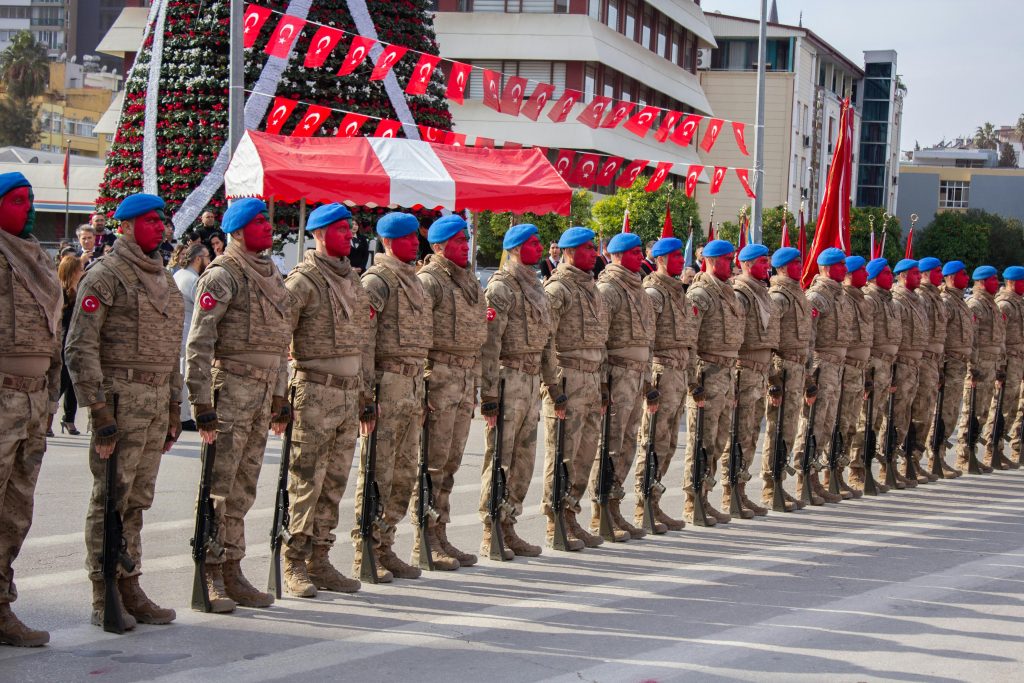
The Ankara attitude of strengthening the NATO presence in the Black Sea and deepening relations with Russia is controversial and is linked to its security priorities in Syria. Alignment with Moscow serves to contain Russian support for Kurdish militias, which Turkey considers an existential threat. By consequence, this tactical cooperation casts ambiguity into NATO’s strategy on the southern flank: it complicates joint operations against extremist groups and puts Turkey’s long-term orientation in question with regard to alliance goals.

8. Economic Vulnerabilities and Leverage
The economy of Turkey, already hit by recession and inflation, is sensitive to US financial pressure; the currency had plunged in previous the 2018 Pastor Brunson dispute for one thing-and investor confidence had vanished. U.S. influence in institutions such as the International Monetary Fund gives Washington significant economic leverage.. In large part, such a premise would follow from Erdogan’s confidence in alternative partnerships-even at the risk of sanctions. All too often, however, such moves come with high domestic political costs in a worsening economy.
9. Scenarios for the S‑400’s Future
Analysts have outlined multiple pathways: full activation with severe implications on NATO; activation without compromising the alliance’s tech; delayed activation just to please Moscow and Washington; or an outright cancellation at the risk of Moscow’s ire. The most likely compromise-delivery without activation-would parallel Greece’s decade‑long delay in deploying its S‑300 system. This would preserve the symbolism of the deal while limiting immediate operational consequences.
10. Implications for NATO Cohesion
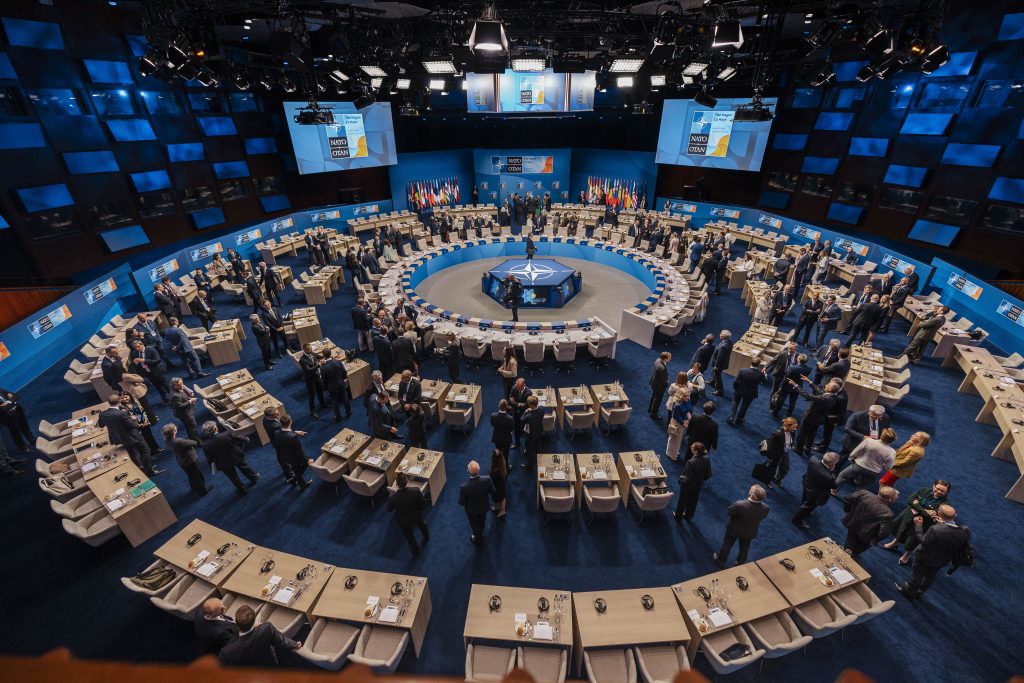
The crisis underlines how fragile alliance unity can be when national threat perceptions diverge-for Washington, Russia is NATO’s most important foe; for Ankara, Kurdish militancy comes higher. Bridging the gap will involve tackling Turkish security concerns without compromising collective defence. Failure to resolve the issue could set a precedent for other members to pursue incompatible systems, eroding the very interoperability on which NATO’s deterrence posture is based.
More than a procurement decision, Turkey’s S‑400 acquisition has been a geopolitical signal with cascading consequences for the cohesion of NATO, U.S.‑Turkey relations, and the influence of Russia. Whether Ankara activates the system or finds a face-saving compromise will help shape the alliance’s ability to preserve technological integrity and strategic unity in an era of renewed great-power competition.


