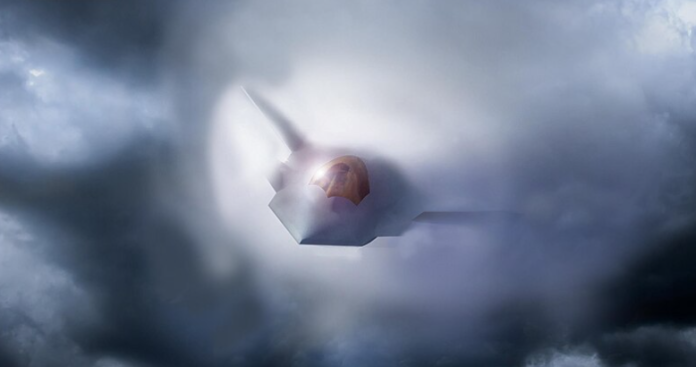
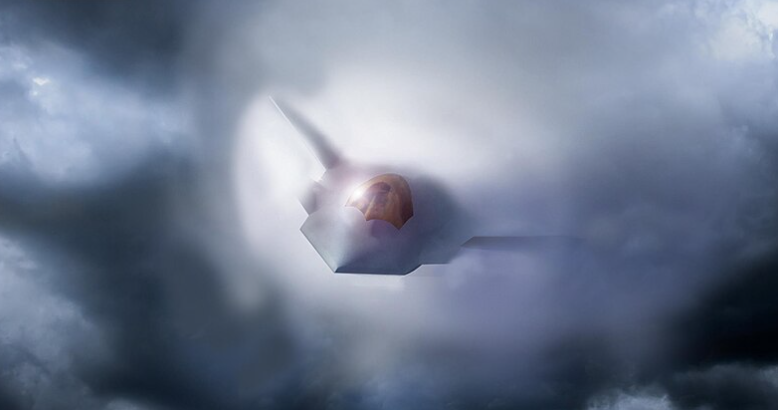
Why would the U.S. Air Force entrust its most ambitious fighter jet program in decades to a company still shaking off high-profile mishaps? That’s what many in defense circles thought when Boeing, rather than Lockheed Martin, landed the contract to build the F‑47 America’s first sixth-generation stealth fighter.
The move represents a dramatic tilt in the balance of power in the U.S. defense aerospace arena, with Lockheed having had undisputed dominance in the stealth fighter segment for over 25 years with the F‑22 Raptor and F‑35 Lightning II. This victory by Boeing signals not only a technical triumph but also a strategic recalibration of how the Pentagon manages its industrial base, timelines, and technological risk.
But the F‑47 is more than just a replacement for the F‑22 it’s the spearhead of the Next Generation Air Dominance program-a “family of systems” that teams a crewed fighter with autonomous drones, advanced sensors, and adaptive propulsion. Here are nine key factors that explain why Boeing prevailed and what makes the F‑47 a defining leap in air combat capability.
1. A Strategic Industrial Rebalancing
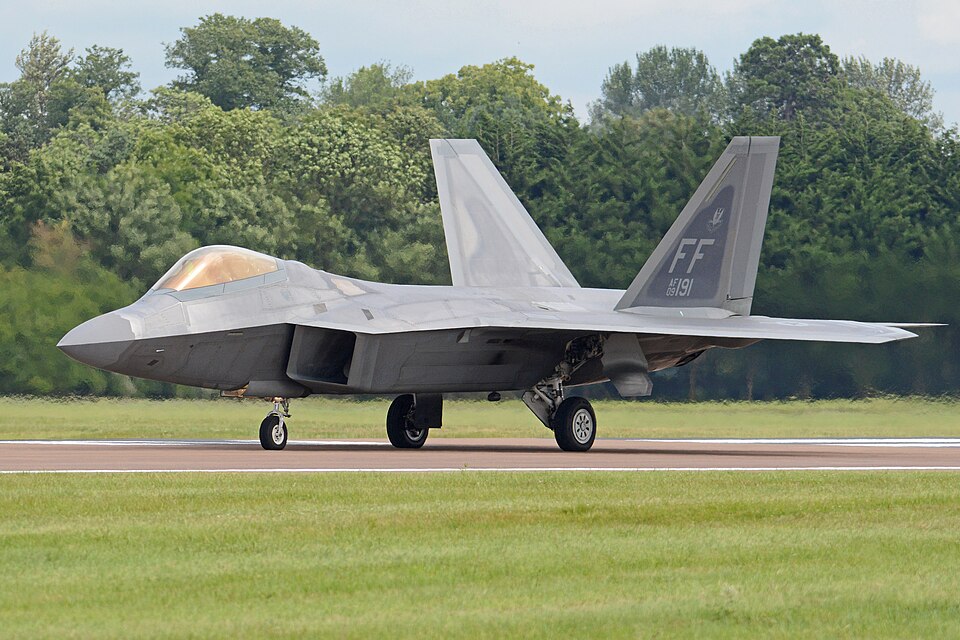
The decision to award Boeing the NGAD contract was as much about industrial policy as aircraft performance. For a long time, Pentagon planners have warned against over-reliance on a single prime in the field of stealth fighters. With Lockheed building both the F-22 and the F-35, the Department of Defense risked a bottleneck in production capacity and innovation. In choosing Boeing to build the F-47, the Air Force has diversified its fighter production base, renewing Boeing’s St. Louis line and ensuring that at least two viable competitors will stay in the high-end combat aircraft market.

2. Digital Maturity and Lower Program Risk
Boeing’s bid was also uniquely supported by a full-scale digital twin in which engineers model radar signatures and maintenance workflows, and system integration before the first prototype flies. That further reduced technical risk and promised faster problem resolution compared with the more experimental approach taken by Lockheed. Years of DARPA-backed X-plane testing fed directly into Boeing’s NGAD design, giving it a readiness edge that aligned with the Air Force’s urgency to field the jet before near-peer adversaries close the gap.
3. Stealth ‘Plus Plus’ Capabilities
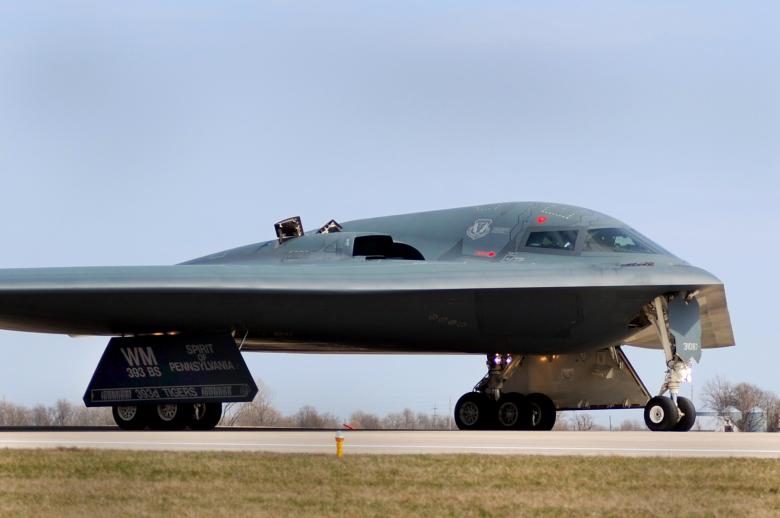
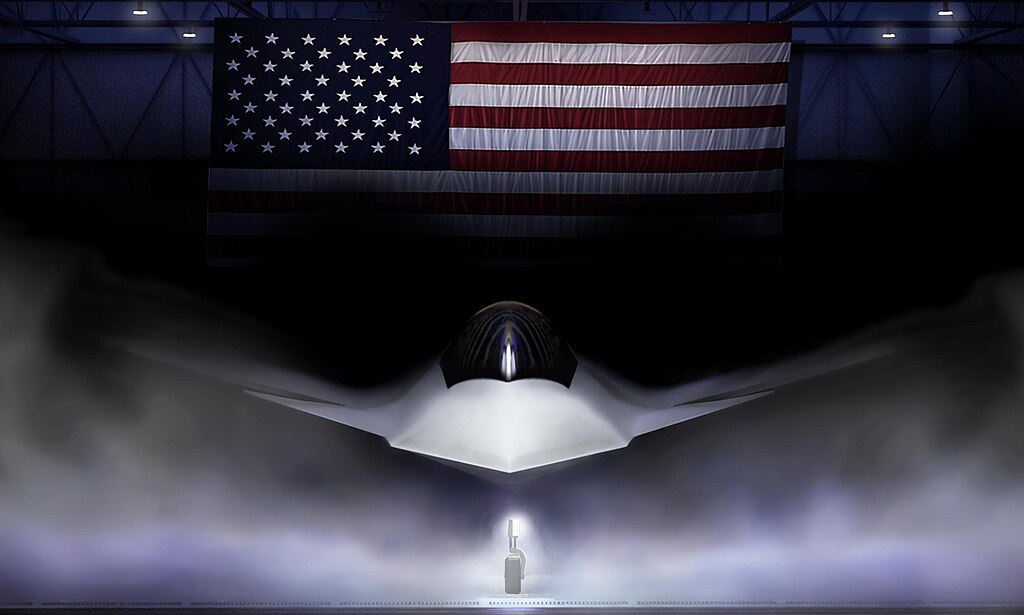
The F‑47 is designed to offer, in the words of program officials, “stealth++”, meaning broadband, all-aspect low observability across radar, infrared, acoustic, and visual spectrums. New radar-absorbent composites, heat-resistant ceramic coatings, and adaptive intakes mask engine faces and will enable deep penetration into contested airspace. A tailless, blended wing-body layout minimizes radar cross-section from any angle, while cooled exhaust and buried engines slash infrared signature to near-background levels.
4. Variable Cycle Engines for Range and Speed
Powered by either GE’s XA102 or Pratt & Whitney’s XA103 next-generation adaptive-cycle engines, the F‑47 automatically flips from fuel-efficient cruise to high-thrust combat modes as needed. In particular, it supports a combat radius out to over 1,000 nautical miles at speeds up to and exceeding Mach 2, making operations across the vast Indo-Pacific expanses feasible, independent of vulnerable tanker support. But ‘flipping’ a fighter in flight from endurance to sprint power is a U.S. first.
5. AI-Driven Command and Control
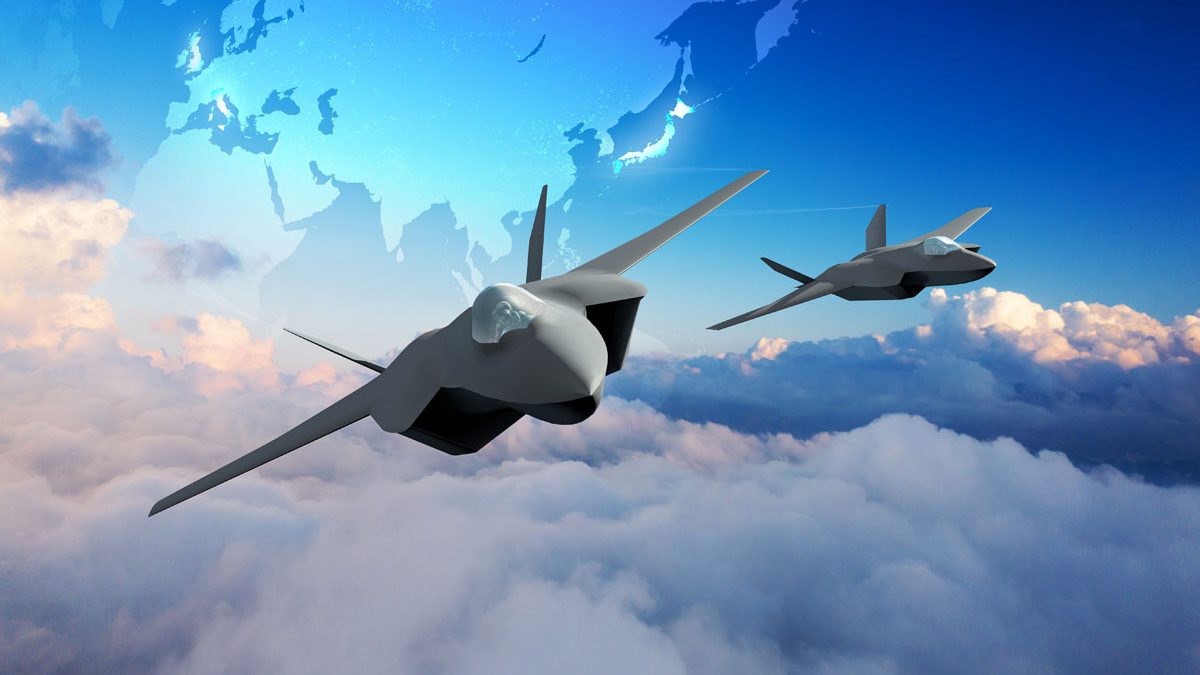
The mission computer on the F‑47 will fuse data from multiple domains in milliseconds, shortening the sensor-to-shooter timeline and getting inside an adversary’s decision loop. It will serve as an airborne command node, directing swarms of Collaborative Combat Aircraft-that is, uncrewed wingmen able to probe defenses, jam radars, or launch weapons. This manned-unmanned teaming preserves the crewed jet for high-value tasks while pushing risk onto attritable drones.
6. Designed to end the dogfight
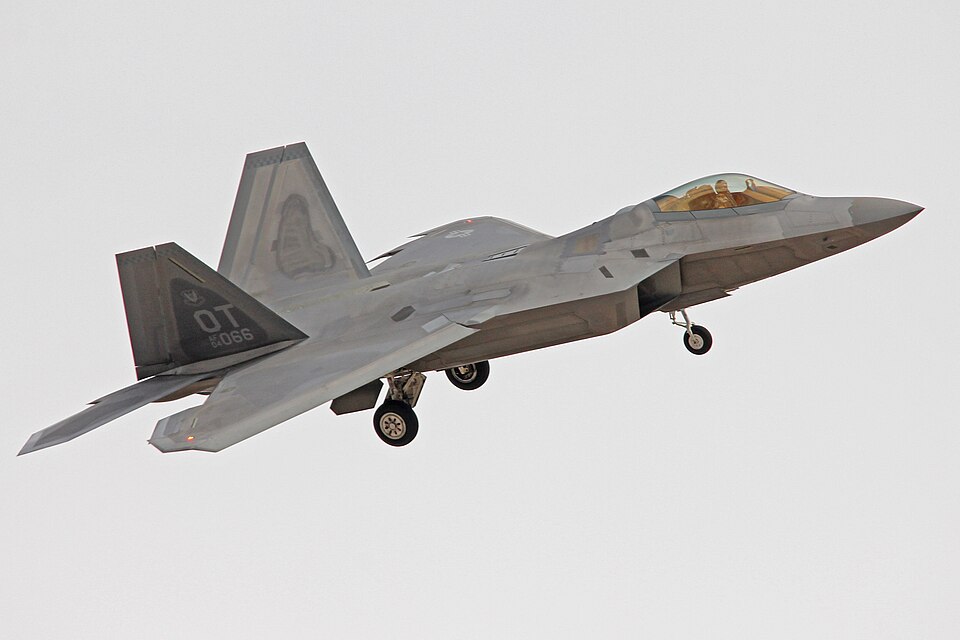
While the F‑47 will be agile-on a par with the F‑22-its concept of operations is overwhelmingly Beyond Visual Range. Ultra-sensitive AESA radar, long-range missiles, and AI-assisted targeting are supposed to neutralize threats before they can detect the F‑47 in the first place. This approach reflects lessons from Red Flag exercises where the fifth-gen fighters routinely destroyed legacy jets well before visual range.
7. Political and Symbolic Weight of the ’47′
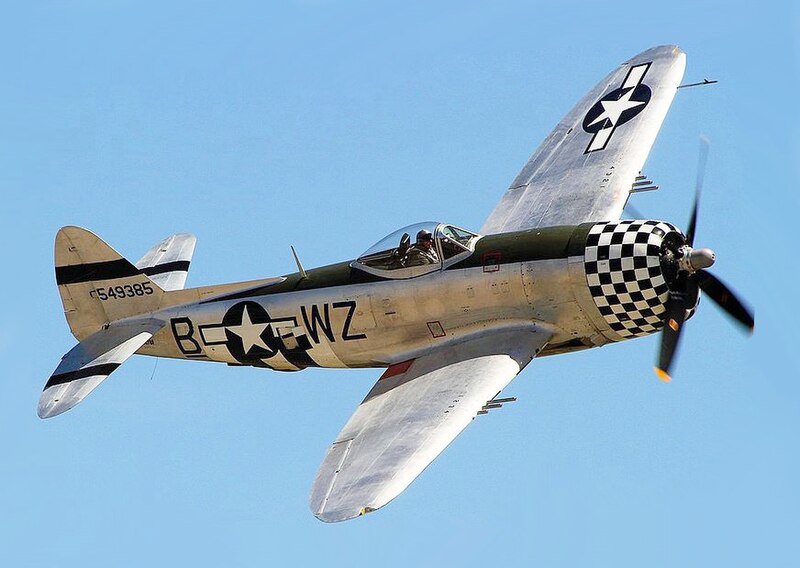
The designation F‑47 breaks sequence, skipping over unused numbers. Officially it honors the WWII P‑47 Thunderbolt, the Air Force’s founding year of 1947, and the 47th President’s support for the program. Internal communications suggest that the number was announced from the Oval Office before the Air Force had prepared its historical rationale, underlining the political stamp on the program’s identity.

8. Budget Prioritization and Navy Trade-Offs
The Trump administration’s FY2026 budget request puts almost $3.5 billion into the F‑47 while scaling back the Navy’s F/A‑XX sixth-gen fighter to $74 million in R&D. Senior officials say a combination of industrial base limits and a presidential directive to ‘go all-in’ on the Air Force program made that decision. The Navy’s effort is delayed but engineering talent and supplier capacity is being focused on getting the F‑47 right.
9. Boeing’s Chance at Redemption
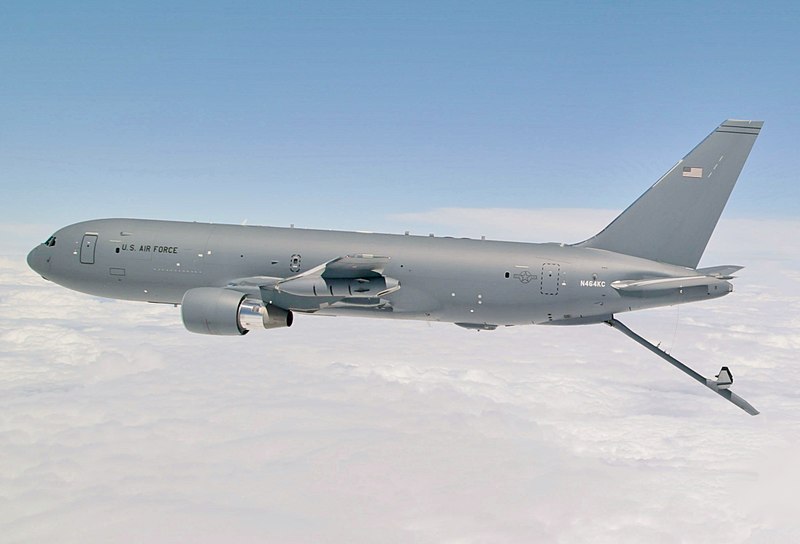
After years of setbacks-from KC‑46 delays to 737 MAX crises-the F‑47 gives Boeing Defense a flagship program with which to restore credibility. The contract, worth more than $20 billion just for engineering and manufacturing development, could anchor its military portfolio for decades. Success would not only cement Boeing’s return to the forefront of fighter design but also validate the Air Force’s gamble on a diversified industrial strategy.
More than a successor to the F‑22, the F‑47 is a test case for how the U.S. will develop, field and sustain air dominance in an era of rapid technological change and strategic competition. Boeing’s win over Lockheed was a blend of technical readiness, industrial policy and political will. If the program delivers on its promises-from stealth++ to AI-enabled command of unmanned fleets-it will both redefine the role of the crewed fighter and set the standard for sixth-generation air combat.


