
What could an icy wanderer visiting from another star system teach about the mechanics of our own? This week, interstellar comet 3I/ATLAS reaches its perihelion-the closest approach to the Sun-and the peak of its volatile activity before accelerating out of the Solar System forever.
1. A Rare Visitor on a Hyperbolic Trajectory
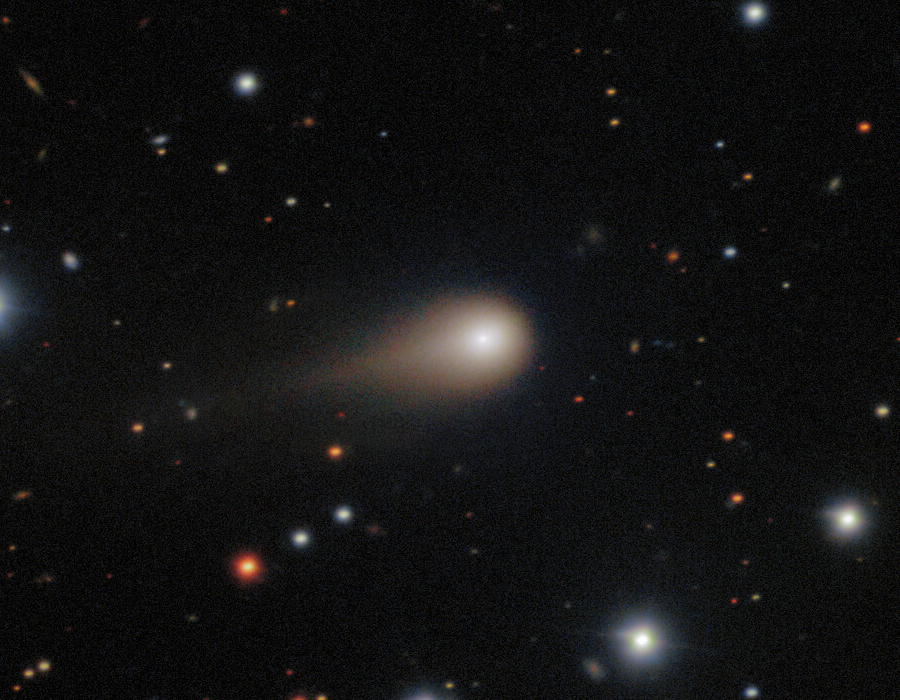
3I/ATLAS is the third confirmed interstellar visitor to the inner Solar System, after 1I/ʻOumuamua and 2I/Borisov. It’s on a distinctly hyperbolic orbit with an eccentricity over 6-which means the asteroid is unbound to the Sun. At perihelion, it will be 1.36 AU from the Sun, just inside the orbit of Mars, and traveling at about 152,000 mph (244,800 km/h)-the highest velocity ever recorded for any Solar System visitor. This reflects billions of years of gravitational accelerations from star and nebula encounters across the Milky Way.

2. Extreme Dust and Water Loss
Observations in July and September indicated 3I/ATLAS was losing 180 kilograms of dust per second, a rate over twice that of 2I/Borisov for the same distance from the Sun. In terms of water loss, astronomers measured “buckets of water every second” sublimating from its icy nucleus. Such vigorous outgassing is broadly consistent with solar heating driving sublimation of volatiles, but the scale is unprecedented for an interstellar comet and suggests that this object’s composition is primitive and dominated by easily vaporized species.
3. The Physics Behind Its Anti-Tail
Among the most striking features is that rare anti-tail-the apparent dust structure pointing toward the Sun rather than away from it. Anti-tails can form when large dust particles, often about 1 mm in size, lag behind the comet’s orbital path due to pressure from solar radiation and projection effects relative to Earth’s viewpoint. As 3I/ATLAS approached the inner Solar System, its orbital geometry permitted these particles to appear as a sunward extension-an optical phenomenon documented in other comets but seldom so clearly in an interstellar one.
4. Spacecraft Observations Across the Solar System
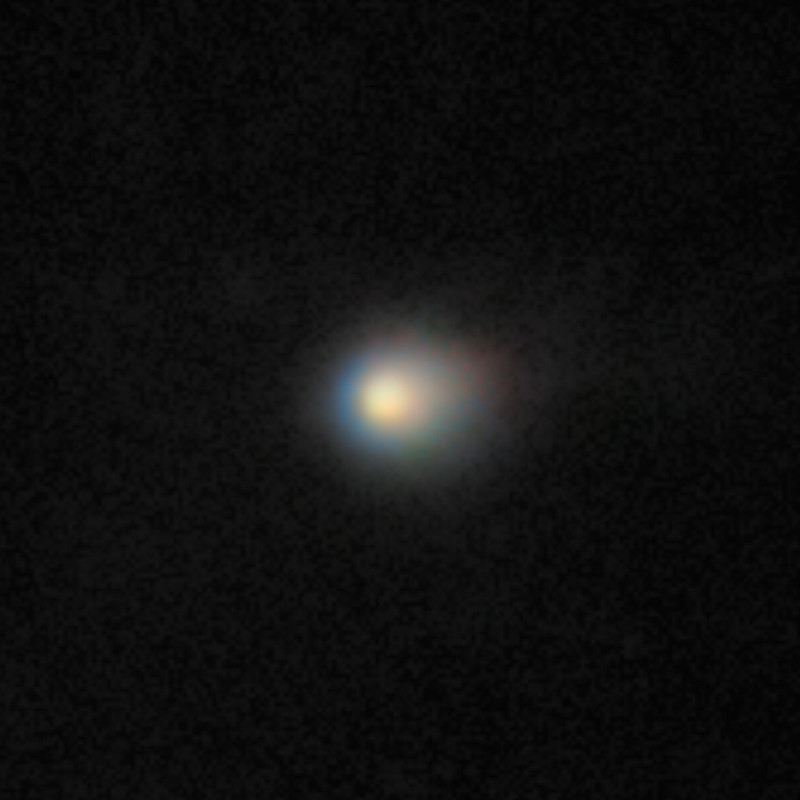
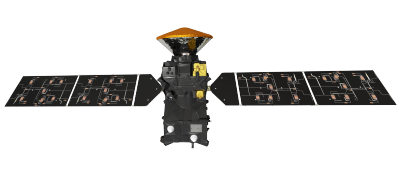
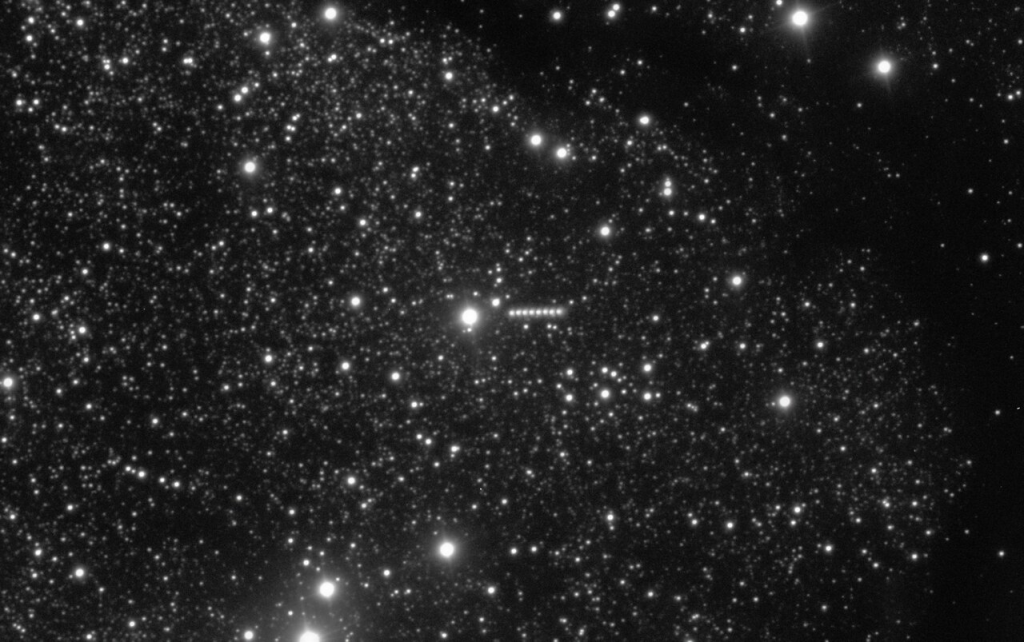
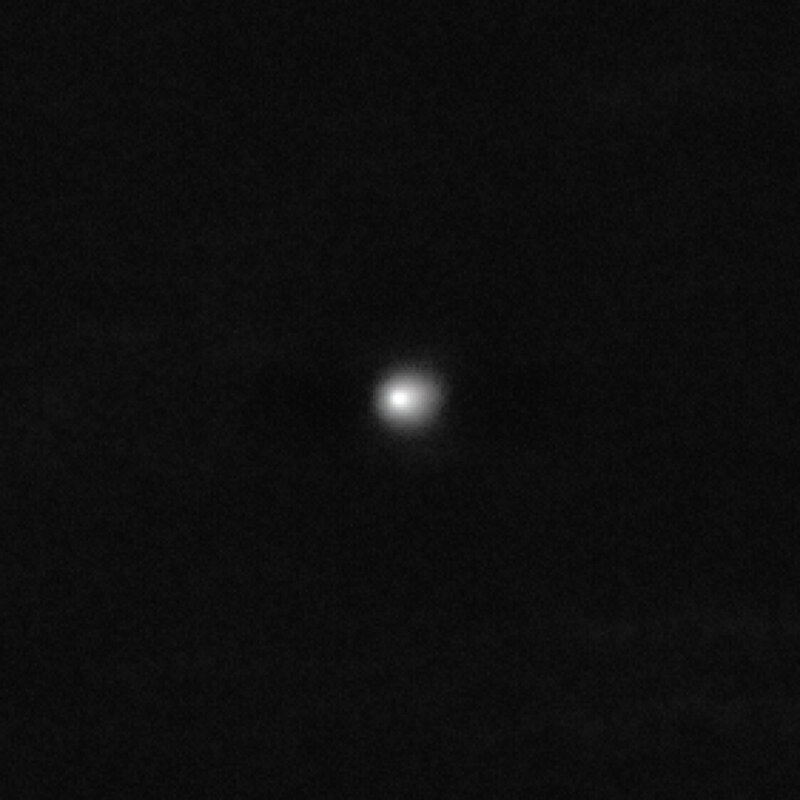
Because the comet presently is on the far side of the Sun from Earth, the agency employed assets near Mars to achieve unique vantage points. On Oct. 3, the ExoMars Trace Gas Orbiter captured an animated sequence showing the comet as a faint, fuzzy dot moving against a backdrop of streaked stars from 30 million km away. The Mars Express orbiter also attempted imaging, though the comet’s faintness was a challenge to its instruments. ESA’s JUICE mission, en route to Jupiter, will make spectroscopic and particle measurements during November from about 0.4 AU distant, without solar glare.
5. High-Resolution Imaging and Composition Analysis
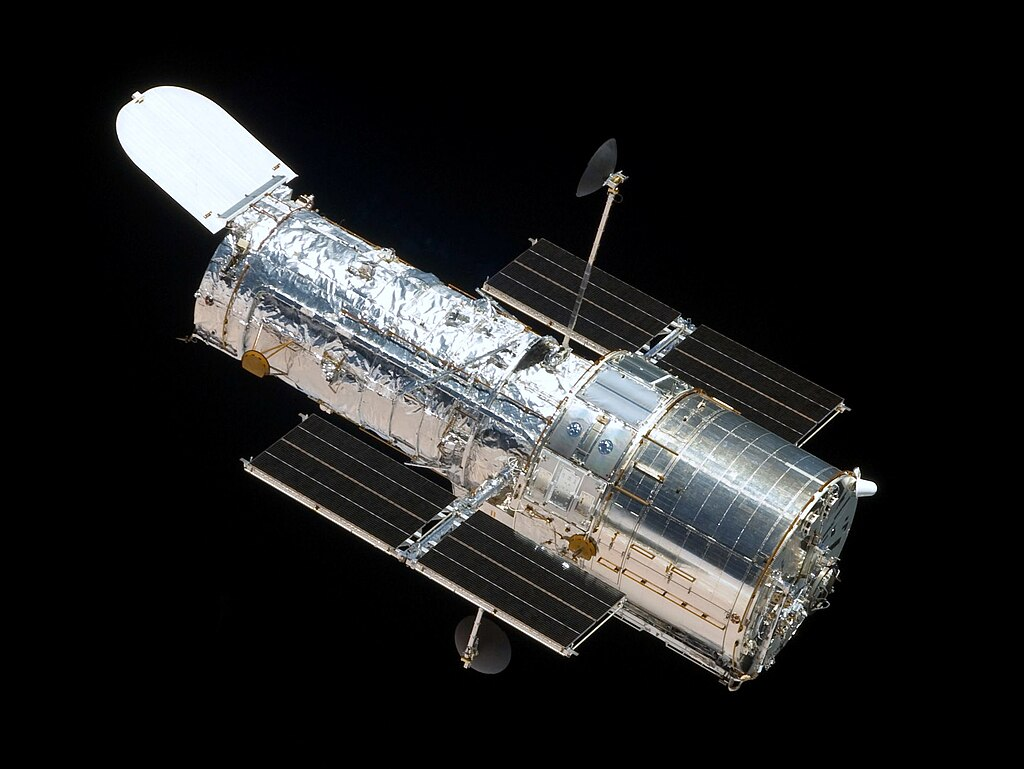
NASA’s Hubble Space Telescope has obtained the sharpest pictures to date, pinning the diameter of the nucleus down to the range of 320 meters to 5.6 km. Hubble also detected a dust plume emanating from the Sun-facing side, while JWST has made detections of carbon dioxide, water, carbon monoxide, carbonyl sulfide, and water ice in the coma. These properties are consistent with a volatile-rich composition, similar to that of Solar System comets, and support the hypothesis that icy planetesimals in other star systems similarly form through comparable processes.
6. Orbital Mechanics and Galactic Origin
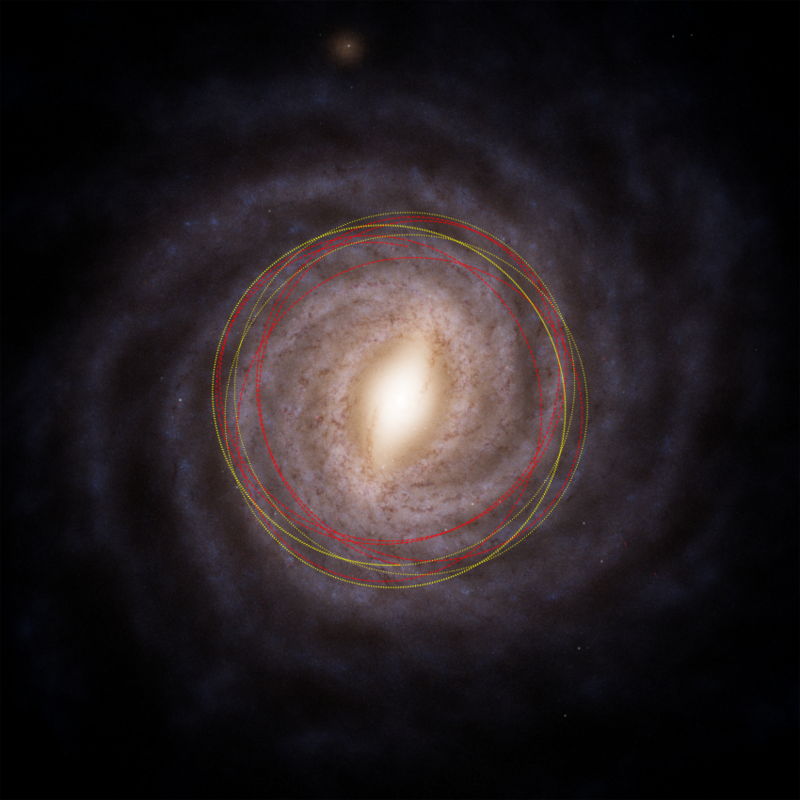
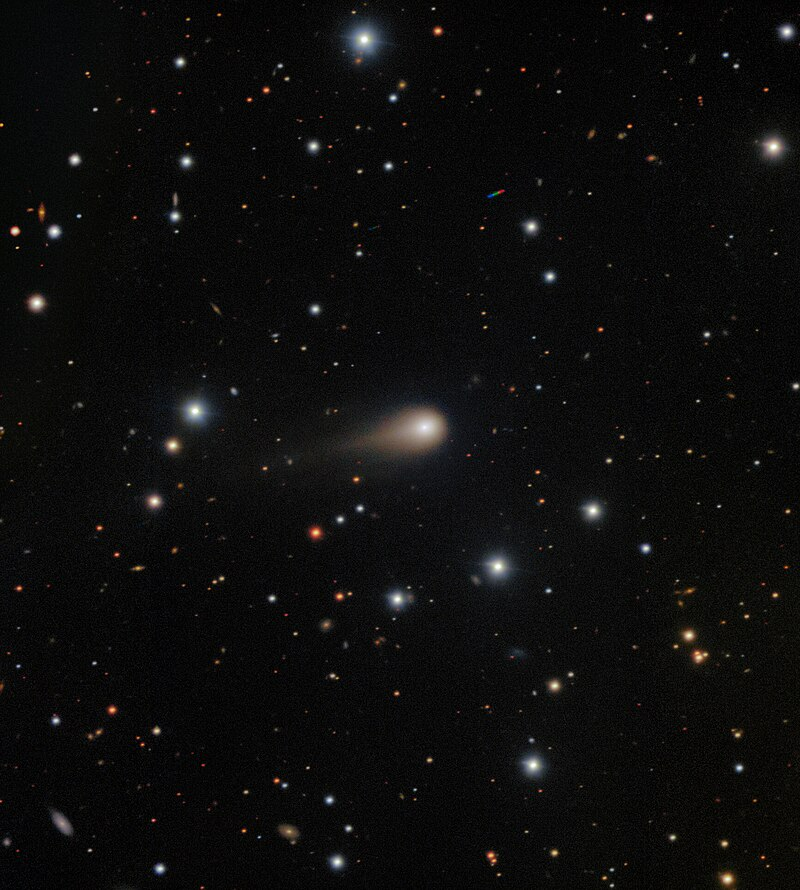
Compounding uncertainties in stellar motions make it difficult to trace the path of a comet backward through the galaxy. Recent analysis with the data obtained from Gaia suggests that 3I/ATLAS is from the thin disk of the Milky Way and may have been ejected from a primordial planetesimal disk in an early-formed system. The team identified 93 stellar encounters in 10 million years of travel, none of which had significantly affected its trajectory. This reinforces the hypothesis that interstellar space is populated by innumerable icy bodies that were expelled during the formation of planetary systems.
7. Jets, Rotation, and Surface Activity
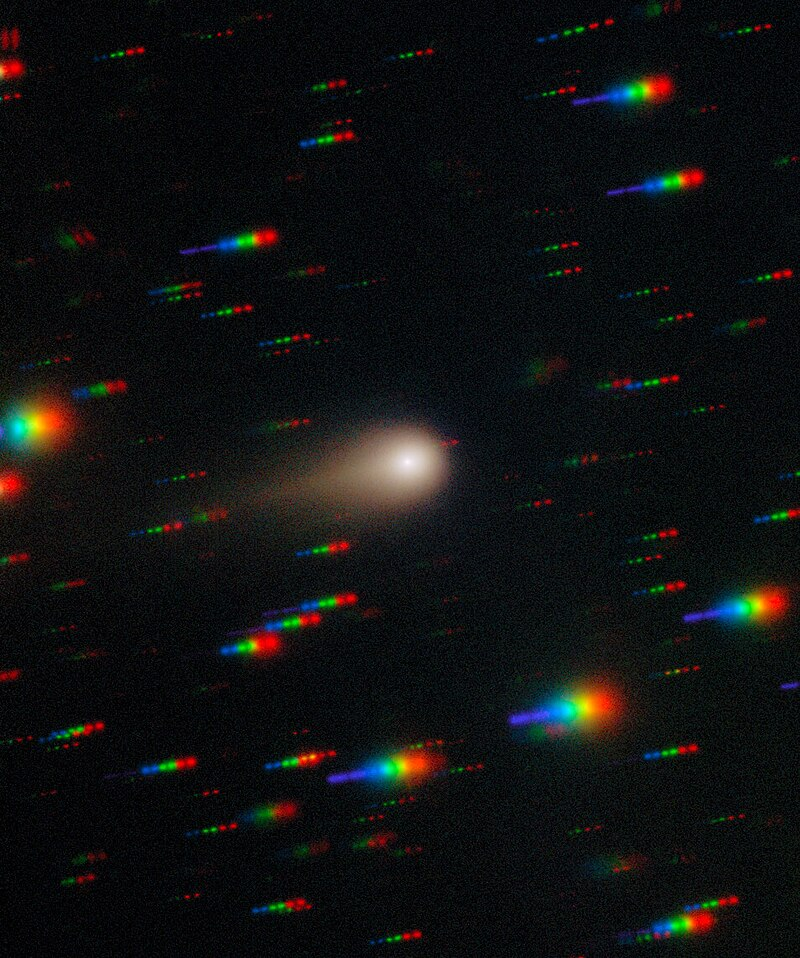
Images obtained with the Two-meter Twin Telescope in Spain revealed a sunward jet of dust and gas 10,000 km long, evidently driven by uneven heating of the nucleus. Such jets can fan outward as the comet rotates, feeding both the coma and the tail. Complex morphology, as realized in 3I/ATLAS with its simultaneous sunward jets and anti-sunward tails, is the result of rotation, localized sublimation, and solar radiation pressure.
8. Future Observations and Scientific Value
The comet will make its closest approach to Earth on December 19 at 269 million km, enabling coordinated campaigns by JWST, ground-based observatories, and ESA spacecraft. JUICE’s communications constraints mean that data from its November observations will not be downlinked until February 2026. The measurements will inform the modeling of the composition of interstellar comets, activity cycles, and dust dynamics, and support comparative studies with Solar System comets.
The transitory passage of 3I/ATLAS offers a rare opportunity to probe the physical and chemical nature of icy bodies formed around other stars. While detection systems like the Vera C. Rubin Observatory will push our reach to fainter magnitudes and such interstellar visitors might become rather common in our data, each of these will carry its own unique signature of a distant, ancient origin.


