The warning is uncompromising “In the absence of convincing evidence for reassurance, our conclusion is that mirror bacteria and other mirror organisms must not be constructed.” This pronouncement, issued in Science by an international team of 38 researchers, articulates perhaps its most crucial argument in synthetic biology should humans ever try to create ‘mirror life,’ organisms composed of biomolecules of inverted chirality. Mirror life might revolutionize medicine, but it might also slip past immune systems and disrupt ecosystems.
1. Biochemical Inversion at the Core of Mirror Life
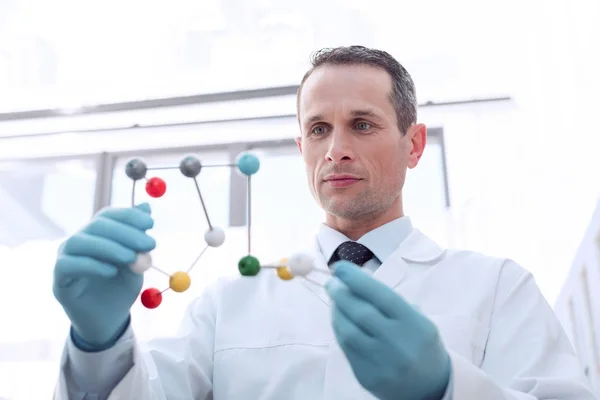
All life as we know it has a handedness to its molecule DNA employs right-handed nucleotides, proteins are composed of left-handed amino acids. Mirror life would thus be a reversal thereof left-handed nucleotides, but right-handed amino acids presuming a parallel biochemistry beyond natural evolutionary reach. Such molecules are chiral, i.e., they cannot superimpose a mirror image, as left hand/right hand. Mirror biomolecules were, nonetheless, successfully prepared under laboratory conditions, but assembling such units into self-replicating cells remains decades off.
2. Immune Evasion and Ecological Risk
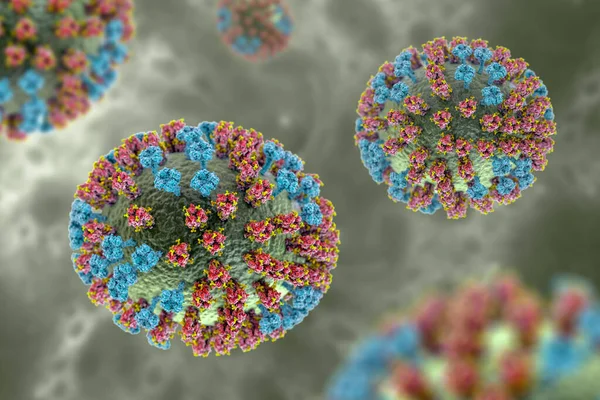
Several of its immunities rely on chirality-dependent recognition. Pattern-recognition receptors, antibodies, and lectins react with characteristic shapes at a molecular level. Mirror bacteria may have surface characteristics proteins, nucleic acids, glycans that such systems do not perceive. Lacking immune clearance or microbial predators like phages, mirror organisms will spread unchecked. Yale’s Ruslan Medzhitov issues a ominous warning that “any exposure to contaminated dust or soil could be fatal,” predicting contamination in a variety of environments as well as probable extinction at a large scale.
3. Glycan Factor: A Prospective Line of Defense
Recent reviews point to glycans complex carbs that coat all cells as a yet unseen third pillar of biochemistry, alongside proteins and nucleic acids. Glycans come in both D- and L-forms in nature immune systems evolved to detect many mirror-image sugars as foreign. Such structures are already targeted by lectins as well as anti-carbohydrate antibodies, indicating possible partial immune recognition of mirror glycans, but again, resultant stereochemical diversity of glycans represents a point for immediate experimental investigation.
4. Possible Medical Discoveries
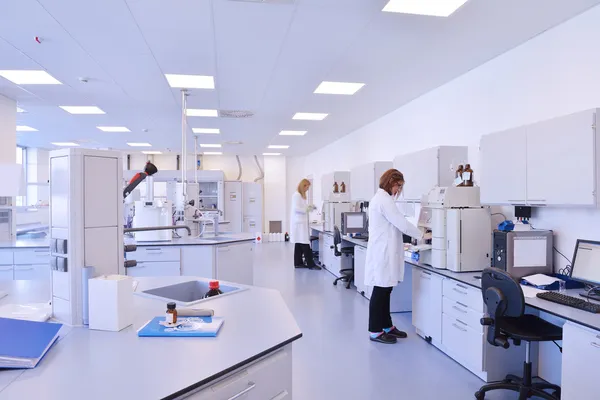
Mirror biomolecules will withstand enzymatic cleavage, allowing for therapeutics that last longer. Existing mirror medicines are atom-by-atom chemically constructed mirror bacteria might produce them in large quantities, reducing costs and speed development. Mirror peptides identified through mirror image phage display have shown potential as treatments for HIV entry and formation of amyloid plaques in Alzheimer’s disease. Mirror proteins have also been applied in racemic crystallography for resolving structures of hard targets, facilitating drug development.
5. Containment Issues
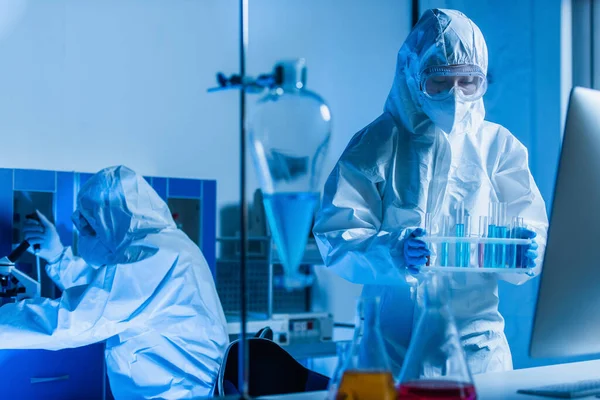
Biocontainment strategies for high-risk synthetic life forms rely on genetic kill switches, synthetic nutrient dependencies, or physical containment. For mirror life, containment will be obfuscated by its probable metabolizability of achiral natural substrates, such as glycerol and acetate, as well as its having no natural predators. It is asserted in a technical report by Science that even engineered nutrient dependencies will fail if mirror organisms evolve new metabolic paths.
6. Computational Risk Assessment
Prior to actual physical creation, computational simulation may examine mirror life’s ecological and pathogenic viability. Modeling that includes chiral molecular recognition, nutritional utilization, and evolutionary kinetics may suggest weaknesses as well as containment measures. Such methodology has been employed in pharmaceutical science to forecast enantiomeric binding with protein targets, demonstrating how chirality can drastically change binding as well as biological efficiency.

7. Divisions in the Scientific Community
Kate Adamala, who was once funded to work on mirror cells, now recommends a global moratorium, claiming disproportionate risk. David Perrin responds that immune systems may inactivate mirror bacteria and that it would be premature to stop research dead in its tracks: “What would’ve happened if we stopped dead in our tracks, putting a complete moratorium, on studying radioactivity? We’d know no more about RNA.” Gigi Gronvall favors free debate but believes risk assessments at this time are “very theoretical” and warns that funding prohibitions may inhibit useful discoveries.

8. Paths to Governance
Global institutions such as UNESCO’s Bioethics Committee have been advised to issue precautionary bans, while Paris- and Manchester-based conferences are developing policy structures. Early governance debate, uncommon in biotechnology, where regulation has tended to lag behind capability, is being organized by the Mirror Biology Dialogues Fund. This initiative might establish red lines, for example, banning self-replicating mirror organisms but allowing non-replicating mirror biomolecule studies.
9. Engineering Feasibility
Mirror life would require a few hundred mirror enzymes for amino acid, vitamin, carbohydrate, and lipid production. Technologically difficult areas are constructing mirror membranes and making energy-generating proteins function under inverted conditions. All that prior success with synthetic biology creating ATP synthase to function in synthetic copolymer membranes would mean such technical difficulties are surmounted in 10–30 years. The mirror life controversy isn’t a debate about technical proficiency, it’s a debate about balancing transformational medical potential with environmental disaster. With simulation, modeling, and tentative validation of risk tools decades before production, science has a clear chance to establish limits before it exceeds them.


