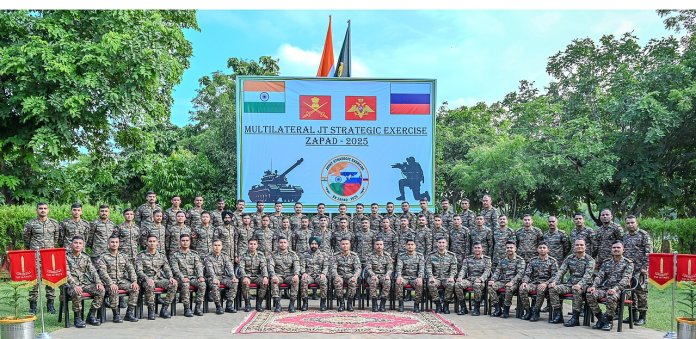
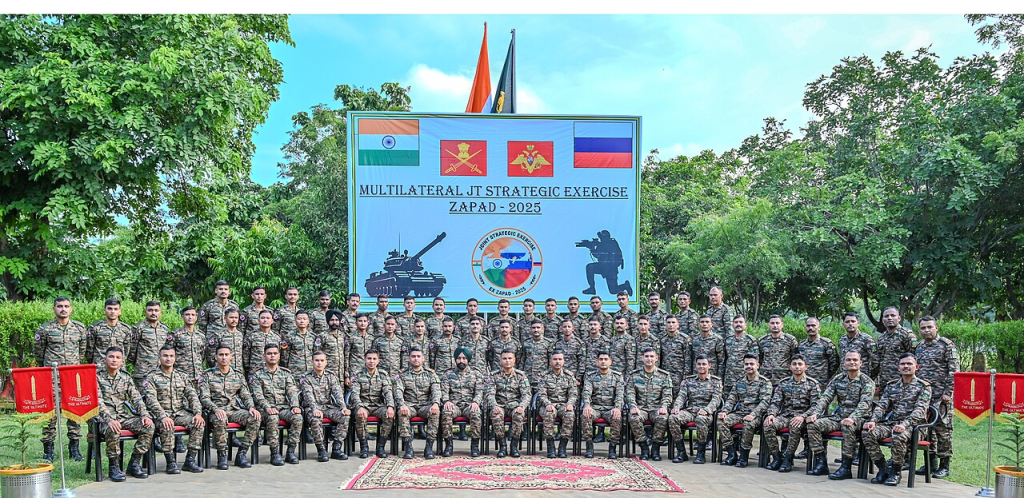
The declaration that Russia and Belarus will be simulating nuclear deployment during September’s Zapad‑2025 war games close to Borisov arrives at a time of calculated geopolitical theater. It will be the maiden time the Oreshnik missile system a system mired in technical uncertainty but drenched in strategic metaphor is included in such exercises on Belarusian territory. The timing, on the eve of a unprecedented Trump‑Putin encounter in Alaska, reinforces Moscow’s desire to signal capability and determination under its newly updated nuclear doctrine.

1. The Framework of Exercise
Belarusian Defense Minister Viktor Khrenin assured that from September 12–16, Zapad‑2025 will focus main troop exercises in fortified areas close to Borisov. All military branches of Belarus’s armed forces, Russian Western and Northwestern Commands, and special units will conduct training to counter airstrikes, eliminate groups of saboteurs, and most importantly, prepare to deploy nuclear weapons. Khrenin highlighted that “nuclear weapons are able to cause unacceptable harm to possible enemies” and positioned them as “an essential component of strategic deterrence.” Four out of five heavily fortified regions are already running, with two scheduled for live‑fire mission during the exercises.

2. The Technical Profile of the Oreshnik Missile
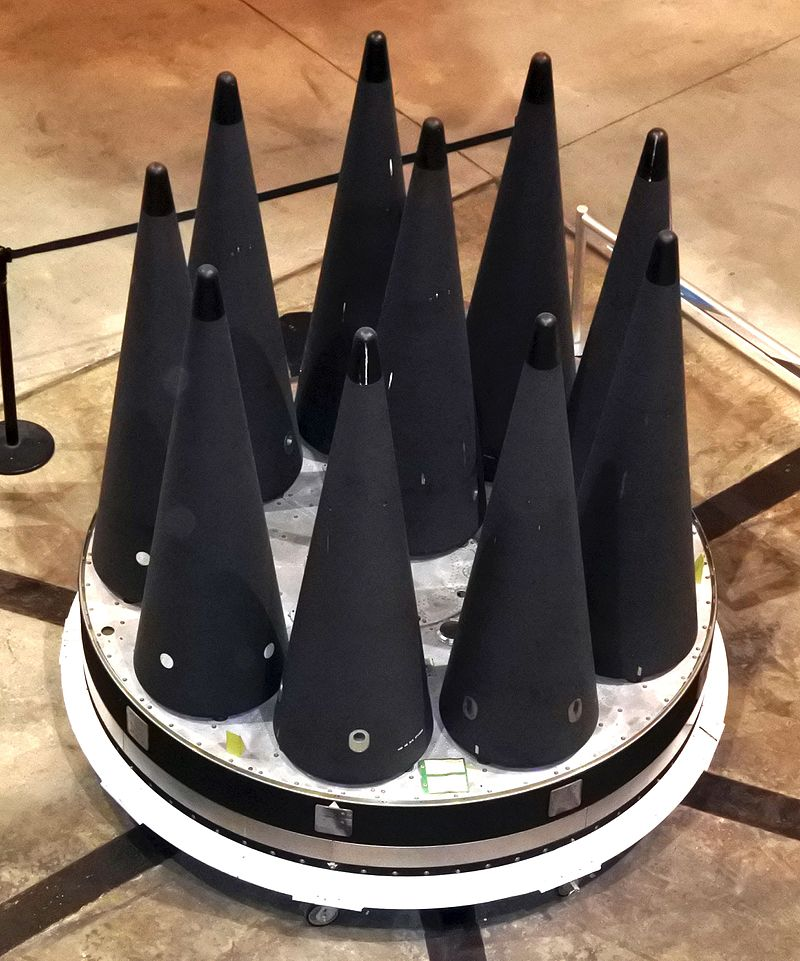
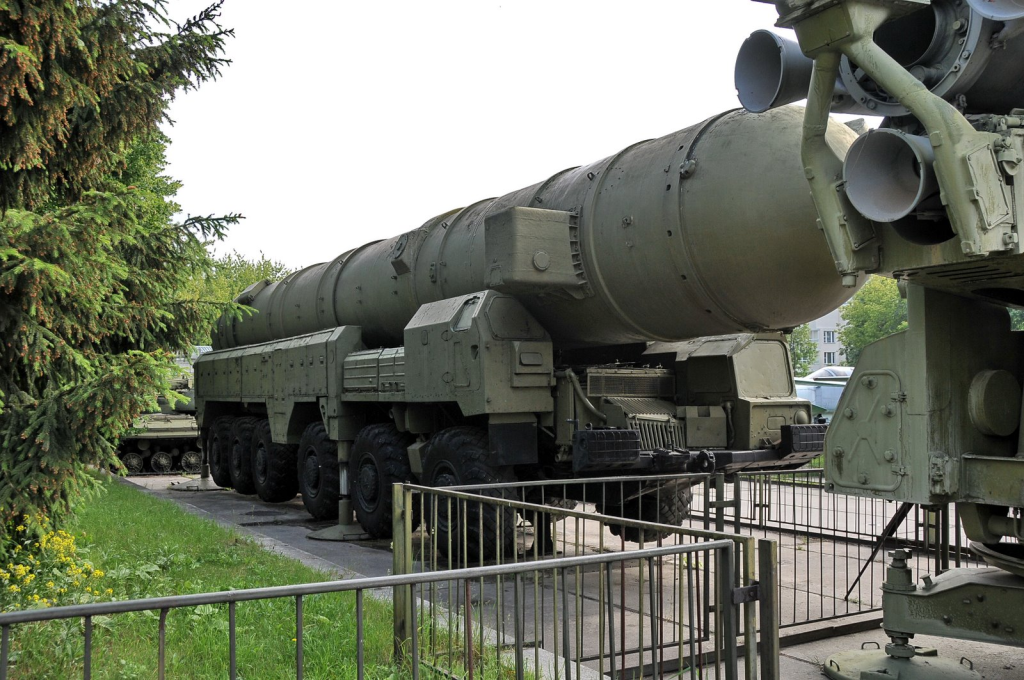
The Oreshnik is estimated to be an intermediate- or medium-range ballistic missile (MRBM/IRBM) with a ceiling over range below 5,500 km and probably developed from the RS‑26 Rubezh platform. Russian leader Vladimir Putin has spoken of it as having Mach 10 speeds, toting MIRVs with non‑explosive kinetic warheads. With each warhead weighing approximately 300 kg, it was to deliver kinetic energy equivalent to 400 kg of TNT. Experts point out that in the absence of nuclear warheads, such effectiveness against hardened targets would be contingent on reaching single-digit meter circular error probable (CEP) a degree of accuracy strategic missiles seldom obtain in the absence of intricate terminal guidance systems.
3. Combat Introduction and Strategic Signaling
Russia tested an Oreshnik from Kapustin Yar at Dnipro on November 21, 2024, marking the system’s first known combat employment. It released six RVs with submunitions, typical of a MIRV bus configuration. The military impact of the strike was minimal, though the political signal was unmistakable to show off a dual-capable platform that could be nuclear-armed at short notice. The pre-launch notification went to U.S. officials under a 1988 agreement, a unusual compliance with Cold War‑era norms during the Ukraine conflict.
4. Tie to the RS‑26 Rubezh Heritage
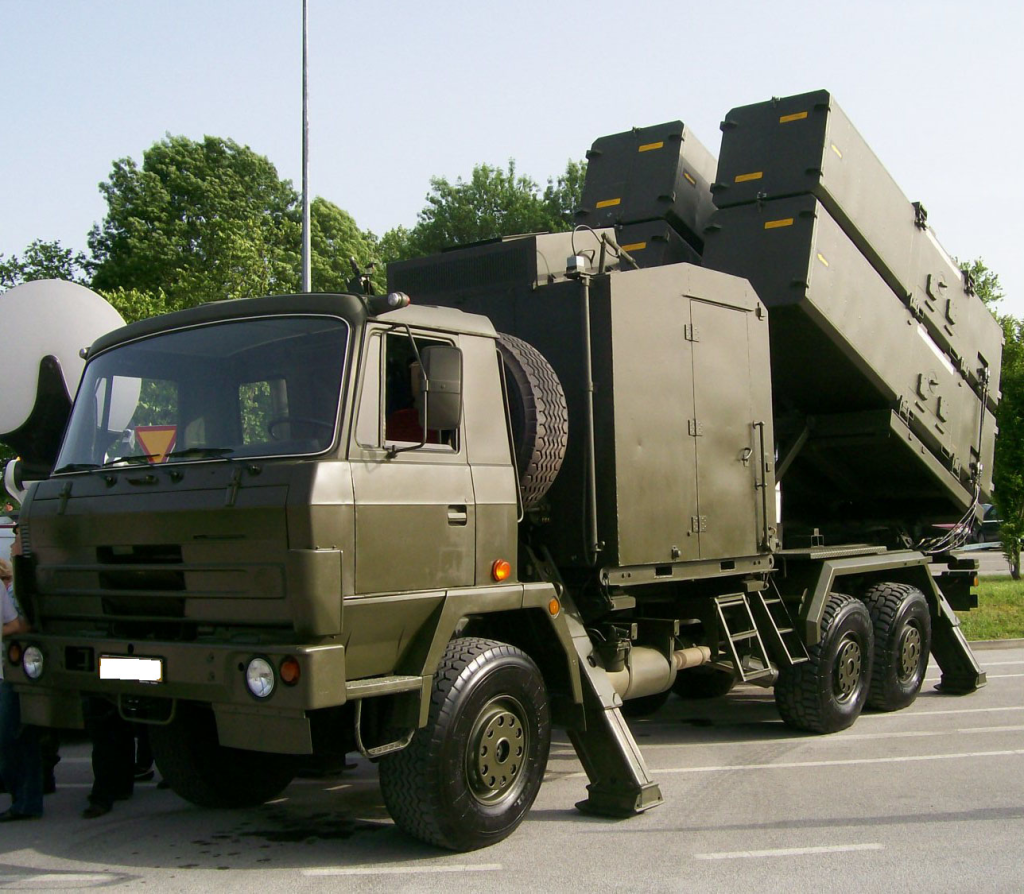
The RS‑26 project, suspended in 2017, was long accused by Western intelligence of breaking the INF Treaty by testing at distances just above 5,500 km with light payloads. After INF withdrawal in 2019, the design seems to have been adapted to European‑theater missions. The Oreshnik’s road‑mobile layout and solid‑fuel stages mimic the Rubezh, yet its payload bus can potentially be optimized for conventional or “pre‑nuclear deterrence” missions providing a final warning before escalation to tactical nuclear employment.
5. Russia’s New Nuclear Doctrine
In the late 2024, Moscow formalized adjustments that decrease the threshold for the use of nuclear arms. Principal changes involve formally broadening the nuclear umbrella to Belarus, expanding triggers from threats to “state existence” to “critical threats to sovereignty,” and viewing conventional attacks by non‑nuclear states supported by nuclear powers as collective aggression. The doctrine further extends possible triggers to aerospace attacks including drones and massive exercise on Russian peripheries.
6. Integration into Union State Strategy
The Belarusian position as host and beneficiary of Russian nuclear capabilities has been further entrenched. Tactical nuclear weapons were stationed there in 2023, and by year‑end 2025, Oreshnik systems may follow. The Treaty on Security Assurances of the Union State makes Russia’s arsenal a collective deterrent. This integration fogs the distinction between Russian and Belarusian strategic forces, making it harder for NATO to calculate targeting.
7. Operational and Deterrence Implications
From a technical perspective, the Oreshnik’s hypersonic reentry makes it more difficult to intercept. Patriots can attack IRBMs only in the terminal phase, necessitating salvo launches because reaction times are compressed. Its mobility permits scattering all over Belarus, making it less susceptible to pre‑emptive attack. At the strategic level, its stationing in Belarus shortens flight times to NATO capitals, recalling the SS‑20 deployments during the Euromissile crisis and inducing fears of theater‑level nuclear decoupling between Europe and the U.S.

8. NATO and Regional Countermoves
Poland will hold its Żelazny Obrońca exercise concurrently with Zapad‑2025, with several NATO members participating. Alliance planners will probably speed up integrated air and missile defense deployments, and the U.S. is pushing long‑range hypersonic and SM‑6 programs for basing in Europe. The technical problem is duplicating the Oreshnik’s velocity and maneuver character while sustaining cost‑effective saturation of defenses.

9. The Trump‑Putin Summit Context
The Alaska summit provides a high‑visibility setting. As U.S. Treasury Secretary Scott Bessent discussed “all options on the table,” Ukrainian President Volodymyr Zelensky poohpoohed Putin’s actions as bluff, intended to manipulate Trump’s negotiating position. The backdrop of live nuclear‑planning exercises and summit diplomacy highlights Russia’s leverage through military‑technical demonstrations as bargaining chips.
The coming together of Zapad‑2025, Oreshnik’s operationalisation, and conceptual change is a deliberate synthesis of hardware and policy. Defense analysts’ most important questions are not so much about the actual performance envelope of the missile, but how its deployment actual or presumed redraws the deterrence map in Europe.


