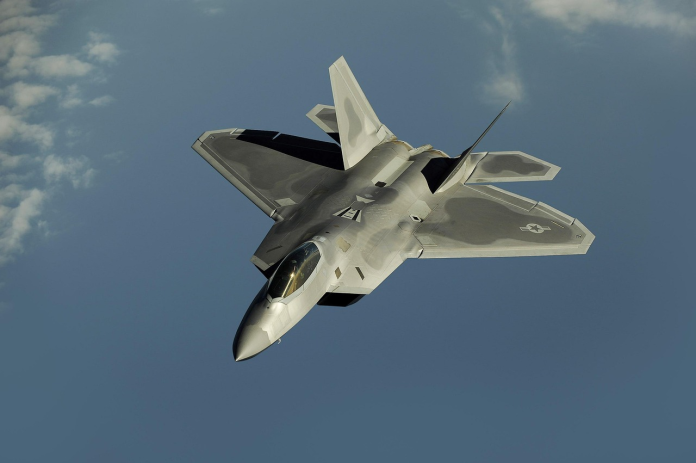
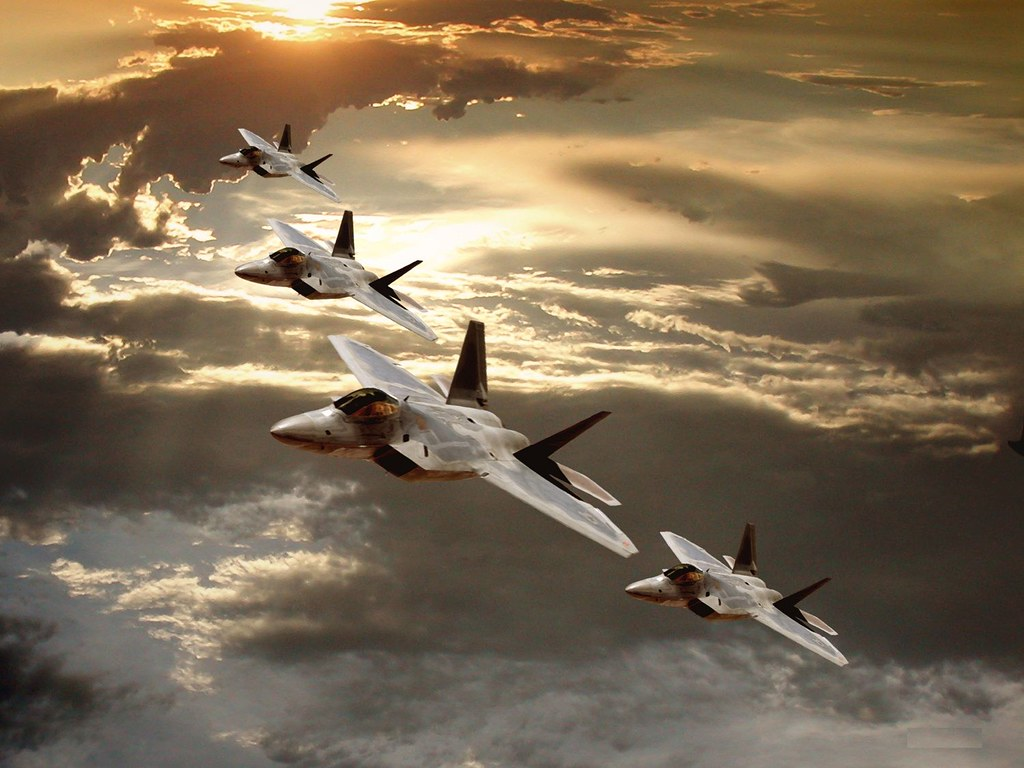
The U.S. Air Force is at a critical juncture: bet big on a proven air superiority platform with next‑generation upgrades, or spend big on an unproven, multi‑hundred‑million‑dollar sixth‑generation fighter. With the “F‑22 Super” modernization and the newly named F‑47 NGAD fighter both requiring enormous resources, the issue is whether the defense budget of America will be able to afford both without sacrificing readiness.
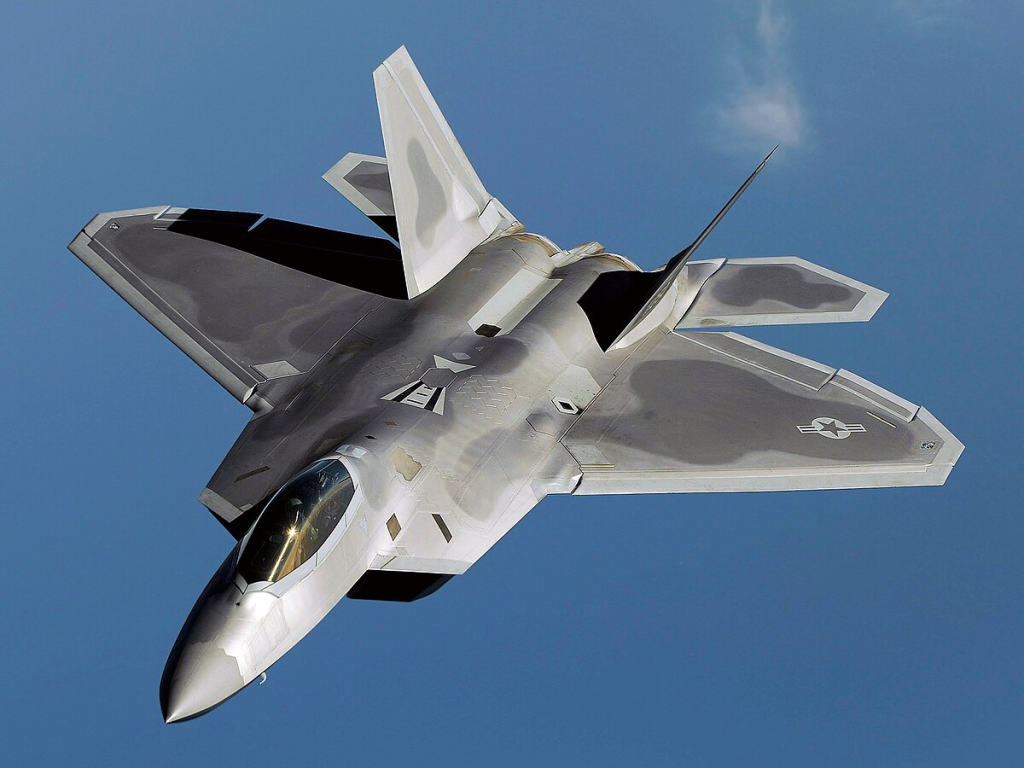
1. The F‑22 Super: Prolonging Fifth‑Generation Dominance
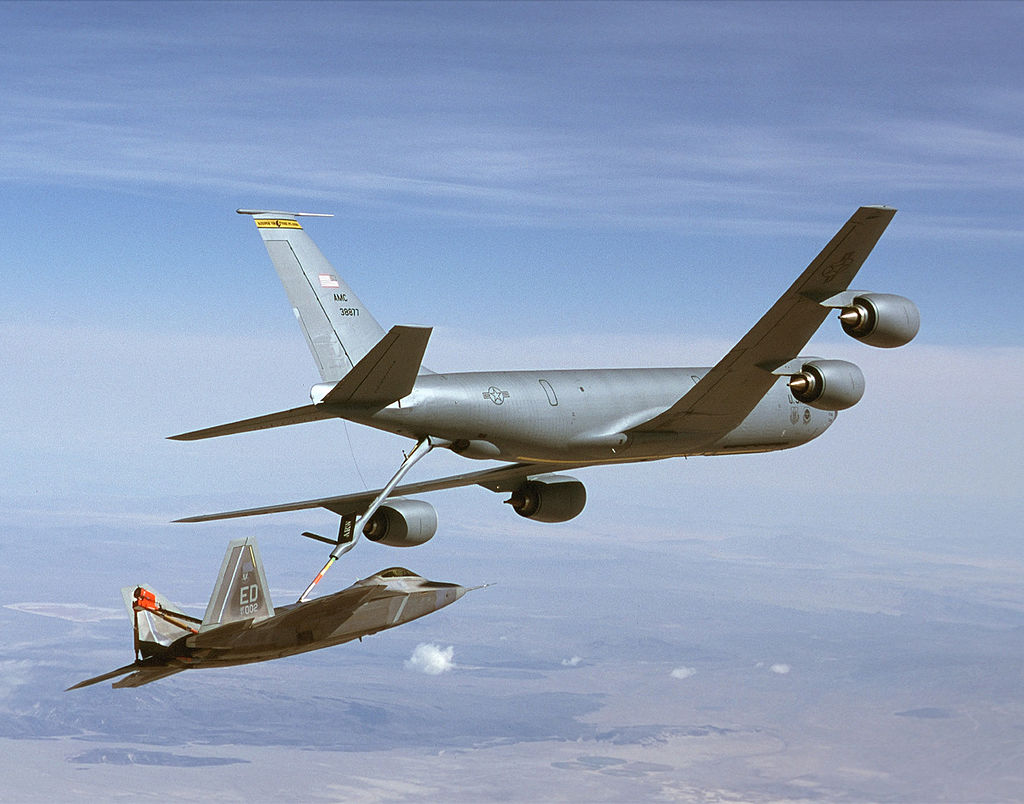
The F‑22 Raptor, which debuted in 2005, is still the globe’s first mass‑produced fifth‑generation fighter and a pillar of American air supremacy. The “F‑22 Super” program upgrade, supported by about $9 billion under the Future Years Defense Program, aims to perpetuate the plane’s superiority through the 2040s without significant structural overhauls. Improvements include Raytheon’s $1.04 billion infrared threat detection package, termed the Infrared Defensive System (IRDS), and stealth enhancements to its low observable signature management. Lockheed Martin is also enhancing avionics, pilot interfaces, communications, and synthetic aperture radar capability.
2. NGAD Technologies Back‑Ported to the Raptor
Core among the features of the F‑22 Super is the incorporation of Next Generation Air Dominance (NGAD) technologies from the Air Force. These are open system architectures for real‑time sensor fusion, extended range sensing and strike, and advanced electronic warfare. The upgrades will enable the Raptor to work seamlessly with Collaborative Combat Aircraft (CCA) drones using tablet‑based or integrated control systems to command “loyal wingman” assets in contested airspace.
3. The Collaborative Combat Aircraft Role
The Air Force intends to equip 142 combat‑coded F‑22s with CCA control kits, priced around $86,218 each. They will allow pilots to control drones such as General Atomics’ YFQ‑42A and Anduril’s YFQ‑44A, as part of a program that is hoping for at least 1,000 CCAs in multiple increments. Although early control will depend on tablet interfaces connected through the Raptor’s secure Inter‑Flight Data Link, autonomy developments should lower pilot workload. The Experimental Operations Unit and Project VENOM are already developing multi‑ship and counter‑air behaviors for these unmanned aircraft.

4. The F‑47: Boeing’s Sixth‑Generation Gambit
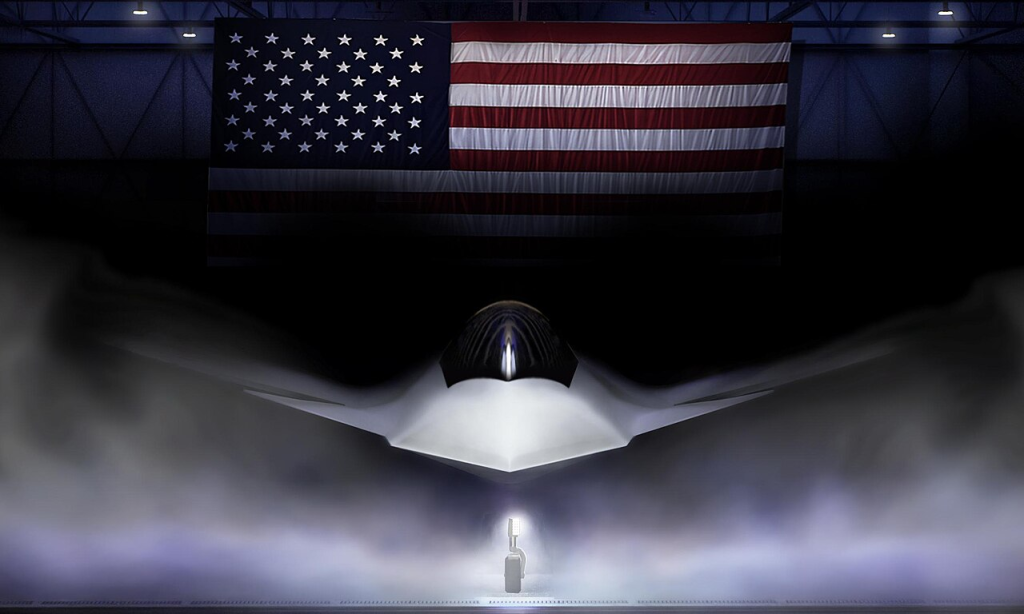
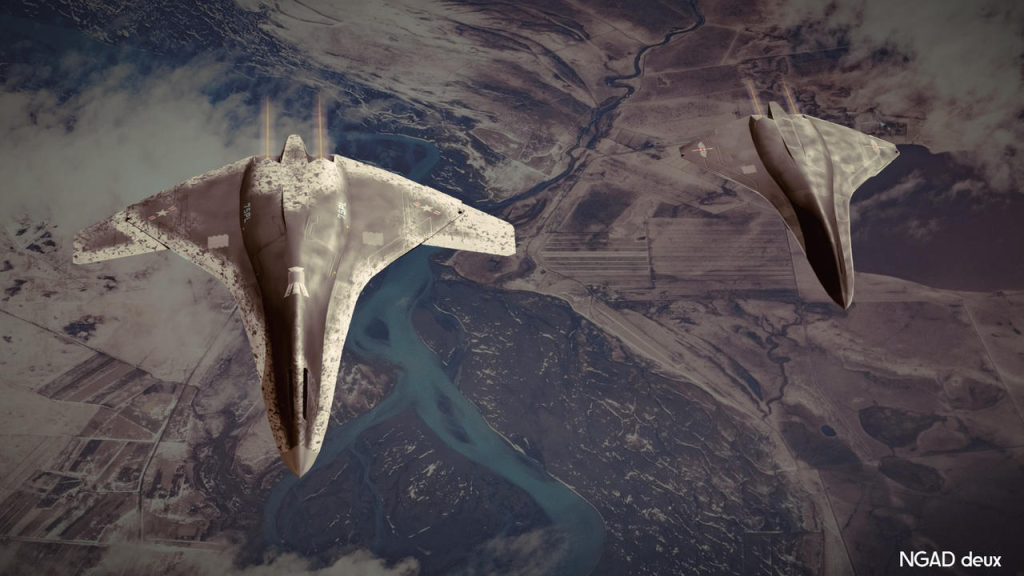
Boeing’s F‑47, the manned centerpiece of NGAD, has received an estimated $20 billion engineering and manufacturing development contract. It has high‑dihedral wings a la the YF‑118G Bird of Prey, potential canard foreplanes, and a wide nose accommodating a large radar array.

Designed to counter near‑peer adversaries such as China in the Indo‑Pacific, it offers broadband stealth, long range, and spectral warfare capabilities. President Trump has called it “the most advanced, most capable, most lethal aircraft ever built,” with an estimated top speed “over two” Mach.

5. Cost, Capability, and Readiness Tensions
Each F‑47 would cost over $300 million, creating affordability issues in conjunction with the F‑22 Super program. The F‑47 will be more flexible, sustainable, and longer‑ranged than the Raptor, Air Force Chief of Staff Gen.
David Allvin has contended, but the service’s tiny F‑22 fleet of 149 combat‑capable Block 30/35s is its sole operational air dominance asset today. The Government Accountability Office warned that offloading older Block 20 F‑22s without a definitive training strategy may erode readiness.
6. Open Architecture and Agile Upgrades
The Raptor Agile Capability Release (RACR) program at Lockheed Martin provides software updates on 12- to 18-month cycles, allowing new sensors, weapons, and network capabilities to be integrated quickly. “The fact that F‑22 has gotten out in front of this … has really enabled the F‑22 as an enterprise to be agile, nimble and flexible based on changing dynamics,” said Justin Taylor, vice president of the F‑22 program. This creates the ability for the jet to be ready to adapt to changing threats without having to experience long lead times of entirely new platforms.
7. Strategic Implications for Air Dominance
The NGAD program was envisioned prior to CCAs being introduced and prior to affordability pressures being on the rise. As Air Force Secretary Frank Kendall added, “We’re going to take a hard look at NGAD before we move forward.” In the event that the F‑22 Super can combine NGAD-derived capabilities with CCA control smoothly, this might forestall full F‑47 deployment, with the resources thereby left available for wider force modernization. Yet proponents of the F‑47 argue its design is optimized for the high‑threat Indo‑Pacific environment in ways no retrofit can match.
The Air Force’s decision will shape the balance between evolutionary upgrades to proven platforms and revolutionary leaps into untested designs. Both paths promise technological breakthroughs, but only one can be the primary spearpoint of U.S. air dominance in the next two decades.


