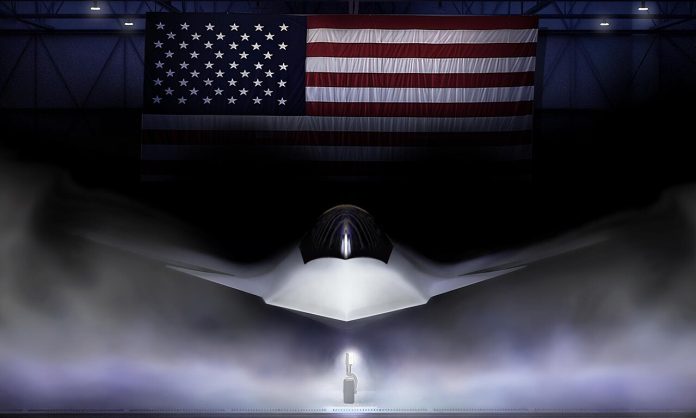
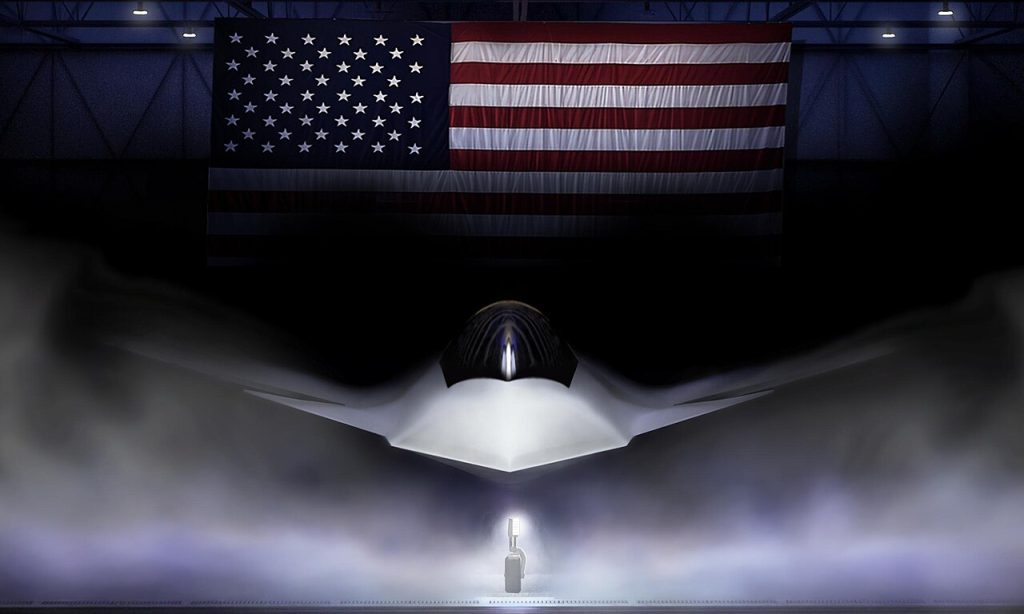
Few planes have ever vowed a leap so deep that it might redefine the geometry of air warfare itself. Boeing’s F‑47, the United States Air Force’s first combat sixth‑generation fighter, is being designed to do so bundling profound stealth, Mach 2‑plus speed, and AI‑led control of autonomous swarms of drones into one very tightly coupled fight system.
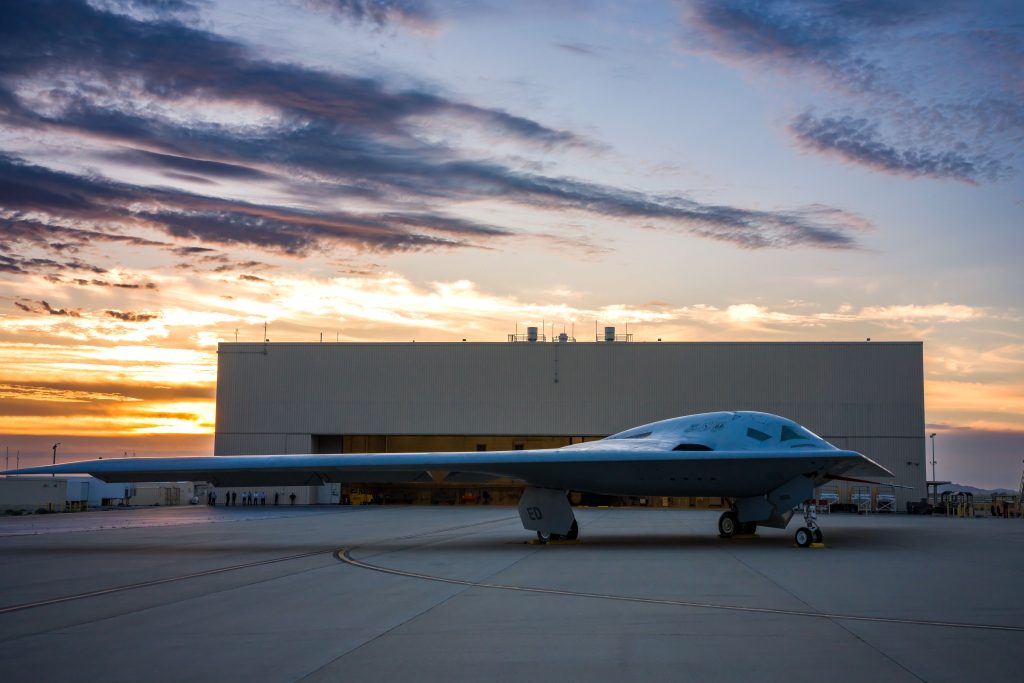
1. A Tailless Design for the Lowest Radar Cross‑Section
The F‑47’s exterior lines indicate a completely blended, horizontal airframe with no fins or vertical tails, a design that reduces radar reflections by eliminating exposed surfaces. The technique is similar to broadband stealth bombers such as the B‑21, but scaled for fighter maneuverability. Boeing Phantom Works has a history dating back decades of building tailless prototypes such as Bird of Prey and X‑45, and advanced flight control computers can now make inherently unstable tailless fighters a reality. The end result could be the lowest radar cross‑section of any aircraft to date, possibly stealthier than the B‑21 and still maintaining high‑G maneuverability.
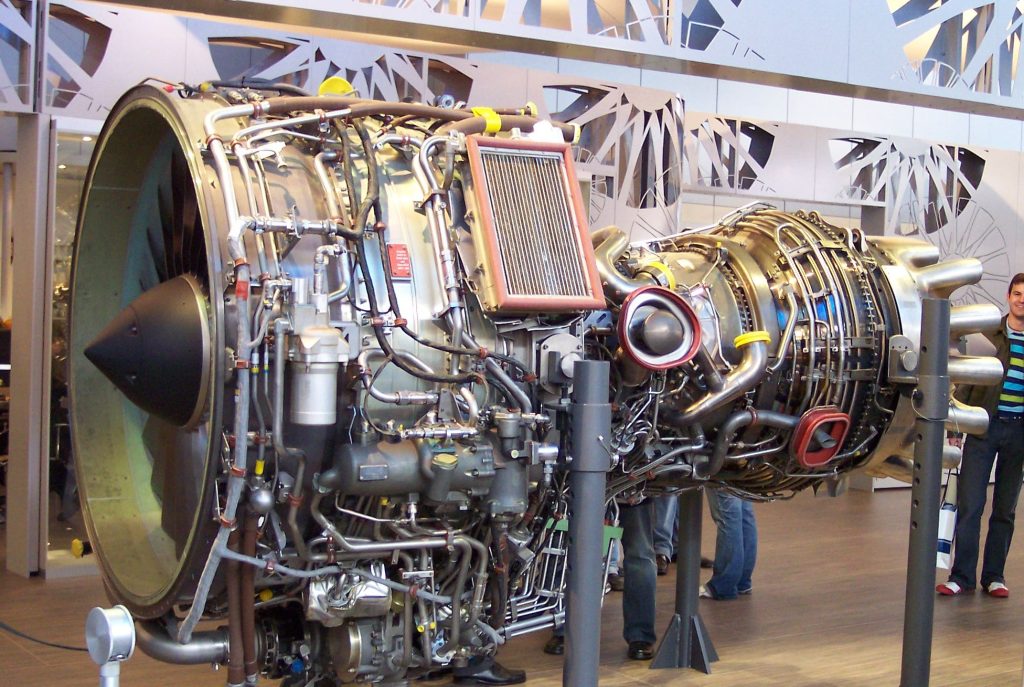
2. Adaptive‑Cycle Engines for Range and Power
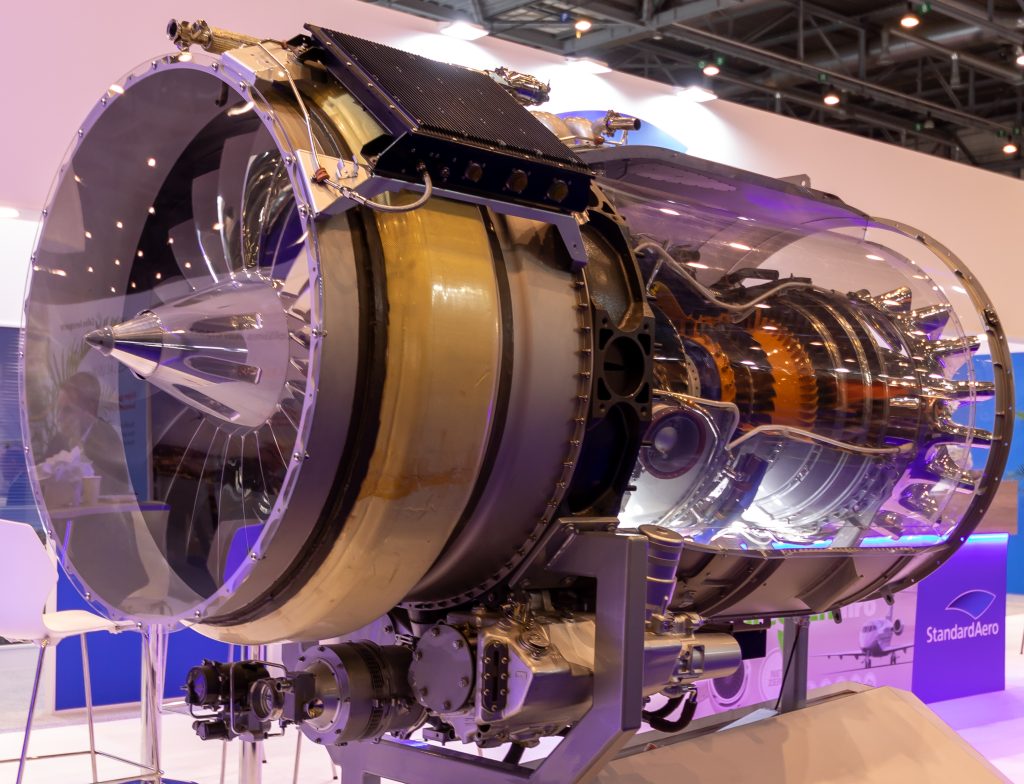
Adaptive-cycle turbofans from Pratt & Whitney or General Electric will be the backbone of the F‑47. These engines are capable of changing between high-bypass mode for cruise fuel efficiency and low-bypass mode for maximum power, even in mid-flight. This adaptability is essential for the Pacific theater, where combat radii need to be more than 1,000 nautical miles. The design also creates excess electrical power and next-generation thermal management allowing high‑demand systems such as high‑power AESA radars, onboard AI computers, and possibly airborne laser guns.
3. Mach 2‑Plus Speed Enters the OODA Loop
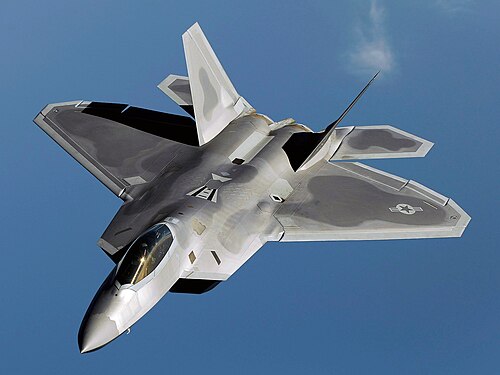
President Trump has confirmed that F‑47 will be above Mach 2, with more agility than the F‑22. High speed is not just a matter of intercepting threats; it shortens the Observation‑Orientation‑Decision‑Action (OODA) loop so that the pilot can operate “within” an opponent’s decision loop. Combined with AI‑driven flight control and sensor integration, this advantage in speed might make old-fashioned dogfighting the exception the F‑47 might detect, decide, and attack before one can counter.
4. AI‑Enabled Command of Drone Swarm
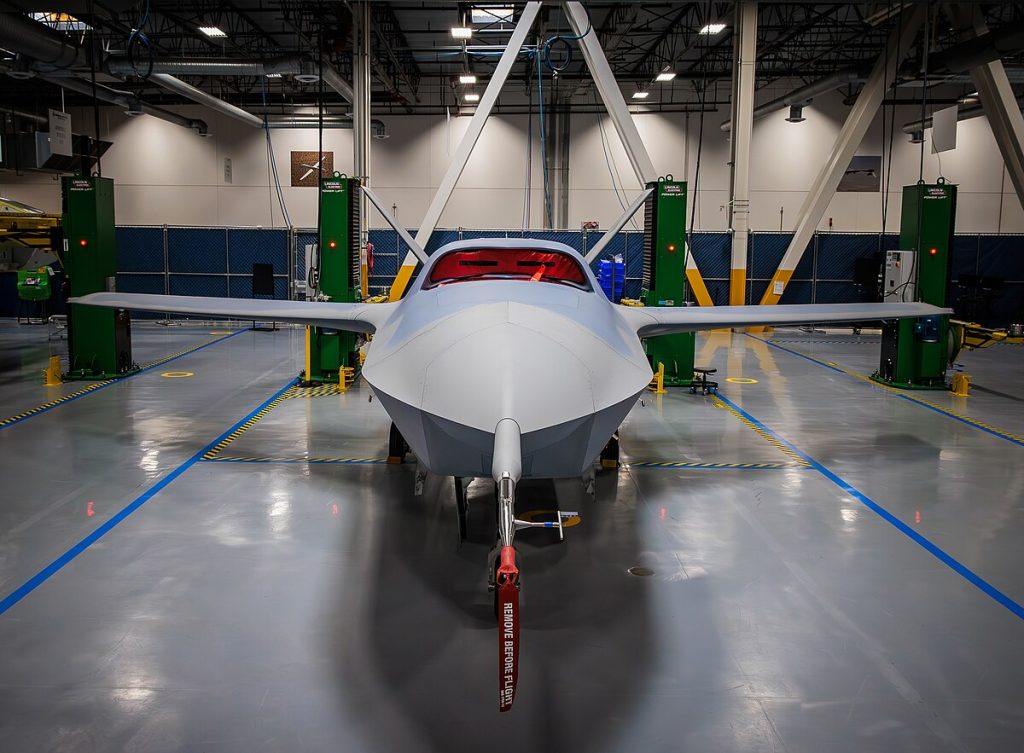
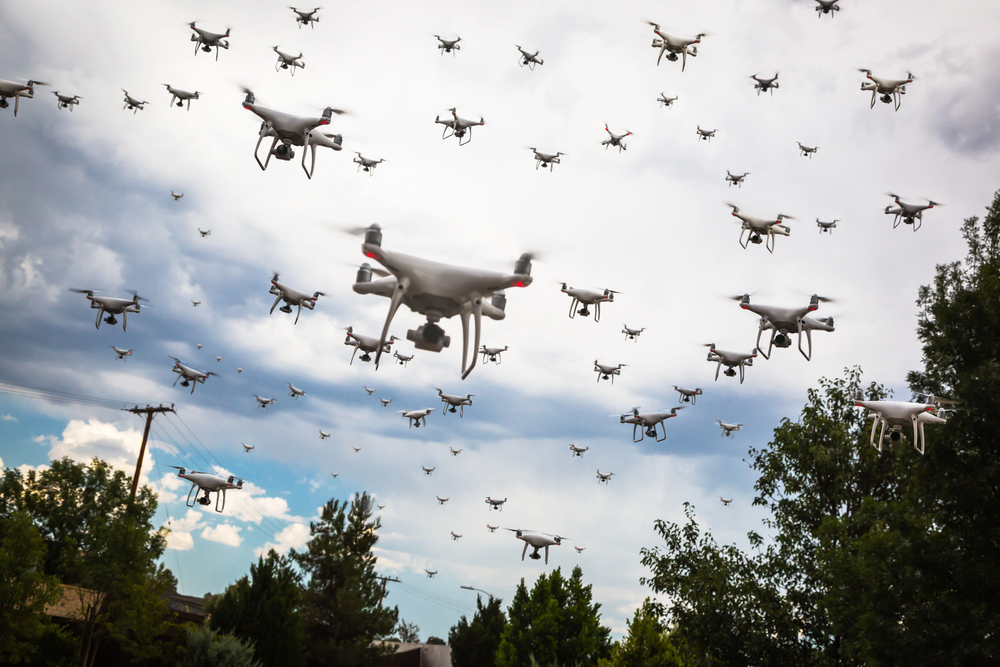
The F‑47 is conceived as a “quarterback” for Collaborative Combat Aircraft – loyal wingman UAVs like the YFQ‑42 “Fury” or MQ‑28 Ghost Bat. From its cockpit, one pilot will command up to 1,000 AI‑equipped drones for reconnaissance, electronic attack, missile delivery, or decoy missions. These unmanned platforms stretch the fighter’s reach, soak up enemy fire, and flood defenses, all while returning real‑time information to the F‑47’s open‑architecture mission computer.
5. Millisecond Targeting and Sensor Fusion
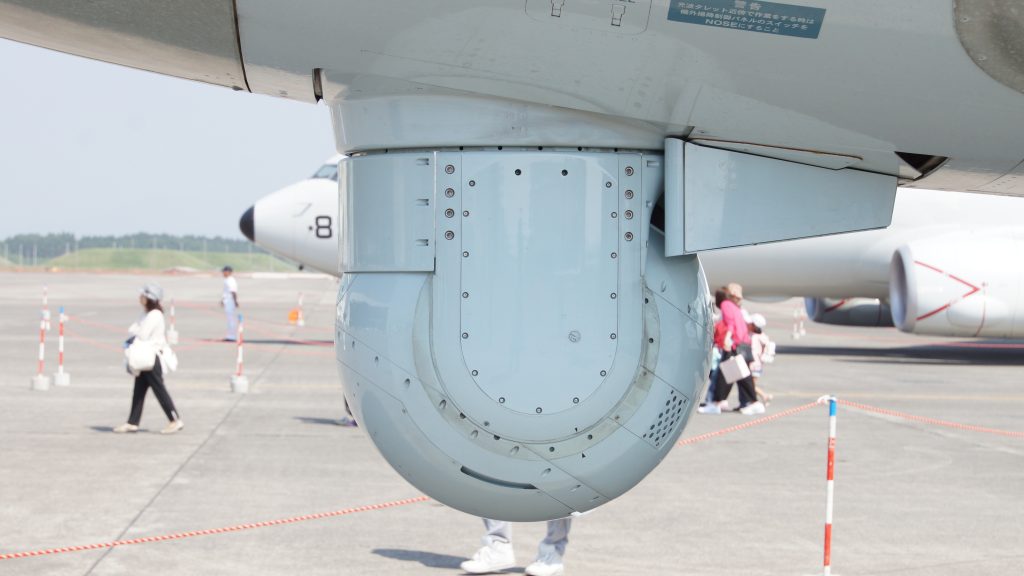
Sophisticated gateway processors will synthesize inputs from AESA radar, EO/IR sensors, RF detectors, and satellite signals into one coherent battlespace image. AI software will match real-time data with enormous libraries of mission history, collapsing sensor-to-shooter time to milliseconds. This enables the F‑47 to find and hit targets at standoff distances without revealing itself a demonstrated benefit in F‑35 wargaming, now enhanced with sixth-generation computing capability.
6. Hypersonic and Directed‑Energy Weapons
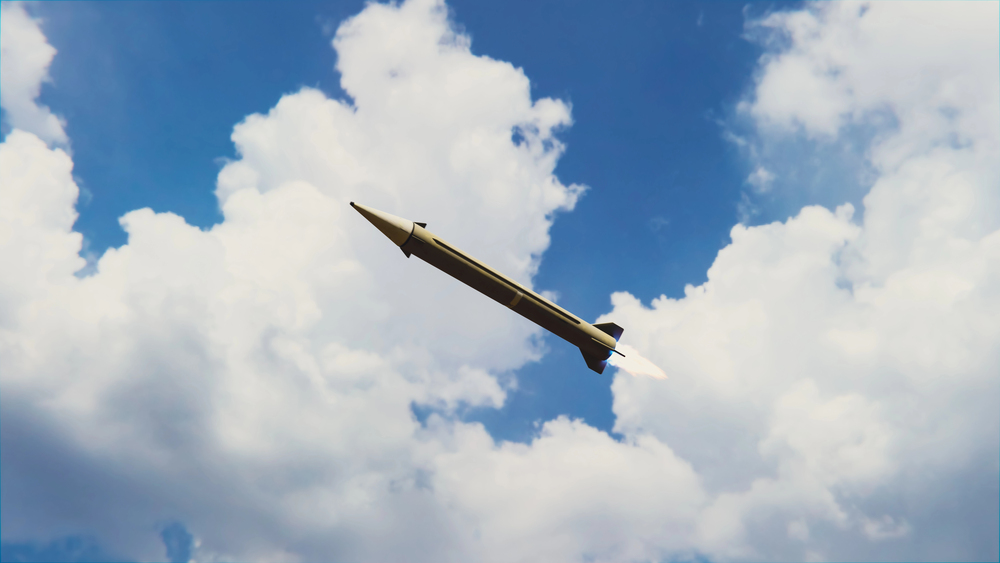
The F‑47’s firepower package will be projected to encompass air-launched hypersonic missiles, AI-guided weapons that can divert course in flight, and airborne lasers. The Air Force Research Laboratory has already shown efficient, exportable power packages for fighter-class lasers, which achieve light-speed accuracy at low cost per kill. Placing such a system in a stealth fighter capable of Mach 2 speeds would allow incoming missile interception or instant annihilation of high-priority targets.
7. Engineering for Dispersed Operations
Aside from its combat capabilities, the F‑47 is being developed for dispersed basing taking off and landing at poor or temporary runways to make it difficult for the enemy to target. This fits Pacific warfighting requirements, where distances are long and threats to fixed bases require expandable launch points. Adjustable engines and greater range enable the F‑47 to operate from bases 750 to 2,000 miles from China without depending on vulnerable tanker support.
8. Strategic Imperative and Scale of Production
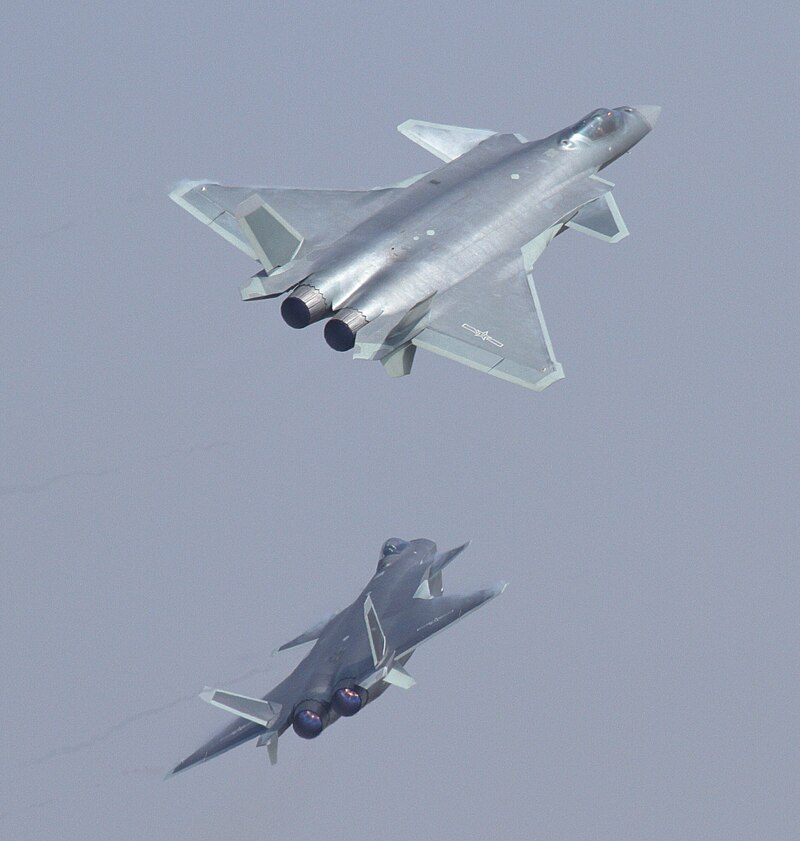
With unit prices estimated at $300‑plus million, the Air Force is looking to buy approximately 185 F‑47s backed by more than 1,000 drones. Analysts caution that “mass matters” in the Indo‑Pacific: an undersized fleet, even one that is highly modernized, stands to be swamped by numerically superior adversaries such as China’s 400‑plus J‑20s. The F‑47’s extended range, networking, and swarm control are intended to counter this, but only if acquired in quantities sufficient to maintain a theater‑wide presence.
The F‑47 is still shrouded in secrecy, having been shared with the public only in distorted renderings intended to deceive foreign intelligence. But from the pieces that have been unveiled tailless stealth shaping, adaptive propulsion, AI‑controlled swarm command, and directed‑energy incorporation it is evident that this plane is no incremental development. It is a carefully crafted effort to marry speed, stealth, and machine intelligence in a single platform designed to control the most contested airspace on the planet.


