Ditch moderation 2025 has been a year of unapologetic acceleration. In a world where electrification, hybridization, and internal combustion are converging in the same hurry-up lane, the stopwatch is the final arbiter of fact. Companies boast loudly, but only a timed dash from zero to 60 mph lies between marketing hyperbole and engineering reality.
More than 120 cars have been tested this year, ranging from workhorse vans to million-dollar hypercars. The verdicts show a compelling range: plug-in hybrids overpowering their gas-only cousins, electric sedans outpacing supercars, and even a 7,000-pound pickup that can overwhelm track-tuned coupes. Here are the vehicles that have set the pace so far each with its own tale of power, innovation, and precision.
1. Mercedes‑Benz eSprinter – The Slowest, and Proud of It
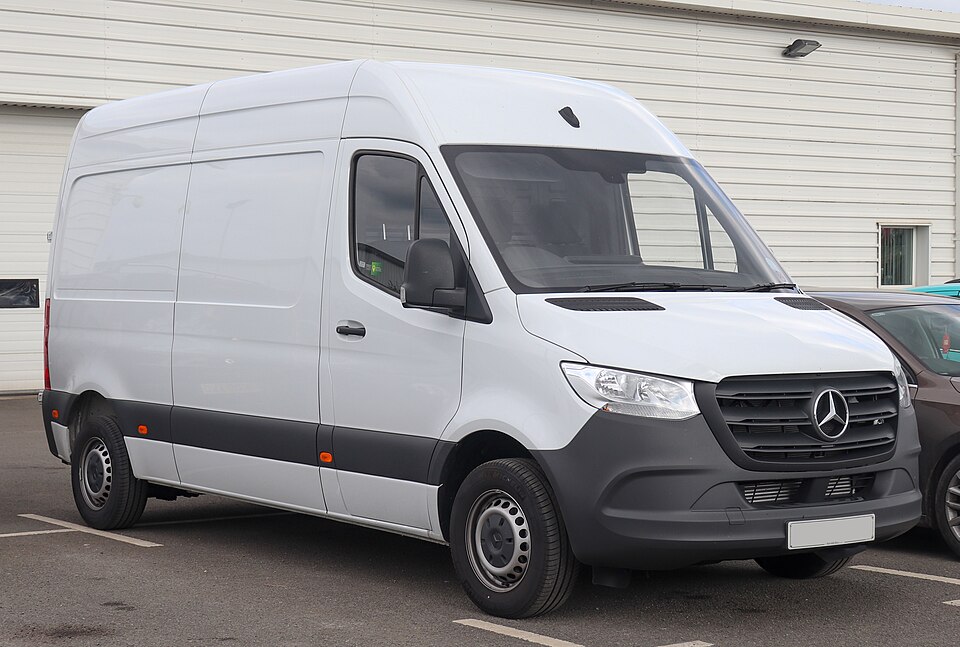
Not all of the entries on a quickest-cars list are in pursuit of lap records. The 2025 Mercedes-Benz eSprinter, which is aimed at urban delivery, accelerates to 60 mph in 11.8 seconds and is electronically capped at 75 mph. Its 201-horsepower permanent-magnet motor and 113-kWh battery are focused on range 140 miles in a 75-mph highway test rather than outright speed. At 7,001 pounds, it’s a reminder that engineering victory isn’t always a matter of tenths of a second, but reliability and efficiency for its planned mission.
2. BMW M5 – Hybrid Muscle in a Heavyweight Body
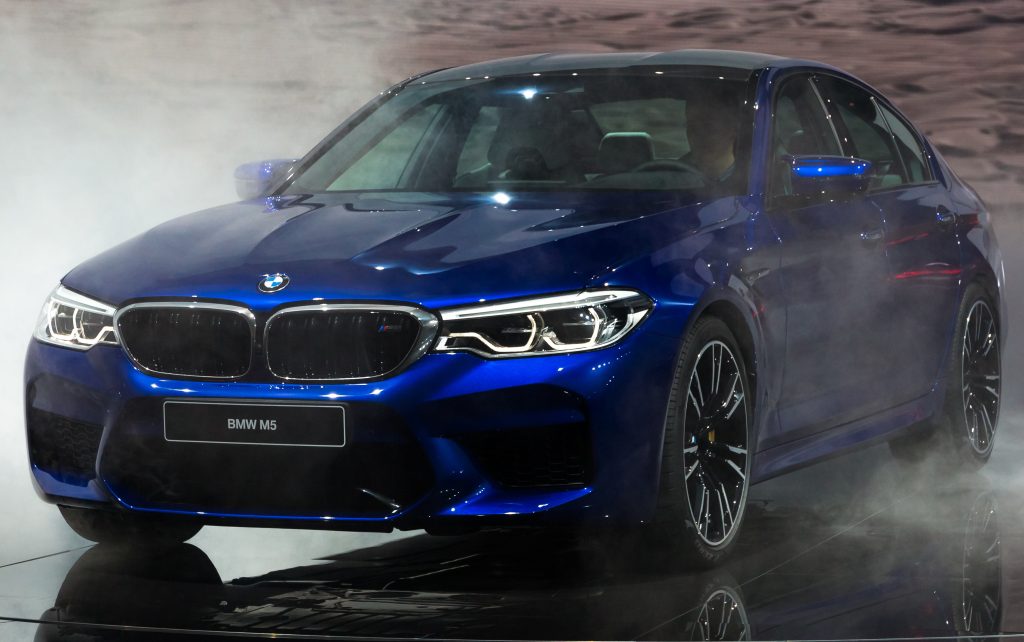
The new M5 adopts plug-in hybrid power, marrying a twin-turbo 4.4-liter V-8 with a transmission-mounted motor for combined 717 horsepower. Thanks to carbon‑ceramic brakes and a carbon‑fiber roof shaving 121 pounds, the sedan weighs 5,251 pounds 1,000 pounds more than the previous one. The payoff is a 3.0‑second zero-to-60-mph time, 0.4 seconds behind the previous-gen M5 Competition’s, though it gains ground above 130 mph. It’s performance reimagined for an electric age.
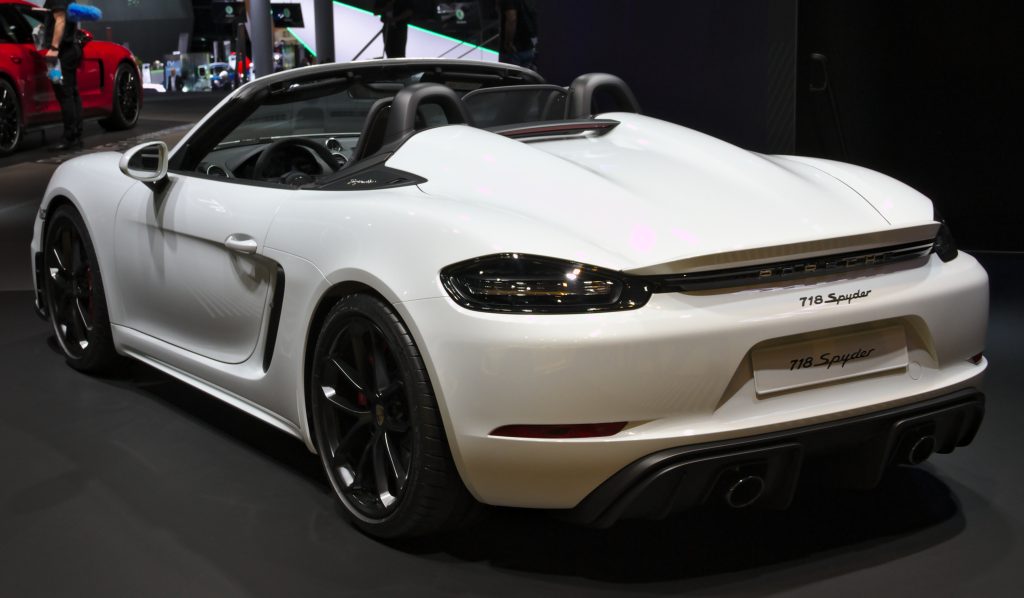
3. Porsche 718 Spyder RS – A 9,000‑RPM Farewell
As the gas-powered 718 winds down, the 493-hp Spyder RS provides a raw send-off. It shares its 4.0-liter flat-six with the Cayman GT4 RS and shoots to 60 mph in 2.8 seconds and registers a lateral grip of 1.14 g. GTspirit reports that its 22.9-second figure-eight time lags behind the GT4 RS by 0.6 seconds, but with its more compliant suspension, it is a better canyon companion. The soundtrack air flowing through intakes and the scream to redline is every bit the point as the stopwatch.
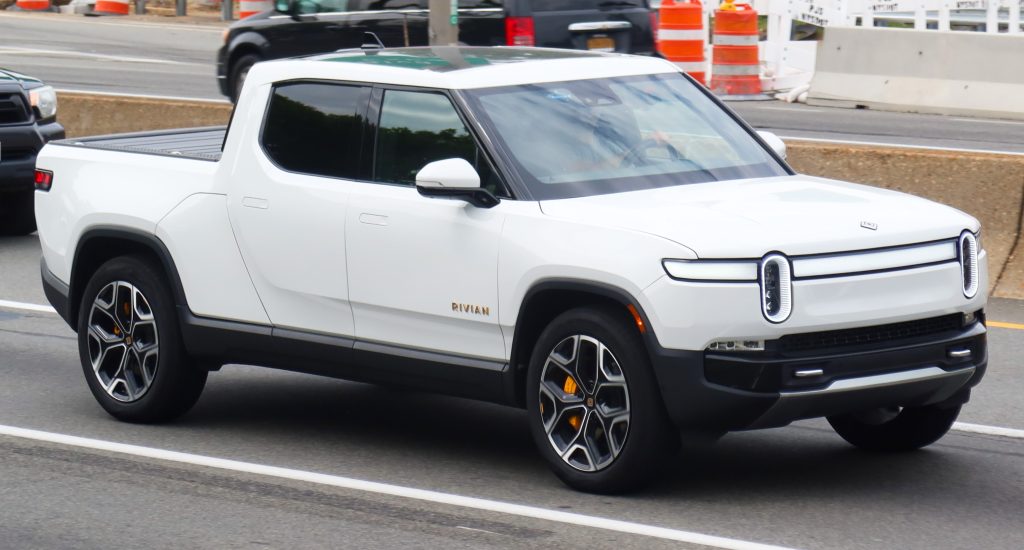
4. Rivian R1T Tri‑Motor – Redefining the Pickup’s Limits
Weighing 7,005 pounds on all‑terrain tires, the Rivian R1T Tri‑Motor’s 2.7‑second sprint to 60 mph is shocking. Three permanent‑magnet motors deliver 850 horsepower and 1,103 lb‑ft of torque, while off‑road modes such as Rock Crawl and Drift expand its repertoire. GTspirit points out that the Quad‑Motor version is even faster at 2.5 seconds, but the Tri has one-of-a-kind handling characteristics and more than 400 miles of projected range in Conserve mode. It’s an uncommon combination of utility and supercar acceleration.
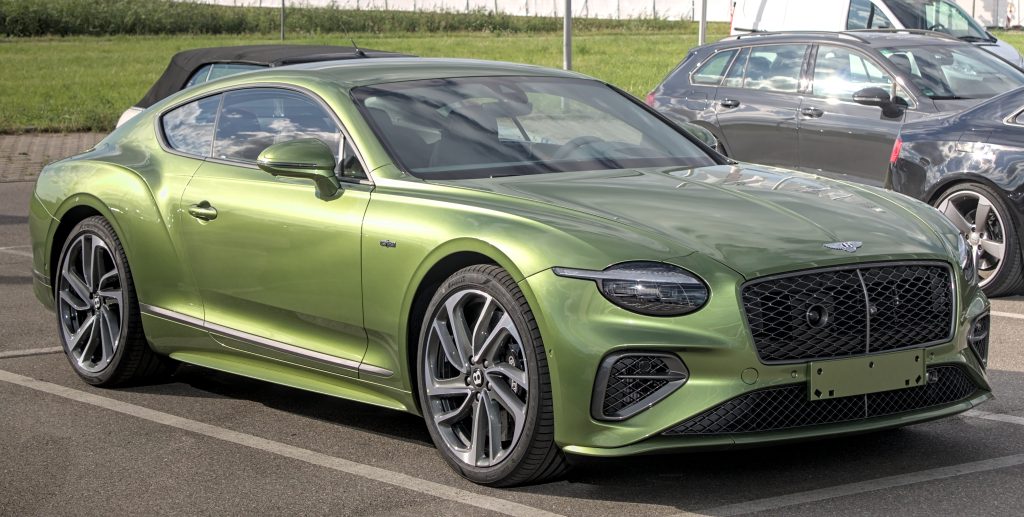
5. Bentley Continental GT Speed – Luxury Meets Unreal Pace
Bentley’s move from the W‑12 to a 771‑hp plug‑in hybrid V‑8 hasn’t blunted the Continental GT Speed’s bite. The 2.8‑second 60-mph dash of the coupe is assisted by near‑50/50 weight distribution and adaptive twin‑chamber dampers. As GTspirit writes, its 85‑km EV range enables silent cruising, while Sport mode directs battery power into unrelenting thrust. The cabin continues to be a demonstration of craftsmanship, from rotating center-console panels to bespoke trim, confirming performance and luxury can go hand in hand.
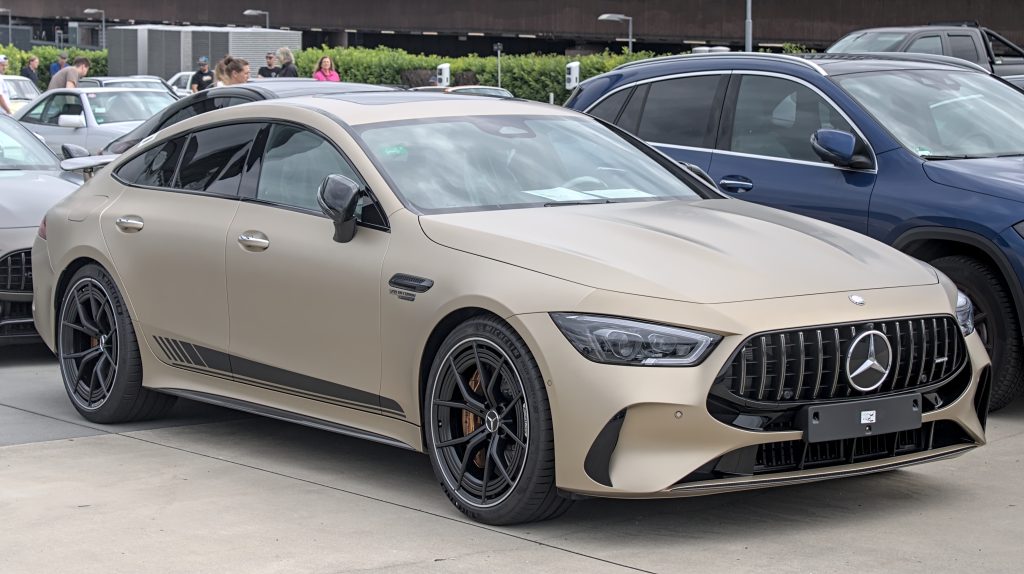
6. Mercedes‑AMG GT63 S E Performance – Hybrid Fury in Four Doors
With 831 horsepower from a twin‑turbo V‑8 and rear‑mounted motor, the GT63 S E Performance hits 60 mph in 2.4 seconds. Its 5‑kWh battery offers just one mile of EV range, underscoring its focus on instantaneous power delivery. Compared to the non‑hybrid 2021 GT63 S, it’s two‑tenths quicker, cementing its place among the fastest sedans ever tested.
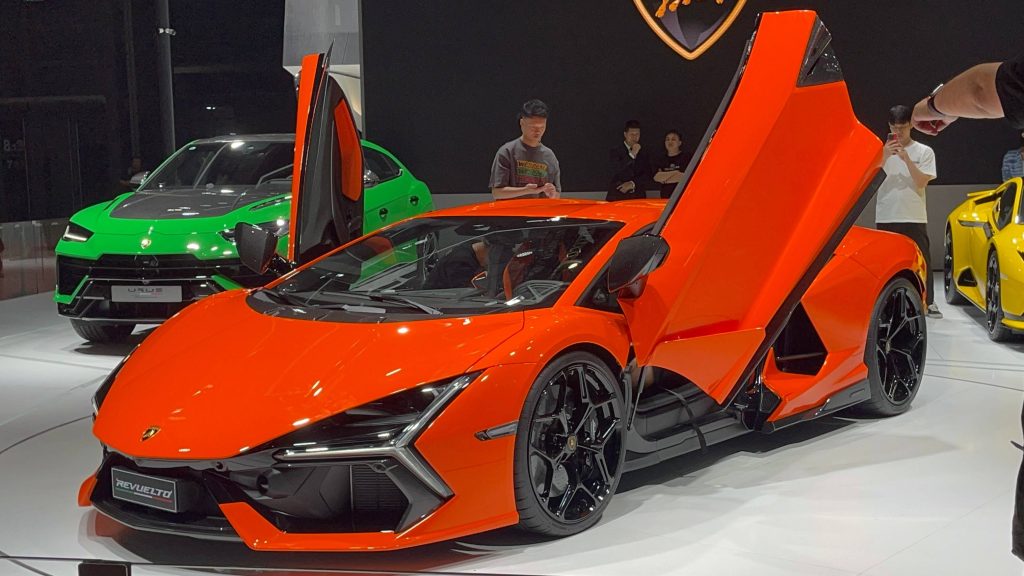
7. Lamborghini Revuelto – V‑12 Drama with Electric Assist
The Revuelto pairs a naturally aspirated 6.5‑liter V‑12 revving to 9,400 rpm with three electric motors for a combined 1,001 horsepower. All‑wheel drive and a modest battery enable near‑silent movement at low speeds, but the 2.2‑second launch to 60 mph is pure theater. The absence of forced induction preserves the V‑12’s character, while electrification sharpens its performance envelope.
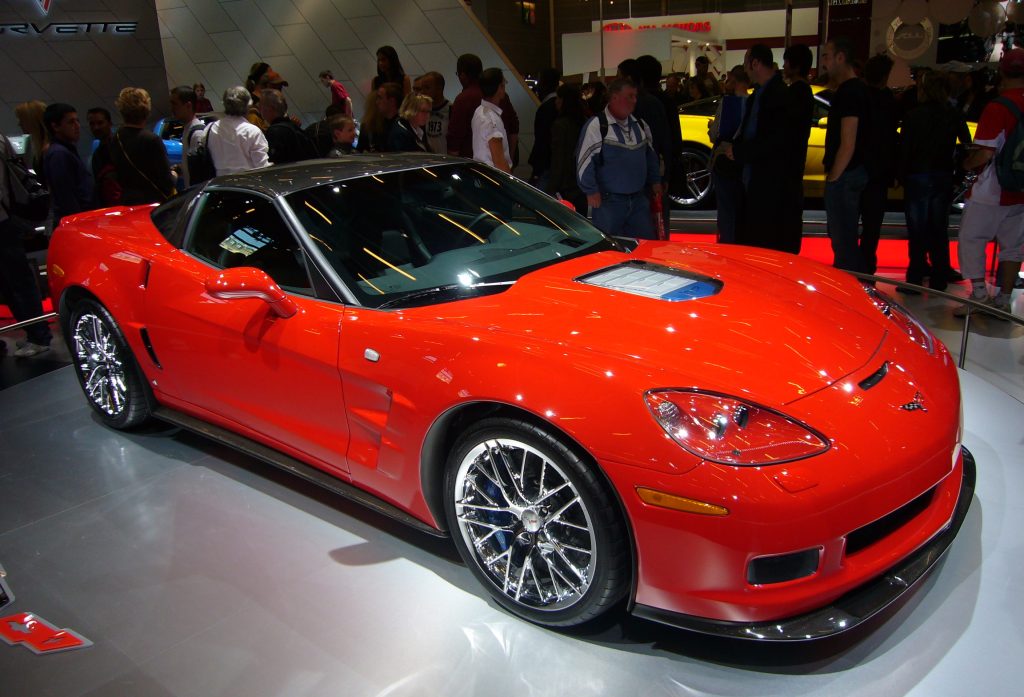
8. Chevrolet Corvette ZR1 – The Rear‑Drive Benchmark
The 2025 ZR1’s twin-turbo 5.5-liter V-8 sends 1,064 horsepower to the rear wheels alone and is the quickest rear-drive vehicle ever tested at 2.2 seconds to 60 mph. Its top speed of 233 mph tops its C7 predecessor despite the weight gain. Its simple formula big boost, big tires is evidence that old-school layouts can still reign supreme in a hybrid and EV-dominant playing field.
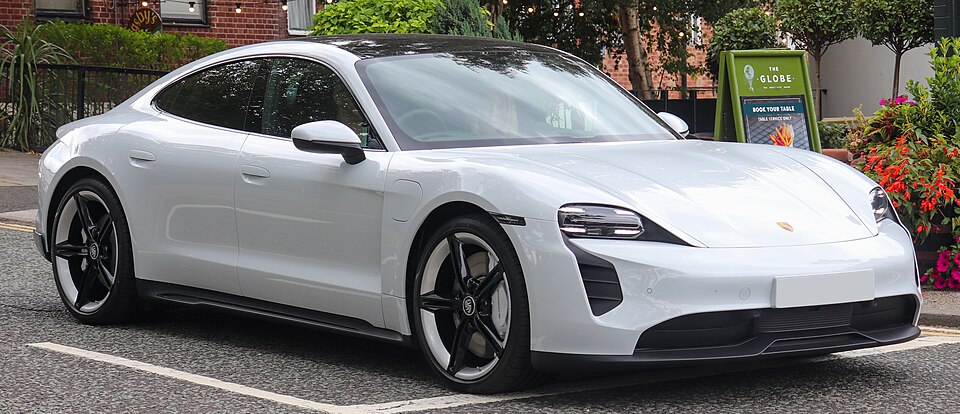
9. Porsche Taycan Turbo GT Weissach – EV Lap Record Holder
Dropping rear seats, a charge port, and other features, the Weissach-spec Taycan Turbo GT ties the Lucid Air Sapphire’s 1.9-second 0–60 mph sprint but pulls ahead on a skidpad with 1.11 g. GTspirit chronicles its record laps at Road Atlanta and Yas Marina, thanks to Porsche Active Ride suspension and Attack Mode power boosts of 120 kW. It’s the most potent production Porsche ever made, with more than 1,100 PS available in fleeting moments.
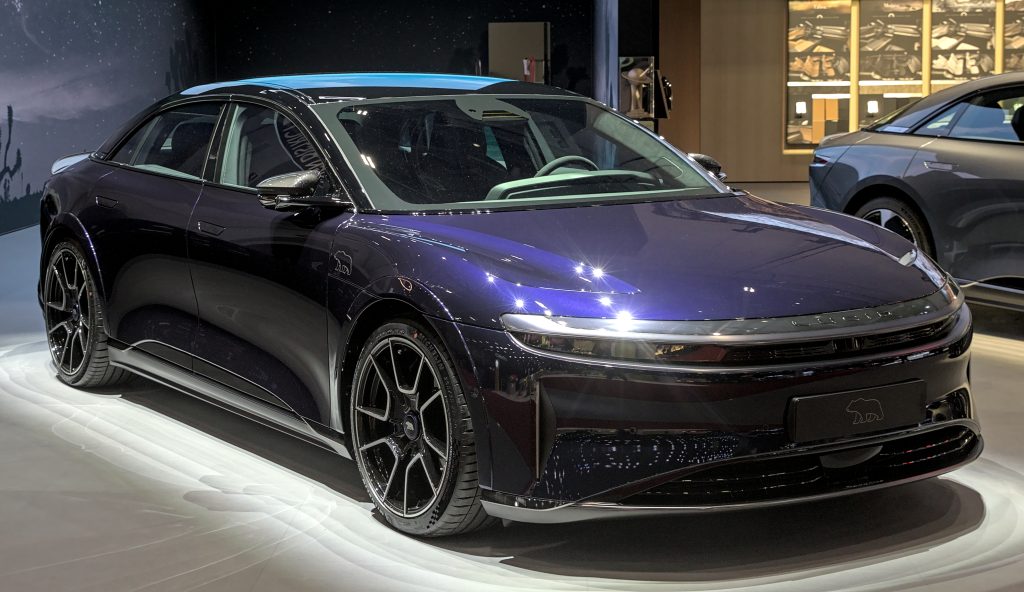
10. Lucid Air Sapphire – The Fastest Ever Tested
Benchmarks the Taycan’s 1.9-second sprint, the 1,234-hp Air Sapphire overtakes after 80 mph, reaching 200 mph in a mere 17 seconds. GTspirit showcases its 14.5-second half‑mile time at 185.3 mph and figure‑eight performance on par with track‑honed exotics. With its 1,430 lb‑ft of torque and accurate torque vectoring, it’s not just a straight-line showpiece it’s an entire performance sedan.
From the deliberate acceleration of the eSprinter to the head‑spinning force of the Air Sapphire, 2025’s performance range is broader than ever. Hybrids are beating their all-gas forbears, electric sedans are lapping the competition, and even pickups are redefining acceleration standards. In this environment, speed is no longer a specialized language of low‑sling sports cars it’s a lingua franca, fluent across body shapes, powertrains, and budgets.


