These weapons appeared to offer every advantage: cutting-edge engineering credentials, highly appealing sales talk, bold imaginings, and high ranks in the military. On paper, they appeared to be miracles ready to dominate the battlefields. However, the battle test looked ready to rip all the miracles apart when they would be exposed to the dirt and the fallibility of human use.
There are many instances in history where the gap between intended use and actual tactical effectiveness proved catastrophically negative in terms of achieving success for any specific system within the military context. These systems were either derailed by designs gone wrong or incapable of fulfilling any set roles related to their military doctrine in specific ways or were, in exceptional cases, overhauled to succeed where they failed or became case studies for failure in military applications.
1. Early Vietnam debacle of M16 Rifle
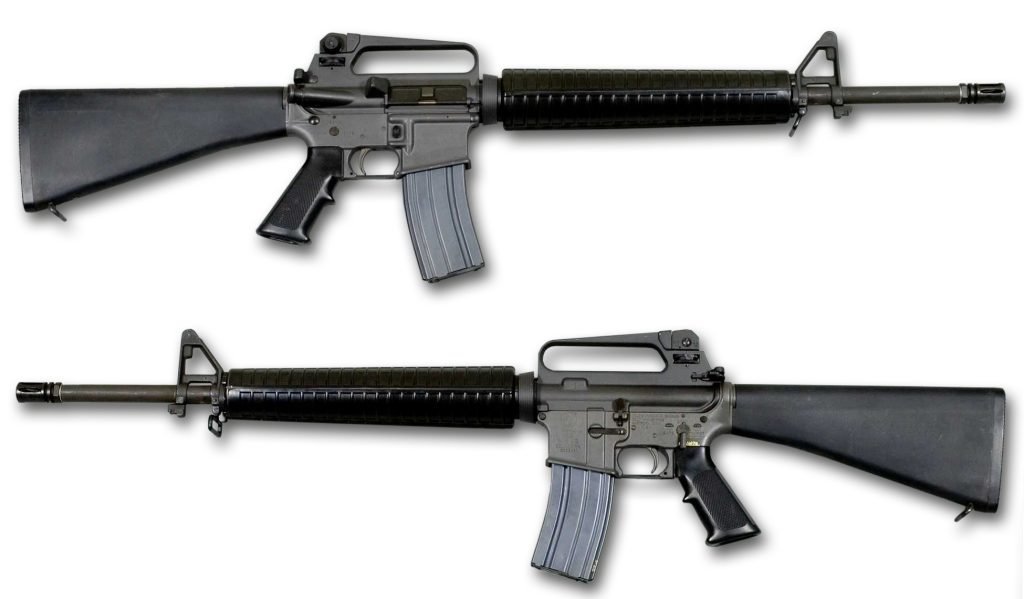
The M16 was designed in 1964 with the hope of being lightweight, with even less recoil, and requiring even less cleaning. It was greatly acclaimed for its revolutionary design in infantry arms. But when it went to battle in the Vietnam War, it was evident that there were major reliability problems, specifically due to the Ball Powder rounds being fired, along with the lack of cleaning kits. The ‘Failure to Extract’ problems were experienced by the military in crucial battles, and also affected by the unlined rifle chamber that rusted in the Vietnamese climate.
2. M14’s Struggle in the Jungle
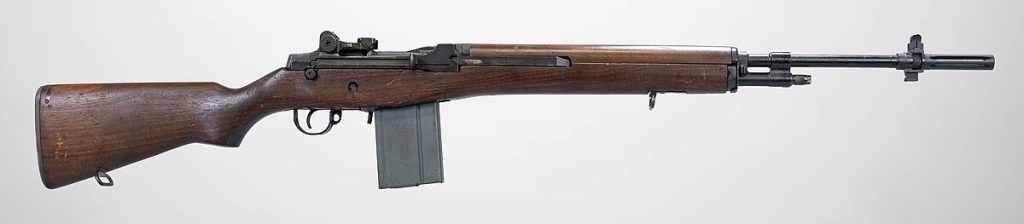
In fact, the M14 rifle was designed as a replacement for a number of weapons from the WW2 era, and its intended modes included rifle fire, automatic fire, and sniper fire. However, due to the dense jungles found in the forests of Vietnam, having a long barrel, a powerful kick, and having uncontrollable automatic fire was a negative, resulting in a quick replacement by the M16 rifle.
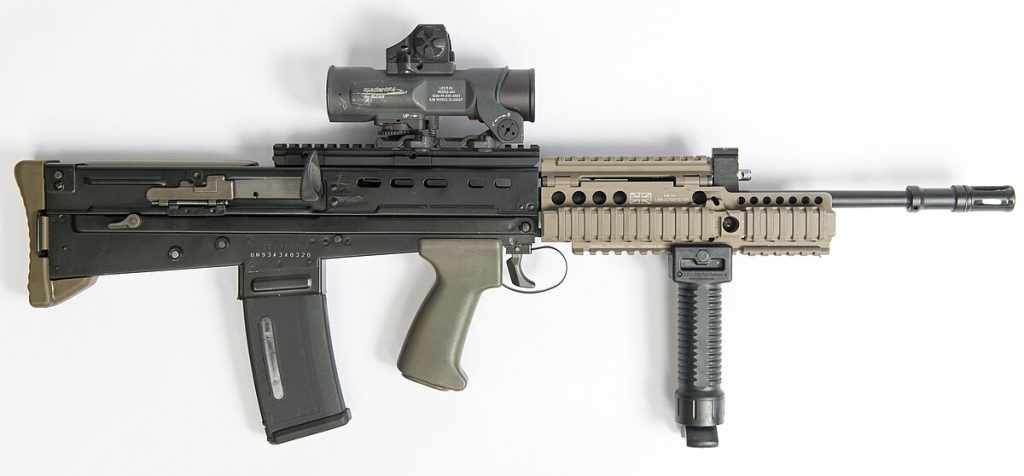
3. SA80’s Reliability Crisis
SA80, a bullpup rifle from Britain, was adopted in 1985 for its cutting-edge designs with a small size. Yet its effectiveness has long been challenged by issues of its lack of durability for tropical and Arctic conditions. This rifle could have worked well if its design was modified to version A2.
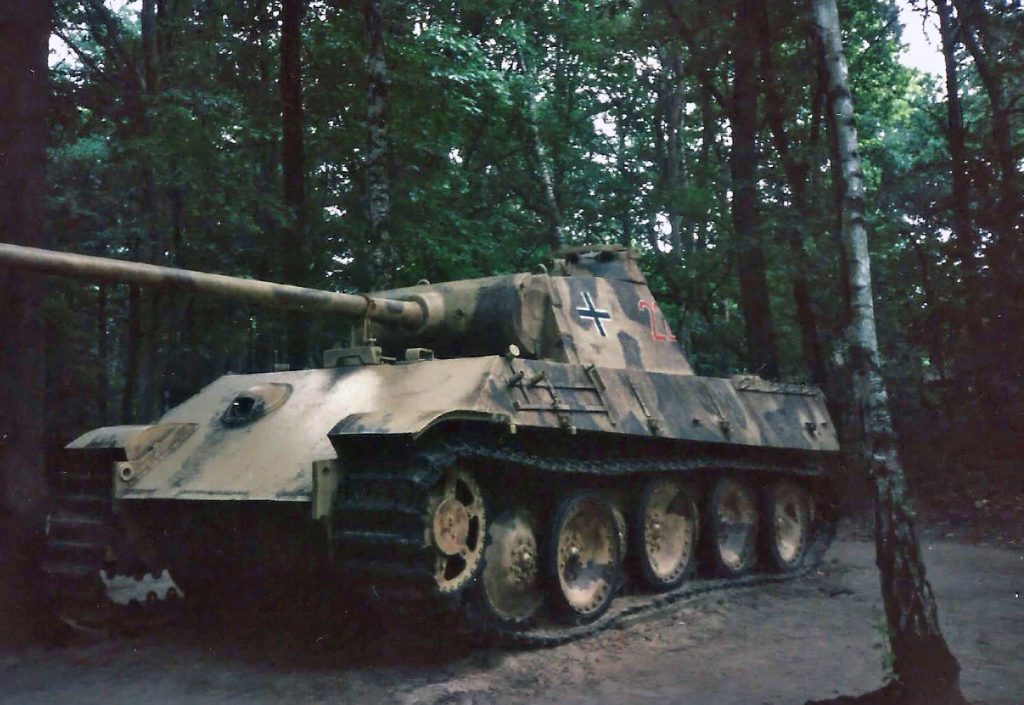
4. Panther Tank’s Mechanical Issues
The Panther tank introduced in 1943 had outstanding armor qualities and firepower on the German side. It soon became clear in initial battles that the Panther tank had terrible engineering deficiencies in final drives, engine fires, and suspension failures. While these could be improved later, it became clear in the initial use of the Panther tank that unproven engineering could pose serious threats to well-engineered projects.
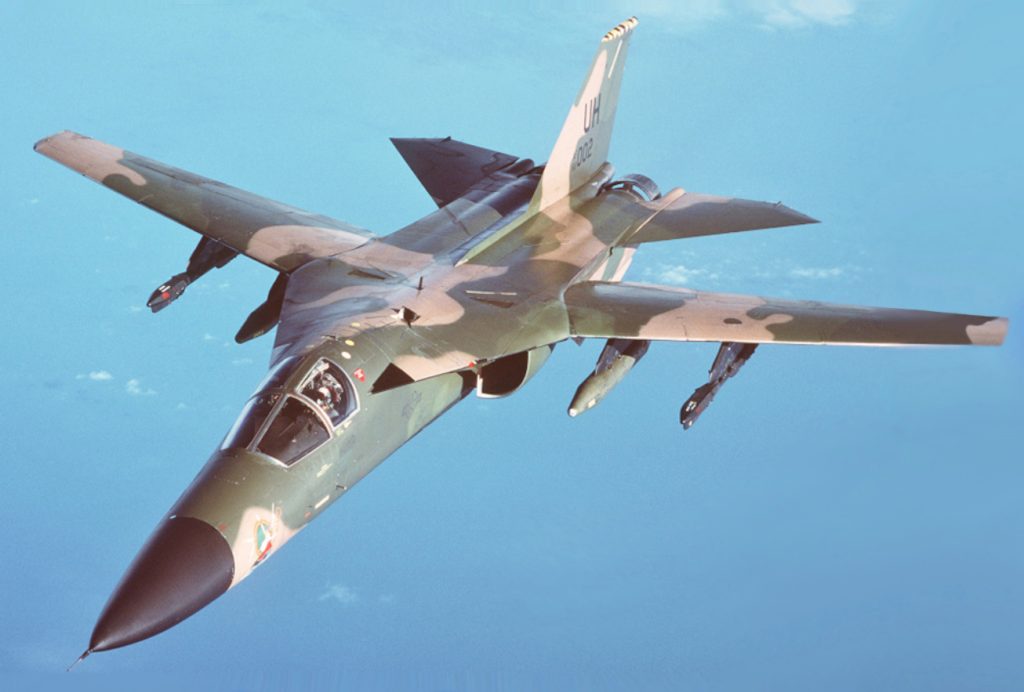
5. F-111’s Rocky Start
Though designed for all-weather and swing-wing strike operations when it was introduced to service in 1967 with the U.S. Air Force F-111, its weaknesses were apparent when it was tested for the first time in operations with losses resulting from its structure and the failure of its Avionics system. Modifications were made to enhance its performance.
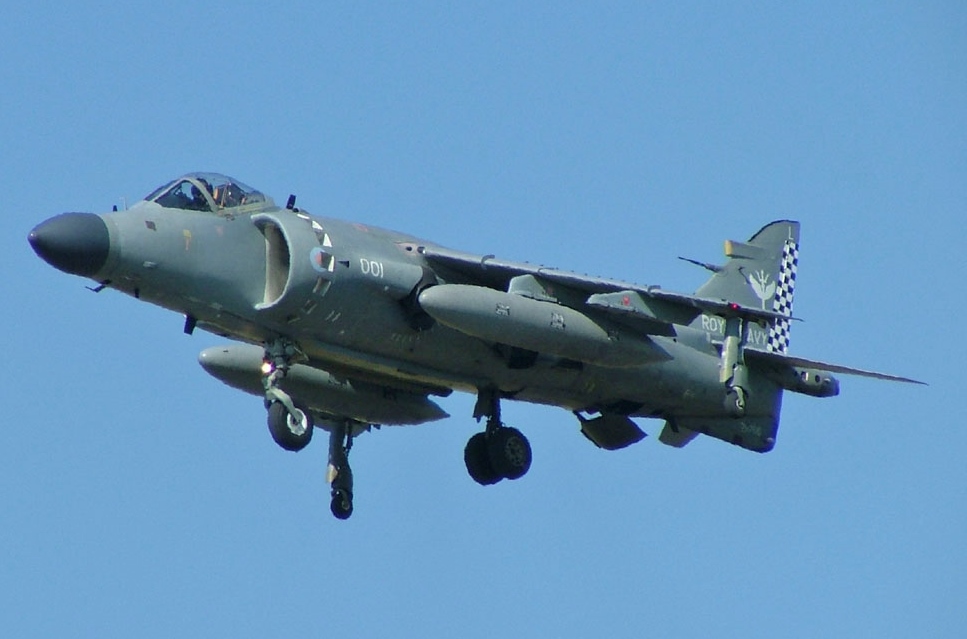
6. Harrier’s Payload and Maintenance Limits
The VTOL feature of the Harrier jump jet was revolutionary in 1969. However, in terms of payload capacity, there were some weaknesses in the initial models. The improved version fared better, but it still underscored the challenges that come along with a revolutionary design.
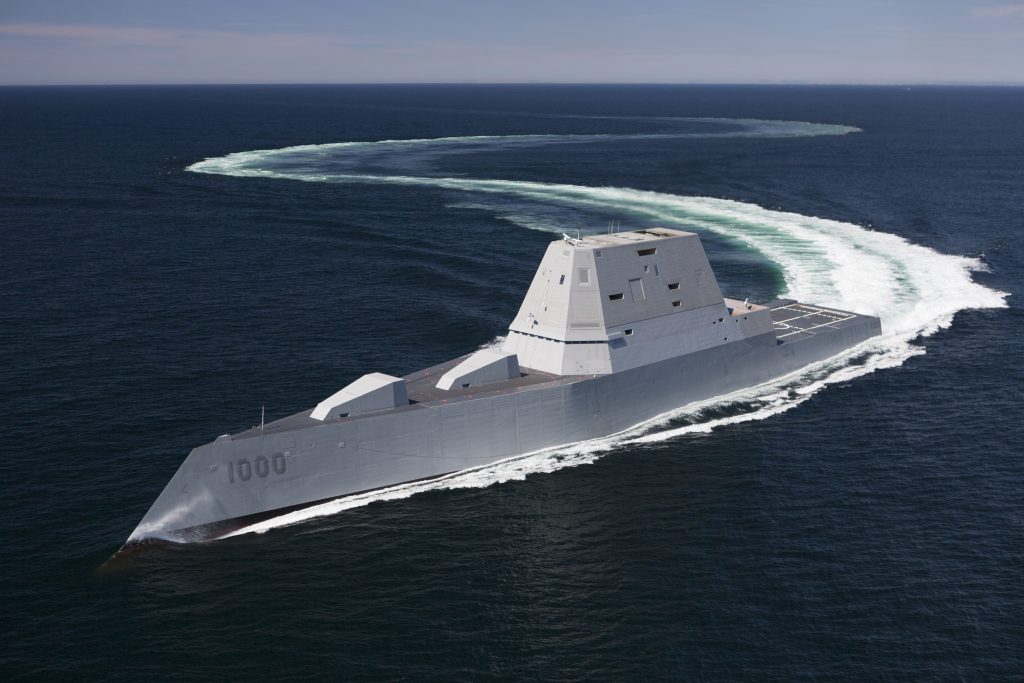
7. Zumwalt-Class Destroyer’s Mission Gap
Rolled out in stealth and autonomous mode in 2016 and incorporating sophisticated guns, Zumwalt-Class destroyers received a stinging setback with their traditional guns being discovered to impose an unreasonably high cost on their ammunition. Without the intended long-range strike role, the ships were left with a reduced mission profile, showing how cost and logistics can derail cutting-edge capabilities.
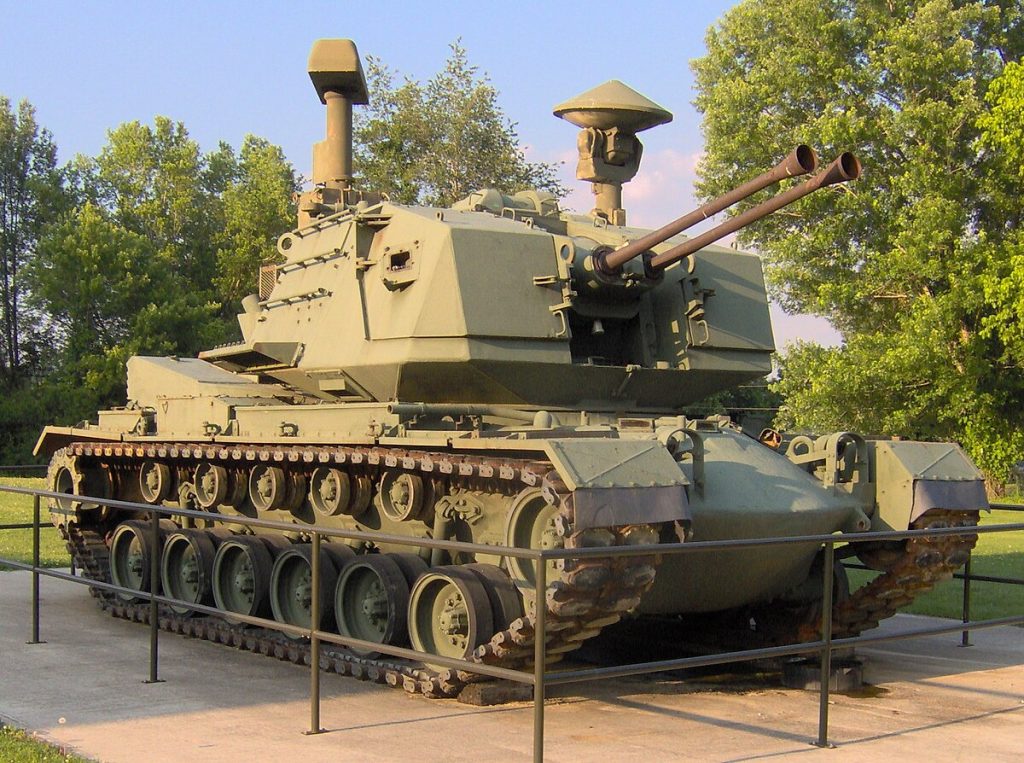
8. Failure of Sergeant York’s Targeting
The M247 Sergeant York air defense system, announced in 1984, was intended to locate and track the targeting information from the radar signals. Realistically, a system like the Sergeant York lacked the discrimination to distinguish between a plane and the surrounding terrain – famously locking onto a latrine fan but not a helicopter. It was abandoned because of the lethal results of poor discrimination in the automatic system.
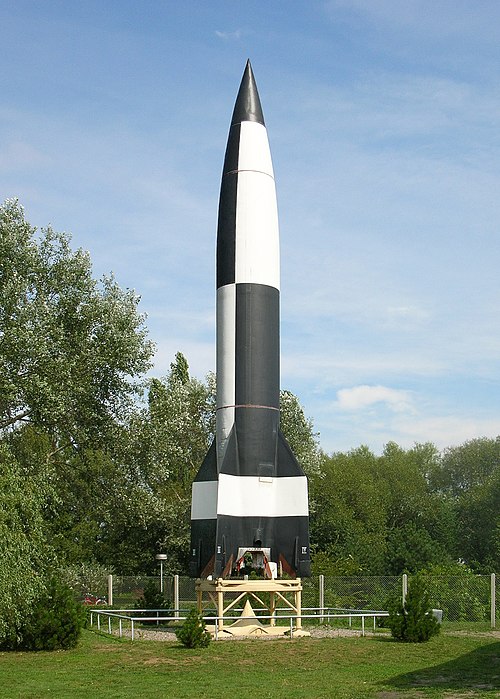
9. V-2 Rocket’s Limited Impact
The first ballistic missile, the V-2, launched by Germany, was a technological feat in 1944, attaining the fringes of the atmosphere before impacting at supersonic speed. While it lacked accuracy and had a high cost of production, it is bound to be of limited military use, apart from psychological impacts. It should be noted, in fact, that the total explosive damage of the entire V-2 missile program was less than what one air raid of the RAF had produced.
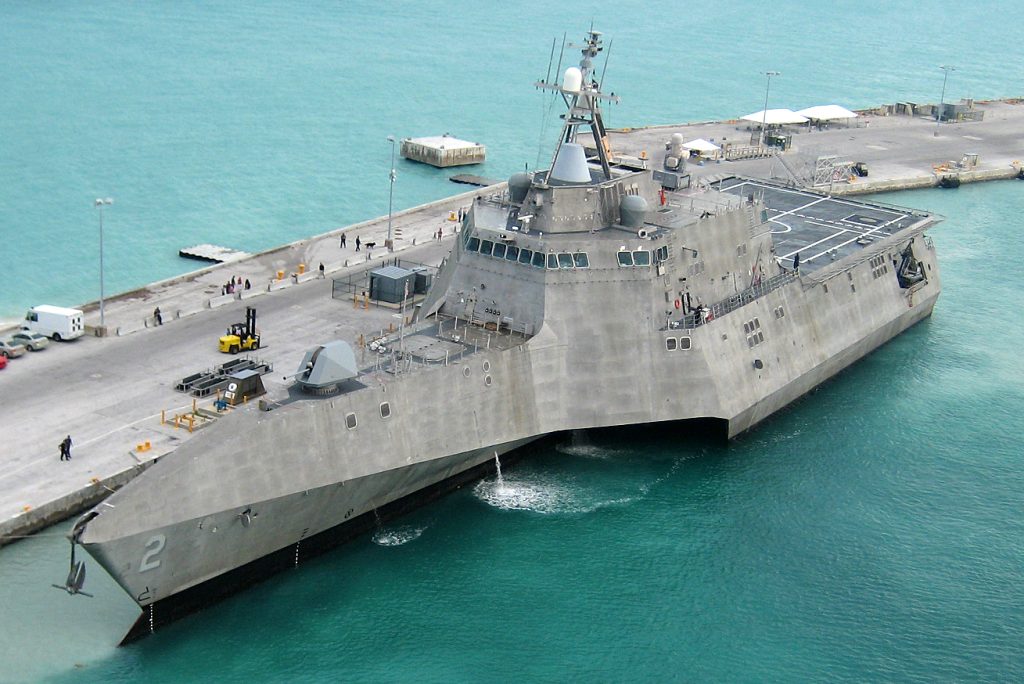
10. Reliability issues with the Littoral Combat Ship
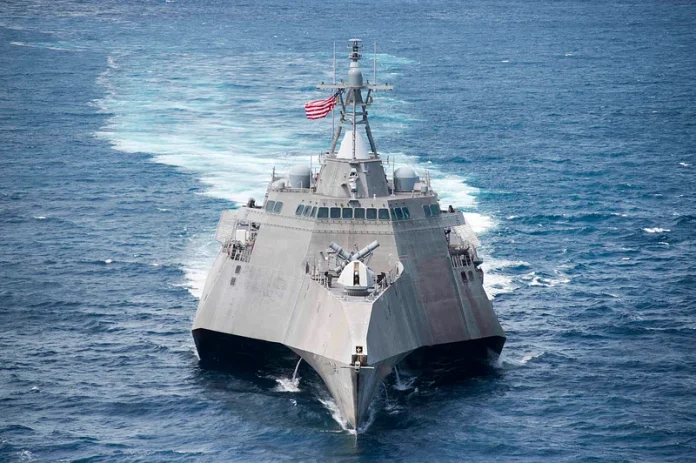
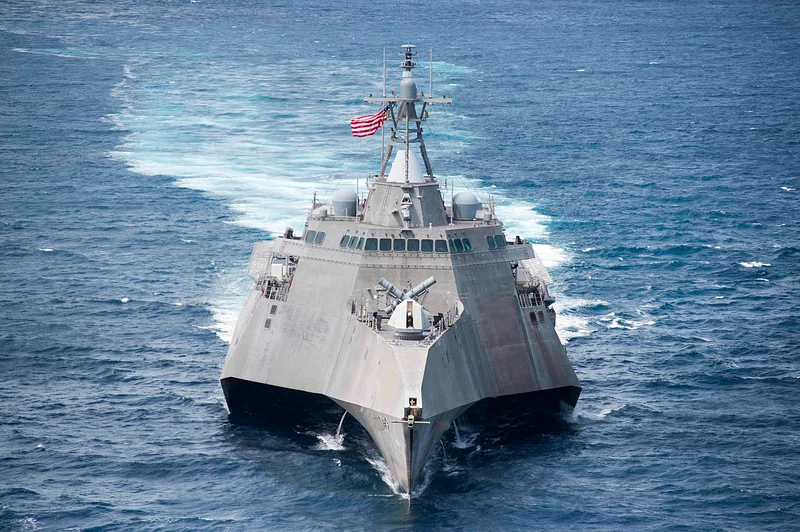
With the Littoral Combat Ship, designed by the U.S. Navy and set for activation by 2008, with speed and the capability for shallow water operations being assumed, the issue with the reliability and the inability for the mission kits to provide what was needed for their purposes brought into question what their implementation would be meant for. There is a great deal that can be learned here with respect to testing before reaching massive production levels.
With these ten examples that have been given, the same thing keeps popping up time and time again. This is the nature wherein no matter the level of complexity that is desired and implemented into these machines and devices that have been designed and manufactured, the vulnerabilities that exist will definitely be found and may not be found with the necessary testing that is required.


