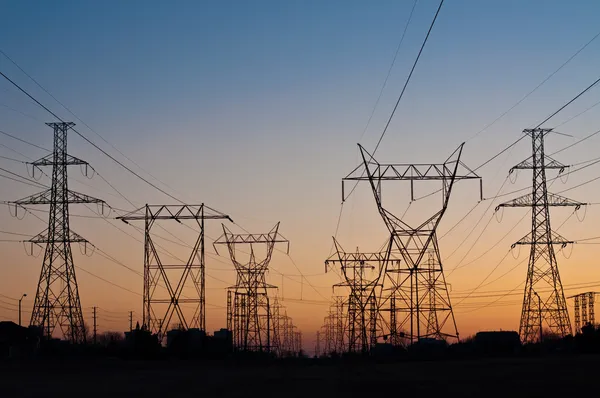
Why is the U.S. power grid operating at only half its installed capacity for most of its time, simultaneously increasing consumer electricity bills? The reason is rooted in the architecture of this energy infrastructure, the performance incentives of electric power companies, and what an upcoming breed of AI-managed data centers could do to drastically change this energy market scenario if properly integrated.

1. The Peak Demand Design Problem
The U.S. system is designed to handle extremely high, although short, instances of usage, such as heat waves, polar vortex, and generation losses. The system resources are sized according to such instances of “peak usage hours,” which, in many parts of the country, occur less than ten times each year. According to Larry Bekkedahl of Portland General Electric, “The system is sized to meet peak demand. But the peak may occur just five days in the summer, five days in the winter.” Today, such systems are drastically underutilized, running at just 30 percent capacity in some non-urban areas, and, at best, not exceeding 70 percent in some of the hardest climates, such as cities.
2. Role of AI Data Centers as Demand Catalysts
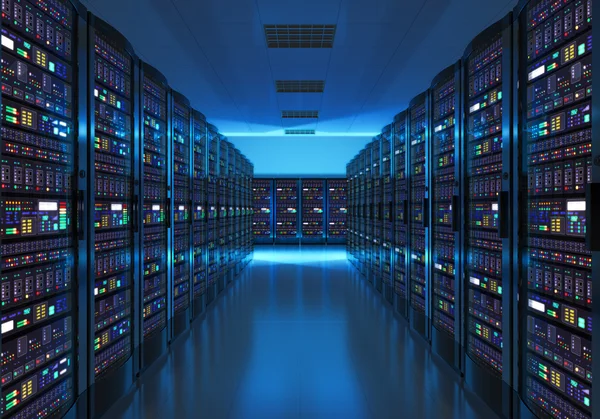
AI hyperscale data centers, which contain tens of thousands of high-performance computing machines, are driving electricity consumption growth for the first time in decades. Data centers in 2024 consumed 183 TWh of electricity in the U.S., which stands at 4% of total electricity consumption. By 2030, it is expected to reach 426 TWh, where AI-driven data centers will devour as much electricity as 100,000 households annually. Regional overload is expected near hubs like Northern Virginia, Dallas, and Phoenix, where data centers in Virginia currently rely on 26% of the state’s total electricity supply.
3. Economics of Overbuilding
Currently, under the prevailing cost of service regulation, utilities make a profit based on capital expansion, such as installing new power lines, new power plant infrastructure, rather than on efficiently running their operations. For example, in the words of Amit Narayan of GridCARE, “They would be planted more apple trees, not apple production.” They tend to build infrastructure in excess capacity, which increases rates for all consumers. There have recently been power expansion projects for data centers in Maryland and Ohio.
4. Flexible Load Integration
The “Rethinking Load Growth” study at Duke University indicated the power system could absorb between 76 and 126 GW of additional demand without infrastructure upgrades if the loads are willing to make a slight curtailment of power demand below 100 hours a year. Data centers are the best type of load resources for the former. Non-prime AI processes like model training or batch analyses can be slowed or redistributed to different regions with available capacity. Google’s existing “carbon-intelligent computing” infrastructure already redistributes computation in synchronization with the availability of renewable resources.

5. Demand Response and Storage Solutions
Smaller-scale data centers and industrial consumers are also eligible for participation in demand response programs, offsetting their peak demands in return for rewards. Battery energy storage systems allow consumers to support their facilities for 1-4 hours using these storages, besides even selling their surplus back to the power grids. The DOE has set a target of 80-160GW of virtual power plants by 2030, which are largely DR-based.
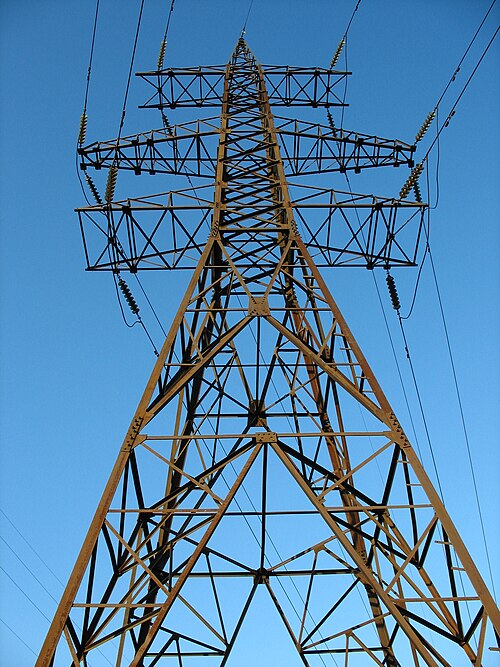
6. Grid Enhancing
Yet, the enabling of spare capacity must also include the optimization of transmission. Dynamic Line Ratings employ the utilization of real-time temperature and weather information to maximize the capacity of the lines by 10-30%, at a cost of no more than $5,000 a mile, as opposed to the cost of $3 to $6 million a mile for newly constructed lines. Reconductoring using new material can double or triple the existing capacity without the need for new corridors.
7. Interregional Transmission Optimization
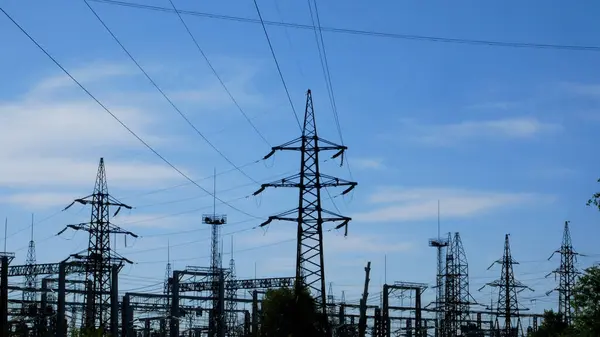
The inefficiency of interties between grid managers such as PJM, MISO, and others results in waste of capacity and increased expenditure. The Brattle Group thinks that optimization of one gigawatt of intertie capacity offers market value increase of $50-60 million every year. The FERC has powers to ensure optimization of such capacity and would result in unlocking access to low-cost renewable energy.

8. Regulatory Realignment
Incentives that are misaligned still represent a structural obstacle. “Performance-Based Ratemaking” paired with decoupling of revenues could incentivize utilities based on their achievements in efficiency and flexible load integration rather than their growth in simple capital. Fast-track connections for data centers willing to handle peaks could spur the development of flexible demand resources more quickly. A National Grid Planning Authority could manage inter-regional grid improvements to satisfy future demand predictions in an optimal manner.

9. Technology Sector Partnerships
Tech companies are already investing in clean energy production to fuel their server rooms. Google’s commitment to support Kairos Power’s next-generation nuclear reactor and its 500 MW fleet by 2035 illustrates how corporate procurement can drive faster adoption of base-load technology for a reliable energy supply. Utility joint ventures with private investment capital, in collaboration with tech companies, can share risk while aligning with grid modernization plans.
The underutilization of the U.S. grid is not an inefficiencythe problem lies in failing to tap this “secret weapon” that can support the clean energy transition. To leverage this resource, the sector must fill data centers and other high-value loads with AI and implement grid-supporting tech, along with changing the financial structure of the utility companies.


