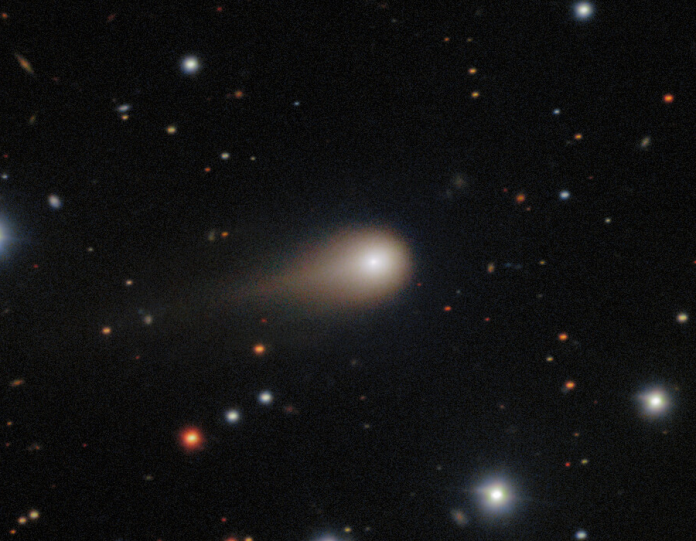
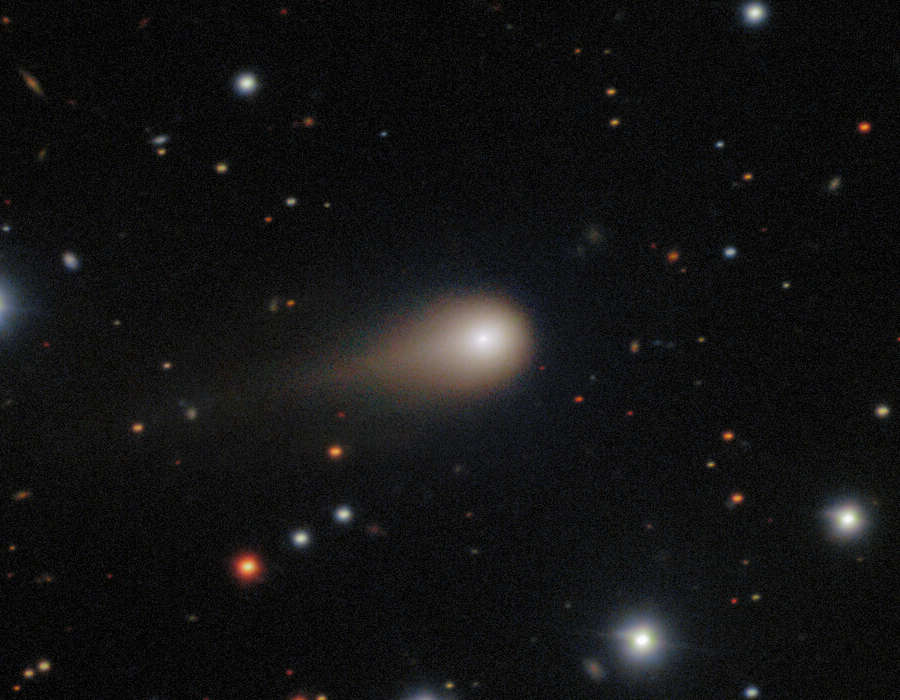
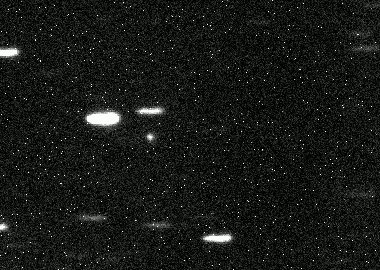
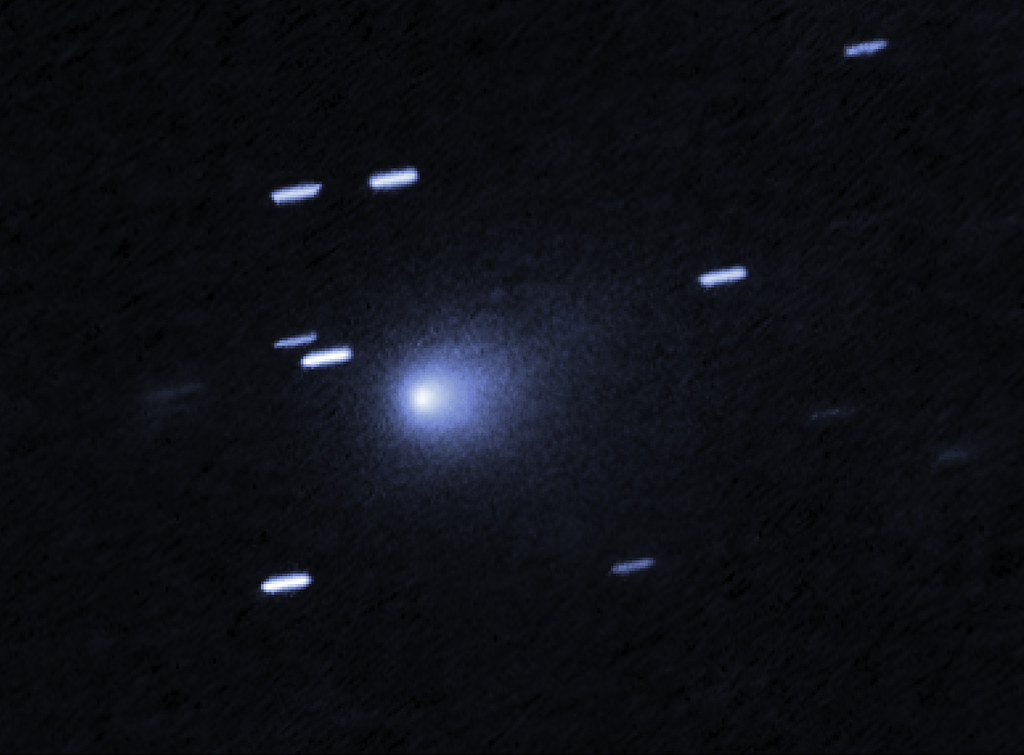
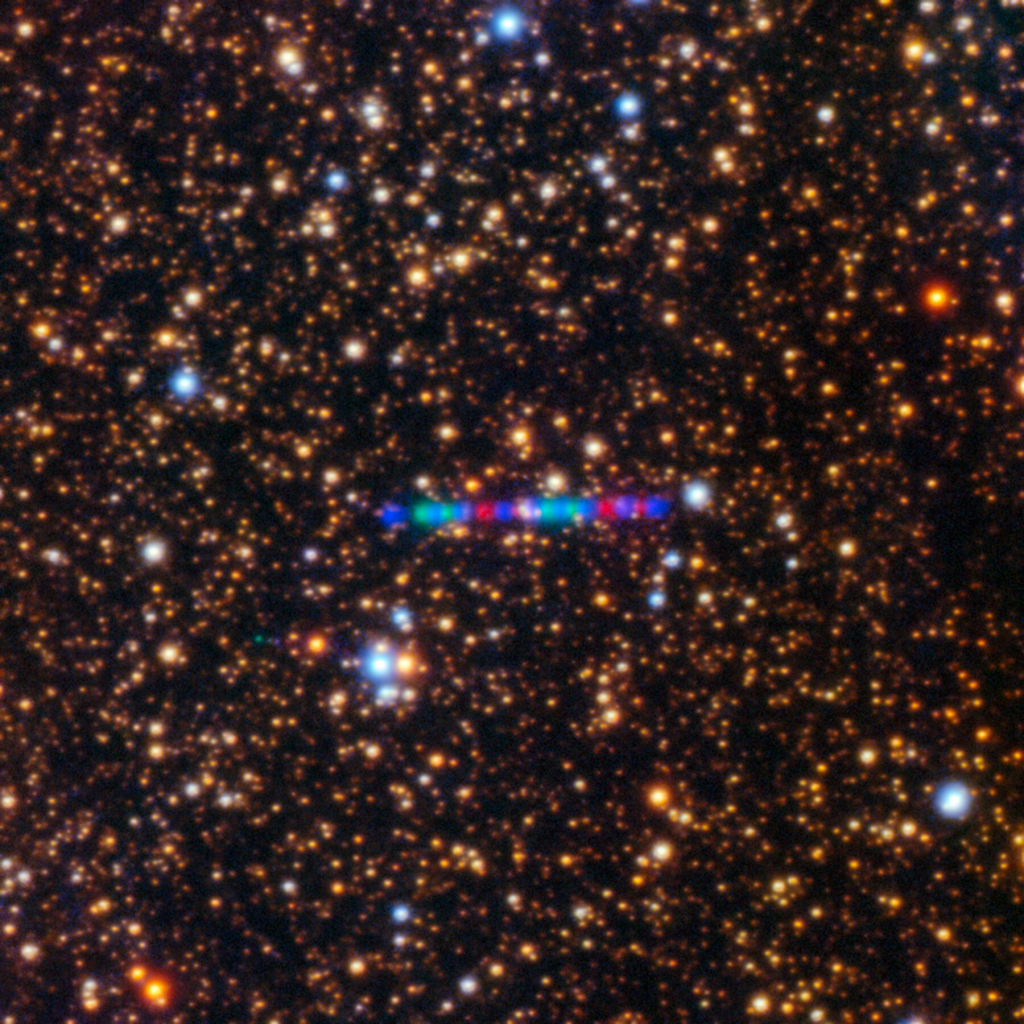
It’s zooming through our solar system at a pace of 130,000 miles per hour much faster than any other object has been seen entering our solar system from another star system and tonight, the comet 3I/ATLAS will come as close as it will ever come to Earth. It’s only the third object to have been officially recognized as having originated from another star system, and it provides a rare opportunity to examine matter formed around another star.

1. A Record-Breaking Interstellar
3I/ATLAS is estimated to have been discovered on July 1, 2025, by NASA’s Asteroid Terrestrial-impact Last Alert System, which is a telescope funded by NASA in Chile’s Río Hurtado. 3I/ATLAS is the second interstellar object to be discovered after 1I/‘Oumuamua and 2I/Borisov. Since it is traveling on a hyperbolic orbit, it is safe to say that it is not under the gravitational pull of the Sun and will thus never come back.
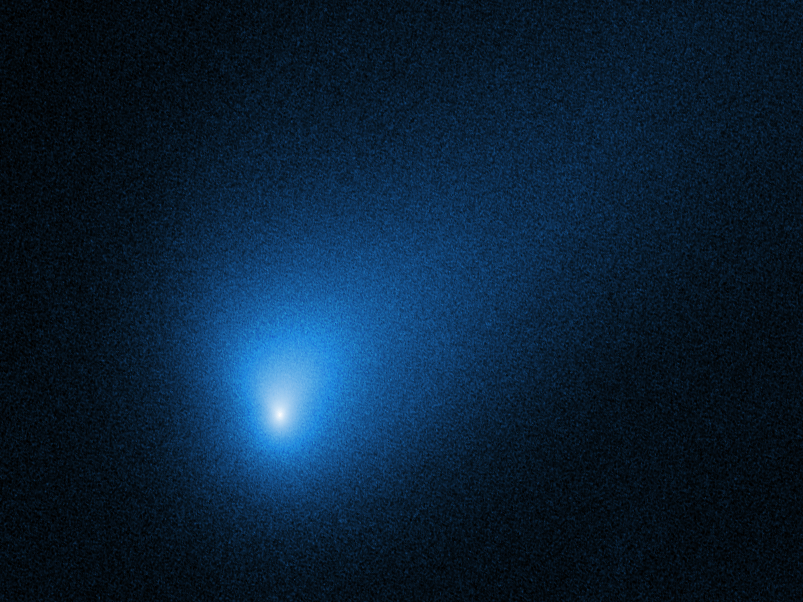
NASA Associate Administrator Amit Kshatriya referred to it as fascinating, exciting, and scientifically very important. Possibly bigger than ‘Oumuamua but may be smaller than 2I/Borisov, it is approximately 1.
2. Closest Approach and Viewing Opportunities
At 1 a.m. EST (6 a.m. GMT) on December 19, 3I/ATLAS will be approximately 167 million miles away from our planet – twice the distance between our planet and our sun. While it won’t be anything to write home about in terms of being a bright enough object to see with the naked eye, it will be observable with mid-sized backyard telescopes and full-scale observatories. Currently positioned in the constellation Leo near the bright star named Regulus, it will be observable in the pre-dawn hours. Anyone who doesn’t have access to a telescope can view it live via The Virtual Telescope Project starting at 11 p.m. EST December 18.
3. Unveiling Its Composition
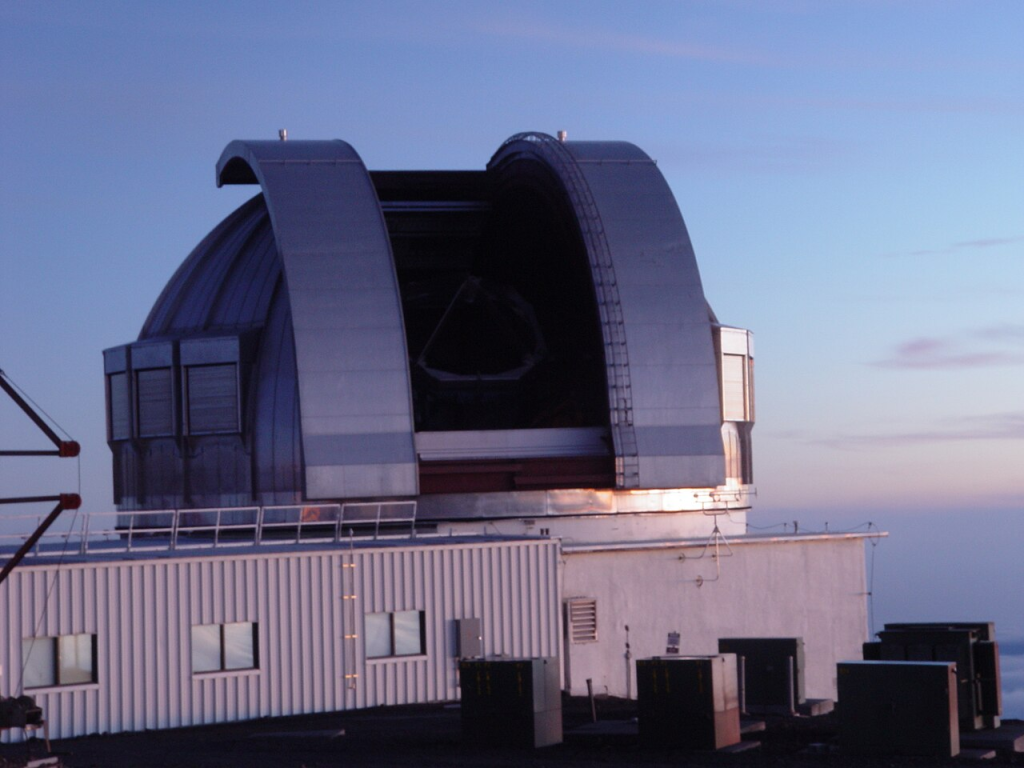
The University of Hawai‘i 2.2 m telescope and the Very Large Telescope resolved cyanide (CN) and nickel lines through spectroscopy. The NASA Infrared Telescope Facility identified water ice grains in July, and its composition was measured with high precision by the James Webb Space Telescope, which found a staggering ratio of 8 for CO₂/H₂O, one of the largest ratios measured in a comet. Later, SwiftObservatory also detected water vapor emission when it was close to passing through the solar regions. Its data indicated that carbon dioxide was responsible for the outgassing of the comet.
4. Spacecraft Observations Across the Solar System
NASA and ESA have called upon an impressive array of resources to follow 3I/ATLAS. The Parker Solar Probe took daily photos in October and November when the comet was inside the inner Solar System and thus too close to observe from Earth. The Europa Clipper mission, bound for Jupiter, analyzed the composition of the coma with its ultraviolet spectrograph from 102 million miles away. The orbital probes that study Mars, including the ESA’s ExoMars Trace Gas Orbiter, made an attempt at photography during the 18-million-mile close approach by the comet in early October. Even the landers, Perseverance and Curiosity, took photos of the passing visitor.
5. The Challenge of Detection
ISC discovery remains extremely challenging. Before the discovery of 3I/ATLAS, there have been only two known ISC sightings, but simulations indicate that around 10,000 ISOs would be present at all times within Neptune’s orbit. The yet-to-be-operational Vera C. Rubin Observatory, with its giant digital camera and all-sky surveying, is predicted to observe from 5 to 50 ISOs during its survey mission of a decade. Even the Vera C. Rubin Observatory detected 3I/ATLAS from its archival observations before its discovery.
6. Comparisons with ‘Oumuamua and Borisov
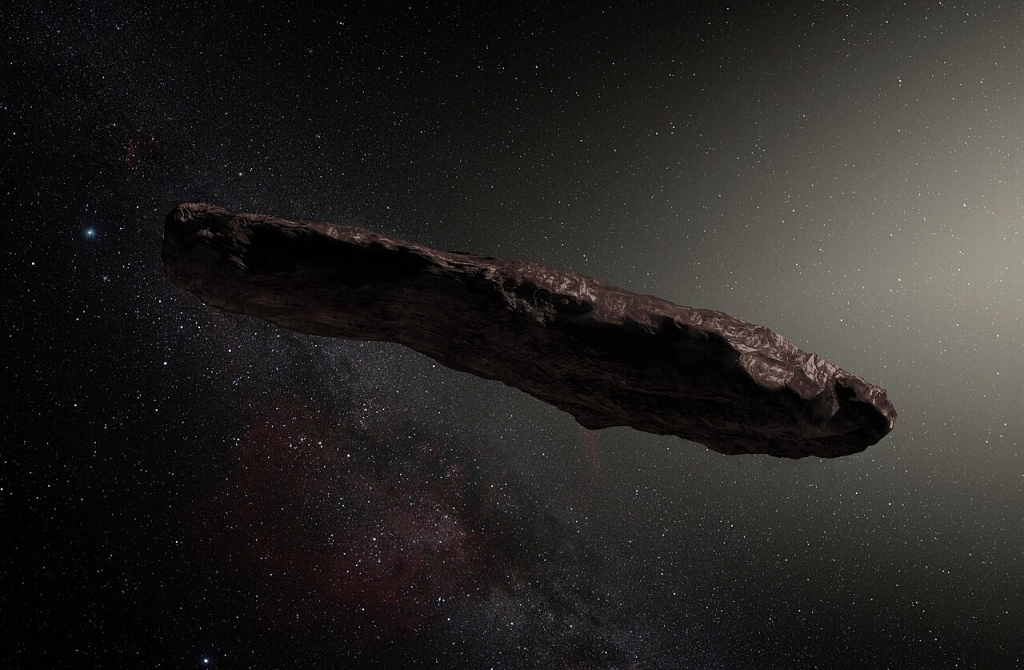
Each of these interstellar objects has been distinctive in its own way. ‘Oumuamua, discovered in 2017, appeared to be an elongated, tumbling asteroid with no visible coma. Borisov, discovered in 2019, had a more typical cometary appearance, although it was much smaller than Comet 3I/ATLAS. This current visitor has a classic cometary characteristic in terms of its brightness, coma, dust tail, and active jets, but it comes with a record-breaking speed, which it most likely acquired through a series of gravity slingshots around stars and nebulae over a timescale of billions of years.
7. Scientific Stakes and Galactic Clues
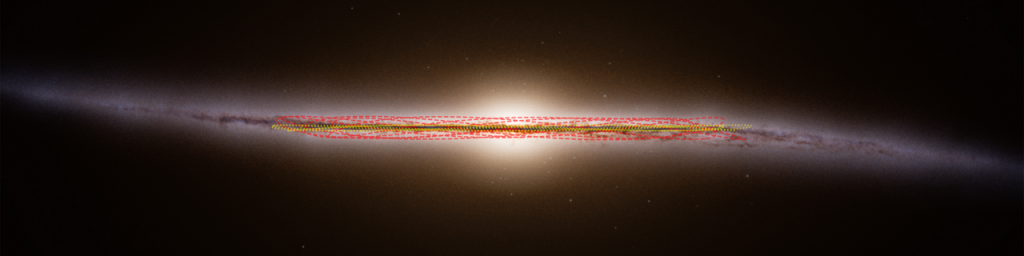
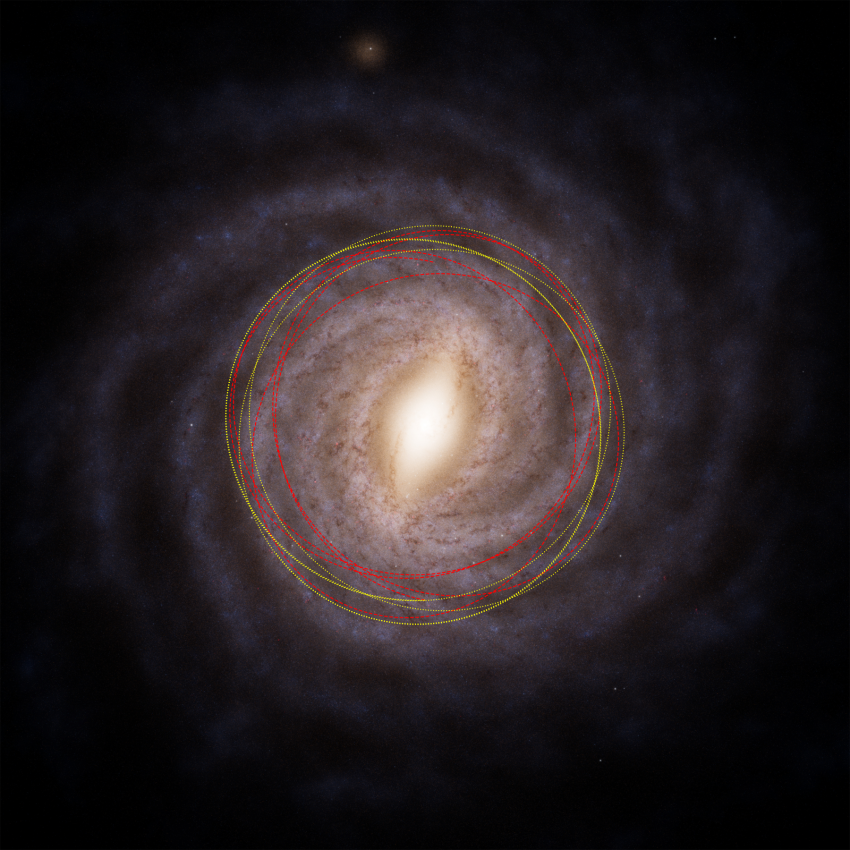
Scientists think that 3I/ATLAS may be one of the most ancient comets that have ever been recorded, potentially being older than the solar system itself by more than 3 billion years. The research on the comet can help scientists understand more about the distribution of water and organic compounds in the galaxy and improve theories on forming solar systems. David Jewitt of UCLA explained, No one knows where the comet came from. It’s like seeing a rifle bullet for a thousandth of a second. The reason it is so difficult to determine the origin of the comet is the large distances involved and the ambiguity of the motion of stars in the universe. It is thought to originate in the thin disk of the Milky Way.
8. The Road Ahead
3I/ATLAS will be visible for a prolonged period of months before finally fading away, but its final fate is yet to be discovered. In the month of October 2025, it safely crossed on the inside of the orbit of Mars at a distance of 130 million miles from the sun, due to the strong pockets of solar material, creating a series of solar jets. Forecasts say that it may break apart, disintegrating, but others believe that the comet may live longer than its arrival speed and exit the solar system within a short span of time.


