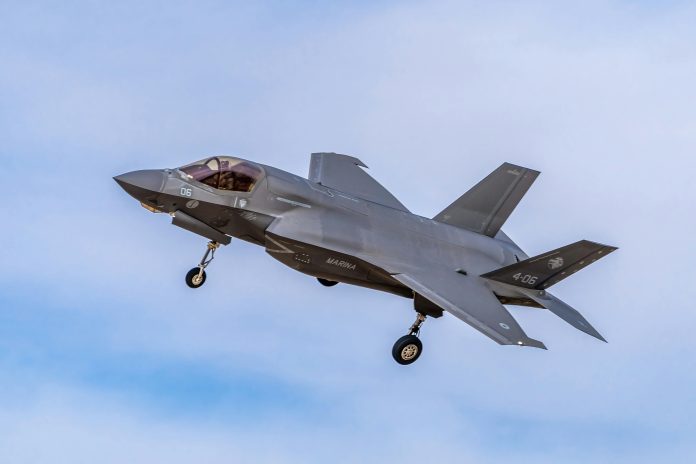
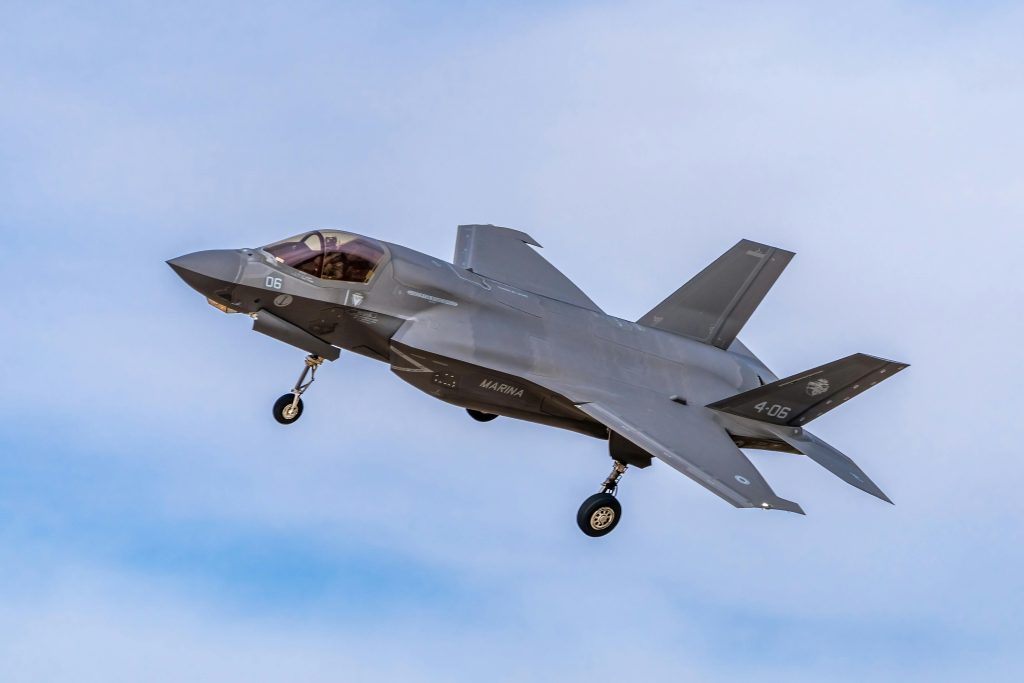
“Will future air superiority engagements be determined not by brute force, but by which side controls the smartest networks? Today, ‘smart’ describes not just weapons’ capabilities, but rather how they’re networked. ‘Integration’ is no longer a process to be achieved in future-force constructs; instead, it is happening today in Lockheed Martin’s F-35 Lightning II program, as this fighter jet rapidly morphs into what could be considered merely its tactical component within greater Joint All-Domain Operations efforts.”
Recent test trials conducted by the U.S. and other nations have already shown the capability of the F-35 to play the role of a sort of “quarterback in the air” in directing swarm drones in real time. None of these developments stand alone. Swarming drone technology with the F-35 as the quarterback combines advanced sensor fusion capabilities, secure data links, AI-powered threat predictions, as well as human-on-the-loop controls. Defense technology aficionados and military aircraft enthusiasts will find below the capabilities that make the F-35 the central piece in future swarm drone battles.

1. AI-Enabled Manned-Unmanned Teaming
In November 2025, at a Lockheed Martin event, the F-35 demonstrated the command of mid-flight autonomous drones, representing a historical milestone in the concept of MUM-T. The F-35’s pilots were able to employ AI control systems that coordinated the operation of various uncrewed aerial systems at the same time. As such, this would turn the F-35 from a singular operational platform into a multiplying force. The F-35 can thus command and direct various operations such as surveillance and strikes without necessarily directing every action..
2. Sensor Fusion for Total Battlefield Awareness
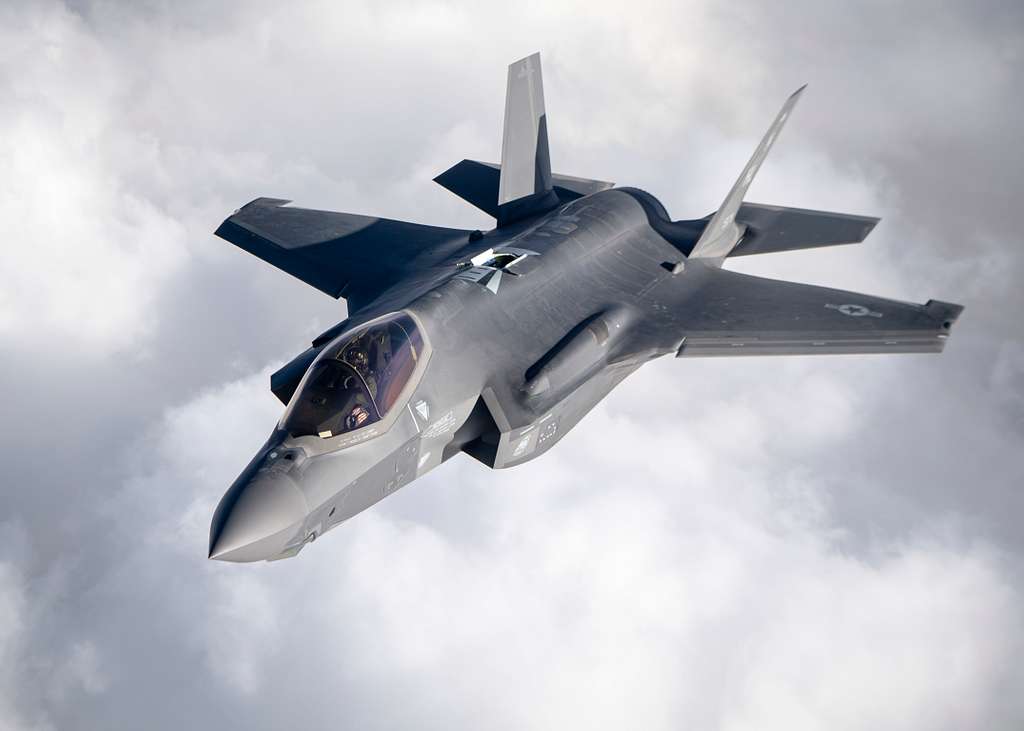
In fact, the F-35’s sensor fusion system combines the AN/APG-81 AESA radar, the EOTS targeting system, and infrared sensors within the Distributed Aperture System (DAS) to provide a single, 360-degree view. While the algorithms used in sensor fusion are capable of processing massive amounts of information, resulting in dramatically reduced decision loops, situational awareness, which is imperative for controlling drones, is provided through various systems such as the F-35’s radar, electro-optical, infrared, and electronic warfare systems.

3. Link 16 and MADL Secure Networking
The fighter’s Link 16 and MADL networks offer high bandwidth and drone swarm and friendly force encryption. The MADL has a low probability of intercept, which counteracts the threat of jamming, and the Link 16 network integrates the F-35 with ground, sea, and air defense assets. A recent experiment involving the Marine F-35 XQ-58 Valkyries successfully demonstrated the ability to provide expeditionary networking through Link 16.

4. AI Decision Support and Threat Prediction
Machine learning algorithms used within the F-35 analyze data from sensors to identify patterns associated with threats. This enables automatic coordination for responses from swarm drones. Image processing enables notification of positions without showing video, thus conserving bandwidth. This ensures that all vital information reaches the command center instantly.
5. Collaborative Combat Aircraft Integration
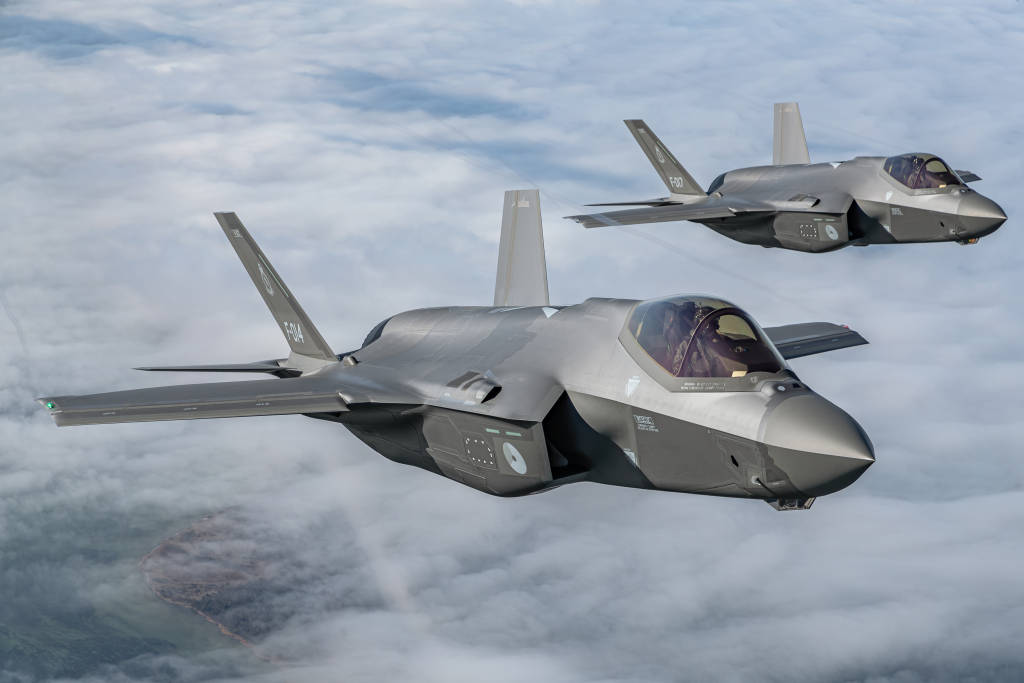
The F-35 was meant to be integrated with Next Generation Collaborative Combat Aircraft (CCA) unmanned aircraft, performing intricate operations with limited human intervention. The USAF’s CCA remains on track to mature ideas developed for attritable UAVs and translate them into high-end UAVs to be used for multidimensional operations. The F-35’s quarterbacking position ensures the smooth coordination of autonomous escorts.
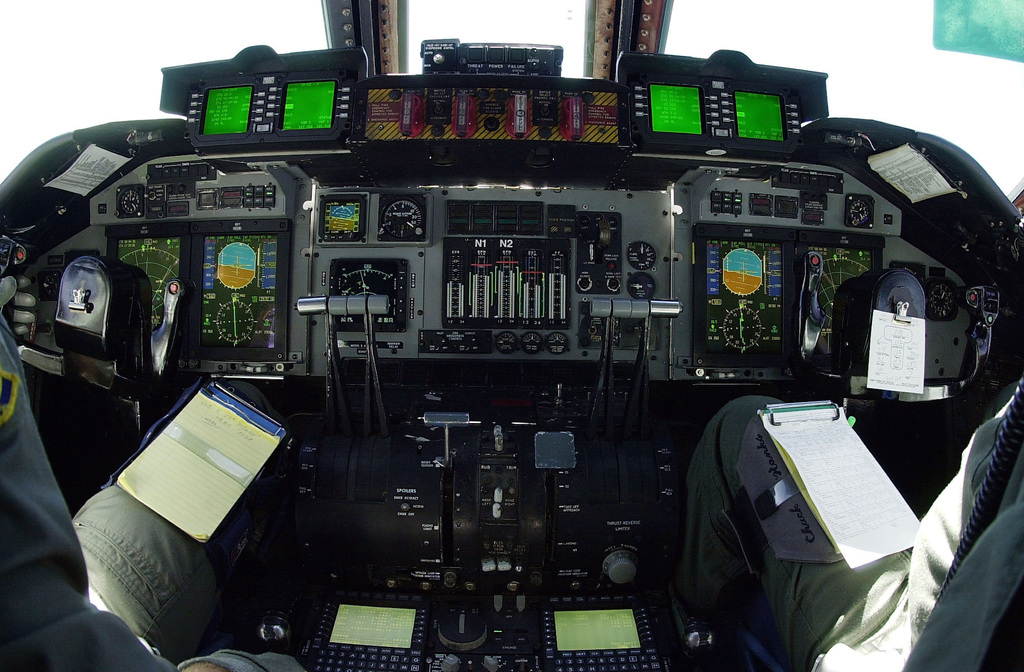
6. Touchscreen Multi-Drone Control Interface
The cockpit display system designed by Lockheed Martin has the look and feel of tablets that enable pilots to handle multiple UAVs. Gesture command technology also helps eliminate complexities associated with command execution. This enhances rapid task assignments of autonomous platforms that enable the pilot to concentrate on high-level tasks.
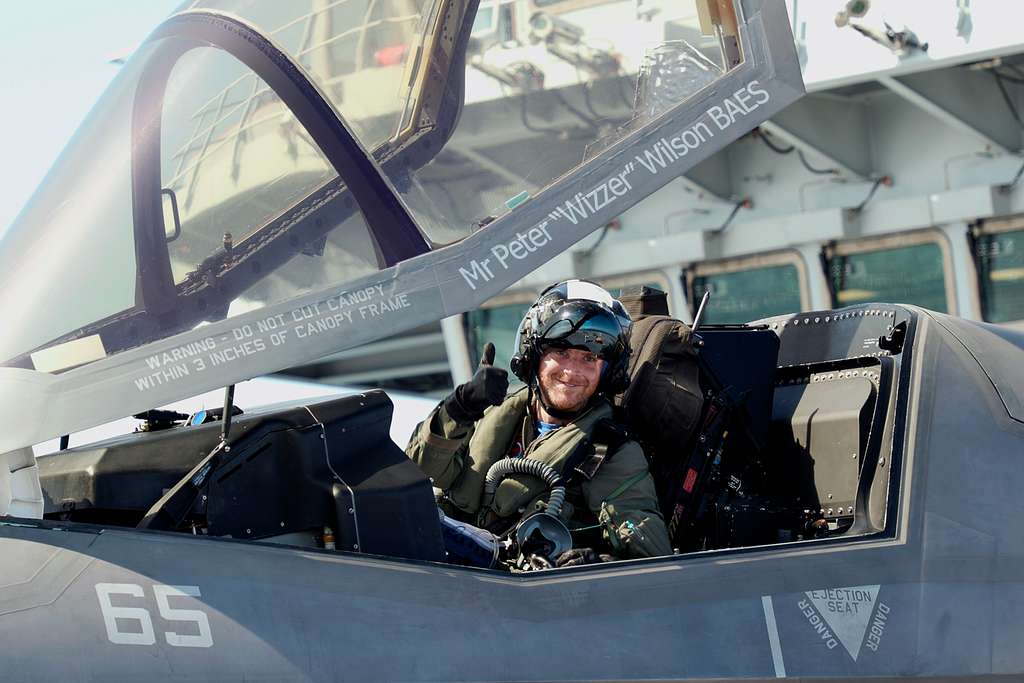
7. Human-on-the-Loop Engagement Authority
As guided by Department of Defense Directive 3000.09, F-35 cockpit manned pilots exercise human judgment with regard to the use of force, while authorizing autonomous implementation. In this case, Delo thoughtfully bypasses common pitfalls of the ‘human-in-the-loop’ conception, which can be affected by accountability, legal conformity, and the laws of armed conflict.
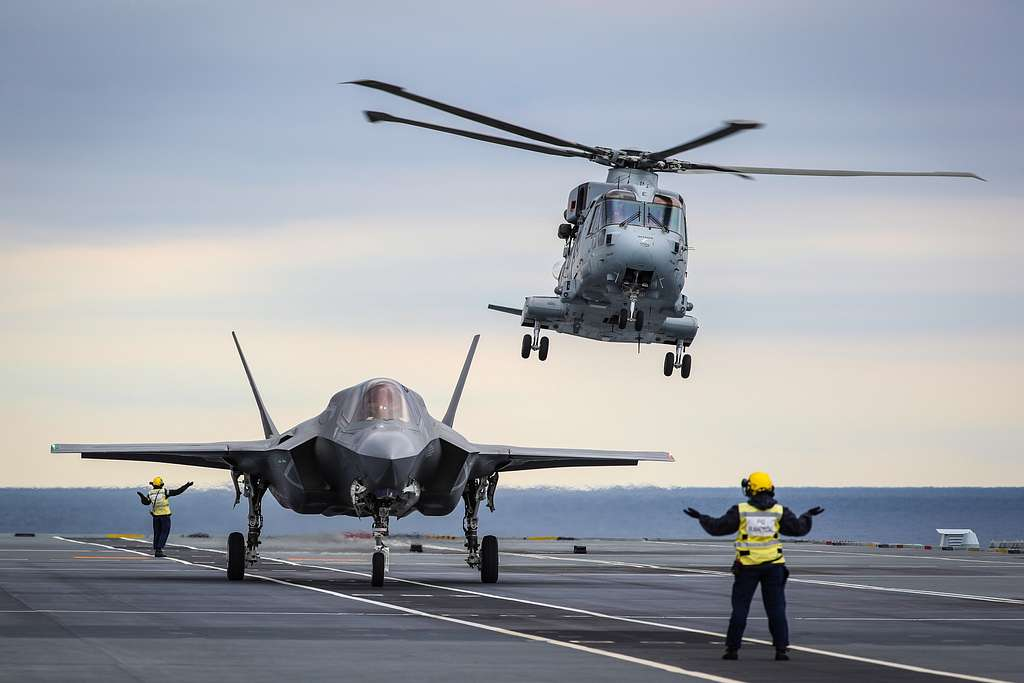
8. Central Node in Joint All-Domain Operations
Acting as a hub in the JADO, the F_35 integrates airborne, maritime, space, ground, and cyber assets in a combined combat network. The connectivity between sensors and shooters enables speed in kill chains, with ground elements being alerted to threats, which can be engaged by drone swarms commanded by the F_35, achieving the speed of relevance in synchronized multi-domain effects envisioned by NATO.
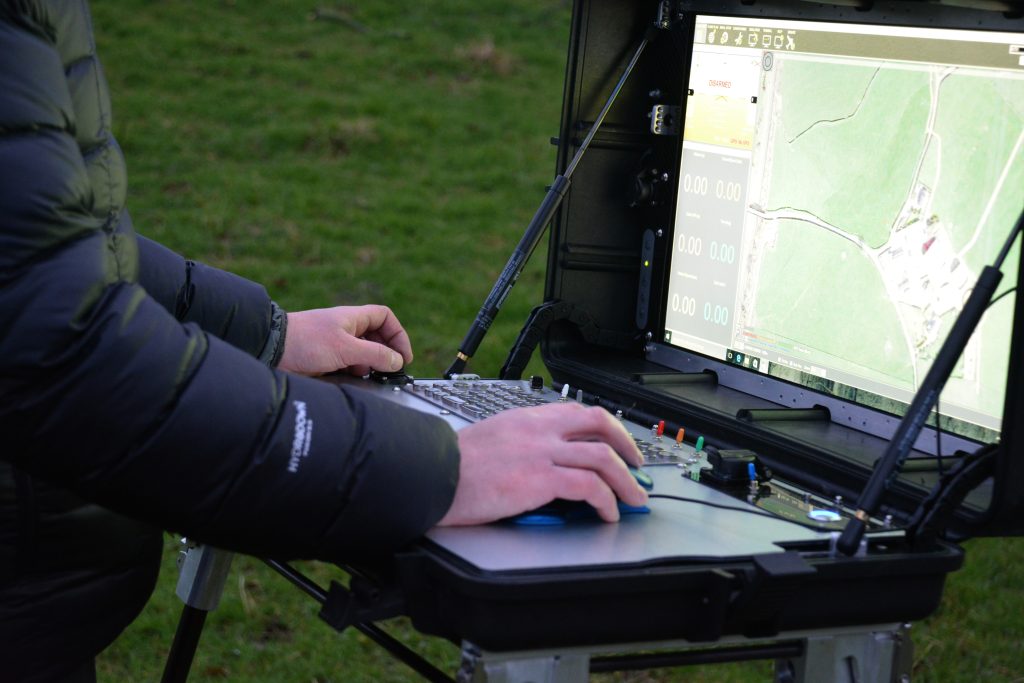
9. Large-Scale Swarm Coordination Algorithms
The technology enables swarms to be controlled by one aircraft, and advanced software allows up to 100 drones to be managed by one operator at a time. The swarming technology eliminates points of failure, while in the F-35, high-priority targets are prioritized.
10. Information Dominance: The New Air Superiority
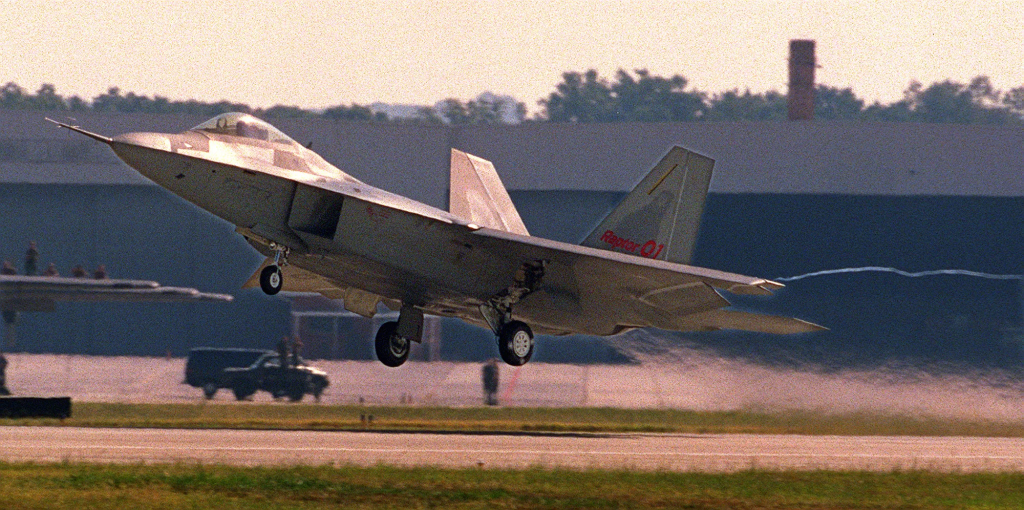
The fifth generation fighter planes such as the F-35 and F-22 are moving the emphasis away from the importance of superiority over another platform to information superiority. Through the integration of sensors, mutual intelligence information, and control over autonomous assets, the F-35 offers commanders air superiority as a result of their superior decision cycles.
“The development of the F-35 into a networked command center represents, in microcosm, ‘The Future Of Air Combat and indeed, warfare itself’ in which ‘winning will depend on network-centric integration of manned and unmanned platforms into a smooth, AI-enabled battlespace.’ Here, through its emphasis on networked communications, sensor integration, human-in-the-loop operations, and swarm engagement, it has demonstrated a pervasively important model for how next-generation fighters will ‘dominate in Joint All-Domain Operations.’ For military personnel and researchers, it represents a fundamental transformation towards ‘warfare enabled by Connect, Autonomy, and Decide.’”


