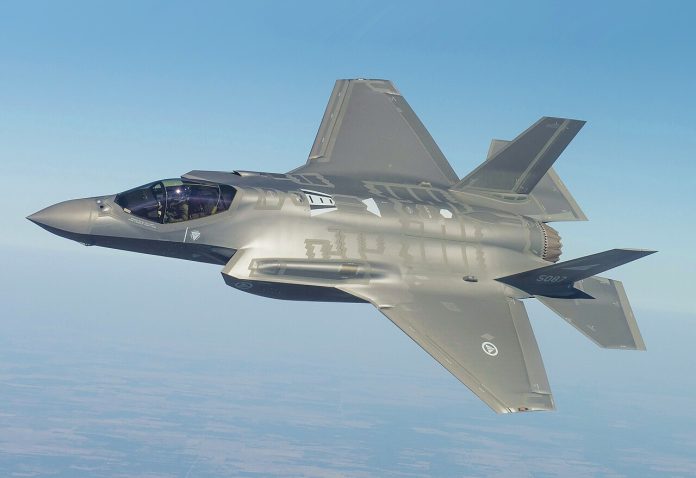
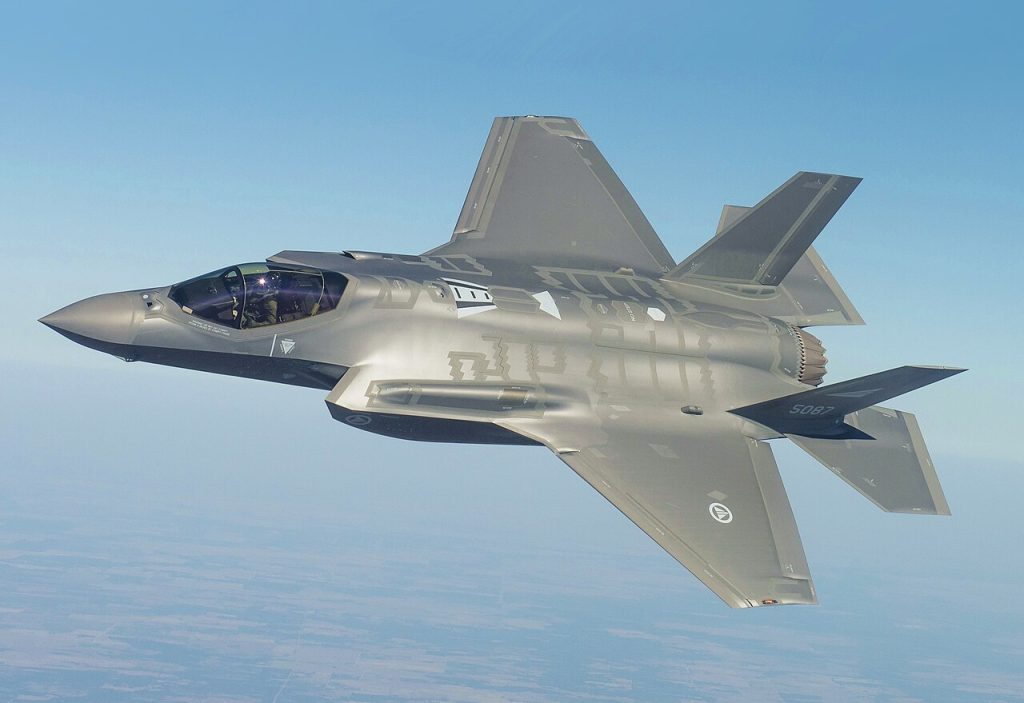
In what way can a fighter jet infiltrate defenses strongly fortified against fighter jets with a RADAR signature no bigger than a golf ball and completely disappear into enemy territory before their adversaries even know what hit them? These capabilities have all become a reality through what has become known as F-35 fighter jet capabilities.
For military aviation buffs and military experts, the F-35’s effectiveness as a deep striker is about much more than just speed and carry capacity. It’s about exploiting the synergistic effects that combine to make a stealthy aircraft capable of navigating through defended airspace, suppressing danger, and controlling allied forces while staying under the radar. In almost every aspect, the F-35 represents the future of precision-strike power. The listicle explains and analyzes the following nine most appealing facts about the F-35 fighter jet that make it a powerful deep-strike weapon:
1. Stealth Shaping and Radar Signature Reduction
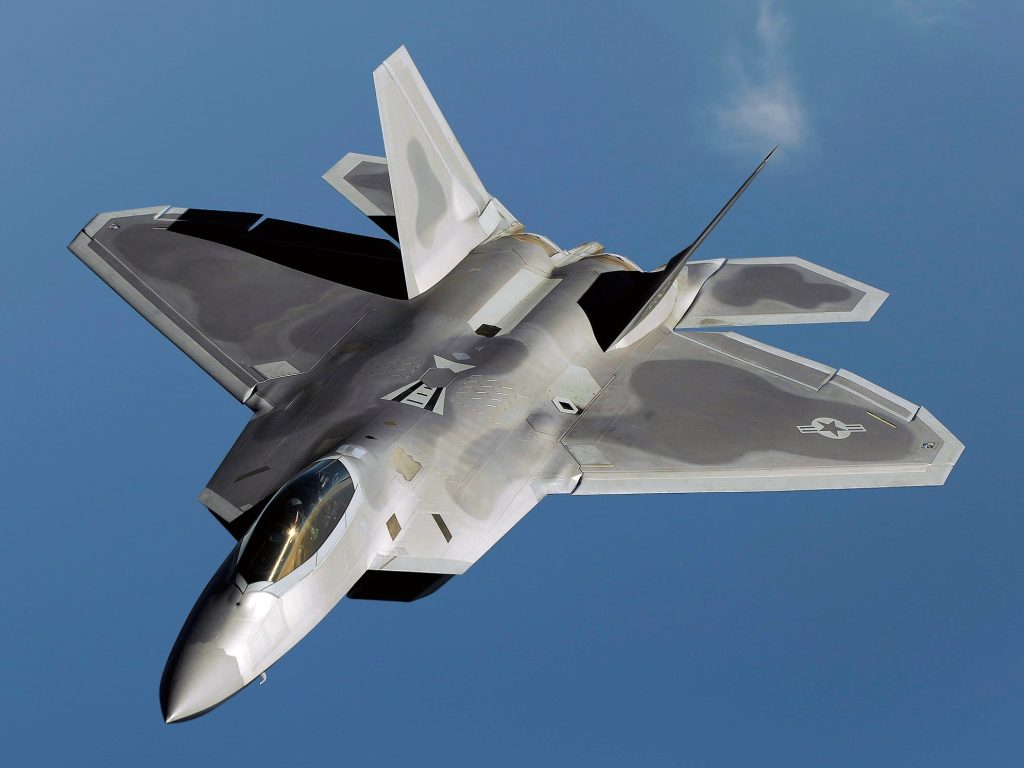
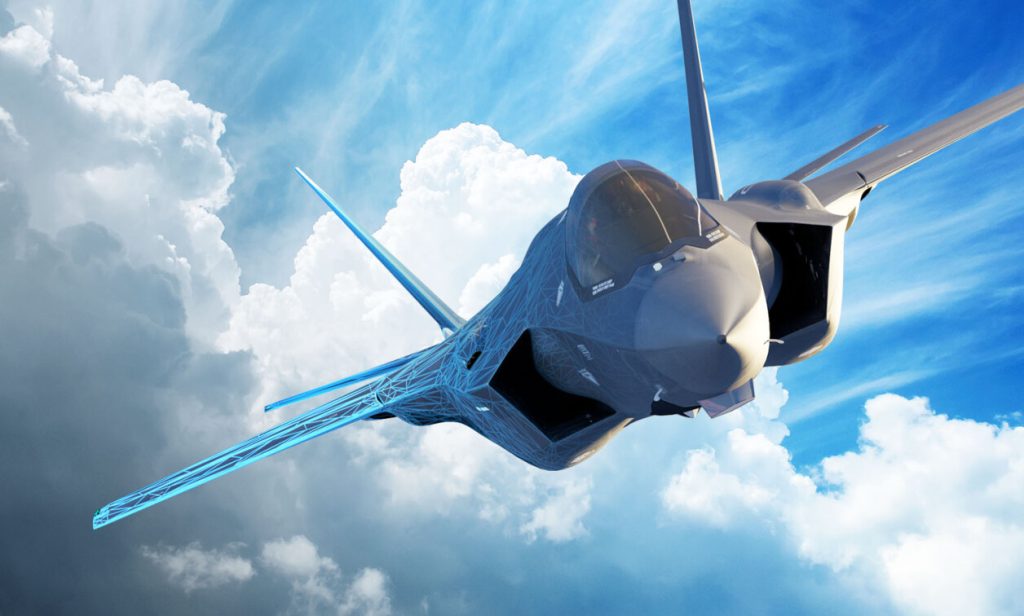
The key enabling factor for deep strike in the F-35 is its very-low observable (VLO) signature. By shaping its borders, grazing its surfaces, and pronating engine components, it has managed to minimize its signature to theextent that it can sneak past integrated air defense networks undetected. Although the F-22 has a better head-on radar stealth signature than the F-35, the latter has been designed to maintain survivability in contested environments.
2. Sensor Fusion for Early Threat Engagement
Contrary to traditional fighter aircraft, in the case of the F-35, data from radar, infrared sensors, as well as electronic sensors are integrated in a single display that the pilot can rely on. This is made possible through ‘sensor fusion’ and gives the opportunity to track and detect targets long before the enemy realizes the presence of the fighter.
3. Electronic Warfare Suite ASQ-239
Developed by BAE Systems, the AN/ASQ-239 provides situational awareness and countermeasures with 360-degree, full-spectrum coverage. It can suppress the enemy’s radar, interfere with the guidance of missiles, and offer targeting information with or without escort planes. The Block 4 upgrades and enhancements are also being developed to offer better detection of “low observable” threats and the simultaneous processing of signals to ensure the F-35 is ahead in the electronic combat environment.
4. Long-Range Deep Strike
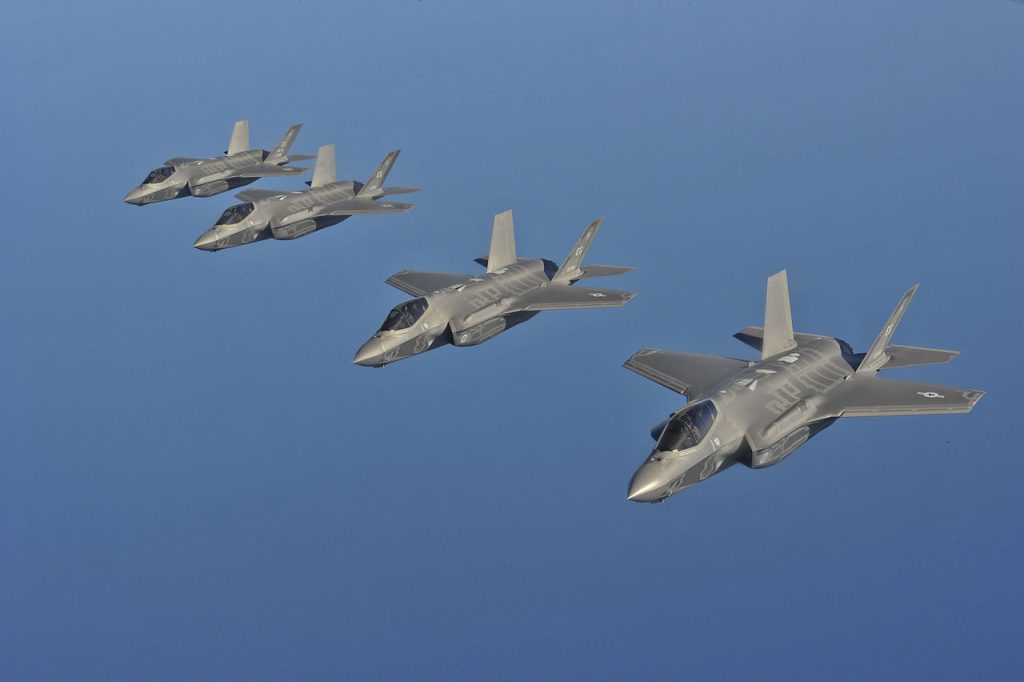
Having range is a highly important factor for penetrating deeply into enemy territory. The F-35A has a range of over 1,200 nautical miles without relying on external fuel tanks, which would have affected stealth capabilities. Therefore, this aircraft would be able to fly deep into enemy territory, an aspect that is not an accomplishment for most other aircraft.
5. Pratt & Whitney F135 Engine Power
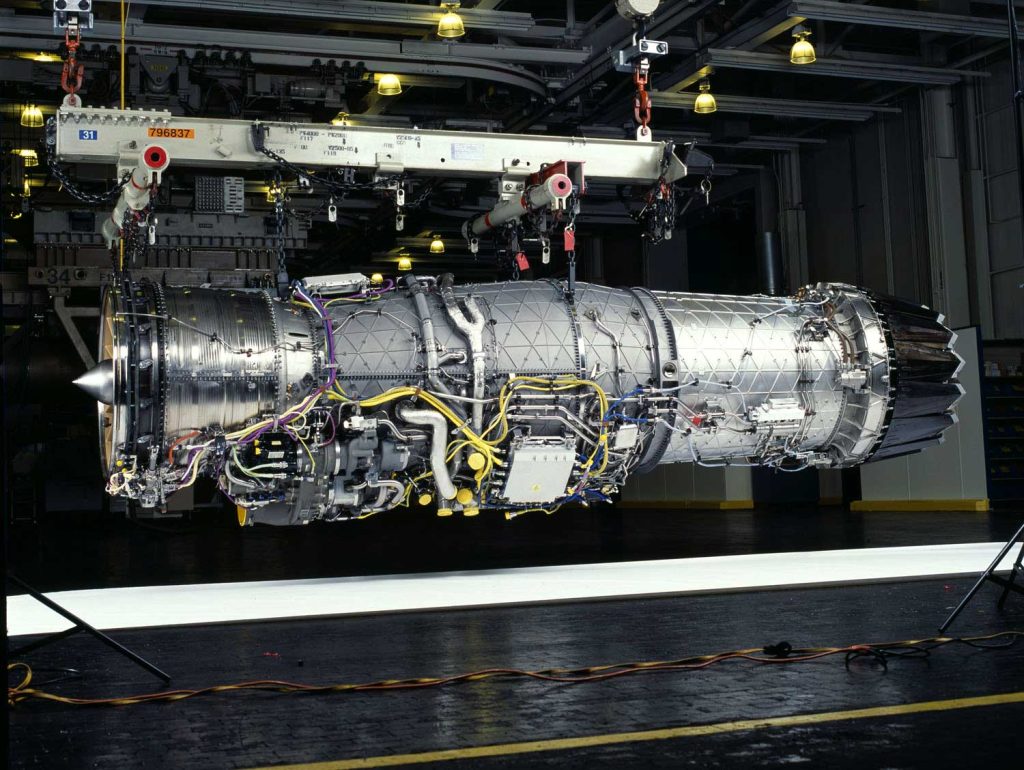
The Pratt & Whitney F135 engine has a thrust of 43,000 lbs, which is currently the highest power in a fighter jet engine. This is sufficient to allow the F-35 to fly at Mach 1.6 speeds while carrying heavy internal loads and retain high agility. The engine is designed in a way that reduces heat radiation, thus providing stealth capabilities.
6. Internal Weapons Carriage
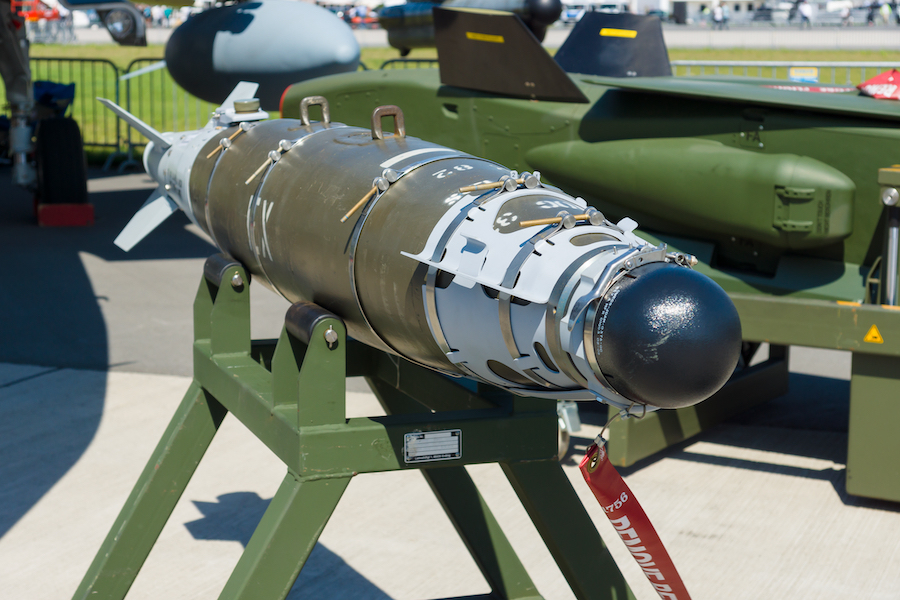
In keeping with the stealth shape of the aircraft, the F-35 is capable of carrying up to 5,700 lbs of internal ordnance. This includes weapons such as the JDAMs, AMRAAMs, as well as the Small Diameter Bombs. These are all precision-guided weapons.
7. Secure Multifunction Advanced Data Link (MADL)
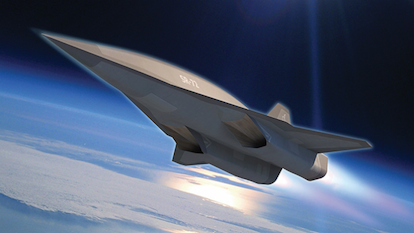
MADL enables the securing of targeting information for other stealth planes, making it possible for these planes to strike together without being detected. It should be noted that according to Lockheed Martin test pilot Monessa “Siren” Balzhiser, speaking with the National Interest, “Having sensor fusion and MADL… engagements can be avoided before we ever even get within visual range.” Other technologies, like the “Freedom 550 radio,” are being developed for use on both the F-22 and fourth-generation planes while remaining in stealth.

8. Combat-Proven Deep-Strike Operations
In tasks such as ‘Midnight Hammer,’ F-35As entered enemy airspace to suppress enemy defenses, which made it possible for bombers to strike targets that were deeply buried while firing not a single round at them. These missions illustrate that the aircraft has the capability to suppress threats and consequently secure corridors for followers.
9. Distributed Aperture System (DAS) and Pilot Visibility
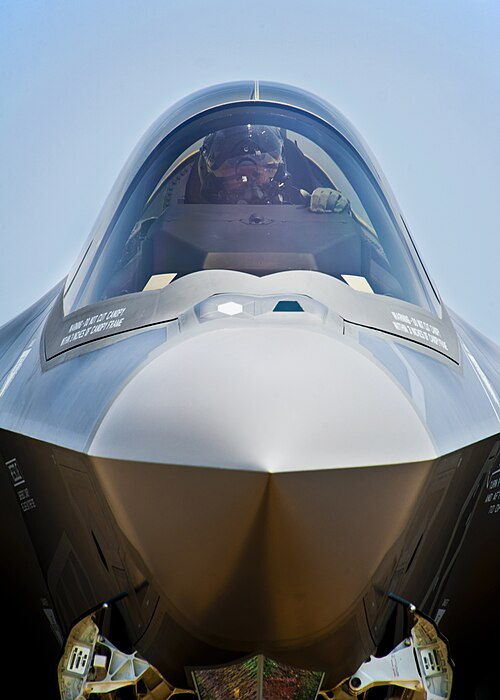
The AN/AAQ-37 DAS has a real-time image streaming capability for the pilots to view through their helmets, offering them 360-degree spherical awareness. This enables them to ‘look through’ their aircraft to identify ground Launched Threats or Missiles from any direction. Incorporation with the Helmet-Mounted Display System from BAE improves reaction time and Situational Awareness, key for survival in a contested environment. The F-35 Lightning II’s ability to dominate other aircraft in deep strike operations is made possible through an integrated combination of stealth shaping designs, sensor fusion technologies, electronic warfare capabilities, and secure network functions. Each of these aspects makes it feasible to create an aircraft that can effectively penetrate the most protected skies in the world and then function effortlessly together with other international forces. The F-35 Lightning II is thus more than an innovation in military technology. It symbolizes change in air power Projection in the 21st Century.


