“What happens if the ‘rules of the game’ of combat medicine no longer apply in the face of drone attacks?” On the eastern front in Ukraine, the ‘golden hour’ strategy of NATO, to provide first aid within 10 minutes, advanced care in one hour, and surgery in two hours, has been turned into a ‘killing hour’ due to the “lethal cocktail of Russian aerial surveillance, drone attacks, and kill zones.” In such a scenario, the only lifeline may come from “machines that crawl, roll, and fight their way into the kill zone without a human in the loop.”
In the last year, Ukraine has seen its armed forces and civilians harness UGVs from niche projects into war winners. These robots are providing ammunition delivery, wounded soldiers evacuation, and even direct assault on enemy positions where even suicide missions can be considered close to suicidal. Based on what has been learned on the fields, along with industry data, below are nine key developments that can define the future for robotics on the battlefields.
1. Armored Evacuation Drones Bridging the Siege
The example of Maksym, who was wedged in no man’s land for 33 days as a soldier, shows what is at stake. After the sixth attempt at rescuing him failed, an armored capsule on wheels, known as the Ukrainian ‘Maulka,’ reached Maksym. It weathered an explosion from a mine and an attack from drones before he was handed over to medical personnel. The Maulka capsule was more difficult to detect than other Maksym’s armored transport models because it moved closer to the ground and made little noise. Trainers such as Stark point out that 90 percent of brigade logistics are carried out by drones that transport people through hostile skies.
2. KillHouse Academy: Training the Robotic Corps
At Third Army Corps’ KillHouse center, troops and civilians are trained in Ground Robotic Complexes (GRCs), which they assemble, handle signals, and learn to deploy in combat scenarios, in some cases learning from infantry experience to become drone operators. Variations include ground cargo drones with wheels for transport, while some are in armored boxes adapted for land type and threat levels, all because of the R&D and training synergies at the academy, which has gained foreign military visitors interested in emulating their Ukraine model.
3. Scaling Up to 30,000 Units
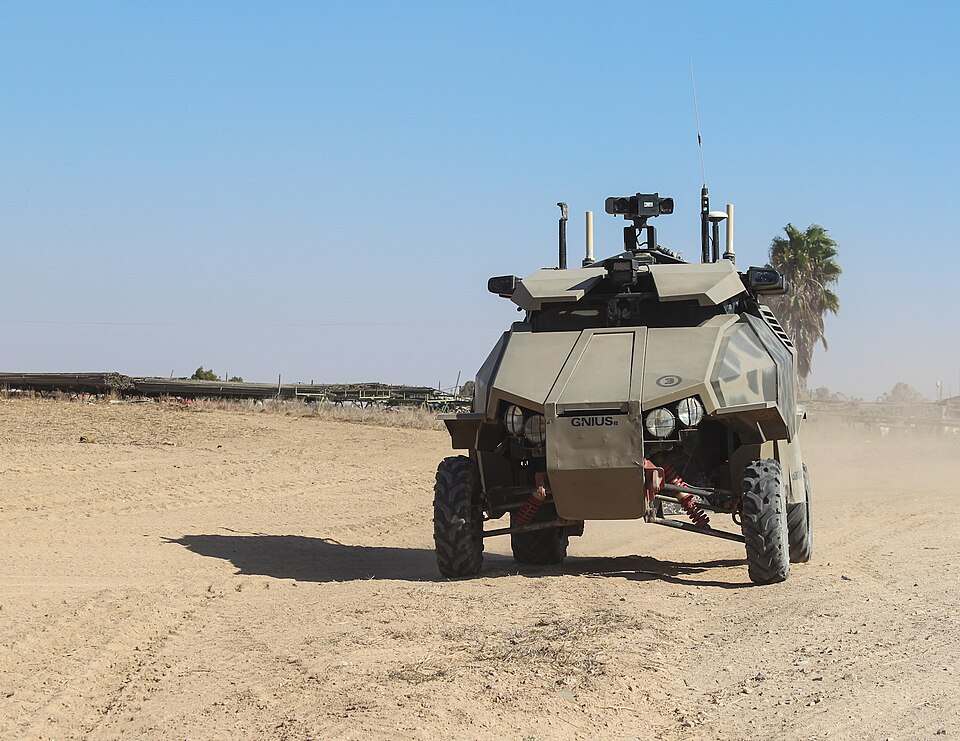
The projection by Commander Viktor Pavlov that there would be a need for 30,000 ground-based robotic systems next year is based on attrition as well as operational requirements. Ukraine aims to develop and employ 15,000 by the end of 2025. The projected costs range from $10,000 to $50,000 depending on the specific system needed. Local production decreases the costs but renders the factories vulnerable to Russian strikes. “Brave1” brings together the government and industry to achieve a common goal and has recorded more than 200 designs.
4. Civilian Innovators for Battlefield Technology
Volunteering organizations such as Dignitas Ukraine are filling the gap between the brigades by creating best practices and partnering with the operators to train them. Some of the engineers who are modifying the UGVs by equipping them with jam-resistant digital communication channels such as Starlink and LTE are Oleksandr’s Antares Battalion team. The cost of such modifications in the UGVs is $750-$1,000.
5. Unmanned Logistics within the Kill Zone
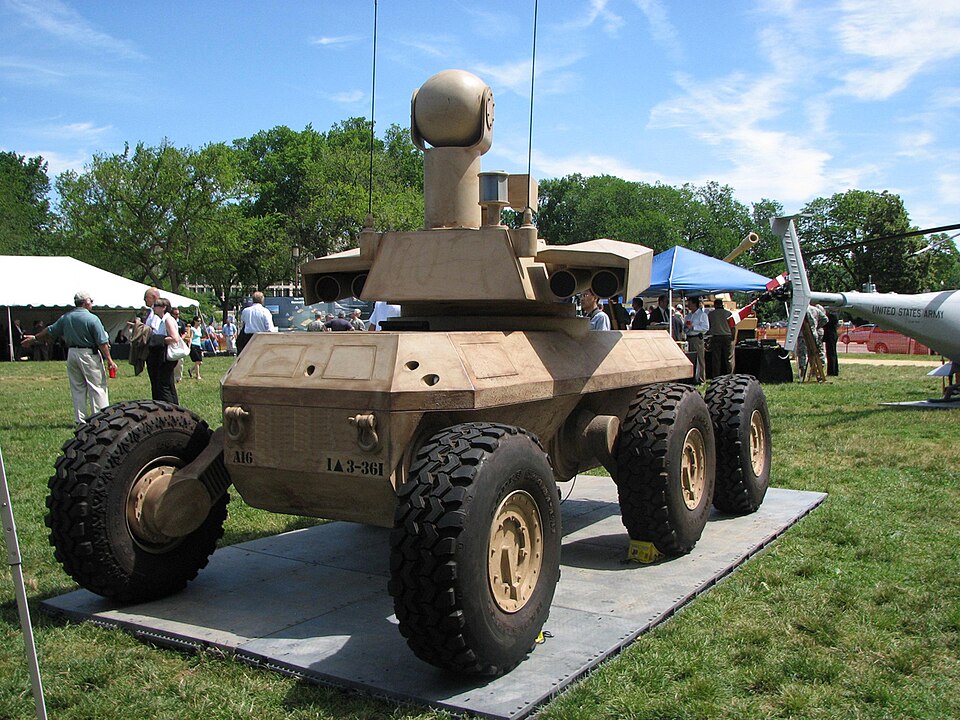
Combat brigades have increased their supply transportation workloads to unmanned platforms. The 3rd Separate Assault Brigade maintains five battalions, with a transportation supply of up to 40 tons per week using ground drones and heavy air lifts. In certain sectors, the kill zones now stretch more than 20 kilometers deep, which makes ground transportation highly hazardous. The numbers are extreme, with the Azov Brigade incurring over 10 destroyed ground robots per month, but each destroyed platform saves dozens of lives in their eyes.
6. Direct Combat Roles for Ground Robots
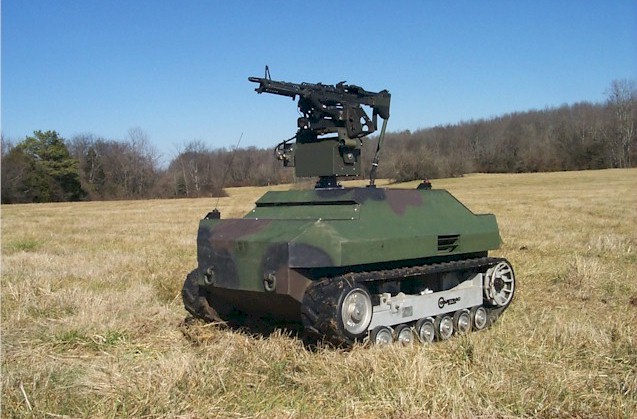
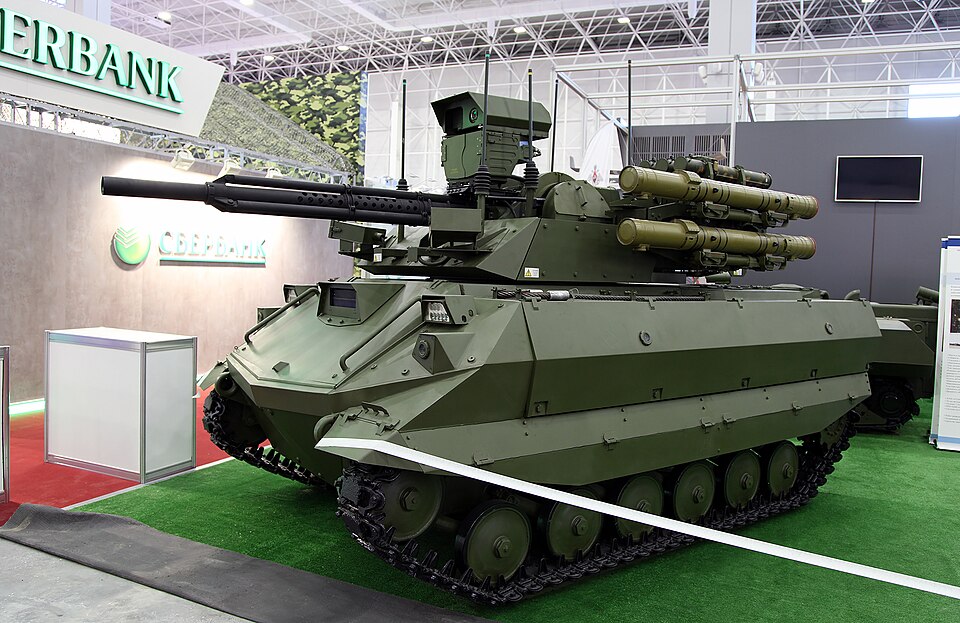
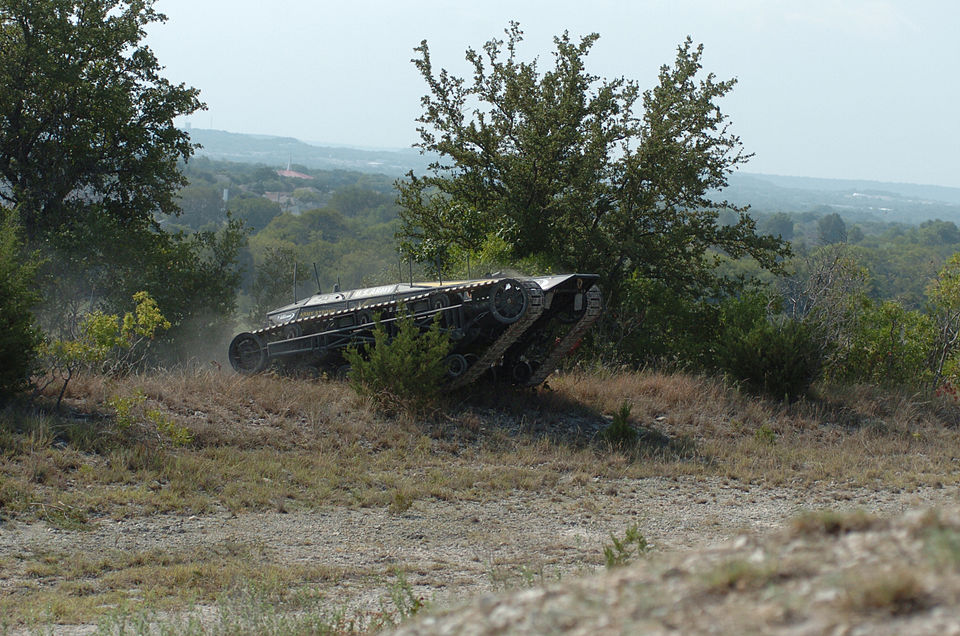
UGVs have ventured out from their support mission niches. For instance, the 93rd Mechanized Brigade uses armed UGVs for close combat, with machine gun installations and thermobaric rocket launchers. Their hit-and-run attacks, evacuation missions in hostile fire situations, and even one-way strikes against priority objectives have become feasible. It was in July 2025 that a drone-UGV-only mission by the 3rd Assault Brigade resulted in Russian surrenders without Ukrainian losses.
7. Countering Russian Drone Interdiction
The Russian military has increased the range of their kill zone for UAVs into ranges of 10 kilometers or greater using fiber optic-enabled drones and loitering munitions to attack Ukrainian ground communication lines. Ukrainian tactics have included anti-drone networks protecting highways and the deployment of UGVs carrying supplies and evacuees where manned transports would be filtered out by the Russian defense arrays. EW-resistance in drones makes them amenable only to kinetic attack.
8. Decentralized Innovation vs. Centralized Scaling
The decentralized military in Ukraine enables fast development and implementation of tailored solutions by their brigades. The 3rd Ukrainian Army Corps’ retrans systems, designed to protect against jamming, propagated to other military units because of their success in operation. Analysts point out that, though Russia can replicate successful developments within a shorter period of six months in their military, this is not a Ukrainian strength because their uniqueness is in their grassroots adaptation and ‘small defense contractors’ competition, which promotes different approaches in technology.’

9. Towards True AI Autonomy
Today’s UGVs are primarily tele-operated, susceptible to loss of signal. Proponents of AI autonomy see a need for systems that have the autonomy to navigate and accomplish their mission without the use of GPS, as well as without continuous human control. This autonomy would make possible the continued performance of evacuation or supply missions even in a contested electronic zone. Modular design and turn-around timeframes of 18 to 24 months are viewed as imperative to remain effective amidst evolving threats.
The Ukrainian robotic revolution on the ground is a necessity that has been developed in one of the most challenging electronic and kinetic environments that modern-day forces have been subjected to. These robots are changing the paradigm on the ground concerning ground support services, carrying causalities, and even combat on the front lines. The technological innovations that the defense community can learn are quite clear: survival in the battlespace of drones will depend on innovations that are developed on the fly and integrating robots seamlessly throughout all functions.


