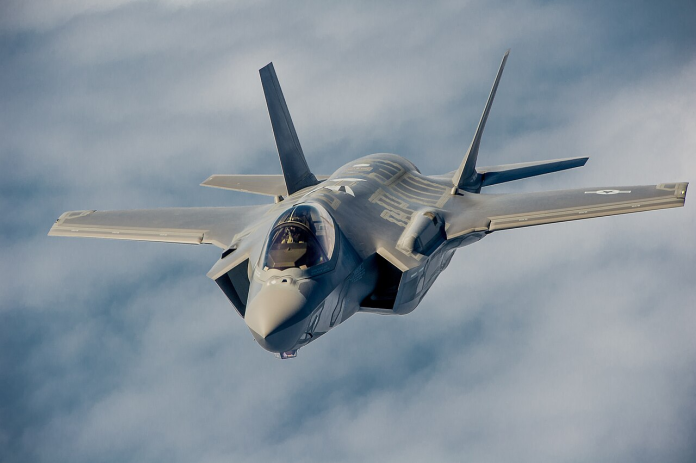
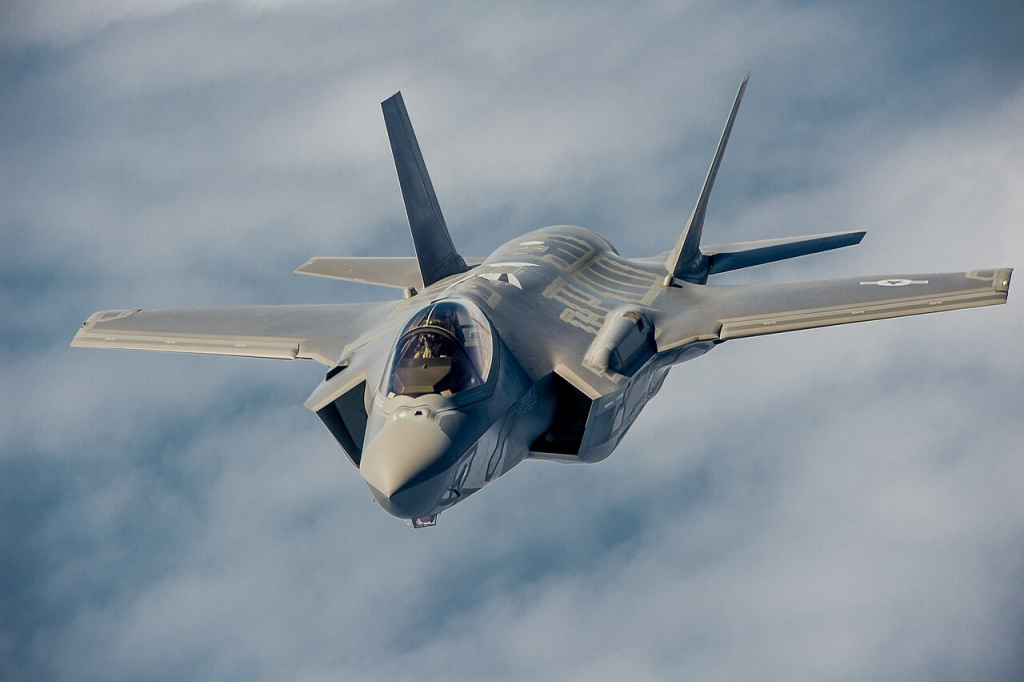
Is NATO ready for a world of drone warfare? This question has been thrown into sharp relief by the recent involvement of Dutch stealth fighter jets against Russian drones over Polish territory. This was not simply an intercept mission it marked the first engagement of NATO airpower against enemy forces on allied territory.
This occurred only days after the Netherlands had begun its latest deployment to Poland, as part of its High Alert task to secure the east wing of NATO. Nineteen Russian drones successfully crossed into Polish airspace during a mass attack on Ukraine, triggering a layered response by the combined forces. Though some drones were downed, this attack brought to light the economic and strategic vulnerabilities of dealing with low-cost drones by expensive assets and underlined the pressing necessity for an effective and sustainable air defense system.
1. First Combat Deployment of Dutch F-35s in NATO Space
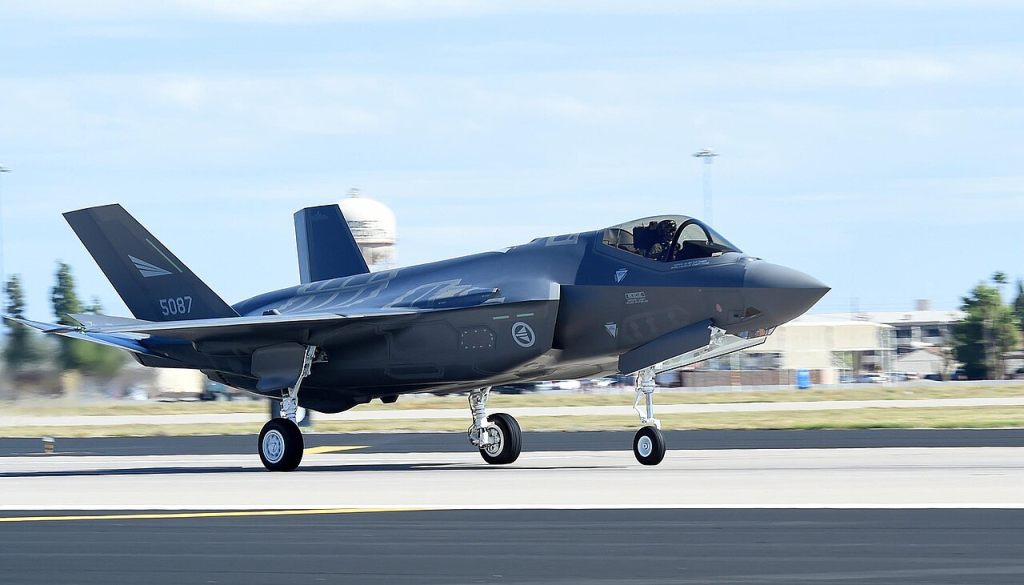
The Dutch Ministry of Defence confirmed that Dutch F-35s, under the NATO enhanced Air Policing mission, have intercepted Russian UAVs above Poland in September. It was the first time that NATO aircraft have destroyed enemy aircraft on Alliance territory. The aircraft, with their heightened senses and AIM-120C AMRAAMs, were ready to engage within days of arrival, thus emphasizing NATO’s message of being ready. The Minister of Defence, Ruben Brekelmans, made it very clear that “this is what we stand ready to do… in order to keep the further escalation of the Russian threat at bay.”
2. A Multi-Nation Allied Response
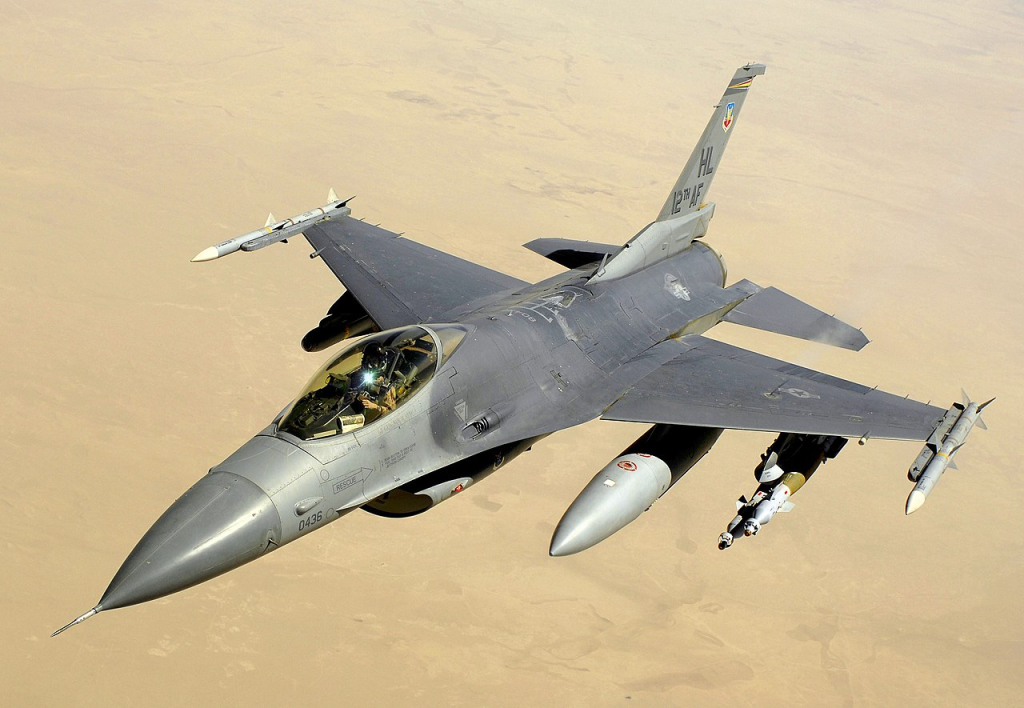
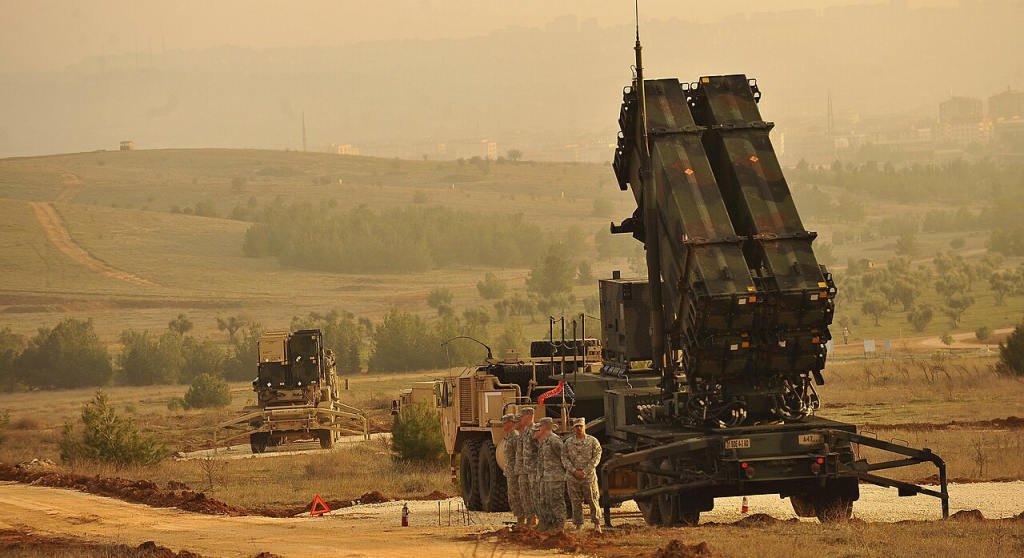
The exercise was a part of a joint NATO exercise. Polish F-16 fighters, an Italian AWACS, an alliance tanker, and German Patriots are put on alert. This combined defense effort indicated compatibility, but it also had some weaknesses, which came to light. Drone debris had been detected inside Poland. Clearly, some of these drones had managed to get through undetected or unintercepted.
3. Russia’s Probing Tactics
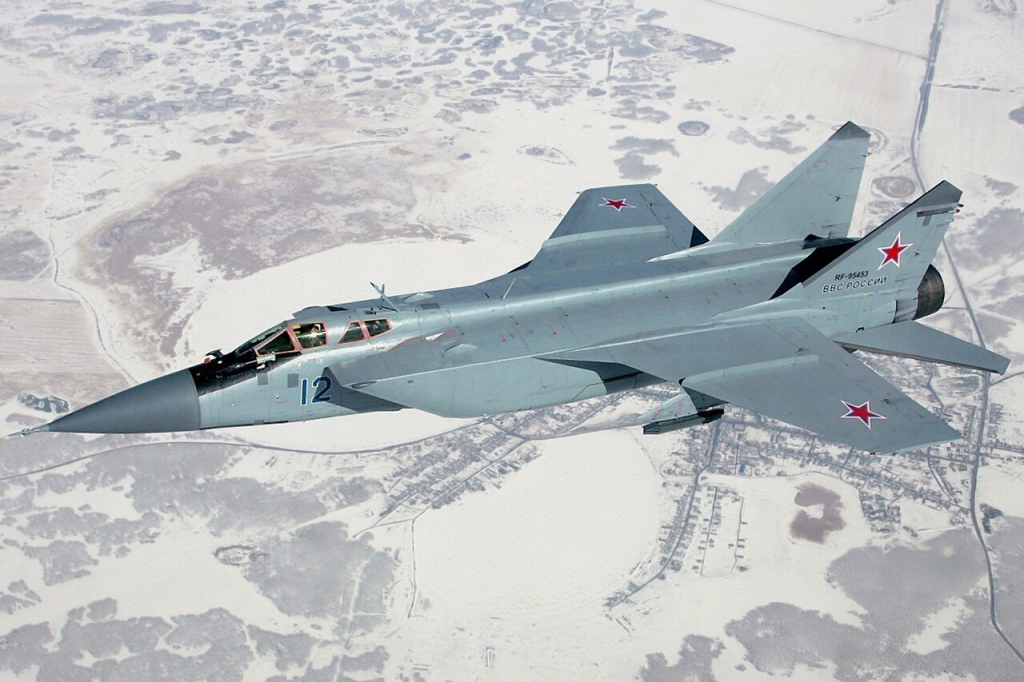
The incident has been deemed a provocation of NATO’s reaction time and capabilities by Western officials and British Defense Secretary John Healey. Some other incidents of provocation of similar nature have already been noticed. These involve Russian MiG-31 fighter jets entering Estonian airspace just days after.
4. The Cost Curve Problem
The deployment of million-dollar interceptors in an operation involving drones that cost tens of thousands of dollars directly contributes to an unsustainable defense policy. It was indicated that one Patriot PAC-3 MSE missile alone will cost $4 million. Such inequitable defense measures may rapidly deplete NATO stocks in a high-intensity swarm defense situation.

5. Lessons From the Ukraine Drone War
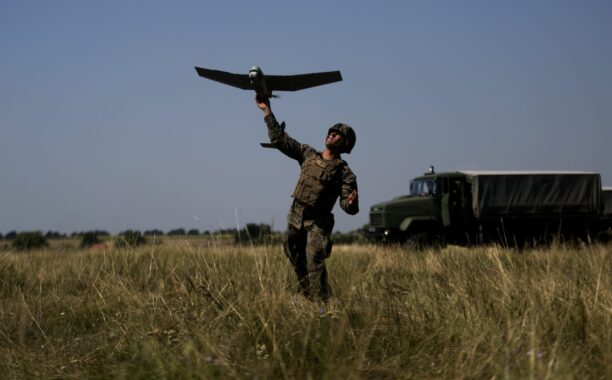
Since January 2024, Ukraine has encountered over 35,000 Russian attack drones, and they have developed ways to counter this through interceptor drones, jamming, and layered defenses. Military leaders in Ukraine, including Robert “Magyar” Brovdi of NATO, are urging adaptability of doctrine to counter swarm drones. Poland and Ukraine launch joint anti-drone training.
6. Electronic Warfare Complexities
Jamming or spoofing drones for neutralization purposes does not prove easy. Russian drones have been designed such that the “home” or destination waypoint becomes the target, ensuring jamming operations push the drone further into the protected zone. Spoofing operations can go wrong, making the drone move erratically. Most military drones have incorporated inertial navigation systems, ensuring they can still operate without a satellite connection.
7. Emerging Counter-Drone
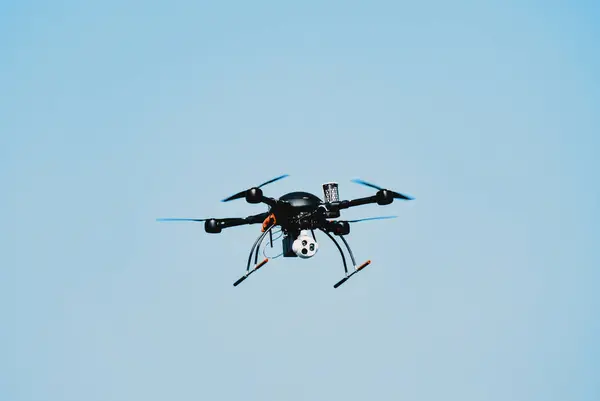
Research on defense mentions other alternatives to kinetic intercepts, such as GNSS spoofing, high-energy lasers, high-powered microwaves, and autonomy manipulation. Concerning directed-energy weapons, cost per shot is very low but limited by the atmosphere. There can be a balance created in defense by economical kinetic solutions, such as the Martlet missile developed by the UK, and jams.
8. On the Need for a European Airshield
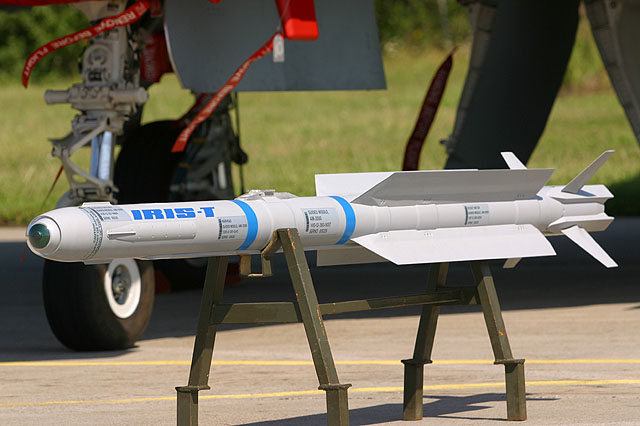
It has been argued that air defense represents a European public good that would be most effectively financed collectively. Suggestions have included the use of EU loans for procurement based upon PESCO and the European Sky Shield Initiative. In this regard, it would be most advantageous to share expenses and enhance capacity by integrating Missiles IRIS-T, SAMP/T, and Patriots.

9. Strategic Significance of the Incident
The NATO Secretary General, Mark Rutte, declared this response “very successful” and stated that NATO is “capable of defending every single inch of our territory.” However, this intrusion has highlighted that its current radar and missile systems are designed to intercept fast and high-altitude projectiles and are not suited for fighting smaller composite drones. This is because “the importance of defended assets is often more relevant than the type of attack,” as pointed out Lt. Gen. Andrus Merilo. The Polish air space incursion was more than a small-scale battle it was a stress test of air defenses in the age of drones.
While the speed of the international response demonstrated capability, it also highlighted weaknesses in detect-and-respond measures, cost effectiveness, and air defense strategy. Drawing on the lessons of Ukraine, investing now in a broad set of response options, and finding a shared purse in Europe may be the decisive factors in plugging such weaknesses prior to the next, bigger test.


