
Over $4 billion will be invested in C-UAS within the United States in 2026 alone. This outstrips most other industry models and shows that there is going to be a paradigm shift when it comes to air space protection policy. This comes on the heels of the Safer Skies Act’s passage in the FY26 National Defense Authorization Act (NDAA) and its related amendment that gives SLTT law enforcement access to new protection measures.
Years ago, the local police and correctional officers were prohibited from doing anything against the rogue drones that posed threats even to stadiums and correctional institutions. However, with the latest powers, funding, and appropriate constraints, SLTT entities now have the capabilities to detect, track, and disrupt drone threats, provided that they go through federal training and equip themselves with authorized technologies.
The situation has critical implications. Aerial events such as the 2,000+ drone intrusions in NFL games in three years or the UAV incident at an NFL playoff game in Baltimore are a wake-up call. Hosting the FIFA World Cup 2026 and the celebration of the 250th anniversary of the United States in the next few years will pose no questions on spending on C-UAS technology but will rather be a call to decide how to use the solution.
1. Extending Legal Authority to SLTT Agencies
The Safer Skies Act enables the detection, tracking, and response to drones on the part of law enforcement and correction officers working within the SLTT. This ends the federal monopoly on “counter-drone” responses that has long existed. “Deputized” law enforcement and correction officers working within lawful federal authority have the same legal protections as federal law enforcement officers,” according to Joshua Craddock of the Office of Legal Counsel within the DOJ. To facilitate the exercise of this authority, regulations have to be crafted by DHS and DOJ, and law enforcement personnel have to undergo training by the FBI’s National Counter-UAS Training Center in the state of Alabama. Such measures are intended to provide safeguards against misuse while ensuring coordination with the FAA in busy low-altitude airspace.

2. Massive Federal Funds Channels
Two large grant programs will fuel purchases. FEMA’s $500M grant for C-UAS focuses on areas that have National Special Security Events or SEAR 1/2 events, allocating funds of $250M in FY26 and the rest in FY27. There’s also a separate FIFA World Cup Grant Program of $625M for detection and tracking systems within 11 states that will be hosting the FIFA events. These funds can be accessed only if there is trained staff in the agency. Thus, technology procurement is based on agency preparedness. Companies such as Anduril, Skydio, and AeroDefense are poised to take a share in this market, ranging from a mobile RF detector to a city-wide digital detection system.
3. Joint Interagency Task Force 401 Coordination
Section 912 of NDAA creates Joint Interagency Task Force 401. It will be led by the Deputy Secretary of Defense. The task force will coordinate DoD responses for countering UAS and provide joint training materials to SLTT partners. It has been built to secure unfragmented procurement, ensuring that defense solutions work in conjunction with civilian deployments in scenarios where threats extend across both realms.
4. Stadium and Event Security Requirements
The threat level is also greater for major venues. While most SLTT agencies would react to either commercial or do-it-yourself drones detectable through analysis of their RF signals, World Cup-type stadiums would demand multi-sensory protection involving RF, acoustic, optical, thermal, and radar sensors integrated with a command/control network. The cost difference is extreme, too: A basic RF detection and mitigation solution might cost $250,000, while a fully networked, multi-sensor solution could easily cost millions. This will depend on risk assessments and predictions of when high-end, RF-compliant drones will start showing up at civilian events.
5. Technology Options and Vendor Strategies
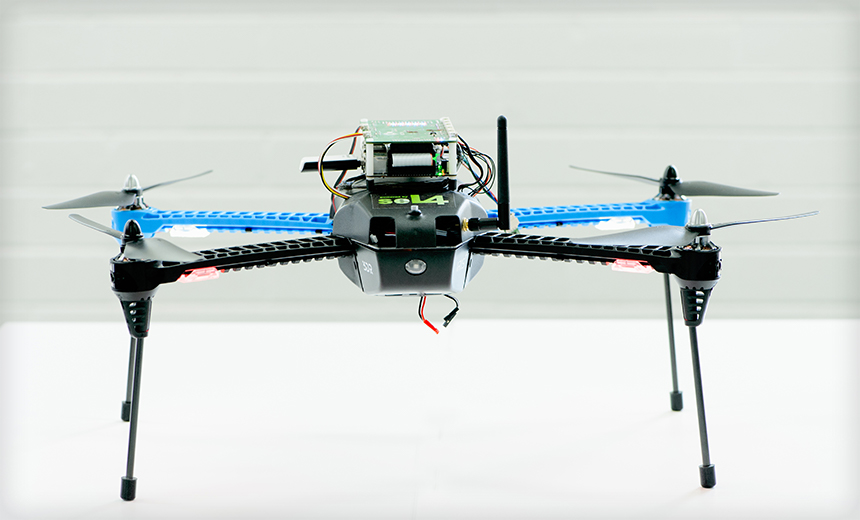
Vendors are now adjusting their solutions according to the parameters of the grants. AeroDefense focuses on cost-effective detection across the city using historical airspace data. Skydio targets multi-application drones that are useful in both emergencies and bridge inspection. Lisa Ellman, of the Commercial Drone Alliance, highlights the view that detection should be the first line of defence method, while mitigation should function as a „last resort”. This reflects the increasing use of low-altitude airspace management systems where cooperative detection information informs wider situational awareness.

6. Gatekeepers in Training and Compliance
Access to government funds and operational authority depends upon the fulfillment of training coordinated by the FBI. “The National Counter-UAS Training Center, formed in response to an executive order issued by the U.S. President, recently celebrated the graduation of the first class in late 2025.” Training will encompass both kinetic and non-kinetic mitigation strategies, legal regimes, and coordination protocols. Without certification, organizations will not be in a position to deploy mitigation technologies even if funding will not be an issue.
7. Guardrails and Penalties for Misuse
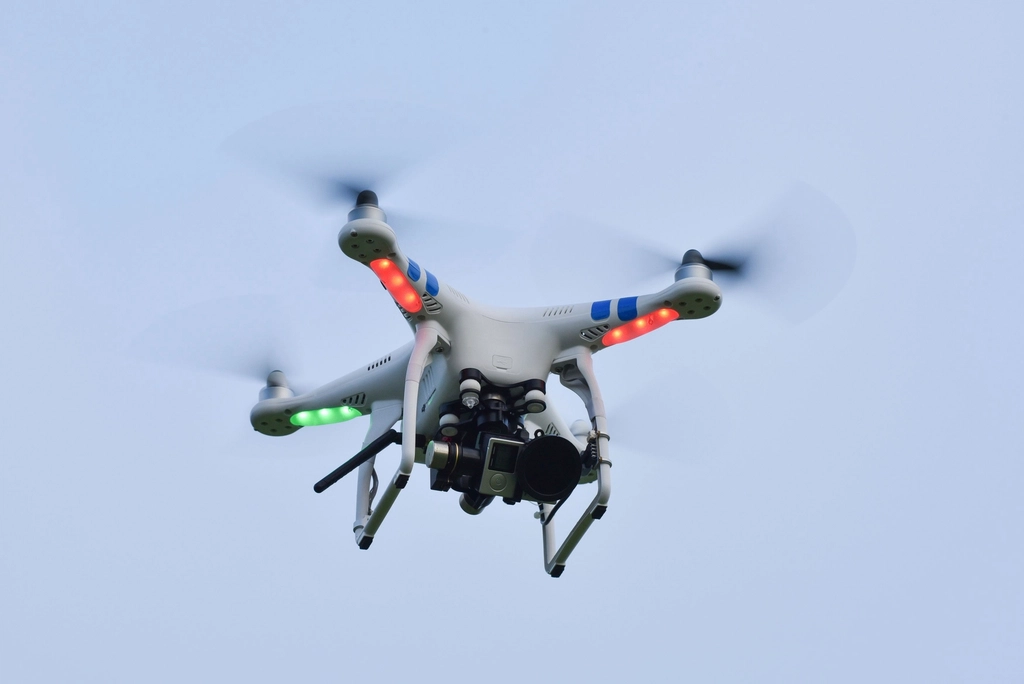
Under section 8605 of NDAA, there is a penalty of $100,000 for any unlawful act concerning UAS. For crimes relating to UAS that necessitate harsher sentencing, mitigation events occur. However, these mitigation events must be reported. These steps are designed to ensure a balance between increased power and being answerable to it, and they tackle worries such as those voiced by experts like Center for Democracy & Technology’s Jake Laperruque, who feels that “these are highly sensitive powers which can be abused.”
8. Integration with Emerging Airspace Systems
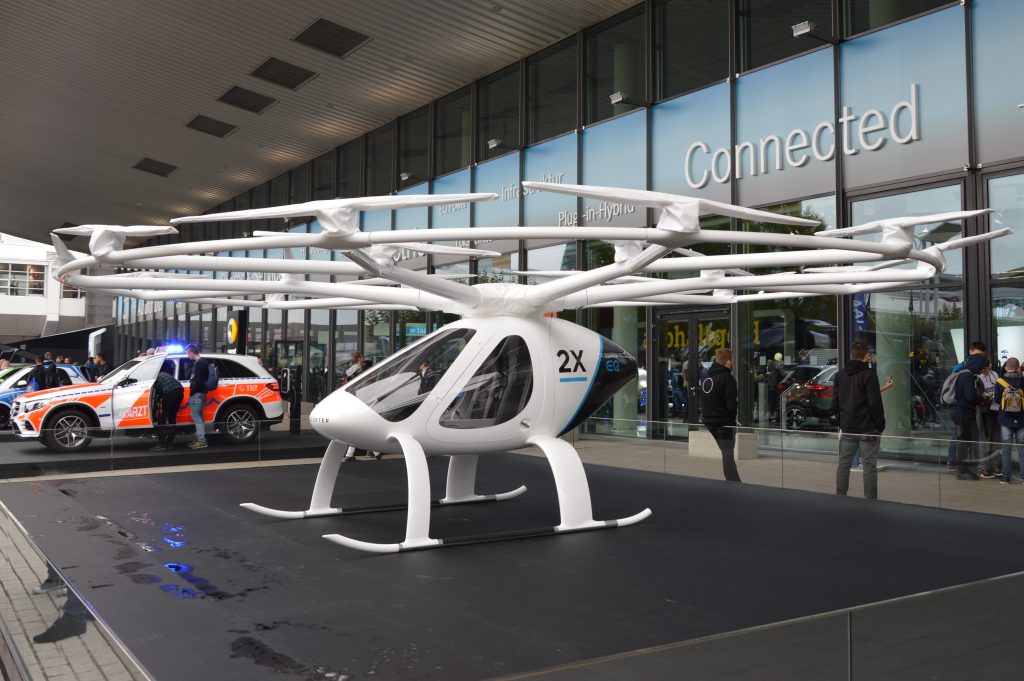
The deployment of C-UAS operations would be simultaneously implemented with unmanned traffic management (UTM) and advanced air mobility (AAM) initiatives. Cooperation between radar systems operating at lower altitudes would improve detection capabilities. FAA’s ever-unfolding model is seeing multiple service providers overseeing the management of cooperative areas, providing opportunities for the data gathered from UAS operations to be directly incorporated into airspace management.
9. Balancing Security and Operational Safety
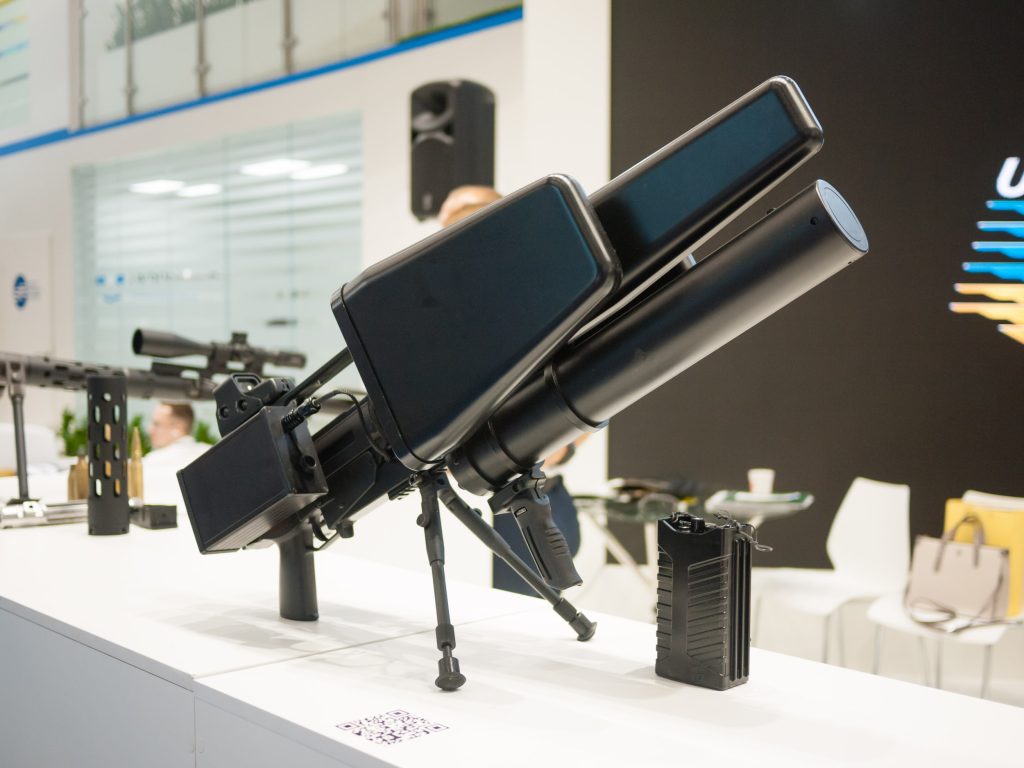
According to University of Alaska Fairbanks’s Catherine Cahill, kinetic solutions such as nets, projectiles, and lasers may result in debris falling on spectators or property, meaning that the danger associated with the countermeasure itself might be worse than the threat. Protocols for responding based on risk, rules of engagement, and NON-KINETIC solutions such as cyber takeover or Artificial Intelligence-Based jammers are essential in order to prevent harm to persons and operations in the course of implementing security solutions.
The counter-UAS provisions within the FY26 NDAA represent the most dramatic shift in American defense strategy against drones in recent years. With significant funding, increased authorities for SLTT agencies, and an integrated Federal and Military response, the United States is ready to take on the rising threat posed by “rogue drones” over high-profile events. This will all depend on smart threat response, effective use of technology, and staying within the right legal boundaries in order for the skies to remain safe and secure.


