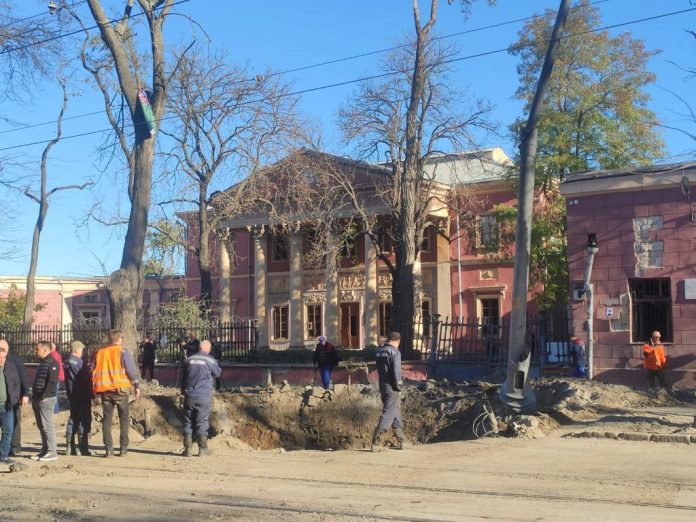
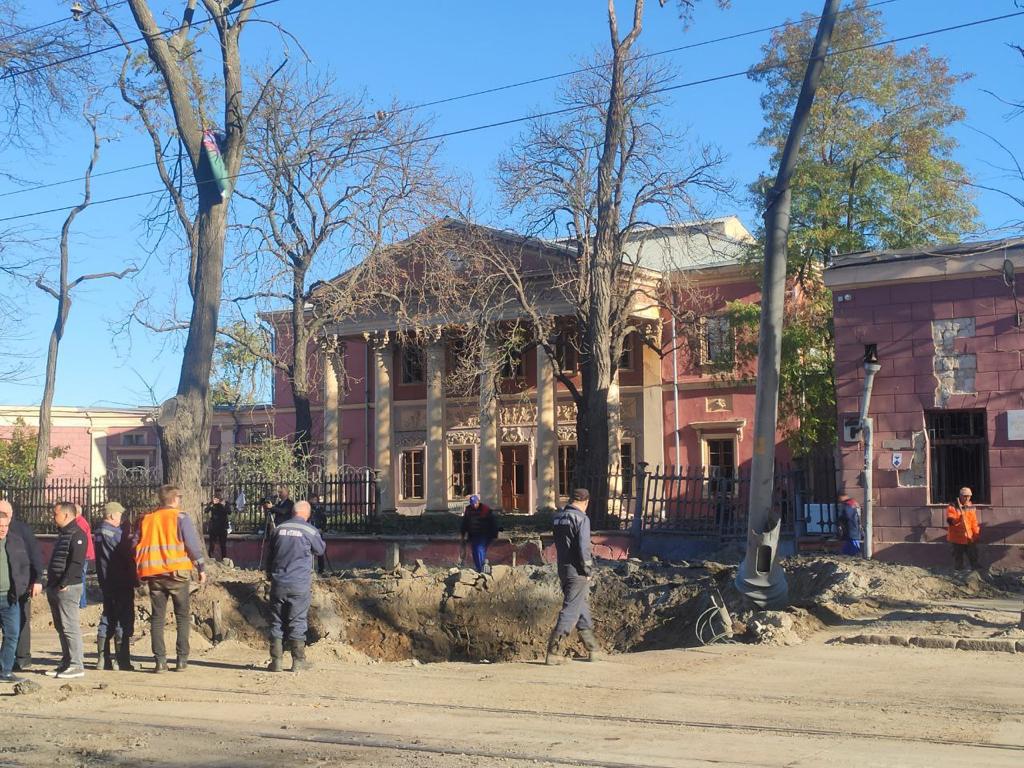
“War is not only fought on the battlefield; it’s fought as well over lifelines.” This adage rang horribly true in the December 20, 2025, Russian missile attack on the Pivdenne seaport in Ukraine, just outside the city of Odesa. Eight people were killed, 27 wounded, and a crucial logistics center left in ruins, as Russia continued a strategy to choke the Black Sea route to Ukraine.
But for someone watching the ongoing war in Ukraine between Ukraine and Russia, an incident like the Odesa strike can provide much more information in terms of the changes in tactics being adopted by one side against the other, along with the level of vulnerability in terms of the infrastructure being attacked to influence other aspects on the battlefield.

1. Use of Precision Ballistic Missiles on Critical Logistics
Oleg Kiper, Odesa’s region head, was quoted as saying that ballistic missiles struck to destroy infrastructure in the port area. By using ballistic missiles, Russia has continued to exhibit its preference for precision strikes to destroy infrastructure without risking engagement with Ukrainian defenses. It caused fires in trucks and cars and affected reservoirs necessary for fuel and food logistics.
These attacks align with the Russian strategy for non-contact warfare, where the target is infrastructure that would then provide the needed goals for attainment without necessarily fighting on the ground. Destructing the logistics capabilities of Pivdenne would affect military supplies, trade, as well as exacerbate Ukraine’s economic troubles.
2. Targeting of Civilian & Commercial Assets
However, the effects of the strike did not end there. Allseeds, a Geneva-based company, reported the destruction of three storage tanks of sunflower oil, leaving one dead and two others wounded. Ukraine is the global leader in the production of sunflower oil.
The civilian victims include passengers in the buses that were caught up in the bomb’s epicenter. The targeting of the country’s economy through the destruction of agricultural export installations corresponds with Russia’s intention to isolate Ukraine from access to the sea, as stated by Ukrainian President Volodymyr Zelensky.
3. Strikes on Vital Bridges
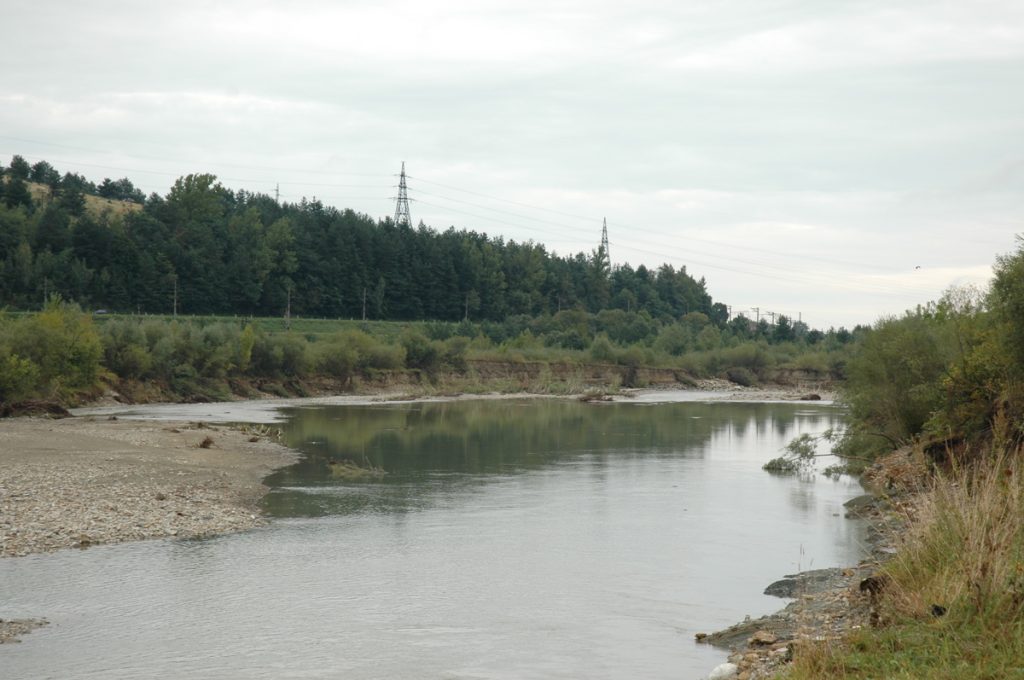
Since the middle of December, the Dniester River bridge at Mayaky has been targeted by Russian troops no less than five occasions. This bridge is one of the primary routes for transporting goods that go to Moldova—about 40 percent of Ukraine’s fuel imports. Its damage has made it necessary for the use of temporary floating bridges.
The strike on such critical points of congestion reflects an intention to break up and disrupt the internal connectivity of Ukraine. Such persistent attacks demonstrate the determination to target regional connectivity structures.
4. Ukraine’s Expanding Deep-Strike
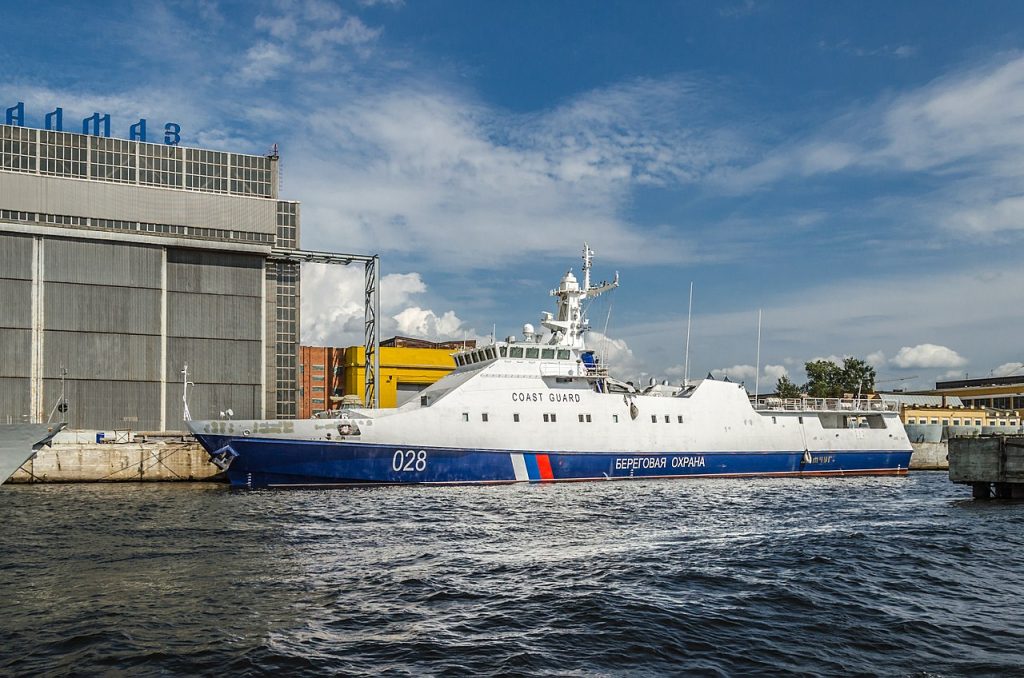
However, in reaction, Ukraine has increased its drone attacks beyond its borders. On December 19, Ukraine launched attacks on the Filanovsky oil platform in the Caspian Sea, targeting the Project 22460 Okhotnik patrol ship, causing damage to it. The oil platform has reserves of 129 million tons of oil and 30 billion cubic meters of gas, belonging to Lukoil.
Such attacks demonstrate Kyiv’s strategic ambitions to undermine the energy revenue streams of Russia, which finances its war efforts. Ukrainian leaders have stated the legitimacy of targeting the country’s energy installations in their effort to constrain the ability of Moscow to wage war.
5. Strikes on Russia’s Shadow Fleets
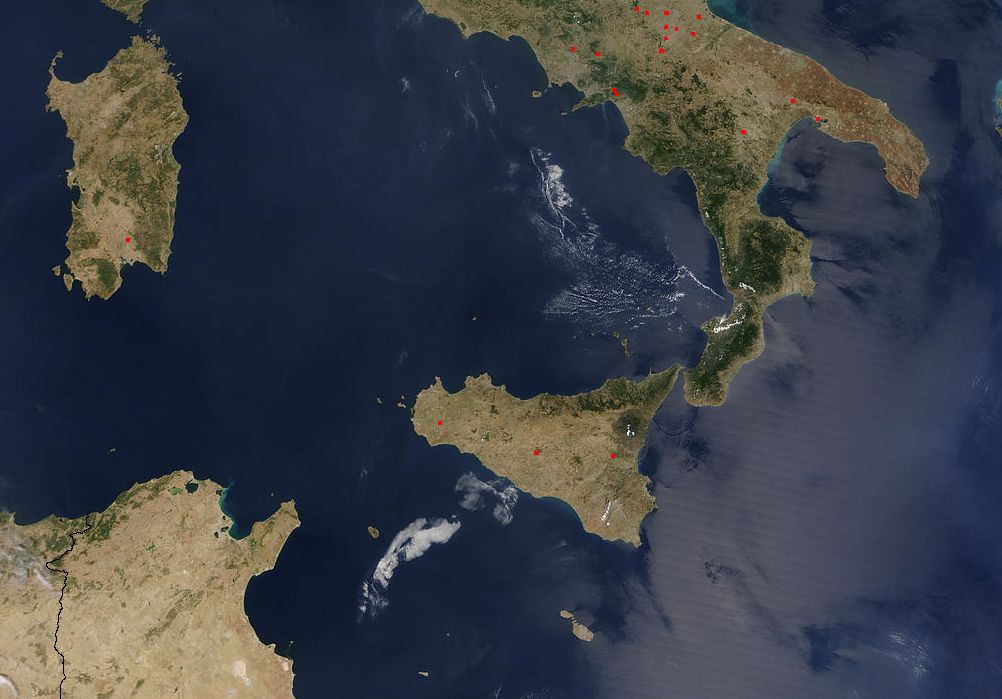
The sanctions-circumventing tanker fleet of Russia has also been targeted by the Ukrainians. These ships carrying oil are operating in contravention of the international ban, thereby earning the much-needed export earnings for Russia. These attacks have taken place in the Black Sea, the Mediterranean Sea, as well as in the Bosphorus.
In attacking these tanker vessels, Ukraine not only targets the supply chain but also the enforcement of international sanctions as the international community must deal with the lack of regulation on the high seas.
6. Diplomatic Stalemate Amid Escalation
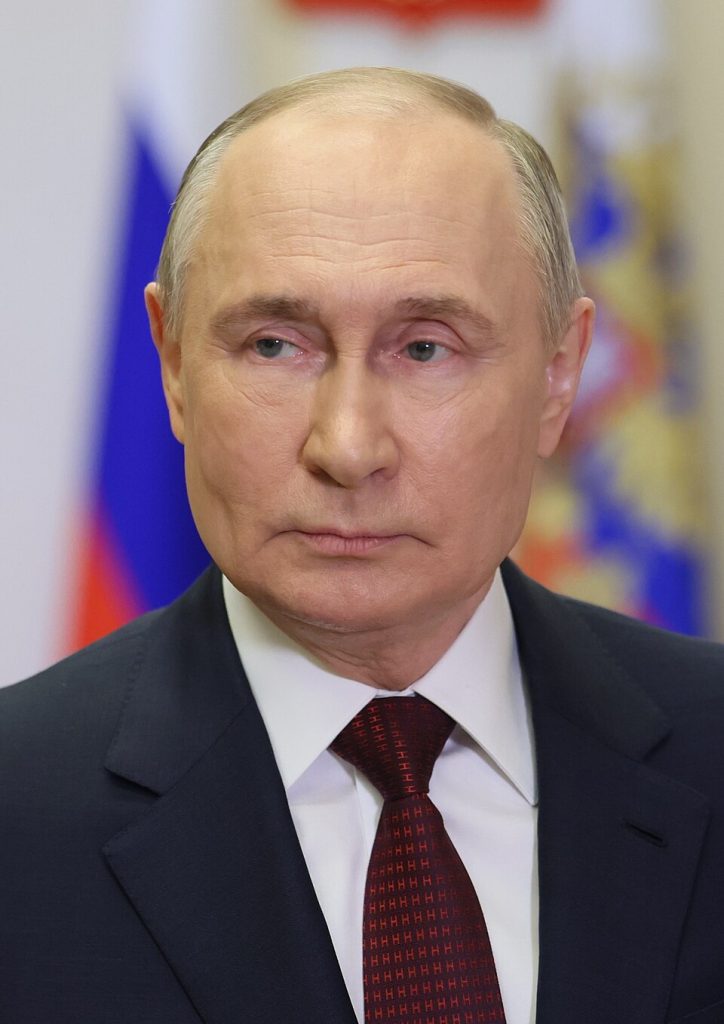
This came as negotiations were taking place in Miami between Ukrainian, European, and Russian delegations mediated by the United States. This is in spite of a public statement by Russian President Vladimir Putin claiming, “We are ready for negotiations,” while his demands remain the same: maximalist, including territorial concessions that Ukraine flatly rejects.
U.S. Secretary of State Marco Rubio reiterated that “both sides have to give something” if there is to be peace. However, the harsh realities on the battlefields combined with the positions held by the two sides make this extremely difficult. The increased airstrikes during the negotiations indicate that both could be using force to get what they want out of the talks.

7. Infrastructural Damage and Cost to Economy
According to the Kyiv School of Economics, direct destruction to Ukraine’s infrastructure amounts to $63 billion since the invasion started. Roads, residential areas, ports, or industrial sectors have also been continually bombed. Port destruction in cities such as Odesa has directly impacted Ukraine’s ability to export goods, while destruction on the roads has inhibited distribution within the country.
This economic attrition tactic aims to weaken Ukraine’s prospects for long-term recovery. This is done with the objective of making the reconstruction process even more expensive and complex for Ukraine

8. The Black Sea Trade Corridor Under Threat
After Russia suspended the Black Sea Grain Initiative in 2023, alternative routes through waters in Romania and Bulgaria have been set up by Ukraine, allowing millions of tons of grain exports and other commodities amidst the war.
However, attacks on ports and trading vessels, along with drifting mines, jeopardize these waterways. The Odesa strike is one move in a wider strategy aimed at rendering alternative routes unusable, further pressuring Ukraine’s trading abilities.
9. Military Technology Dependence & Sanctions Challenges
Research has shown that the Russian Federation uses components from foreign-crafted microelectronics, which include U.S. components, for components of its missiles. The sanctions imposed against Russia do not limit Russia’s access to these components because they are delivered via third-party nations, ensuring that the accuracy of missiles such as the Iskander ballistic missile is maintained.
This kind of technological dependency clearly brings to the fore the challenges that can arise when attempting to control exports within a globalized supply chain. Defence researchers would take note of this as one of the imperatives to ensure that countries under sanction do not get their hands on critical technologies. The strike in Odesa’s Pivdenne port on December 20 was not an isolated act of destruction, but rather a carefully considered step in a broader strategic plan. It incorporated precision-striking capabilities, economic elements, and even psychological elements, all while failing on the diplomatic side.
However, Ukrainian strikes against Russian infrastructure for energy and their maritime capabilities indicate a growing scale in their conflict in which trade routes and flow routes are a key aspect to be considered just as much as front lines. In other words, control over infrastructure is as important as control over territory in this war, and in fact, both continue to be heavily contested through various means.


