Hypersonic missiles are re-defining the basics of warfare, as the US scrambles to keep up. A recent award of contracts totaling $3.5 billion to the Space Development Agency constitutes an important push towards the development of a next-generation satellite constellation that has the capacity to detect and locate these rogue missiles with rapid effect. Of the big four companies that will supply 18 satellites to fulfill the Tranche 3 requirement of Proliferated Warfighter Space Architecture, the list of suppliers consists of Lockheed Martin, Northrop Grumman, L3Harris, and Rocket Lab.
It’s not just the hardware that’s being developed; there’s a symbolic change in strategy coming from the Pentagon regarding missile defense highly intelligent sensors and communication systems that are resilient in a proliferated low Earth-orbit satellite constellation. For those people involved in the area related to defense technologies, aerospace engineering, and/or investments, there’s a technological dream and the momentum that’s hidden within the details.
1. The Largest Tracking Layer Contract to Date
The value of the awards for the Tranche 3 is $3.5 billion for a total of 72 satellites, which is the largest purchase for the tracking layer yet by the SDA. However, each of the four awarded companies-Lockheed Martin, Rocket Lab, Northrop Grumman, and L3Harris-will receive contracts for the construction of 18 satellites, with differing payload options. The highest contract is awarded to Lockheed Martin, valued at $1.1 billion, followed by L3Harris’ contract worth $843 million, then Rocket Lab with a contract valued at $805 million, and finally, Northrop Grumman’s contract of $764 million.
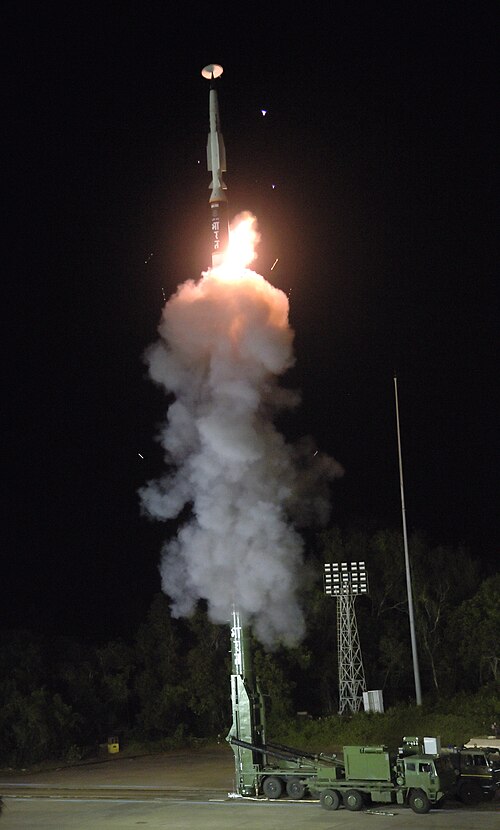
2. Mission-Critical Functions in Hypersonic Missiles
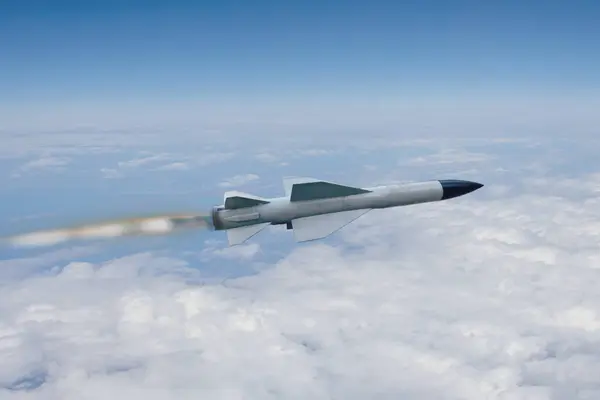
It is designed for launch detection within less than a second. It will also be responsible for custody through flight. This system has the capability to detect everything from the blink-and-you’ll-miss-it launch of missiles to hypersonic glide vehicles that perform unpredictable movements through mid-flight. Missiles will be equipped with infrared sensors. However, only half will be equipped with mission packages that will allow defense missiles to be tracked.

3. Integration With PWSA Transport Layer
The Tracking Layer would integrate with the existing PWSA Transport Layer, a laser-based mesh network that transmits targeting information in near-real-time to missile defense systems and combatant commands. All this integration enables the timeline of detection to decision, which is key when it comes to the defeat of fast-moving targets. In addition, sensing and communications with low latency are integrated under one architecture with precision tracking information.
4. Rocket Lab’s Strategic Leap
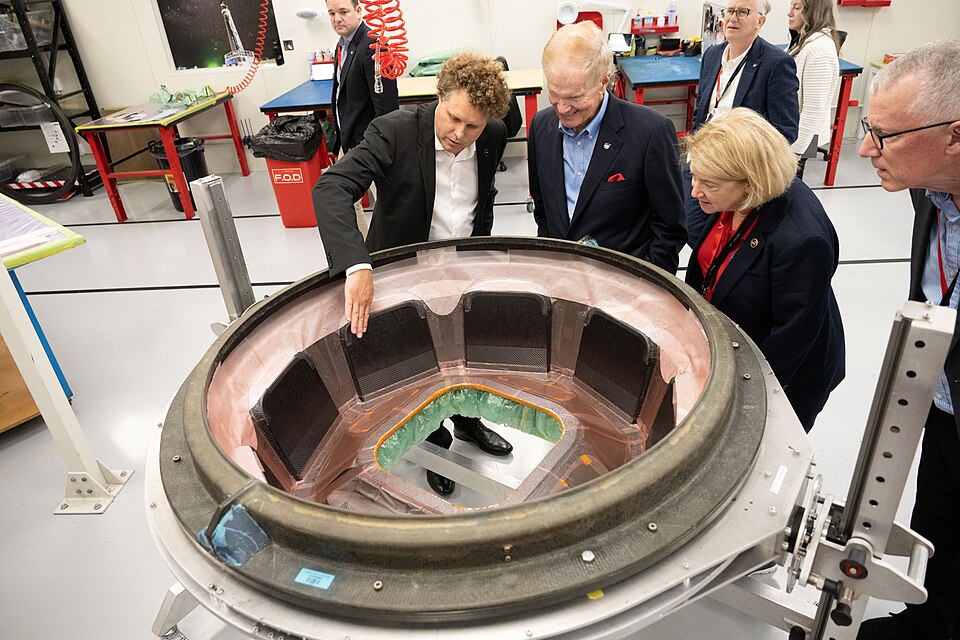
For Rocket Lab, Tranche 3 is the first contract related to missile warning and tracking that the firm has received from the SDA. This contract comes on the back of the Transport Layer contract worth $515 million that was earlier awarded. The firm will employ Lightning satellite bus and next-generation Phoenix infrared sensor payload that has a wide field of view. This has been developed to address the requirements of missile defense. Rocket Lab will also employ StarLite space protection sensors that will address the issues associated with directed energy threats. The firm has the potential to raise an additional $1 billion through sales to other network developers.

5. Northrop Grumman’s Expanding Role
Adding the Northrop Grumman Award of $764M, it now brings 18 additional satellites to the previously contracted number, increasing it to a total of 150 SDA satellites in tranches one through three. Northrop, using its experience on multiple decades in OPIR systems in space, is poised for rapid and extensive delivery for its contracted services. Brandon White, VP at Northrop, highlighted their contribution to the missile warning architecture in regards to its high and low altitude layers, in the role concerning a variety of threats.
6. Production Advantage of Lockheed Martin
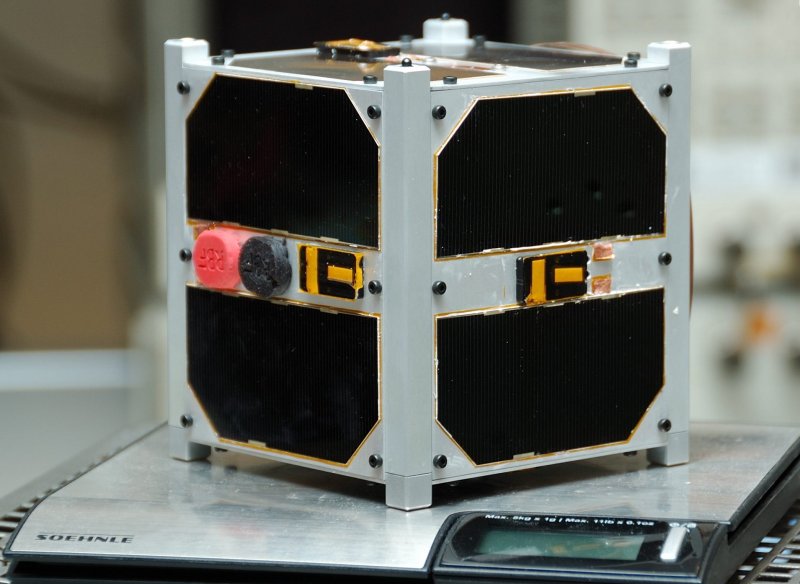
“The satellites being developed by Lockheed Martin will be based on a Terran Orbital bus,” said the company in a statement. For this purpose, the company has developed suitable facilities, namely the “SmallSat Processing and Delivery Center, located in Colorado, to perform the aforementioned efforts.” Investments by the company in the past in “secure networks, test assets, and dedicated small satellite manufacturing are enabling the integration of new technology into products and supporting the national security mission.” Joe Rickers, a Lockheed Martin vice president, explained, “These strategies are placing us in position to address the warfighter’s needs for an urgent proliferated missile defense constellation.”
7. L3Harris’s Continuous Tranche Presence
L3Harris is the only contractor to have been part of each and every Tracking Layer tranche to date. Now, the $843m contract in the Tranche 3 increases the number of satellites the company already builds in Tranche 0, Tranche 1, and Tranche 2. L3Harris has also reached full-rate production at the Palm Bay, Florida plant. L3Harris CEO, Christopher Kubasik, said, “The key to victory in the hypersonic missile competition starts in space,” and his company’s established on-orbit tracking solutions would certainly take homeland defense to the next level.

8. Technical Payloads & Orbital Deployment
Each Tranche 3 satellite will feature infrared sensors, optical communication terminals, Ka-band payloads, and S-band backup telemetry. The 72 satellites will be organized into eight orbital planes that offer global coverage with some degree of redundancy. The use of lasers for cross-linking will also enable direct data flow between the constellation for continued tracking even within hostile settings.

9. Function within Golden Dome Missile Defense System
The Tracking Layer should play foundational roles within the Golden Dome missile defense system being developed for the Pentagon. Golden Dome hopes to combine space sensors with command-and-control components and kill vehicles within a single, cohesive defense umbrella against sophisticated missiles. Due to the proliferated model used, where SDA’s new approach renovates its capacities each two years constantly keeping pace with adversary advancement the constellation maintains its dynamism while keeping abreast. The Tranche 3 contracts are so much more than a procurement achievement; they are a commitment.
By increasing the size of the Tracking Layer, together with its partnering role with the Transport Layer, the SDA has begun making preparations for the development of a solid missile defense system. Not least for the involvement of the latter, for the defense industry, this effort does provide ongoing opportunities for firms. Yet for national security, it offers the use of its capacity for the identification, tracking, and destruction of the fastest and most agile threats within the contemporary battle space.”


