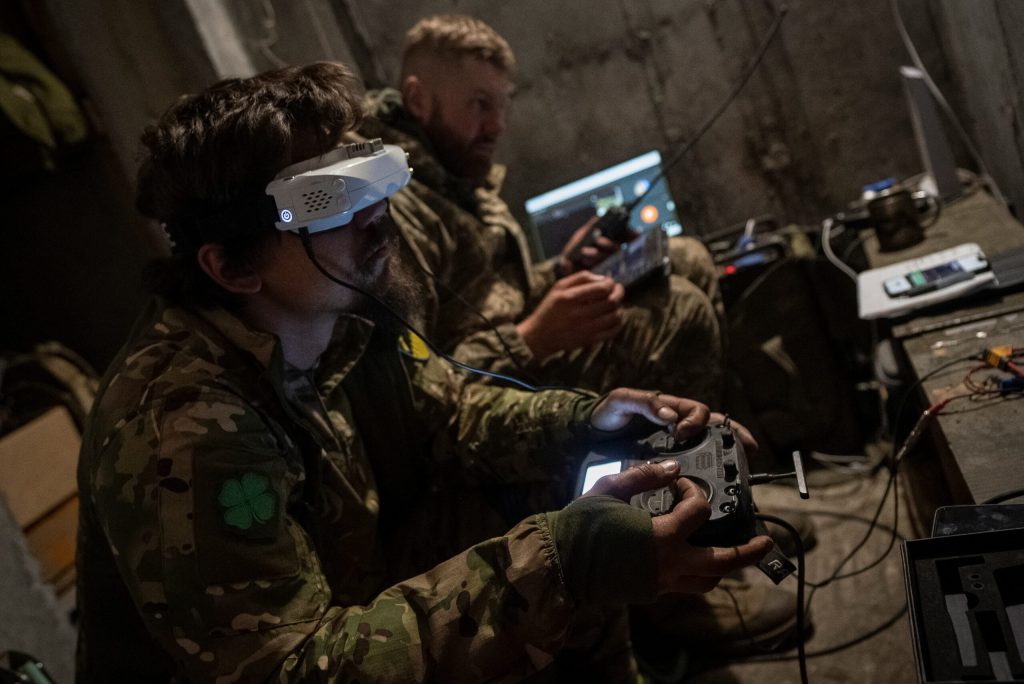
“If it flies in Ukraine, it will fly anywhere.” It was this boast by Volodymyr Lymanets, a former head of the Ukraine Republic’s 190th Training Center, that had little to do with commercial flying drones and much more related to hardened unmanned systems that are increasingly entering the realm of domestic homeland security in the United States. The southern border has become the battleground upon which many new techniques have been first proven in the “most drone-saturated warfare environment in Europe.”
Attention in the US government was drawn by the Ukrainian utilization of low-cost universal drones in their effort to resist the impact of Russian jamming on their operations. It would seem that what the Trump administration meant by their militarization of the border was further encouraged by the adoption of these tools that are increasingly blurring the lines between combat and law enforcement. Lessons are indeed being learned in Arizona’s desert. This listicle looks into the most significant impact that the drone war being fought in the Ukraine region is having on the security of the U.S.-Mexico border.
1. Combat-Proven FPV Drones Enter U.S. Border Patrol
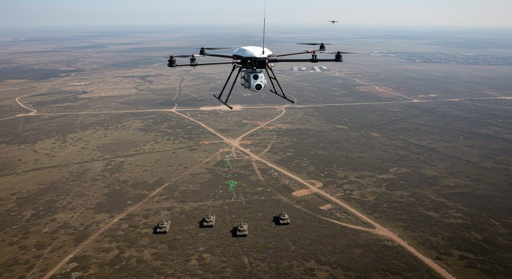
In Ukraine, first-person perspective drones that carried explosions became precision strike weapons in these contested environments. People like “Ravik” were trained to operate these drones when subjected to strong electronic jamming. Presently, U.S. border control agencies are evaluating such modifications for surveillance and interdiction purposes. Though American-made drones will not be armed, they are adapting to environments that are resilient to signal interferences as well as complex terrain for border control drones.
2. Long-Endurance Outrider Drones Tested in Arizona
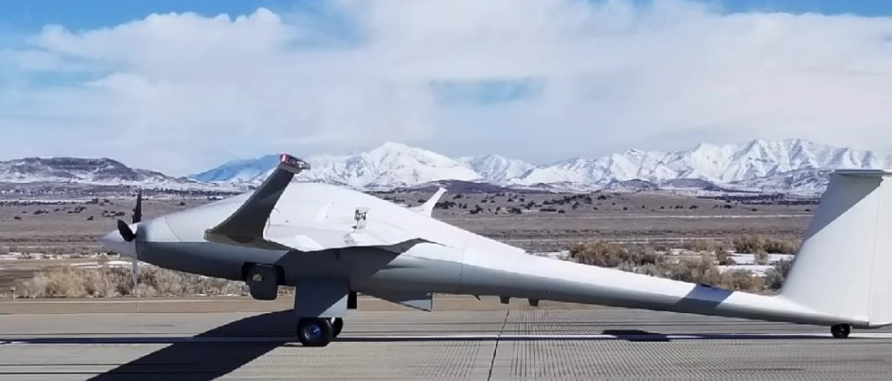
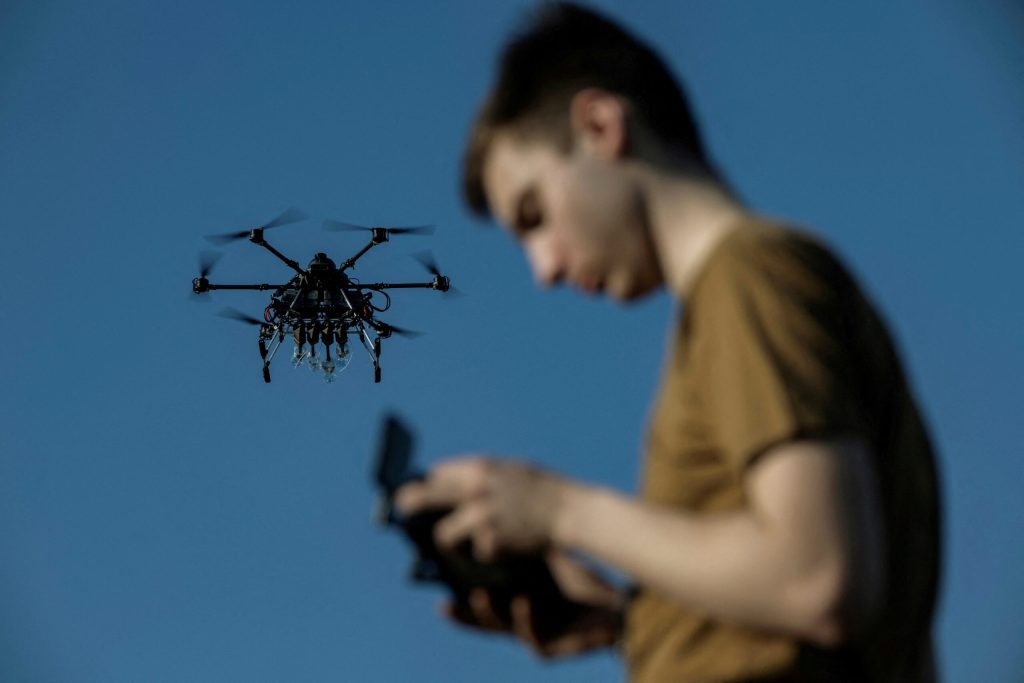
Cochise County Sheriff’s Office tests the Outrider Southern Border drone, a nine-foot hybrid-powered platform with a possible seven hours of flight time. This drone, produced by Draganfly, was modeled after humanitarian efforts in Ukraine, with an emphasis on transport flexibility: infrared cameras, med kits, etc. It substitutes for expensive choppers when crossings have traditionally been small in number.

3. Military-Grade Radar Systems Repurposed for Cartel Drone Tracking
Members of the 10th Mountain Division are operating the Lockheed Martin AN/TPQ-53 and AN/MPQ-64 Sentinels over 2,000 miles of the border. While these radar systems have reduced the percentage of Ukrainian military casualties from 47% to 18%, they are now tasked with identifying UAVs used by cartels. Experts build “pattern of life” profiles, studying UAS activity in different topography ranging from humid valleys to 5,000-foot passes.
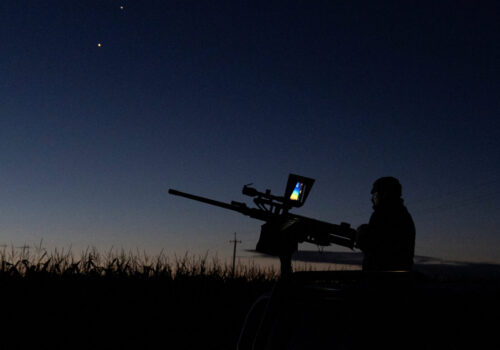
4. Cartel Drone Tactics Mirror Battlefield Innovation
Mexican cartels are deploying as many as 1,000 a month, mostly for reconnaissance and drug smuggling. There are also reports of testing fiber-optic guided UAVs, a technology employed by Ukraine to resist jamming signals, which may lead to an electronic warfare race at the Mexican border as cartels emulate communications technologies found in major conflicts.
5. Predator-Class UAVs Shift from Warzones to Desert Surveillance
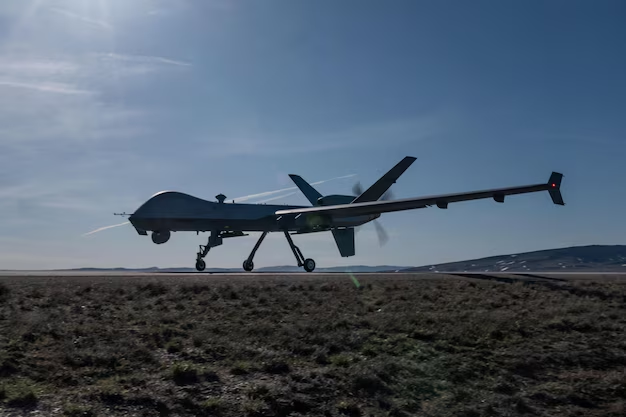
CBP’s MQ-9 Predator B operations from Fort Huachuca are now tracking small groups of migrants through terrain instead of supporting combat missions abroad. Although it is expensive, with an operating cost of $3,800 an hour because of its ability to precisely and persistently track, the VaDER technology it is equipped with can identify movements to direct troops on the ground.
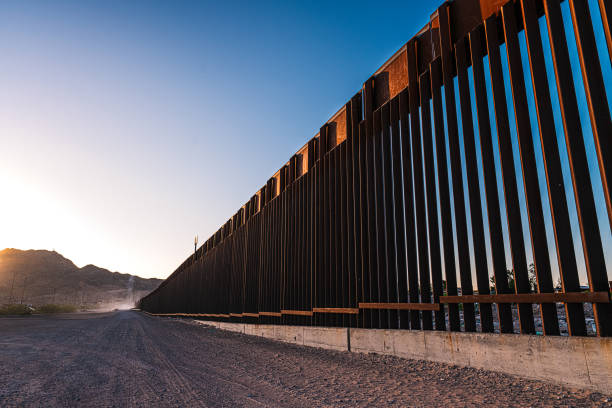
6. Dual-Use Technology and the Blurring of Military-Police Roles
Kateryna Bondar, a CSIS analyst, emphasizes that “equipment designed with a military objective can easily be converted and applied in law enforcement and border control.” The “virtual wall” that exists on the southern border, consisting of cameras, sensors, and drones, is one such example of this happening.
Timothy Dunn comments that “police forces are also increasingly like military units, while the military is taking on policing roles,” which is occurring due to joint “operations and shared resources.”
7. Privacy and Oversight Gaps in Domestic Drone Use
In 2024, a report by the GAO determined that the DHS does not have standard security forces regarding lack of prejudice or civil liberties. Drone use is governed by various state regulations regarding governing administration guidelines rather than formal administration policy. Interest groups have called for regulated use of authority under counter-UAS technology in order to protect public freedoms under the First Amendment.
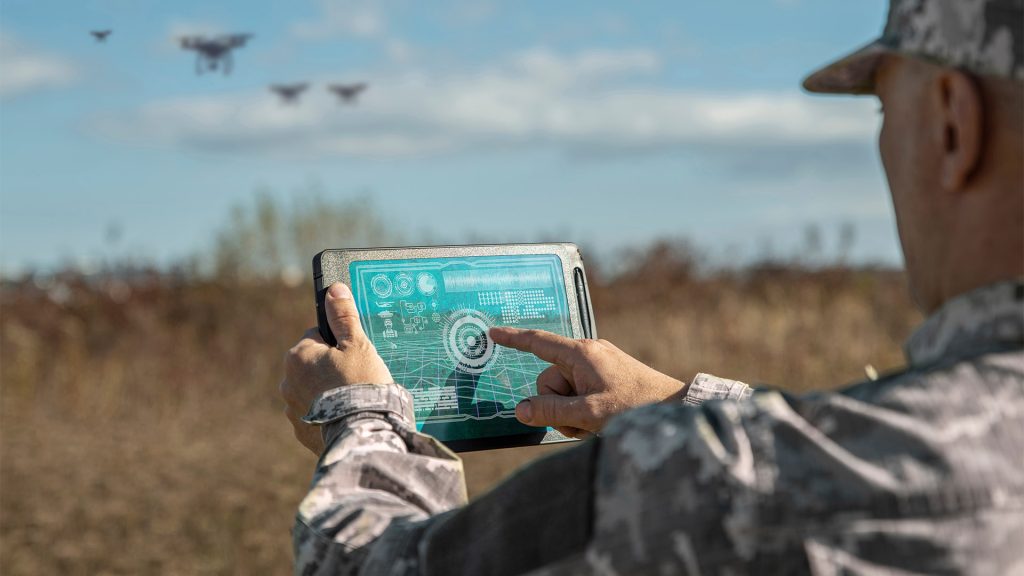
8. Counter‑UAS Networks as Border Defense Testbeds
The Southwest border’s sensors on the ground, radar, and mobile devices are now under consideration for a prototype for future regional protection against drones. The lessons learned about the acoustic sensor systems in Ukraine indicate that distributed, passive detection may have value for low and slow drones. AI analysis integration with the mobile interceptors could improve the distinction between bird, commercial, and drug drones.
9. Strategic Implications: From Desert to Peer Conflict
Although small UAVs are prevalent on the front lines in the Ukrainian conflict, a broader region is cautioned against relying on them. In the Indo-Pacific region, high-end missile and aerial supremacy capabilities will prove more significant. Yet the border region’s anti-UAS innovations, such as sensor fusion and rapid classification, are concepts for safeguarding vital infrastructure against a large number of UAVs that could prove applicable to future conflicts. The drone war in Ukraine has escalated from a far-off conflict into a R&D center whose output is already influencing homeland security in the U.S. On the Southern border, innovations that enabled them to survive electronic warfare tactics by Russia are now being utilized to detect smugglers and discourage Mexican cartel drone activity. Yet the issue at this convergence of technology and politics is two-fold.


